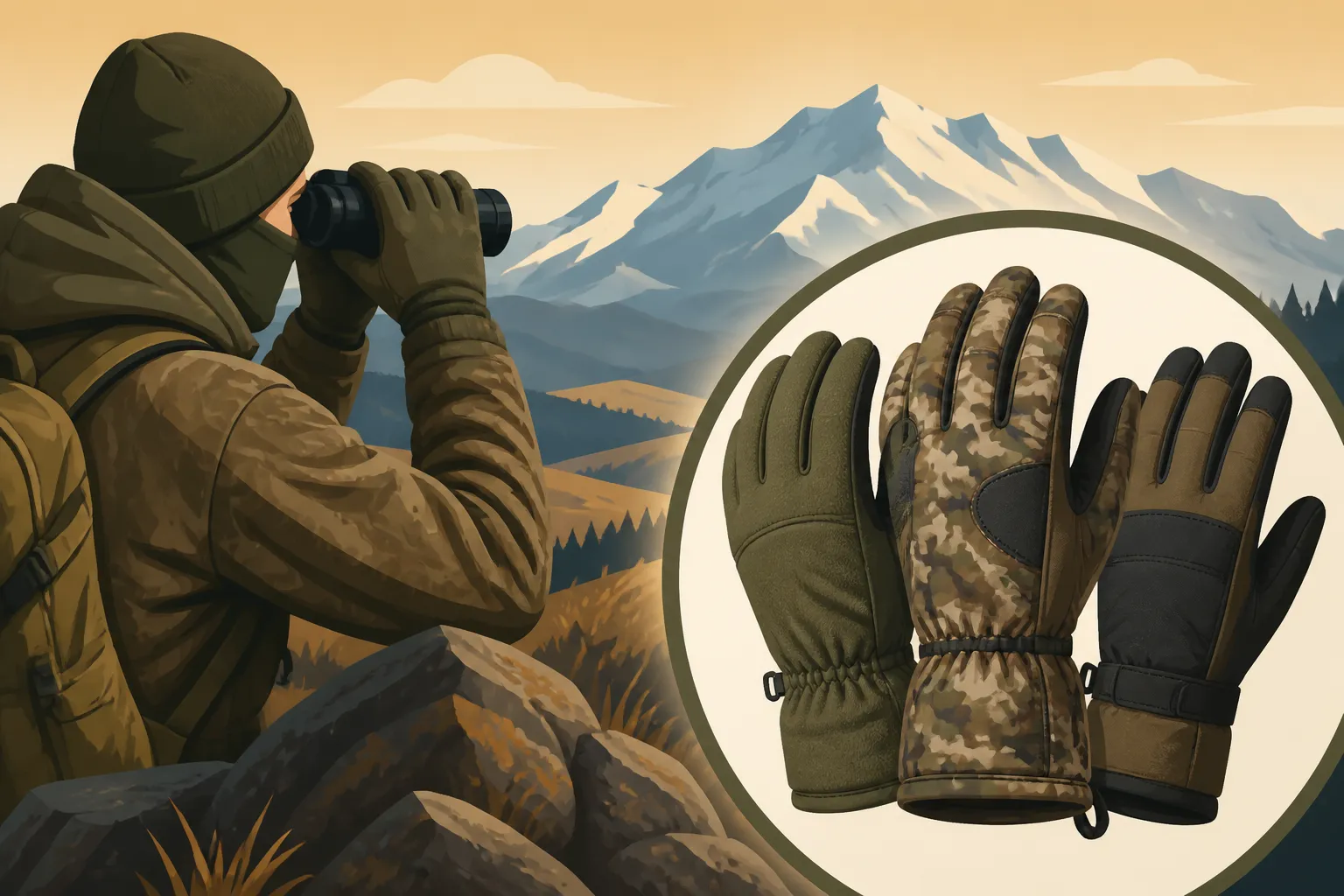
Best Gloves for Cold-Weather Glassing
There's nothing quite as miserable as sitting on a cold ridge, trying to glass a distant hillside, only to have your fingers go numb, making it impossible to hold your binoculars steady or even manipulate your scope. We've all been there, shivering and struggling, wishing we had just one more layer of warmth on our hands. Finding the right gloves for cold-weather glassing in California's diverse and often chilly hunting grounds is absolutely critical for both comfort and success, and this guide will walk you through everything you need to know to keep your hands warm and functional when it matters most.
Why the Right Gloves Matter for Glassing in Cold Weather
Glassing, that patient art of sitting and scanning vast landscapes with binoculars or a spotting scope, is a cornerstone of success for many hunters across California, especially for mule deer in the high Sierra or blacktail in the coastal ranges. But unlike active stalking or hiking, glassing often means long periods of relative stillness. When your body isn't generating much heat, the cold seeps in quickly, and your hands are usually among the first parts of your body to suffer. The challenge isn't just about staying warm; it's about maintaining the dexterity needed to adjust your optics, manipulate your rifle or bow, and even quietly snack or use your rangefinder without fumbling.
The Glassing Dilemma: Stillness and Cold Exposure
Imagine you're tucked into a rocky outcrop in an X-zone, scanning a burn scar at first light for a bedded buck. The sun isn't over the peaks yet, and that crisp mountain air is cutting right through your layers. Your hands, holding those cold metal binoculars, are exposed to the elements without much movement. This prolonged stillness is exactly what turns slightly chilly conditions into downright painful ones. When you're actively moving, hiking up a steep grade or still-hunting through timber, your blood is pumping, generating internal warmth. But when you settle in for a long glassing session, that heat production drops significantly. You become a stationary target for the cold, and your hands, often in direct contact with cold gear, bear the brunt of it.
The Impact on Performance and Comfort
Frozen fingers don't just feel bad; they actively hinder your hunting performance. Trying to subtly adjust the focus on your spotting scope with stiff, numb fingers is a nightmare. Fumbling with a rangefinder to get a quick distance on a deer that just stepped into an opening can cost you precious seconds. And if you do spot that trophy buck and need to transition from glassing to taking a shot, the last thing you want is a clumsy trigger finger or a compromised bow grip. Your ability to make precise, quiet movements is paramount, and icy hands steal that ability. Beyond performance, sheer discomfort can be a mental drain. If you're constantly distracted by the pain in your hands, you're not fully focused on your surroundings, on interpreting sign, or on maintaining stealth.
Protecting Your Hands for Longer Hunts
Having the right hand protection means you can stay out longer, be more patient, and ultimately increase your chances of success. It means you can comfortably endure those bone-chilling early mornings and late evenings when game is often most active. Proper gloves aren't just an accessory; they're a vital piece of gear that allows you to maximize your time afield, especially when pursuing elusive game in challenging environments like California's high country. A good setup ensures your hands remain an asset, not a liability, throughout the hunt. When you're investing in tools to help you find game, like detailed maps from GoHunt, remember that your physical comfort directly impacts your ability to utilize those tools effectively in the field.
Key Features to Look for in Cold-Weather Glassing Gloves
When you’re staring down the barrel of a multi-hour glassing session in a brisk Eastern Sierra canyon or a damp coastal redwood forest, not just any pair of gloves will do. You need specific features that cater to the unique demands of cold-weather glassing. It's a balance between warmth, protection, and the ever-critical need for dexterity. Skimping on one often means sacrificing another, so understanding these core elements is crucial.
Insulation and Materials: Trapping That Warmth
The primary job of a cold-weather glove is to keep your hands warm, and that comes down to good insulation and effective materials. Synthetics like Thinsulate or PrimaLoft are popular because they offer excellent warmth-to-weight ratios and retain much of their insulating properties even when damp – a huge plus if you're hunting in a wet D-zone or get caught in a Sierra snow flurry. Down can be incredibly warm but loses effectiveness if it gets wet, making it less ideal for truly damp conditions unless it's got a strong waterproof shell. Wool is another fantastic natural insulator, providing warmth even when wet, and it's often used in liner gloves for its breathability and comfort.
The outer shell material is also important. Look for durable fabrics that can stand up to brush and rocks, but also consider how quiet they are. A noisy shell can be a dead giveaway if a deer is closer than you think. The goal is to trap the heat your hands generate and prevent the cold from penetrating, so a combination of effective insulation and a robust, quiet outer material is key.
Wind and Water Resistance: Essential for California Weather
California hunting can throw all sorts of weather at you, sometimes all in one day. A crisp, sunny morning can turn into a blustery, rain-soaked afternoon, especially in the coastal ranges or higher elevations. Wind chill can strip warmth from your hands faster than almost anything else. That's why windproof membranes, like those found in Gore-Tex or similar technologies, are non-negotiable for serious cold-weather glassing gloves. They block the wind, preventing convective heat loss and keeping your hands comfortable even when the breeze picks up on an exposed ridge.
Water resistance or full waterproofing is equally critical. Whether it's morning dew soaking into your hands as you set up, a sudden rain shower, or melting snow, wet hands lose heat exponentially faster than dry ones. A truly waterproof glove will have a membrane that prevents external moisture from getting in while still allowing some perspiration to escape. This dual protection against wind and water ensures your hands stay dry and warm, letting you focus on the hunt, not on your discomfort.
Dexterity and Touchscreen Compatibility: The Finer Points
Here's where the compromise often comes in. The warmer a glove is, the thicker it usually is, and the thicker it is, the harder it is to feel and manipulate small objects. For glassing, you need to be able to make fine adjustments to your binoculars or spotting scope, quietly operate your rangefinder, or even check your GPS mapping app from GoHunt. This requires a level of dexterity that many bulky winter gloves simply can't provide. Look for gloves with pre-curved fingers, stretch fabrics, and well-designed seams that minimize bulk.
Touchscreen compatibility has also become a modern necessity. Fumbling to take off a glove every time you need to check a map, send a text, or snap a photo of a distant animal is not only inconvenient but also exposes your hands to the cold unnecessarily. Many newer hunting gloves feature conductive material on the fingertips, allowing you to use your smartphone or other touchscreen devices without removing them. This might seem like a small detail, but in freezing conditions, it makes a world of difference in comfort and efficiency.
Types of Gloves Best Suited for Cold-Weather Glassing
When you're out there on a frosty morning, trying to pick apart a distant hillside, the type of glove you choose can make or break your experience. There isn't a single "perfect" glove for every situation, but rather a few excellent categories that, when understood and potentially combined, offer superior performance for the cold-weather glasser. It's about finding the right tool for the specific conditions you're facing.
Convertible Mittens: The Best of Both Worlds
Convertible mittens, sometimes called "flip-mitts," are an absolute game-changer for cold-weather glassing, striking an impressive balance between warmth and dexterity. They essentially offer the full warmth of a mitten, where your fingers are together, sharing heat, but with the added versatility of exposing your fingers when precise tasks are required. The mitt portion typically folds back, often securing with a magnet or velcro, to reveal a fingerless glove or even just bare fingers underneath. This design allows you to perform tasks like adjusting your spotting scope's focus, using a rangefinder, or getting your release aid on an archery hunt in Hunting the Zone A July Archery Opener with bare or thinly gloved fingertips, then quickly cover them back up for warmth.
They are particularly effective in variable conditions or when you anticipate periods of intense glassing followed by moments requiring fine motor skills. Many models come with good insulation in the mitt portion and a durable, wind-resistant shell, making them ideal for those extended sits where the cold bites hard. While the exposed fingers can get cold quickly in extreme conditions, the ability to rapidly restore warmth makes them a top contender for many hunters.
Thin, Insulated Shooting Gloves: Precision When It Counts
For those moments when precision is absolutely non-negotiable, a thin, insulated shooting glove is essential. These gloves are designed with a primary focus on dexterity, particularly around the trigger finger, making them perfect for hunters who need to maintain a refined sense of touch with their rifle or bow. They are typically less bulky than full winter gloves, often featuring a pre-curved design and form-fitting materials that allow for excellent tactile feedback. Many will have a single "trigger finger" that is uninsulated or has reduced insulation compared to the other fingers, or they may have a reinforced, grippy palm to aid in weapon control.
While they won't offer the extreme warmth of a heavy mitten, good shooting gloves will still provide a decent level of insulation, often with a windproof and water-resistant shell. They are best used as an outer layer when conditions aren't brutally cold, or as a secondary layer underneath a larger, warmer glove or mitt that can be quickly shed for the shot. They shine in situations where you might have to react quickly, like during Rattling and Grunting California Blacktail Bucks where you expect the animal to appear suddenly and close. Brands like Sitka Gear or First Lite offer excellent options that blend insulation with the critical need for trigger finger sensitivity.
Layering Systems: Adapting to Variable Conditions
The most versatile approach to cold-weather glassing, especially in environments like California where temperatures can swing wildly, is a layering system for your hands. This involves combining different types of gloves to adapt to changing conditions and specific tasks. A common setup might include a thin, wicking liner glove, a moderately insulated shooting glove, and an oversized, heavily insulated mitten (which could be a convertible type) worn over both.
| Layer Type | Primary Function | Best Use Case | Pros | Cons |
|---|---|---|---|---|
| Liner Glove | Wicking, light warmth, dexterity | Mild conditions, under other layers, phone use | High dexterity, quick drying, touchscreen compatible | Minimal warmth on its own, limited protection |
| Shooting Glove | Moderate warmth, trigger dexterity | Active hunting, light glassing, layering under mitts | Good balance of warmth/dexterity, trigger finger access | Not ideal for extreme cold or long stillness |
| Convertible Mitt | Maximum warmth, quick finger access | Long glassing sessions, cold stillness, variable temps | Very warm, quick access for tasks, versatile | Can be bulky, exposed fingers get cold fast |
| Heavy Mitt (Non-Convertible) | Maximum warmth, wind/water protection | Extreme cold, deep snow, long inactive periods | Ultimate warmth, impenetrable to wind/water | Zero dexterity with mitt on, must remove for tasks |
This system allows you to peel off layers as you warm up or add them when the cold sets in. For example, you might wear the heavy mittens during a long glassing vigil in Hunting California's High-Country X-Zones. If you spot a buck and need to make fine adjustments to your scope or prepare for a shot, you can quickly slip off the mitts, revealing your shooting gloves underneath, maintaining enough warmth while gaining crucial dexterity. As an added benefit, a quality liner glove can offer touchscreen compatibility if your outer layers don't, giving you yet another option for checking your onX Layers for California Land Status on your phone. This adaptable strategy ensures your hands are always optimally protected and prepared for whatever the hunt demands.
Maintaining Dexterity While Staying Warm
The eternal struggle for the cold-weather hunter is how to keep your hands toasty warm without turning them into useless clubs. Glassing demands precision, and stiff, bulky gloves can make even simple tasks feel impossible. It’s a delicate dance between insulation and functionality, and achieving that balance is key to staying effective in the field.
The Trigger Finger Challenge
This is perhaps the biggest dilemma for any hunter, especially those using a rifle or bow in cold conditions. A thick glove might keep your hands warm, but it can severely impede your ability to properly feel the trigger, operate safety mechanisms, or accurately feel your bowstring release. Many hunters opt for specialized shooting gloves that feature a thinner material or even a fold-back design for the trigger finger. Some go even further, using a very thin liner glove underneath a larger mitten, then pulling off the mitten entirely for the shot, relying on the liner for minimal protection and maximum feel.
Consider practicing with your chosen glove setup before you're out in the field. Can you safely manipulate your firearm's safety with the gloves on? Can you comfortably place your finger on the trigger without snagging or undue pressure? For bowhunters, can you cleanly operate your release aid? It’s far better to discover these limitations at home or at the range than when that dream buck steps out into an opening in a brisk Zone A morning. The goal is to minimize the time your trigger finger is exposed to the elements, making quick, deliberate movements possible when the moment of truth arrives.
Managing Your Optics with Gloved Hands
Glassing often involves intricate movements: adjusting focus, zooming in or out on a spotting scope, or carefully steadying binoculars. Many binoculars and scopes have knurled dials that can be tricky to operate with bulky gloves. This is where the dexterity of your gloves truly comes into play. If your gloves are too thick, you might find yourself constantly pulling them off to make adjustments, only to quickly expose your hands to the cold and then replace the gloves, creating a cycle of frustration and heat loss.
Look for gloves with good grip on the palm and fingertips, even if they're insulated. Rubberized or silicone patterns can greatly enhance your ability to hold and manipulate optics. Furthermore, using a chest harness for your binoculars, like those from FHF Gear or Stone Glacier, can help stabilize them and reduce the need for constant gloved hand adjustments, as well as keeping them close to your body heat. Some hunters even attach small pieces of textured tape to their optic's focus dials to improve grip when wearing gloves. Every little bit of added friction helps you maintain control without losing critical warmth.
Strategic Layering for Maximum Warmth and Function
As we touched on earlier, layering is your best friend when it comes to hands in cold-weather glassing. Think of it like dressing your core: a base layer, a mid-layer, and an outer shell. For your hands, this might mean a thin merino wool or synthetic liner glove (your base layer), followed by a mid-weight insulated hunting glove (your mid-layer), and then a large, windproof and waterproof mitten or shell (your outer layer).
The beauty of this system is its adaptability. During active hikes or warmer parts of the day, you might just wear the liner gloves, perhaps with the mid-weight glove if it's breezy. When you settle down for a long glassing session on a shaded slope, you can pull the heavy mittens over everything, instantly boosting your warmth. If you spot something and need to adjust your Spotting Scopes for Long-Range Blacktail Glassing, you can quickly shed the outer mitten, giving you the dexterity of your mid-layer glove. Then, for the shot, you might even slip off the mid-layer, relying on the thin liner for the ultimate feel on the trigger or release. This method ensures that you have options for every situation, optimizing both warmth and critical function without having to compromise on either.
| Situation | Recommended Handwear Strategy | Benefits |
|---|---|---|
| Hiking In | Liner gloves, possibly light shooting gloves | Breathability, wicking, prevents overheating, maintains light dexterity |
| Long Glassing Sit | Liner + insulated shooting glove + heavy outer mitten (or convertible) | Maximum warmth during stillness, quick access to dexterity as needed |
| Optics Adjustment | Shed outer mitten, use insulated shooting glove or liner | Increased dexterity for dials, maintains some warmth |
| Taking a Shot | Shed outer layers, use thin shooting glove or liner | Maximize trigger/release feel, minimizes bulk, maintains slight warmth |
| Variable Conditions | Layered system (liner + shooting + mitt) | Adaptability to changing temperatures, wind, and activity levels |
| Using Phone/GPS | Touchscreen compatible liner or shooting glove | Convenience, prevents constant glove removal and re-donning |
Remember, staying warm means you can stay focused, and staying focused means a better chance of success. Don't let cold hands cut your hunt short or spoil a hard-earned opportunity, whether you're stalking Wild Pig Hunting California Year-Round or waiting for a deer in Hunting Coastal Range Oak Woodlands. Invest in a versatile handwear system that allows you to be both warm and nimble in the California wilderness.
Disclaimer
This article is for general informational purposes only and does not constitute professional advice. Laws, prices and regulations vary by location and change over time. Consult a qualified professional for guidance on your specific situation.