How Many Acres Six Rivers National Forest Covers
One of the biggest hurdles for any hunter looking to explore California's vast public lands is simply grasping the sheer scale of the opportunities and the challenges that come with them. You see a green patch on a map and think, "Great, public land!" but truly understanding the immense size of areas like Six Rivers National Forest is crucial for planning a successful hunt. This guide will meticulously break down the acreage of Six Rivers National Forest and what that truly means for you, the hunter, providing a clearer picture of what you can expect when you venture into this incredible wild expanse.
The Sheer Scale of Six Rivers National Forest
When we talk about Six Rivers National Forest, we're not just talking about a big chunk of land; we're discussing an area so massive it truly redefines what "remote" can mean in California. It's easy to look at a number on a map, but the reality on the ground is far more complex and awe-inspiring. This forest is a gem for those seeking solitude and a challenging hunt, precisely because of its immense footprint.
Total Acreage and Geographical Footprint
Let's get right to the heart of the matter: Six Rivers National Forest covers a staggering over 1 million acres. Yes, you read that right – over one million acres of mountainous terrain, deep river canyons, old-growth timber, and rugged wilderness. To put that in perspective, that's larger than the entire state of Rhode Island! This colossal size means unparalleled opportunities for those willing to put in the effort, whether you're chasing blacktail deer or looking for a remote bear. The forest stretches across the extreme northwestern part of California, weaving through some of the state's most pristine and undeveloped country. It borders the Trinity Alps Wilderness Area and extends westward towards the Pacific Ocean, though it generally doesn't reach the coast itself.
This immense geographical footprint creates a diverse mosaic of ecosystems, from dense coniferous forests at higher elevations to mixed evergreen and oak woodlands in the lower reaches. You'll find areas that feel truly ancient, where towering redwoods and Douglas firs create a canopy so thick that sunlight struggles to reach the forest floor. Other areas reveal steep, brush-choked slopes that test even the most seasoned hunters. Understanding this vastness is the first step in appreciating the kind of hunting experience Six Rivers National Forest offers – one of wild beauty, challenging terrain, and the potential for genuine wilderness adventure.
Counties Encompassed
The expansive reach of Six Rivers National Forest means it doesn't just sit neatly within one county line; it sprawls across several, making it accessible from various points and offering different characteristics depending on which section you enter. Primarily, Six Rivers National Forest extends through parts of Del Norte, Humboldt, Trinity, and Siskiyou counties.
This multi-county presence is significant because each county, and indeed each ranger district within the forest, can offer unique access points, terrain features, and even slightly different hunting dynamics. For instance, the northern reaches in Del Norte and Siskiyou might present more rugged, higher-elevation hunting opportunities, while sections further south in Humboldt and Trinity could feature more of the dense coastal range timber and brush. Knowing which county you're targeting can help you narrow down your initial scouting efforts and understand the local infrastructure, or lack thereof, around your chosen hunting grounds. It also means that local regulations or conditions, while generally uniform across the forest, might have nuances depending on the specific administrative unit you're in. This geographical spread is what makes planning a trip into Six Rivers so exciting, but also requires thorough preparation.
Diverse Habitats Within Its Boundaries
A million acres isn't just one type of forest; it's a living tapestry of varied habitats, each supporting different wildlife and presenting unique challenges and opportunities for hunters. Within Six Rivers National Forest, you'll encounter a remarkable spectrum of environments. From the dense, old-growth redwood and Douglas fir forests that often have incredibly thick understories, making visibility a mere few yards, to steep, brushy chaparral slopes that demand intense physical exertion and slow, methodical still-hunting.
You'll also find riparian corridors along the many rivers and creeks, like the Trinity, Salmon, and Klamath, which are vital travel routes and water sources for game. Higher up, there are subalpine zones with true firs and open rocky areas, especially as you approach the Trinity Alps Wilderness boundary. Interspersed throughout are oak woodlands, especially in the lower and drier elevations, providing crucial mast crops for deer, bear, and wild pigs. Recent burn scars, while initially devastating, can also create new growth and openings that become prime feeding areas for deer in subsequent years. This incredible habitat diversity means that your hunting strategy will need to adapt constantly, moving from methodical still-hunting in thick timber to patient glassing in more open, higher country. It’s this very diversity that makes Hunting Northern California's Coast Range and Hunting California's Sierra Nevada Backcountry so different, even though both are wild and challenging.
Navigating Such Expansive Terrain for Hunting
The sheer size of Six Rivers National Forest is both its greatest appeal and its most daunting challenge. Hunters often dream of vast, untouched wilderness, but once you're on the ground, that dream can quickly turn into a logistical nightmare if you're not prepared. Successfully navigating and hunting this million-acre playground requires strategy, the right tools, and a healthy respect for the wild.
Understanding Forest Divisions and Access Points
Given its enormous size, Six Rivers National Forest is managed through various ranger districts, each overseeing a specific portion of the land. These districts include the Orleans/Ukonom, Lower Trinity, Mad River, and Gasquet/Usal districts. While the overall regulations for Six Rivers National Forest Hunting are largely uniform, understanding these divisions can be helpful for pinpointing specific areas and finding reliable access points. Access isn't always straightforward; while there are major arteries like Highway 101 and State Route 299 that provide entry points, many of the forest's interior roads are unpaved, prone to washouts, and can be seasonal.
Hunters often rely on a network of Forest Service roads, some well-maintained, others barely more than two-tracks. Many of these roads eventually dead-end or transition into designated wilderness areas where motorized access is prohibited, requiring you to lace up your boots and hike. This is where truly remote hunting begins. It's vital to research road conditions before you go, especially during wet seasons or after significant snowfalls. Local ranger stations are invaluable resources for up-to-date information, advising on which roads are open, which are closed, and where recent logging or fire activity might have impacted access or game movement.
Utilizing Mapping Tools for Public Land
In an area as vast and rugged as Six Rivers National Forest, traditional paper maps are essential, but modern digital mapping tools have become indispensable. Without them, you're truly at a disadvantage. Platforms like onX Hunt and GoHunt have revolutionized how hunters approach public land, and they are absolutely critical for navigating Six Rivers. These apps allow you to download offline maps, which is vital because cell service is virtually nonexistent in much of the forest.
With tools like onX Hunt, you can overlay public and private land boundaries with incredible accuracy, ensuring you know exactly where you stand and avoiding accidental trespass. You can mark waypoints for potential game sign, water sources, natural funnels, and your vehicle, making it much easier to plan routes and find your way back, even in dense fog or after dark. GoHunt offers similar functionality, often with added layers for historical game data or specific unit information, which can further refine your scouting. Using an App for California BLM Land Status gives you a broader idea of how critical these tools are for any public land hunter in California. These technologies transform millions of acres from an intimidating maze into a navigable landscape, empowering you to explore deeper and with greater confidence.
Remote Backcountry Versus More Accessible Areas
The vastness of Six Rivers National Forest means you have choices regarding the kind of hunt you want. On one end of the spectrum, you have areas that are relatively accessible, often closer to paved roads or with a dense network of Forest Service roads. These areas typically see higher hunting pressure, especially on opening weekend. While you can still find success here, it often requires more patience, hunting smarter, and getting off the beaten path even if it's just a few hundred yards from a road.
On the other end, you have truly remote backcountry, where the only access is via foot and sometimes requires multi-day packing trips. This is where the real adventure begins, and where you'll find the solitude many hunters crave. Areas bordering the Trinity Alps Wilderness, for example, offer an unparalleled wilderness experience, but demand serious physical conditioning, robust gear, and self-sufficiency. Hunters seeking these deep woods experiences will often pack in for several days, carrying everything they need to survive and, hopefully, pack out an animal. This distinction is crucial for planning. Do you want a day hunt with relatively easy access, or are you prepared for a multi-day expedition into true wilderness, like those described in Hunting California's Sierra Nevada High Country? Both are possible in Six Rivers, but they require entirely different levels of preparation and skill.
Hunting Opportunities and Challenges in Six Rivers
Six Rivers National Forest is a fantastic destination for hunters, but its sheer size and wild nature mean it comes with a unique set of opportunities and challenges. Understanding these dynamics is key to preparing for a successful and safe trip.
Game Species Supported by the Ecosystem
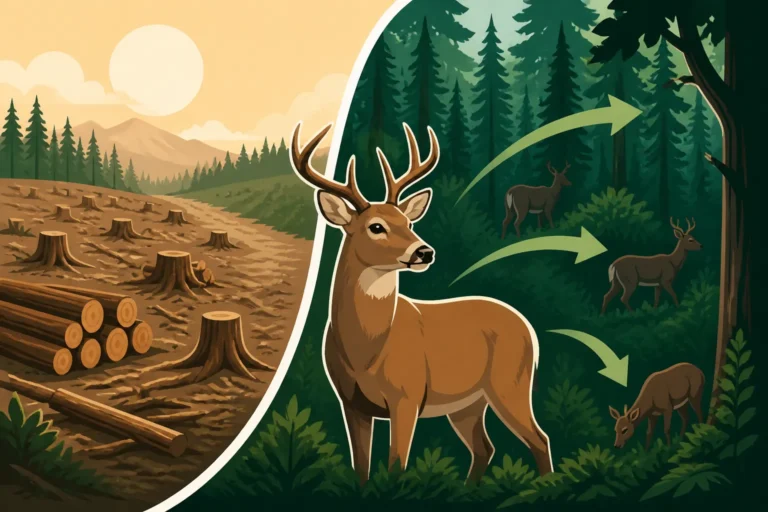
The diverse habitats within Six Rivers National Forest naturally support a healthy population of various game species, making it a compelling destination for many hunters. The primary draw for many is Columbia Blacktail Deer. This region is classic blacktail country, with dense timber, brushy slopes, and steep canyons providing excellent cover and forage. Hunters often focus on tracking through the thick stuff or patient glassing of clear-cuts and open ridges. Columbia Blacktail and Mule Deer in California are the two main deer species found in the state, and Six Rivers is prime habitat for the former.
Beyond deer, Black Bears in California are also a significant presence in Six Rivers. The dense forests provide ample cover, and the varied plant life offers abundant food sources like berries and acorns. Spot-and-stalk bear hunting here is a challenging but rewarding endeavor. You might also encounter Wild Pigs Across California, though they tend to be more localized to certain pockets of the forest, often near agricultural interfaces or lower elevation oak woodlands. For upland bird hunters, California Valley Quail and Mountain Quail can be found, especially in brushy areas and along canyon bottoms, providing a fast-paced and exciting challenge. The vastness means there's enough habitat to support robust populations, but it also means game can be widely dispersed, demanding diligent scouting.
Pressure and Solitude
The "over one million acres" figure often conjures images of endless solitude, and for the most part, Six Rivers National Forest can deliver on that promise – if you're willing to work for it. Like any public land in California, opening weekend for deer season can see a significant influx of hunters, especially in the more accessible areas. Roads near popular trailheads or known game corridors will have trucks parked bumper to bumper. This initial pressure can push animals deeper into the thicker cover or higher into the steeper, less accessible country.
However, the immense size of Six Rivers means that solitude is absolutely achievable. The further you are willing to walk from a road or trail, the less likely you are to encounter other hunters. Even a mile or two can make a dramatic difference. Hunters willing to put in the physical effort to reach remote basins, climb steep ridges, or traverse dense, unforgiving terrain will often find themselves in truly untouched areas, offering a genuine wilderness hunting experience. This balance between easily accessible, higher-pressure zones and remote, low-pressure backcountry is a key characteristic of hunting Six Rivers National Forest. Understanding Hunting Pressure on California Public Land is vital for managing your expectations and strategies.
Planning Logistics for Extended Hunts
Hunting in Six Rivers National Forest, especially if you plan to explore its more remote reaches, requires meticulous logistical planning. Its vastness means you can be a long way from any services or help if things go awry. First and foremost, fuel and water are paramount. Gas stations can be few and far between once you leave the main highways, so fill up whenever possible. Water sources exist, but relying solely on natural sources requires filtration and knowing where to find them. Packing enough water or a reliable filter is non-negotiable for multi-day trips.
Emergency preparedness is another critical aspect. A satellite messenger or GPS device with SOS capabilities is highly recommended, as cell service is unreliable. Informing someone of your exact plans, including your route and expected return time, is a basic safety measure. Consider the weather, which can change rapidly in the mountains, bringing unexpected rain, fog, or even early snow in higher elevations. Layered clothing and quality Boots and Clothing for California's Varied Terrain are essential. Finally, planning for game recovery in steep, rugged terrain is crucial. If you are fortunate enough to harvest an animal, extracting it from a deep canyon or miles into the backcountry will be a monumental task, often requiring multiple trips, sturdy game bags, and a well-thought-out packing strategy. Packs and Gear for a Backcountry Elk Hunt offers valuable insights that apply equally to deer and bear hunting in such rugged country.
Maximizing Your Six Rivers National Forest Hunting Experience
To truly make the most of the million-plus acres Six Rivers National Forest offers, you need a proactive approach that blends preparedness, strategic thinking, and a deep respect for the environment. It's not just about showing up with a tag; it's about immersing yourself in the landscape and understanding its nuances.
Essential Gear for Traversing Vast Distances
When you're covering potentially dozens of miles over a multi-day hunt in rugged terrain, your gear selection moves from important to absolutely critical. Lightweight yet durable equipment is key. Start with your footwear: quality, broken-in hiking boots with excellent ankle support are non-negotiable for navigating steep, uneven ground. Combine them with comfortable, moisture-wicking socks to prevent blisters, which can quickly end a hunt. Your backpack needs to be capable of carrying not just your daily essentials but also enough water, food, and emergency supplies for your planned duration, plus room for packing out meat. A sturdy internal frame pack is often preferred for its weight distribution.
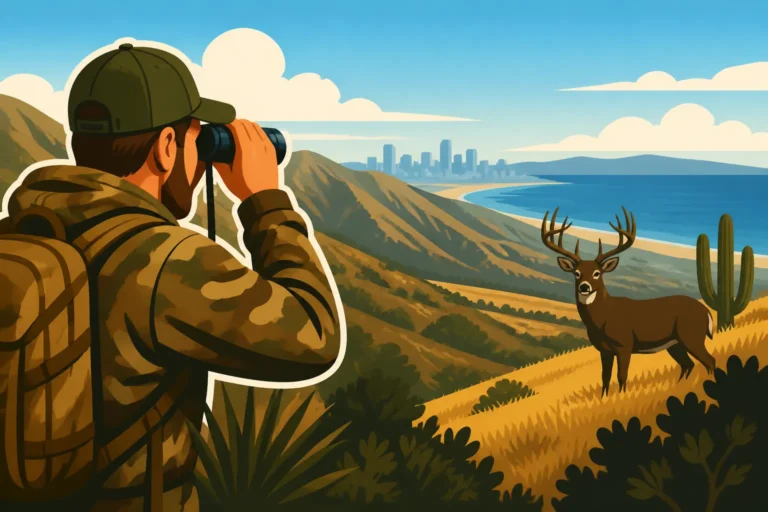
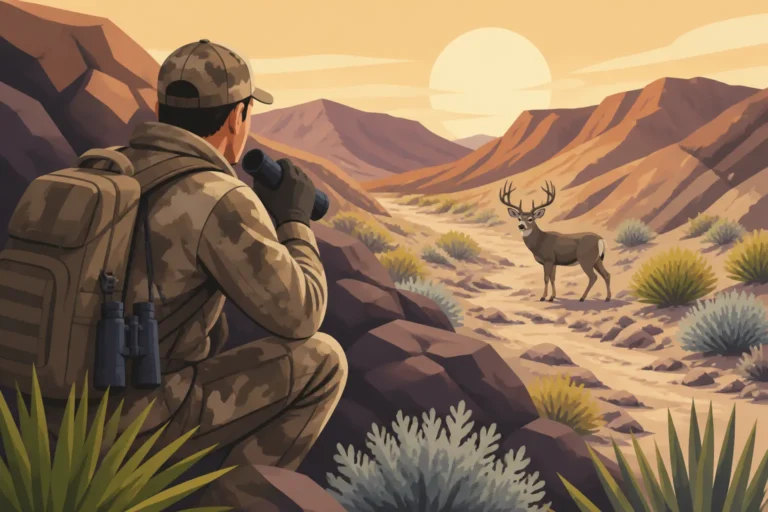
Navigation tools, as discussed, are paramount; a reliable GPS unit or a fully charged smartphone with offline mapping apps like onX Hunt or GoHunt is a must. Don't forget a backup compass and paper map. Beyond that, consider optics: high-quality binoculars are essential for Glassing a Canyon for a Bedded Buck or spotting distant game on open slopes. A lightweight rangefinder will confirm distances for ethical shots. A headlamp with fresh batteries, a comprehensive first-aid kit, a water filter or purification tablets, and a fire-starting kit round out the necessities. Every ounce counts when you're covering vast distances, so choose wisely.
Respecting the Wilderness and Regulations
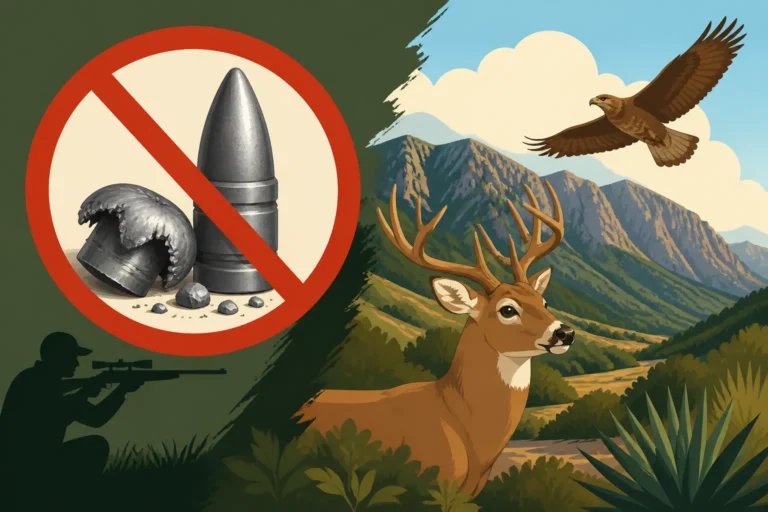
Hunting in a designated National Forest comes with the responsibility to adhere to specific regulations and maintain the integrity of the wilderness. This isn't just about legal compliance; it's about being a steward of the land. Always be aware of the specific California's Six Rivers National Forest Deer Units regulations for your tag, including season dates, bag limits, and legal methods of take. A critical regulation to remember across almost all of California's public lands is the non-lead ammunition requirement. This means you must use certified non-lead bullets for hunting big game and small game with a rifle or shotgun, or for pistol hunting. This is particularly important in Six Rivers, where the health of the ecosystem, including species like the California Condor, is paramount. Hunting Los Padres Without Lead Ammunition offers a great overview of why this rule exists and how to comply.
Beyond explicit rules, practicing Leave No Trace principles is fundamental. Pack out everything you pack in, including all trash and spent casings. Minimize your impact on trails, camp responsibly, and properly dispose of human waste. Respect wildlife by avoiding unnecessary disturbance, especially during sensitive times like breeding or nesting. These practices ensure that Six Rivers National Forest remains a pristine hunting ground for generations to come.
Scouting Strategies for Large Tracts
Scouting a million-acre forest might seem overwhelming, but with a systematic approach, it's entirely doable and incredibly rewarding. Start your scouting long before the season opens, beginning with "e-scouting" from home. Utilize mapping software like onX Hunt or Google Earth to identify promising areas. Look for natural funnels, saddle points, north-facing slopes (where deer often bed during hotter months), water sources, clear-cuts (new and old), and changes in vegetation that could indicate food sources. Pay close attention to areas that are a significant distance from roads, as these are likely to hold less pressured animals.
Once you've identified a few promising spots virtually, it's time for boots-on-the-ground scouting. This might involve several day trips or even short overnight excursions. Focus on finding actual game sign: tracks, scat, rubs, and active trails. Pay attention to bedding areas and feeding areas. Observe prevailing wind patterns and thermals, especially in steep country, as they will dictate how you approach a stand or a stalk. Don't be afraid to put on miles; the more ground you cover, the better understanding you'll gain of the terrain and animal movements. Remember, you're not trying to scout the entire forest, but rather to identify a few key areas that hold consistent sign and offer good hunting opportunities. Scouting California Public Land Before Season delves into these strategies further, helping you convert vastness into a manageable hunting puzzle.
| Feature / Aspect | Characteristics in Six Rivers National Forest | Hunting Implication |
|---|---|---|
| Total Acreage | Over 1 million acres (approx. 1,170,000 acres managed by USFS) | Vast potential for remote, low-pressure hunting; requires extensive planning and navigation. |
| Primary Counties | Del Norte, Humboldt, Trinity, Siskiyou | Access points and local characteristics vary by county; check specific unit regulations. |
| Dominant Terrain | Steep mountains, deep river canyons, dense timber (redwood, fir, cedar), brushy chaparral, high elevation wilderness. | Physically demanding; requires proper gear, conditioning, and slow, deliberate hunting. |
| Key Game Species | Columbia Blacktail Deer, Black Bear, Wild Pig (localized), California Valley Quail, Mountain Quail. | Diverse opportunities; tailor your strategy and gear to the target species. |
| Access | Mix of paved state highways, well-maintained Forest Service roads, seasonal dirt roads, and foot-traffic-only wilderness areas. | Research road conditions; be prepared for extended hikes into remote areas. |
| Cell Service | Largely unreliable to non-existent in much of the interior. | Essential to carry satellite messenger/GPS with offline maps; inform others of your plans. |
| Hunting Pressure | High near accessible roads on opening weekends; rapidly decreases with distance from access points. | Seek solitude by hiking further into the backcountry or hunting during weekdays. |
| Lead Ammunition Rule | Mandatory non-lead ammunition for hunting all game species with firearms. | Ensure your rifle/shotgun/pistol is sighted in and capable with non-lead projectiles. |
Disclaimer
This article is for general informational purposes only and does not constitute professional advice. Laws, prices and regulations vary by location and change over time. Consult a qualified professional for guidance on your specific situation.