California Buck Age Structure
California deer age structure and population dynamics explain how hunting pressure, management goals, and habitat shape deer herds.
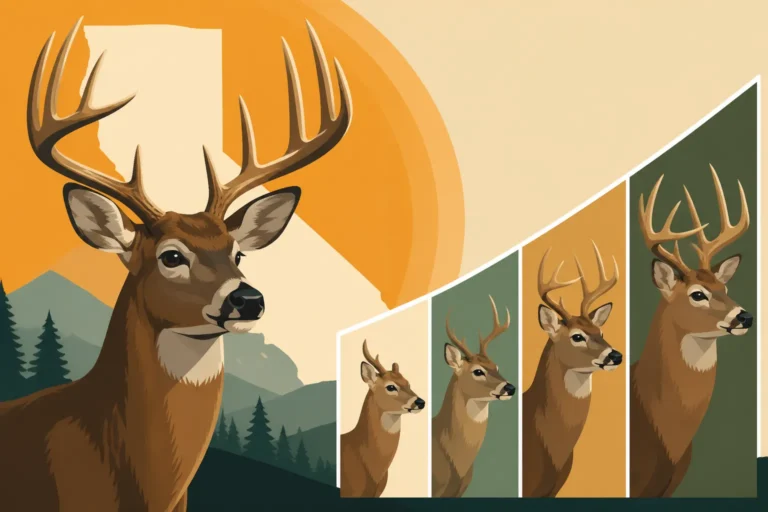
California deer age structure and population dynamics explain how hunting pressure, management goals, and habitat shape deer herds.
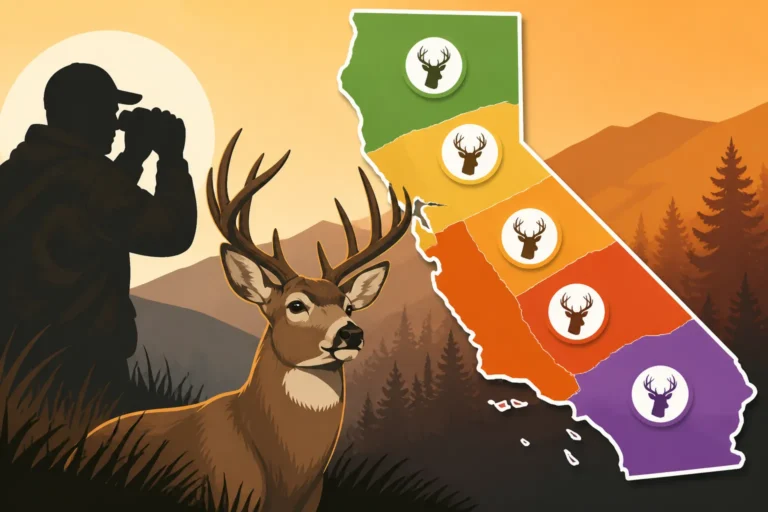
California deer hunting zones experience peak rut timing driven by daylight length, geography, and distinct herd genetics across regions.
California deer record books require ethical hunting, meticulous antler measurement, and careful documentation for exceptional bucks.
California Boone and Crockett blacktail deer hunting requires patience, habitat knowledge, and a minimum score of 135 points.
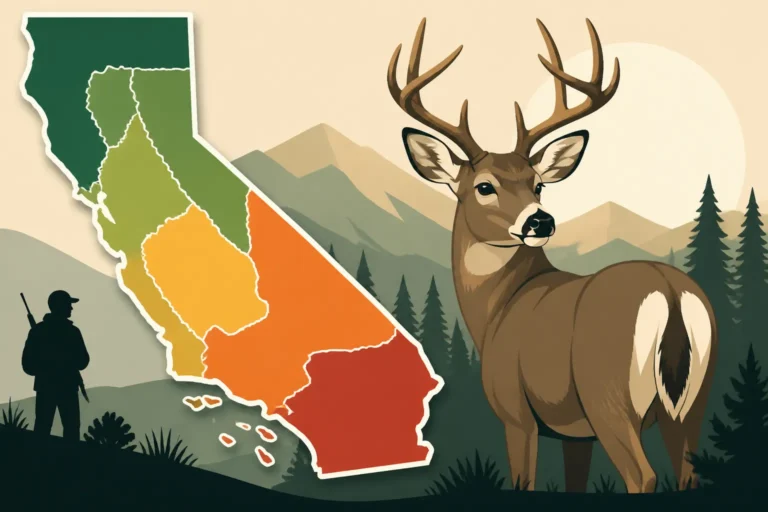
California blacktail deer density by region explains population distribution, habitat factors, and regional differences across the state.

Sierra deer grow larger than coastal deer due to better forage quality, abundant water sources, and environmental factors.
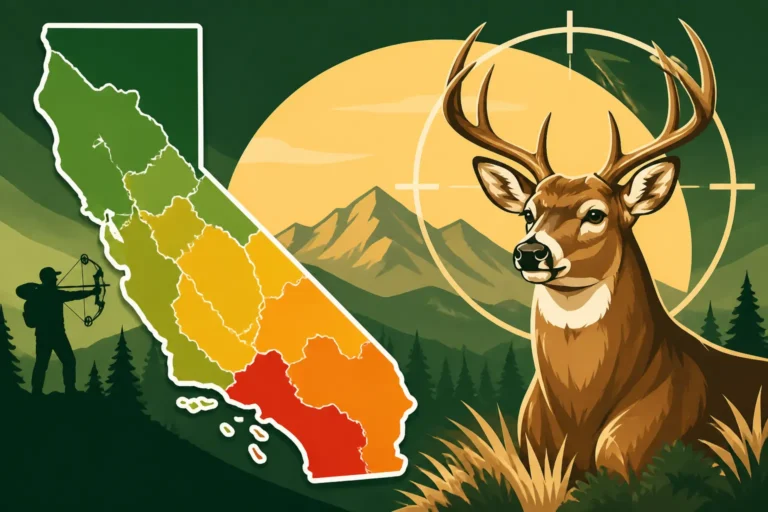
California deer zones span coastal A zones, high-elevation X zones, and vast D zones, offering varied trophy mule deer and blacktail hunting.
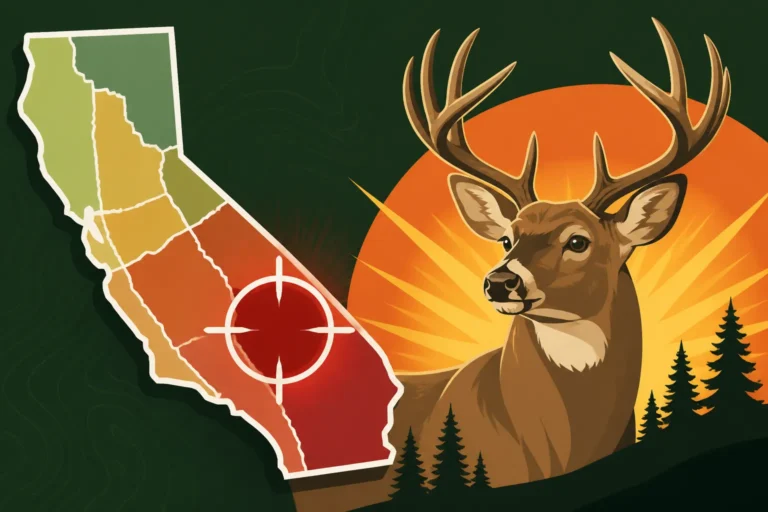
California deer harvest data and zone types explain why sprawling zones like D-Zones record the highest total deer deaths.
California annual deer harvest statistics show how the department tracks hunter success and overall herd health using reported tag data.
California deer herd size estimates rely on aerial surveys, spotlight counts, and annual hunter harvest reports from the department.