Plumas County Public Hunting Ground
Finding quality public hunting ground in California can feel like trying to find a needle in a haystack, especially when you're dreaming of escaping the crowds and truly immersing yourself in the wild. Many hunters get bogged down in the sheer size of the state, wondering where to even begin looking for an area that offers both challenge and opportunity. This guide is dedicated to exploring Plumas County's public hunting grounds, offering a deep dive into what you can expect, how to navigate its vast forests, and where to focus your efforts for a successful hunt.
The Untamed Beauty of Plumas County for Hunters
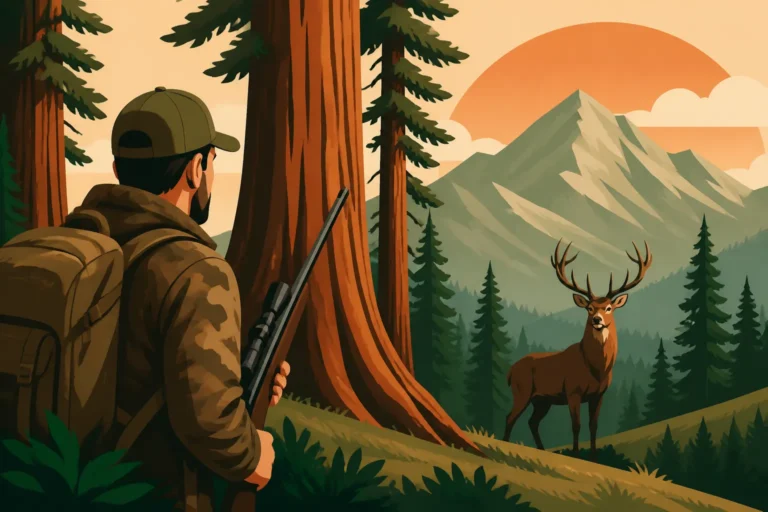
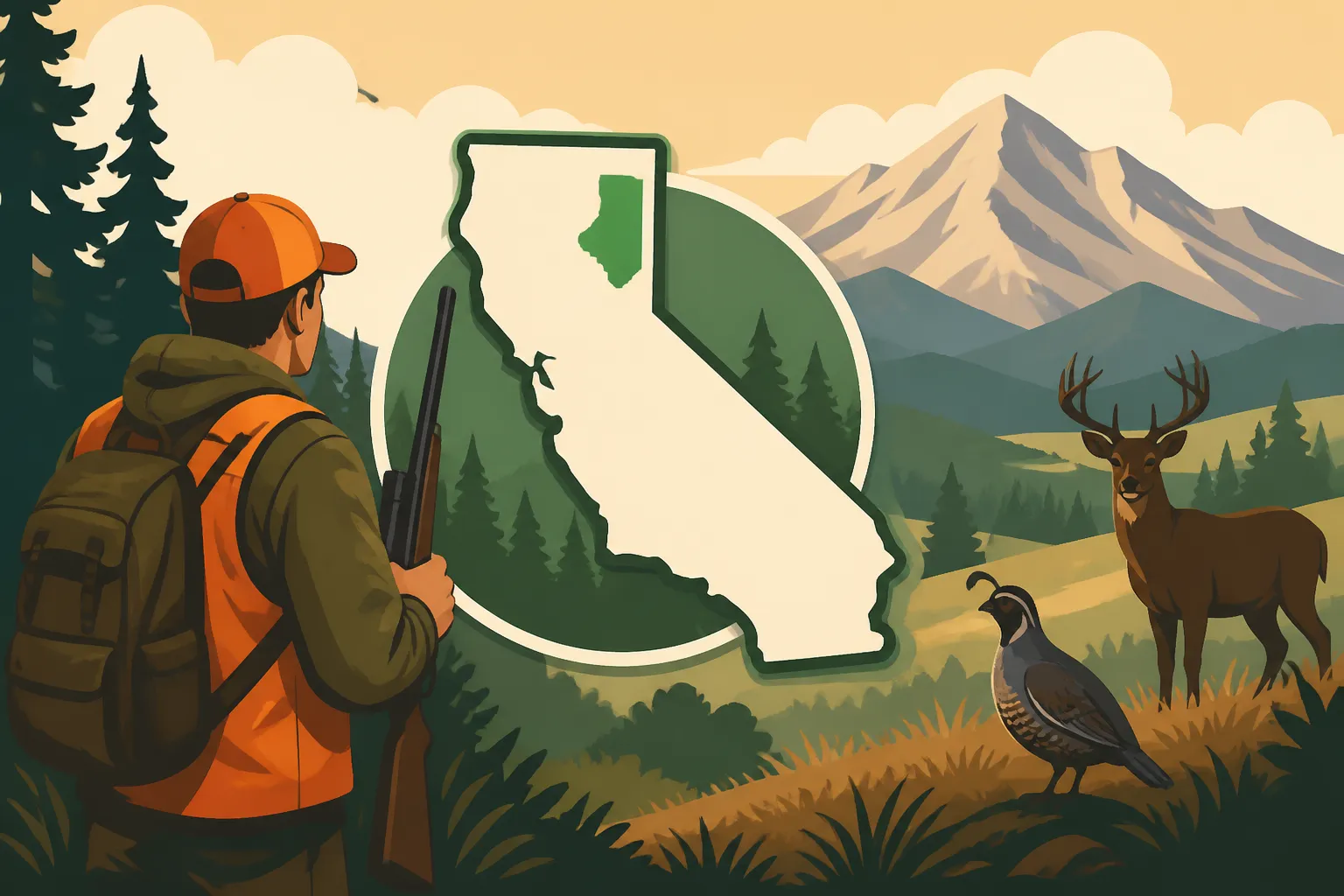
Plumas County, nestled in the heart of California's northern Sierra Nevada mountains, is a true gem for public land hunters. Unlike some of the more heavily pressured zones closer to major metropolitan areas, Plumas offers vast tracts of accessible, wild country. It's a place where the air smells of pine and damp earth, where the silence is broken only by the rustle of leaves or the distant call of a bird. For many, it represents the quintessential California hunting experience – rugged, challenging, and incredibly rewarding.
Characterizing Plumas County's Landscape
The landscape of Plumas County is dominated by dense mixed-conifer forests, sprawling meadows, deep river canyons carved by the Feather River, and an abundance of high mountain lakes. Elevations range dramatically, from lower foothill country to peaks over 8,000 feet. This diverse terrain creates a mosaic of habitats, supporting a healthy population of game animals. You'll encounter steep, timbered slopes, rocky outcroppings, and gentle rolling hills. It's a land that demands physical effort but repays it with stunning vistas and genuine wilderness solitude. Understanding this varied topography is crucial for planning any hunting trip here; what works in a high-elevation granite basin won't necessarily be effective in a dense timber pocket nearer to a valley floor.
Primary Game Species in Plumas
While California offers a variety of game, Plumas County is primarily renowned for its deer hunting, typically falling into D3-D5 zones depending on the specific location within the county. These zones are known for a mix of Columbia blacktail and Rocky Mountain mule deer, often with a hybridization zone in between, leading to some interesting antler configurations. Beyond deer, the county also holds a significant black bear population, offering exciting spot-and-stalk opportunities. Wild turkeys thrive in the oak woodlands and pine forests, particularly in the lower elevations. Small game like ruffed and mountain grouse can also be found, adding another dimension to your hunting adventures. Understanding the movements and preferred habitats of these species is key to success; for instance, deer will often utilize different elevations throughout the season, driven by forage availability and hunting pressure.
Navigating Plumas National Forest: Your Public Land Hub
The vast majority of public hunting ground in Plumas County lies within the Plumas National Forest. Encompassing over a million acres, this national forest offers an immense playground for hunters seeking solitude and big game. It’s managed across several ranger districts, each with its own unique characteristics and access points, making it vital to familiarize yourself with the specific area you plan to hunt.
Understanding Plumas National Forest Access
Access within the Plumas National Forest varies greatly. You’ll find a network of paved and gravel forest roads that provide vehicle access to many areas, particularly in the front country and near popular recreation sites. However, to truly get away from the crowds and find undisturbed game, you'll need to be prepared to hike. Many areas quickly transition into wilderness or roadless zones, requiring foot or horseback travel. These remote areas, while challenging to reach, often hold higher concentrations of mature animals less accustomed to human presence. Tools like onX Hunt are invaluable here, allowing you to clearly see roads, trails, and land ownership boundaries, helping you plan your approach and avoid trespassing or unintended detours. Using an App for California BLM Land Status is a similar strategy that applies well here.
Hunting in Specific Plumas National Forest Districts
The Plumas National Forest is broken down into districts like the Beckwourth Ranger District, Feather River Ranger District, and Mount Hough Ranger District. Each offers slightly different terrain and hunting opportunities. For example, the Feather River Canyon area can be incredibly steep and rugged, excellent for spot-and-stalk hunting for mule deer and bear if you're physically prepared for vertical climbs and descents. The more rolling, timbered country in other parts might be better suited for still-hunting or setting up ambushes near bedding areas or water sources. Consider scouting these varied districts to identify areas that align with your hunting style and target species. Scouting California Public Land Before Season is a critical step to take, whether virtually or in person.
| Ranger District | Typical Terrain | Primary Game Opportunities | Notes |
|---|---|---|---|
| Beckwourth | High mountain valleys, timber, some open sage | Deer, bear, turkey, grouse | Good road access in parts, but wilderness also present. |
| Feather River | Steep canyons, dense timber, river bottoms | Deer, bear, some pigs (lower elevations) | Very rugged, challenging access, high reward for effort. |
| Mount Hough | Mixed conifer, open ridges, some meadows | Deer, bear, turkey | Popular areas, but plenty of ground to cover. |
| La Porte/Quincy (Gen) | Rolling hills, timber, old mining areas | Deer, bear, turkey, small game | Diverse, from accessible to very remote. |
Practical Considerations for Plumas County Hunting
Hunting in Plumas County, like much of California's public land, requires careful planning and a robust understanding of the regulations and environmental conditions. It’s not a place for the unprepared; the mountains can be unforgiving, and game can be elusive.
Navigating California's Non-Lead Ammunition Requirement
One of the most crucial regulations for hunting in Plumas County, and indeed across all of California, is the statewide non-lead ammunition requirement. This means all projectiles used for taking any game animal must be certified non-lead. This applies to rifles, shotguns, and handguns. If you’re coming from out of state or haven't hunted California recently, this is a significant change to be aware of. Choosing Non-Lead Rifle Ammunition in California is paramount to ensure you're compliant. Make sure to purchase your non-lead ammo well in advance, and always confirm it’s certified by the state. Testing your rifle with non-lead rounds before your hunt is also essential, as ballistics can differ from traditional lead core bullets.
Understanding California Deer Zones and Specific Regulations
As mentioned, much of Plumas County falls into D-zones, specifically D3-D5. Each of these zones can have slightly different season dates and tag allocations, so it's absolutely vital to confirm the specific zone boundaries and regulations for your intended hunting area. These tags are often available over the counter, but it's wise to check current availability with the California Department of Fish and Wildlife (CDFW). Always carry your license, tags, and any required permits. California's Multi-Zone Deer Season System can be complex, so take the time to understand your specific tag. Beyond deer, if you plan to hunt bear, remember that California has a California's 1,700-Bear Statewide Quota that can close the season early if met, so checking the CDFW website for current quota status is crucial.
Dealing with Weather and Terrain Challenges
Plumas County's mountainous terrain brings with it dynamic weather patterns. Early season hunts (late August/September) can still be quite warm, requiring strategies for Field Dressing a Deer in Hot Weather and proper meat care. As fall progresses, temperatures drop, and snow can become a significant factor, especially at higher elevations. Be prepared for sudden changes, carrying appropriate layers for both warm and cold conditions, and quality rain gear. Wind and Thermals in Steep Sierra Country are also critical to understand, as they dictate scent dispersal and animal movement. Always pack enough water, food, and emergency supplies. Tell someone where you are going and when you expect to return, especially if you're venturing into remote wilderness.
Strategies for a Successful Hunt in Plumas
Successful hunting in Plumas County often comes down to preparation, perseverance, and adapting to the conditions. It's a place that rewards those who are willing to put in the effort and learn its nuances.
E-Scouting and Boots-on-the-Ground Reconnaissance
Before you ever set foot in Plumas County, spend significant time e-scouting. Utilizing mapping applications like onX Hunt or GoHunt allows you to analyze topography, identify potential bedding areas, water sources, natural funnels, and escape routes. Look for north-facing slopes for bedding in warmer weather, or south-facing slopes for thermal cover and early morning sun in colder periods. Identify areas with varied habitat, such as transitions from dense timber to open meadows. Once you have target areas identified, the real work begins with boots-on-the-ground scouting. Look for fresh tracks, scat, rub lines, and scrapes. Pay attention to game trails and water sources. Reading Aerial Photos for Sierra Deer can help identify these potential hotspots even before you visit.
Choosing Your Approach: Spot-and-Stalk vs. Still-Hunting
The diverse landscape of Plumas County lends itself to both spot-and-stalk and still-hunting strategies. In more open, broken timber or over vast canyons, glassing with good optics can be highly effective. Finding a vantage point at first light and systematically scanning opposing hillsides or drainages for movement can reveal bedded or feeding animals. For this, high-quality binoculars and a spotting scope are indispensable. In denser timber or brush, a slow, methodical still-hunting approach is often more productive. Moving just a few steps at a time, pausing to observe, and listening for subtle sounds will allow you to slip quietly through the woods and surprise game. Still-Hunting California's Sierra Nevada Timber requires immense patience and awareness. Adjust your strategy based on the specific terrain and cover you find yourself in.
Understanding Deer Behavior in Plumas' Habitat
Deer in Plumas County, whether they lean more blacktail or mule deer, adapt their behavior to the mountainous environment. They often utilize the steep canyons and dense timber for security. During hunting season, especially with increased pressure, they can become quite nocturnal or move primarily during the low light hours of dawn and dusk. Focus on hunting transitional areas where deer move between bedding and feeding, such as ridge-top saddles, creek bottoms, or the edges of dense stands of timber. Also, keep an eye on mast crops like acorns; a good acorn year can significantly influence deer movement and concentration. Hunting After a Poor Acorn Year might mean deer are more spread out looking for other food sources. Remember, consistency and stealth are your best allies when pursuing deer in this challenging but rewarding country.
| Hunting Strategy | Best Suited Terrain | Advantages | Considerations |
|---|---|---|---|
| Spot-and-Stalk | Open canyons, burn scars, clear-cuts, high ridges | Covers large areas visually, effective for wary game | Requires good optics, physical fitness, patience |
| Still-Hunting | Dense timber, thick chaparral, brushy draws | Close-range opportunities, stealthy approach | Very slow, requires extreme quietness and focus |
| Ambush (Sit & Wait) | Water holes, food plots, natural funnels, trail crossings | Less physical exertion, targets predictable movement | Requires extensive scouting, good cover/concealment |
Disclaimer
This article is for general informational purposes only and does not constitute professional advice. Laws, prices and regulations vary by location and change over time. Consult a qualified professional for guidance on your specific situation.