Hunting Near the Oregon Border
The rugged, expansive landscape along California's border with Oregon presents a unique and often challenging hunting experience, far removed from the more urbanized zones further south. Many hunters struggle with the sheer scale of the public land, the diverse ecosystems that change dramatically over short distances, and the often remote nature of the terrain. This guide is dedicated to breaking down these complexities, offering practical insights into hunting this vast and wild frontier, from understanding its distinct geography to mastering the specific strategies and gear needed for a successful outing.
Understanding the Unique Landscape of California's Oregon Border Region
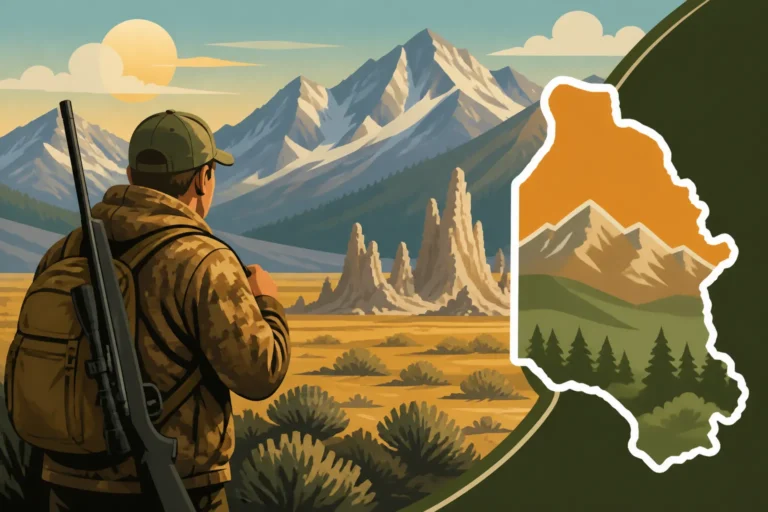
The California-Oregon border region isn't just one type of habitat; it's a tapestry woven from several distinct ecosystems. It's a place where the towering peaks of the Southern Cascades slowly give way to the sprawling, high-desert sagebrush of the Modoc Plateau, eventually transitioning into the dense timber of the Klamath Mountains. This incredible diversity is both a blessing and a curse for hunters, offering a wide array of game but demanding a flexible and knowledgeable approach. Forget everything you know about coastal blacktail or Central Valley waterfowl when you head this far north; this is a different beast entirely.
Diverse Terrain: From Cascades to Modoc Plateau
When you're looking at a map of California's northern reaches, particularly where it brushes up against Oregon, you're observing a dramatic shift in geology and ecology. To the west, you have the northern reaches of the Coast Ranges and the Klamath Mountains, characterized by steep, heavily timbered slopes, dense brush, and countless drainages. This is blacktail country, but a different kind of blacktail than you might find closer to the coast – often larger, more elusive, and living in true wilderness. As you move eastward, the landscape transforms, giving way to the volcanic features of the Cascade Range. Here, you'll find higher elevations, alpine meadows, and vast stretches of conifer forest. This is where you start encountering the interface between blacktail and mule deer, often leading to hybrid animals that carry traits of both.
Further east, the terrain opens up dramatically onto the Modoc Plateau, a high-desert environment that feels more like eastern Oregon or Nevada than traditional California. This arid, sagebrush-dotted landscape is home to true Rocky Mountain mule deer and, historically, has been a stronghold for pronghorn. Elevations here are still significant, but the cover is sparse, demanding long-range glassing techniques and a different kind of patience. Understanding these distinct micro-regions is absolutely critical to planning your hunt. A strategy that works in the thick timber of the Klamath wouldn't last five minutes on the open Modoc. You need to scout diligently and be prepared for drastically different conditions within a relatively short drive. This region truly demands a hunter's respect for its varied and often unforgiving topography. You'll find yourself adjusting tactics, gear, and even your mental approach as you move from one side of the border zone to the other.
Weather Extremes and Microclimates
One of the biggest challenges in hunting the Oregon border region is the unpredictable and often extreme weather. This isn't the mild, predictable weather of the central coast. Here, you can experience all four seasons in a single day, particularly during early fall hunts. The Cascades and Klamath Mountains often receive significant rainfall and early snow in higher elevations. Imagine waking up to a crisp, clear morning, only for a whiteout blizzard to roll in by midday, dropping inches of snow and plummeting temperatures. This isn't uncommon. Hunters need to be prepared for everything from sweltering late-summer heat, especially in the high desert, to freezing rain and heavy snow.
The Modoc Plateau, while generally drier, experiences its own set of extremes. Summer and early fall days can be blistering hot, making hydration a constant battle, while nights can drop well below freezing. Wind is almost a constant companion, especially in the open sage, which can make long-range shooting a real challenge and magnify the perceived cold. These microclimates mean that packing appropriate layers is non-negotiable. Waterproof outerwear, insulated mid-layers, and good base layers are paramount. Always check the local forecast for the specific elevation and area you plan to hunt, but also be ready for it to be completely wrong. This is truly an area where over-preparing for weather is always the right call. A sudden storm can not only make hunting miserable but can turn a minor navigational error into a life-threatening situation.
The Influence of Private Timber Lands
A significant portion of the land along California's northern border, particularly in the western and central sections, is owned by private timber companies. These vast tracts of commercial forest land can be a double-edged sword for hunters. On one hand, they often create fantastic habitat through logging practices, opening up areas for browse and creating dense new growth for cover. Deer and bear often thrive in these disturbed environments, moving between clear-cuts and thicker stands. However, public access to these lands can be complicated, ranging from open access to strictly controlled gates, seasonal closures, or even completely locked-up properties.
Many of these timber companies have complex rules regarding access, sometimes requiring permits, charging fees, or simply denying entry entirely. It’s absolutely critical to do your homework well in advance if you plan to hunt these areas. Don't assume that because it looks like a forest, you can hunt it. Utilizing tools like onX Hunt can be invaluable here, as they often display private land boundaries and ownership information, helping you avoid accidental trespass. Even with good maps, verify access rules directly with timber companies or local land management offices. Trespassing, even accidentally, can lead to hefty fines and loss of hunting privileges, and it creates a bad reputation for all hunters. Navigating these private timber holdings effectively often means focusing on the public land interfaces, where animals move between the two, or seeking specific permission if the opportunity arises.
Key Public Hunting Opportunities Along the Border
Despite the challenges of private land and remote access, the California-Oregon border region boasts some truly incredible public hunting opportunities. Hunters willing to put in the effort to research, scout, and hike will find vast expanses of wild country teeming with game. These public lands are the backbone of hunting in this part of the state, offering everything from trophy potential to simply a chance to escape into true wilderness. Understanding where these opportunities lie and how to access them is the first step towards a successful hunt.
National Forests and Their Access Points
California's northern border is home to several sprawling National Forests that offer extensive public hunting grounds. The Modoc National Forest, Klamath National Forest, and Shasta-Trinity National Forest cover millions of acres, providing diverse habitats for deer, bear, and elk. These forests are often characterized by a mix of mature timber, brushy clear-cuts, high-elevation meadows, and rugged canyons. Access to these areas typically involves Forest Service roads, some well-maintained, others requiring high-clearance 4×4 vehicles. During hunting season, these roads can become extremely busy, so prepare for company, especially on opening weekends.
Many hunters find success by getting away from the main roads and hiking into the deeper wilderness areas. Hunting California's Sierra Nevada High Country applies in many ways to these northern mountain ranges, where effort often correlates directly with success. While popular spots exist, the sheer size of these forests means that determined hunters can always find solitude. Look for areas with diverse terrain, such as edges where timber meets open country, or north-facing slopes that hold moisture and offer cooler bedding areas. Always be aware of potential fire restrictions, road closures, and specific wilderness area regulations that might limit vehicle access or camping. Respecting these rules is crucial for preserving access for future generations.
BLM Land: The Vast, Open Spaces
East of the forested mountains, the Bureau of Land Management (BLM) administers vast tracts of public land, particularly on the Modoc Plateau. This is classic high-desert country, characterized by sagebrush flats, juniper stands, volcanic formations, and intermittent rimrock canyons. Mule deer are the primary draw here, but wild pigs, coyotes, and various upland birds also call these areas home. BLM lands often feel much more remote and less developed than National Forests, with fewer maintained roads and services. This appeals to hunters seeking a true backcountry experience, but it also means being entirely self-sufficient.
Hunting BLM land often involves extensive glassing across huge expanses, utilizing the sparse cover to make slow, methodical stalks. Water sources, even seasonal seeps or cattle tanks, can be magnets for game in this arid environment. Scouting beforehand, whether in person or by e-scouting with tools like GoHunt, is paramount to understanding the lay of the land and identifying potential game corridors. Road access on BLM can be tricky, with two-tracks that fade into nothing or become impassable after a rain. Always carry extra fuel, water, and recovery gear. Cell service is often non-existent, so a satellite communicator is a wise investment. The reward for this effort can be incredible, offering hunts reminiscent of the Old West, with expansive views and truly wild animals.
Wildlife Areas and Ecological Reserves
While less extensive than the National Forests or BLM lands, California also manages a number of Wildlife Areas and Ecological Reserves near the Oregon border. These areas are specifically managed for wildlife habitat and public access, often providing crucial winter range for deer, waterfowl habitat, or unique opportunities for specific species. Some examples might include portions of the Surprise Valley Wildlife Area or various state-managed waterfowl refuges. These areas are typically smaller and have more restrictive rules regarding hunting methods, seasons, and access, but they can offer very high-quality hunting in concentrated areas.
For waterfowl hunters, particularly, these managed areas can be prime locations. Look into units like the Lower Klamath National Wildlife Refuge, a federal area with specific hunting seasons and regulations that often tie into the state's waterfowl seasons. These refuges and state wildlife areas are typically draw-only or first-come, first-served for blinds or entry, requiring advance planning and often an early start. Researching specific regulations for each area is vital, as they can differ greatly even from adjacent public lands. While you might not find the vast, sprawling backcountry experience of a National Forest, these smaller, managed areas can offer incredible opportunities for specific species and are often easier to navigate for day hunts.
Navigating Species and Seasons in the Northernmost Zones
Hunting near the Oregon border isn't just about deer, though they are certainly a primary draw. The diverse habitats support a wide array of game species, each with its own specific season, regulations, and preferred terrain. Understanding these nuances is crucial for planning a successful hunt. From hybrid deer to elusive elk and abundant waterfowl, this region offers a full spectrum of opportunities for the dedicated hunter. The California's Multi-Zone Deer Season System can be particularly complex in this area, where X-zones meet D-zones and special draws dictate access.
Mule Deer and Blacktail Hybrids
The deer hunting in California's northern border region is truly unique. To the west, in the dense timber of the Klamath, you're primarily pursuing Columbia Blacktail deer. These are often larger-bodied than their coastal cousins, adapted to the more rugged, snowy mountains. As you move eastward into the Cascades and onto the Modoc Plateau, the dominant subspecies transitions to California Mule Deer, known for their larger antlers and preference for more open, high-country environments. However, in the vast overlapping territories between these two ranges, particularly in the northern D-zones and some X-zones, you'll encounter hybrid deer. These animals display characteristics of both blacktail and mule deer, often with a mix of antler configurations, ear size, and body morphology.
Hunting these deer requires adaptability. For pure blacktail in the dense woods, still-hunting and tracking might be effective. For mule deer in open country, Glassing Mule Deer in Open California Country from high vantage points is often the most productive strategy. Hybrid zones mean being prepared for both, sometimes in the same day. Many of the most sought-after deer tags in this region are for the premium X-zones, which require success in The California Big Game Drawing Explained. These tags offer limited entry and a higher chance at mature bucks but come with notoriously tough draw odds. However, there are also some D-zones that are over-the-counter or easier to draw, providing more general opportunities, albeit often with more pressure. Always check the specific zone regulations for your tag, as season dates and legal deer definitions can vary significantly.
Elk and Bear Opportunities
Beyond deer, the California-Oregon border region offers some of the state's best opportunities for elk and black bear. For elk, the northeastern corner of California is home to Rocky Mountain Elk, which are the largest of the state's three subspecies. These majestic animals range in the higher elevations and can be incredibly challenging to hunt. Tags for Rocky Mountain Elk are extremely limited and highly coveted, requiring success in the state's big game drawing. If you're considering this pursuit, research is key, especially on how to apply for a Applying for a Rocky Mountain Elk Tag Near Oregon and understanding the minuscule draw odds. These hunts often take place in vast, remote wilderness areas, demanding exceptional fitness and backcountry hunting skills.
Black bears are also common throughout the forested regions near the border, from the Klamath to the Cascades and Modoc National Forests. California offers both an archery-only season and a general season for bear, but with a statewide quota that can close the season early if met. Black Bear Hunting California's Spot-and-Stalk Season is a popular method, often focusing on areas with berry patches, acorn crops, or recent clear-cuts where bears feed heavily. While the state's bear population is robust, finding an ethical shot and recovering an animal in rugged terrain requires careful planning. Make sure you understand the California's 1,700-Bear Statewide Quota and check the CDFW website frequently during the season to see if it's still open. As with deer, non-lead ammunition is mandatory for all hunting in California, which is especially critical when selecting appropriate calibers and bullets for larger game like elk and bear.
Waterfowl and Upland Bird Prospects
While much of California's renowned waterfowl hunting occurs in the Central Valley, the northern border region, particularly the Klamath Basin, is a significant part of the Pacific Flyway. This area hosts massive numbers of ducks and geese during migration, especially in the managed refuges and agricultural lands adjacent to the border. Species like mallards, pintails, geese, and various diving ducks utilize these wetlands and fields. Waterfowl Hunting California's Central Valley tactics can often translate to this northern basin, though the specific habitats and hunting pressure might differ. Hunters often utilize layout blinds in cut grain fields or set decoy spreads on ponds and managed wetlands.
For upland birds, the diversity of habitat means opportunities for several species. California Valley Quail are common in the brushy foothills and riparian zones. Mountain Quail, a larger and more elusive species, inhabit the higher elevations of the timbered mountains. In the sagebrush country of the Modoc, you might find opportunities for various grouse species, though often in scattered numbers. Wild turkeys, particularly Rio Grandes, have also established populations in the oak woodlands and riparian corridors throughout the region. Upland bird hunting typically involves covering a lot of ground, often with a good bird dog, and paying close attention to habitat transitions. Always verify specific season dates and bag limits for each species in the zones you plan to hunt, as they can vary annually.
| Species | Primary Habitat | Common Hunting Methods | Season General Timing | Tag Type |
|---|---|---|---|---|
| Mule Deer | High desert, open timber, sagebrush flats | Glassing, spot-and-stalk | Late August – Early November | Draw (X-zones) / OTC (D-zones) |
| Blacktail Deer | Dense timber, brushy slopes, river drainages | Still-hunting, tracking | August – October | Draw (X-zones) / OTC (D-zones) |
| Rocky Mountain Elk | High elevation timber, alpine meadows | Spot-and-stalk, calling | Late Summer – Fall (very limited) | Draw Only (Extremely limited) |
| Black Bear | Conifer forests, clear-cuts, berry patches | Spot-and-stalk, still-hunting | Archery (Aug), General (Aug-Dec or quota) | OTC |
| Waterfowl | Wetlands, flooded fields, refuges | Decoys, blinds, jump-shooting | Fall – Winter | Federal & State Stamps + License |
| Upland Birds | Brush, oak woodlands, sagebrush, timber | Dog work, flushing | Fall | Upland Bird Stamp + License |
Essential Gear and Planning for Border Region Hunts
Hunting near the Oregon border isn't just a physical challenge; it's a gear challenge. The varied terrain, extreme weather, and remote nature of many hunting areas demand a thoughtful approach to what you bring. Skimping on essential gear here isn't just uncomfortable; it can be dangerous. Proper planning, from your clothing layers to your navigation tools, is paramount to ensuring both your safety and your success in this rugged environment.
Clothing and Footwear for Mountain and High Desert
Layering is the golden rule for hunting in California's northern border region. You'll likely experience cold mornings, warm afternoons, and potentially freezing evenings, all within a single hunt. Start with a good moisture-wicking base layer to manage sweat, which can quickly lead to hypothermia in cooler temperatures. Add insulating mid-layers, such as fleece or puffy jackets, that can be easily shed or added as temperatures fluctuate. Your outer shell should be waterproof and windproof to protect against sudden rain, snow, or the relentless high-desert winds. Quiet fabrics are essential for stalking in close quarters, whether in dense timber or open sage.
Footwear is equally critical. For the steep, often rocky terrain of the Klamath and Cascade mountains, a sturdy, ankle-supporting boot with a stiff sole and good traction is necessary. Waterproofing is non-negotiable, as you'll likely encounter wet conditions, dewy mornings, or creek crossings. For the more open, drier terrain of the Modoc Plateau, a lighter, breathable desert boot might be appropriate, but still prioritize ankle support for uneven ground. Break in your boots long before the hunt to avoid blisters, which can quickly ruin a backcountry trip. Bring multiple pairs of high-quality merino wool socks to keep your feet dry and comfortable, changing them daily if possible. Remember, your feet are your most important asset in this kind of country.
Optics for Expansive Views and Timber
The diverse landscape of the border region demands a versatile optics setup. For open country, particularly on the Modoc Plateau or glassing high-country basins, a good pair of 10×42 or 12×50 binoculars is essential. You'll spend hours behind them, picking apart distant hillsides for the telltale flick of an ear or a patch of hide. Consider adding a spotting scope (15-45x or 20-60x) for evaluating distant animals once located, saving countless miles of walking for a closer look at a branch or antler tine. A sturdy tripod for both your binoculars and spotting scope is crucial for minimizing fatigue and maximizing stability during long glassing sessions. Optics for California's Open-Country Deer Hunting are a must-have here.
In the denser timber of the Klamath and Shasta-Trinity National Forests, powerful binoculars are still useful for glassing clear-cuts and distant openings, but you'll also benefit from a rangefinder. Shots in timber can often be at surprisingly close ranges but require precise distance measurement to avoid obstacles and make clean shots. In these tighter quarters, a lower magnification riflescope (e.g., 2-10x or 3-9x) with a wide field of view can be more effective than a high-power scope, allowing for quick target acquisition. Always practice with your optics in varying light conditions and ranges before your hunt, ensuring you're comfortable and efficient with them.
Navigation and Safety Essentials
Remote hunting areas along the Oregon border mean that reliable navigation and safety gear are absolutely non-negotiable. While cell service might occasionally pop up near small towns, it's largely absent in the vast public lands. A dedicated GPS unit or a reliable mapping app on your phone (like onX Hunt or Gaia GPS) with downloaded offline maps is essential. Don't rely solely on your phone; bring a power bank and ideally a physical map and compass as a backup, and know how to use them. Mark your vehicle, camp, and any significant landmarks or game sign.
Beyond navigation, a comprehensive first-aid kit, whistle, fire-starting tools, emergency shelter (even a lightweight tarp or space blanket), and adequate food and water are critical. A water filter or purification tablets can be a lifesaver if you find yourself needing to resupply from natural sources. Due to the presence of large predators like bears and mountain lions, carrying bear spray is a wise precaution, especially if you're alone or in dense cover. A satellite communicator (like a Garmin inReach or Zoleo) allows you to send and receive messages, check weather, and trigger an SOS in an emergency, even without cell service. This piece of gear is perhaps the most important safety item for remote, off-grid hunts and allows peace of mind for both you and your loved ones back home. Consider it mandatory for any serious venture into the border country.
Leveraging Technology for Success in Remote Border Areas
The vast, wild lands bordering Oregon can feel overwhelming, but modern technology offers hunters powerful tools to plan, execute, and stay safe on their hunts. From detailed mapping applications to e-scouting resources, leveraging these innovations can significantly increase your chances of success and make your time afield more efficient and enjoyable. The key isn't just having the tech, but knowing how to use it effectively to unlock the secrets of this remote landscape.
Mapping Applications for Land Ownership and Access
In an area with a complex mosaic of private timber lands, National Forests, and BLM tracts, understanding land ownership is paramount. This is where robust mapping applications truly shine. Tools like onX Hunt or Basemaps are indispensable, providing detailed satellite imagery, topographic maps, and crucially, property boundaries clearly marked with private and public ownership. You can easily see Forest Service, BLM, state, and private parcels, helping you identify accessible hunting grounds and avoid accidental trespass, which can happen all too easily in these remote areas.
These apps also allow you to mark waypoints for gates, water sources, game sign, or potential ambush points. You can track your movements, measure distances, and even identify subtle terrain features that might funnel game. Before heading out, download offline maps for your hunting area, as cell service will be sporadic at best. This way, even without a signal, you'll have full access to all your maps and waypoints. Familiarize yourself thoroughly with the app's functions, practice marking points, and understand the various map layers available. Knowing exactly where you are and what land surrounds you provides a huge tactical advantage and significantly enhances safety, especially when venturing deep into unfamiliar territory. Using an App for California BLM Land Status is a game-changer here.
Scouting and E-Scouting Strategies
The sheer size of the California-Oregon border region makes traditional on-the-ground scouting a monumental task. This is where e-scouting becomes incredibly powerful. Using satellite imagery and topographic maps from services like GoHunt or similar mapping applications, you can identify potential hunting areas from the comfort of your home. Look for natural funnels, saddles, benches, recent clear-cuts, old logging roads, and water sources that might attract game. Pay attention to vegetation changes that indicate different habitats, and analyze sun exposure for bedding areas. E-scouting allows you to narrow down vast landscapes to manageable, promising sections, making your limited physical scouting time much more efficient.
However, e-scouting is not a replacement for boots on the ground. Once you've identified promising areas, a physical scouting trip, even a short one, is invaluable. Verify access points, look for fresh sign (tracks, rubs, scat), and assess the current habitat conditions. A "promising" clear-cut on a satellite image might be so overgrown you can't walk through it, or a seasonal water source might be bone dry. Combining thorough e-scouting with strategic on-the-ground verification is the most effective approach for learning a new hunting area in this vast region. It helps you prioritize your efforts, making sure you spend your precious hunting days in the most productive spots rather than wandering aimlessly.
Communication in Out-of-Service Areas
As mentioned previously, cell phone service is often non-existent in the remote hunting grounds along the Oregon border. Relying on a cell phone for communication, navigation, or emergency services here is a dangerous gamble. This makes alternative communication methods absolutely essential. Satellite communicators, such as those from Garmin or Zoleo, are invaluable. These devices allow you to send and receive text messages with contacts via satellite, provide your GPS coordinates to loved ones, and, most importantly, trigger an SOS call to emergency services in a true crisis.
While not cheap, the peace of mind and safety provided by a satellite communicator far outweigh the cost, especially for solo hunters or those venturing deep into the backcountry. Always ensure your device is fully charged, and consider carrying a portable power bank to extend its battery life. Understand how to use its messaging features and, if applicable, its weather forecasting capabilities. For longer hunts, a small solar panel charger can be a useful addition. Having a reliable way to communicate, even if it's just to check in daily with family, significantly reduces risk and allows you to focus on the hunt, knowing that help is available if the unexpected happens.
Disclaimer
This article is for general informational purposes only and does not constitute professional advice. Laws, prices and regulations vary by location and change over time. Consult a qualified professional for guidance on your specific situation.