Siskiyou County Public Hunting Ground
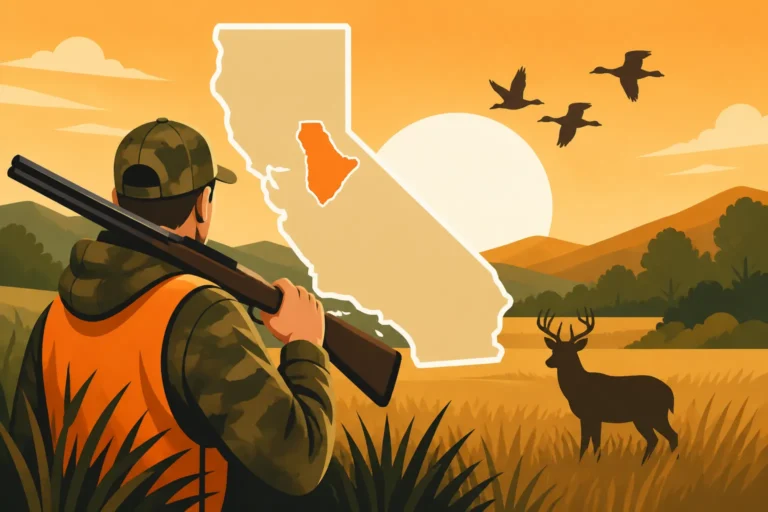
The vast public lands of Siskiyou County, stretching across Northern California, present an incredible opportunity for hunters, but their sheer size and diverse terrain can feel overwhelming for those just starting to explore. Many hunters struggle to identify productive areas, understand access rules, or navigate the complex blend of timbered mountains and open high-desert. This guide is designed to cut through that confusion, helping you unlock the potential of Siskiyou County's public hunting grounds, understand its unique challenges, and equip you with the knowledge to plan a successful hunt.
The Vastness of Siskiyou's National Forest Hunting Grounds
Siskiyou County is a hunter's paradise largely due to the immense tracts of national forest land that dominate its landscape. We're talking about millions of acres where you can roam, explore, and pursue a variety of game. These aren't just patches of trees; they are complex ecosystems with dense timber, steep canyons, high-elevation basins, and areas shaped by past wildfires, all contributing to a rich hunting experience.
Unlocking Opportunities in Klamath and Shasta-Trinity National Forests
A significant portion of Siskiyou County is covered by the Klamath National Forest and the northern reaches of the Shasta-Trinity National Forest. These areas are truly magnificent but demand a hunter's respect. Here, you'll find primarily Columbia Blacktail deer, with some hybrid zones where blacktail and mule deer genetic lines converge, especially as you head further east. These forests are classic X-zone country, meaning deer tags are highly coveted and awarded through California's Big Game Drawing. Pursuing a buck in these X-zones can be a life-long endeavor, often requiring years of preference points and dedicated scouting.
The terrain here is often characterized by thick stands of fir, pine, and cedar, interspersed with brushy clear-cuts from old logging operations and expansive burn scars from more recent wildfires. These burn scars, while initially devastating, often become magnets for deer and bear as new forage sprouts up in the years following a fire. Knowing how to Hunting a National Forest Burn Scar can be a game-changer. Still-hunting through the dense timber, moving slowly and deliberately, or finding a good vantage point to glass clear-cuts and ridge lines, are common and effective tactics. The elevation can vary dramatically, from river drainages to high mountain peaks, offering diverse habitats. Black bears are also plentiful throughout these forests, often found in berry patches during late summer and early fall, or foraging in oak stands. If you’re lucky enough to draw one of the coveted X-zone deer tags, you’ll likely be hunting deep in this rugged, beautiful country.
Navigating Access and Seasonal Restrictions
While the national forests offer vast public access, it’s not always a simple drive-up-and-hunt scenario. Access is predominantly via an extensive network of Forest Service roads. Some are well-maintained, gravel roads, while others are rough, unmaintained tracks requiring a high-clearance vehicle, or even best left to foot travel. Hunters often discover that the further they are willing to walk from a main road, the less hunting pressure they encounter. This willingness to hike into the backcountry often pays dividends in terms of game sightings. Understanding Vehicle Rules on California Public Land is paramount to avoid fines or damaging sensitive habitats.
Seasonal restrictions are a major factor, particularly in a region like Siskiyou that experiences heavy snowfall. Many high-elevation roads are gated and closed from late fall through late spring or early summer, making early-season archery hunts easier to access than late-season rifle hunts in some areas. Forest closures due to fire danger are also a recurring concern, especially during the hot, dry summer and early fall months. It's crucial to check with the local Forest Service district offices or the California Department of Fish and Wildlife (CDFW) website for current conditions and closures before heading out. This is where digital mapping tools like onX Hunt become invaluable. Their constantly updated layers can show road closures, land status, and even recent fire perimeters, saving you wasted trips and frustration. For hunters planning overnight excursions, it’s also wise to be aware of Camping Rules on California National Forest Land to ensure a legal and enjoyable stay.
Beyond the Timberline: BLM Lands and High-Desert Hunting
While the national forests define much of Siskiyou’s western and central hunting landscape, the eastern portions of the county reveal a different public land experience: the high-desert plains and rolling hills managed by the Bureau of Land Management (BLM). This is a stark contrast to the dense timber, offering its own unique hunting opportunities and challenges.
Eastern Siskiyou's BLM Terrain and Mule Deer Hotspots
Venturing into eastern Siskiyou County, you'll encounter a drier, more open landscape, often characterized by sagebrush flats, juniper woodlands, volcanic rock outcroppings, and expansive vistas. This is where you're more likely to find true mule deer, particularly in areas bordering Modoc County and the Oregon state line. These are often D-zones, though some X-zones extend into this terrain. The hunting experience here is less about still-hunting dense cover and more about long-range glassing. Identifying deer moving between bedding areas and water sources, or feeding in draws and along rimrocks, is key.
Water sources, often scarce in this arid environment, become critical focal points for wildlife. A small spring, a remote stock tank, or a riparian corridor along a seasonal creek can concentrate game. When Hunting a BLM Desert Wash for Deer, look for tracks and sign around these vital water points. Predator calling for coyotes and bobcats can also be highly effective in this open country, where visibility is good and sound carries far. If you're interested in honing those skills, exploring Predator Calling California's Mojave Desert Country can provide valuable insights, even though Siskiyou is further north, the principles of calling in open, arid environments often apply. The solitude on these BLM lands can be immense, offering a truly wild and challenging hunt away from the denser populations of other public land areas.
Other Public Lands: Wildlife Areas and Their Niche Hunts
Beyond the expansive national forests and BLM lands, Siskiyou County also features smaller, often highly managed, public hunting opportunities in the form of State Wildlife Areas and Ecological Reserves. These areas are typically smaller in acreage but can offer specialized hunting experiences, especially for waterfowl and upland game. For instance, some wildlife areas along the Tule Lake or Lower Klamath Basins, while technically just over the border in Modoc or even Oregon, influence migratory bird patterns that pass through Siskiyou. These areas might host specific draw hunts for ducks, geese, or upland birds like pheasant or quail.
It’s crucial to understand that these state-managed lands come with their own specific sets of rules and regulations, which can differ significantly from National Forest or BLM land. Many require special permits, pre-season registration, or have strict check-in/check-out procedures. Bag limits, shooting hours, and even legal weapon types can be more restrictive. Always consult the CDFW regulations for the specific Wildlife Area you plan to visit. For general information on how these areas operate, the guide to California Wildlife Areas and Ecological Reserves can be a useful starting point. While deer hunting is less common in these smaller reserves, they can offer fantastic opportunities for other species, like Quail Hunting California Foothill Chaparral, which can be found in some of the peripheral areas of Siskiyou's varied topography.
Strategies for Success: Scouting, Regulations, and Preparedness
Hunting in Siskiyou County, with its diverse and challenging public lands, requires more than just showing up with a rifle. Strategic planning, thorough scouting, and a solid understanding of the regulations are the cornerstones of a successful hunt.
Mastering Pre-Season Scouting with Digital Tools
The key to unlocking Siskiyou’s public hunting potential lies in effective scouting, and thankfully, modern digital tools have revolutionized this process. Apps like onX Hunt are indispensable for breaking down vast landscapes into manageable sections. You can layer public and private land boundaries, identify historical fire data which can pinpoint areas of new growth that attract game, and study topographic lines to find pinch points, saddles, and potential bedding areas. Satellite imagery allows you to visually identify different timber densities, clear-cuts, water sources, and access roads, all from the comfort of your home.
Beyond simply knowing where the public land is, these tools help you formulate a game plan. You can mark potential glassing knobs, water holes, and even escape routes for downed game. Another valuable resource for serious western hunters is GoHunt. While primarily known for its draw odds and application strategy, GoHunt often provides detailed unit analyses and harvest data that can help you understand the potential of a specific X-zone or D-zone in Siskiyou, guiding your efforts toward more productive areas. However, digital scouting is only half the battle. Nothing replaces boots-on-the-ground reconnaissance, but digital tools significantly narrow down where to focus that physical effort. For a deeper dive into effective preparation, consider consulting Scouting California Public Land Before Season and Reading Aerial Photos for Sierra Deer. These resources emphasize how critical these early efforts are.
Understanding Siskiyou's Specific Seasons and Regulations
Siskiyou County falls under multiple deer hunting zones, primarily X-zones (like X1, X2, X3, X4, X5A, X5B, X6) which are highly prized draw-only tags, and some D-zones that can sometimes be acquired over-the-counter or with fewer preference points, depending on the specific zone and year. Understanding California's Multi-Zone Deer Season System is critical here. The seasons vary greatly by zone, with some archery seasons opening as early as August and rifle seasons extending into November in certain areas. This means you need to precisely match your tag to the correct zone and season dates.
Bear hunting in Siskiyou is also popular, often overlapping with deer seasons. California operates on a statewide bear quota, so the season can close early if the quota is met. Staying informed about the quota's status is crucial for bear hunters. Learning about Black Bear Hunting California's Spot-and-Stalk Season will provide more in-depth information. Furthermore, California’s statewide non-lead ammunition requirement is particularly relevant in Siskiyou, given its vast wildlands and presence of protected species. All rifle, shotgun, and pistol ammunition used for hunting must be non-lead. This is not an optional suggestion; it's a mandatory rule. If you're wondering which specific rounds are approved, or need to brush up on this law, refer to California's Non-Lead Ammunition Requirement. While less common, Siskiyou County also lies within the range of Rocky Mountain Elk, particularly in its northern reaches closer to the Oregon border. Drawing a tag for these magnificent animals is incredibly difficult, often requiring many years of applications, but the dream keeps many hunters applying annually. If you're one of the determined few, you might find the insights from Applying for a Rocky Mountain Elk Tag Near Oregon to be particularly useful for navigating that complex draw process.
Here’s a quick overview of some key considerations for public land hunting in Siskiyou:
| Public Land Type | Typical Terrain | Primary Game | Key Considerations |
|---|---|---|---|
| National Forests (Klamath, Shasta-Trinity) | Dense timber, steep canyons, high-elevation basins, burn scars | Blacktail Deer (X-zones), Black Bear, some Rocky Mountain Elk | Rugged, vast, weather-dependent access, non-lead ammo is mandatory, good physical fitness required. |
| BLM Lands (Eastern Siskiyou) | Sagebrush, juniper, volcanic features, rolling hills, dry washes | Mule Deer, Coyotes, Small Game, occasional Pronghorn | Arid, less cover, water sources are critical, long-range visibility, 4×4 often useful for access. |
| State Wildlife Areas / Ecological Reserves | Specific habitats (wetlands, oak woodlands, grasslands) | Waterfowl, Upland Birds (Quail, Pheasant), sometimes Deer | Highly regulated, check-in requirements, specific hunt dates/rules, consult CDFW. |
Siskiyou County truly embodies the wild spirit of California hunting. It’s a place that rewards dedication, preparation, and a willingness to explore. The challenges are real—rugged terrain, variable weather, and complex regulations—but so are the rewards: incredible scenery, abundant wildlife, and the deep satisfaction of a hard-earned hunt on vast public lands. Equip yourself with knowledge, prepare physically, and utilize modern tools, and you’ll be well on your way to an unforgettable experience in California’s northern frontier.
Disclaimer
This article is for general informational purposes only and does not constitute professional advice. Laws, prices and regulations vary by location and change over time. Consult a qualified professional for guidance on your specific situation.