Placer County Public Hunting Access
Placer County can feel like a real puzzle for hunters trying to pinpoint accessible public land, often overshadowed by its thriving communities and vast stretches of private ranches. It's a common frustration, especially when you know the potential for deer, turkey, and even bear exists. This guide is here to help you unravel the complexities of finding public hunting access in this beautiful, yet sometimes challenging, region of California.
Understanding Placer County's Unique Hunting Landscape
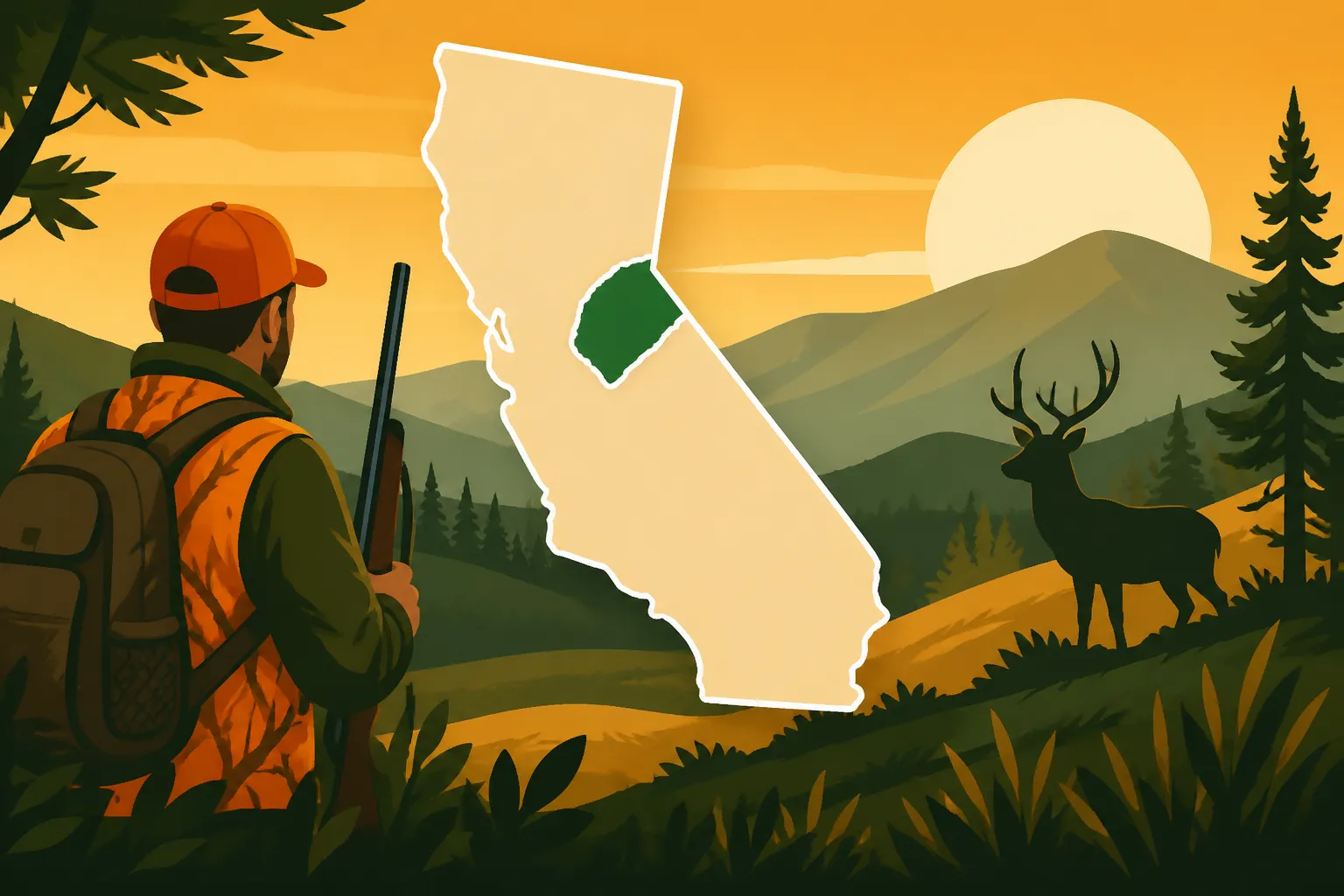
Placer County is a land of fascinating contrasts, stretching from the Sacramento Valley floor, through the rolling oak foothills, and up into the rugged peaks of the Sierra Nevada. This diverse geography means a diverse range of hunting opportunities, but it also creates a complex mosaic of private and public land ownership that can be tricky to navigate. Many hunters, especially those new to the area, often feel overwhelmed by how quickly prime-looking ground turns out to be private, making the search for legal access paramount.
The Mix of Private and Public Land
One of the biggest hurdles for hunters in Placer County is the checkerboard nature of land ownership. As you move eastward from the valley, the landscape transitions from heavily agricultural and residential areas, almost exclusively private, into the foothill country. Here, large ranches dominate, interspersed with smaller private parcels and increasingly, fragmented pieces of public land. It’s not uncommon to find a promising looking oak flat that's surrounded on all sides by "No Trespassing" signs. This can be incredibly disheartening when you're just trying to find a place to put boots on the ground. Understanding this blend is critical, as blindly venturing onto what looks like open country can quickly lead to an unpleasant encounter with a landowner or worse, a citation. The trick is knowing where those public islands truly exist and how to get to them without infringing on private property.
Game Species and Prime Habitat
Despite the access challenges, Placer County offers a rich variety of game for the diligent hunter. The foothills and lower elevations are home to a healthy population of Columbia Blacktail deer, wild pigs, and abundant wild turkeys. As you climb into the higher elevations of the Sierra Nevada, particularly within the vast expanses of the Tahoe National Forest, you'll find a mix of Blacktail and even some Mule Deer, along with black bear and various small game species like grouse and quail. Each species thrives in specific habitats within the county. For instance, the oak woodlands of the mid-elevations are turkey heaven, while the dense timber and brushy clear-cuts higher up are prime deer and bear country. California Turkey Population by Region can give you a good overview of where these birds tend to congregate. A successful hunt often hinges on matching your target species with the appropriate habitat and then, of course, finding legal access to that habitat.
Navigating Deer Zones and Tag Systems
Placer County falls predominantly within California’s D6 and D3-5 deer hunting zones, with some overlap into the A-Zone in the westernmost parts and even X-zones at the highest elevations. This multi-zone system means different season dates, varying tag availability, and unique management strategies that you need to be aware of. For instance, many of the D-zones in Placer County are general season tags that can be obtained over-the-counter or through the lottery, whereas the X-zones are almost exclusively draw-only, requiring a successful application in the annual Big Game Drawing. Understanding Hunting a Staggered D-Zone Subunit is key, as some of these zones have different opening and closing dates depending on the specific subunit. It's a system that can be confusing, but a thorough review of the current regulations published by the California Department of Fish and Wildlife (CDFW) is non-negotiable before planning any deer hunt here.
Key Public Land Opportunities in Placer County
While private land might feel dominant, Placer County does boast significant public hunting opportunities, primarily within the national forest system. Knowing where these vast tracts are, and how to effectively use them, is your golden ticket to successful hunts.
Tahoe National Forest Access
The crown jewel of public land in Placer County, by far, is the Tahoe National Forest. Covering hundreds of thousands of acres that stretch across the eastern half of the county and beyond, this expansive federal land offers some of California's most pristine and challenging hunting. This is where you can truly experience Hunting California's Sierra Nevada Backcountry. Much of the western slopes of the Tahoe National Forest, accessible from various points off Highway 80 and the Foresthill Divide Road, provides opportunities for deer, bear, and turkey.
- Terrain and Habitat: Expect steep canyons, dense coniferous forests, mixed conifer and oak woodlands in the mid-elevations, and high alpine ridges. This rugged country demands physical fitness and proper gear. Deer often utilize the dense brush fields and timber pockets for bedding, moving to clear-cuts and natural openings for feeding. Bears frequent berry patches and areas with abundant acorns, particularly in late summer and fall.
- Access Points and Roads: While vast, the Tahoe National Forest has a network of Forest Service roads, some paved, many dirt, that provide access. However, many of these roads are seasonal, closing due to snow in winter and sometimes to reduce pressure on game during hunting season. Always check the current road status with the local Forest Service office before you head out. Getting off the beaten path, often by hiking several miles from a main road, is usually key to finding less pressured animals.
- Hunting Opportunities: This area is prime for spot-and-stalk hunting for deer and bear, and calling turkeys in the spring. Glassing steep canyon faces for bedded bucks, especially in the early mornings and late evenings, can be incredibly productive. Remember to study Wind and Thermals in Steep Sierra Country as they play a huge role in how game moves and how your scent carries in this terrain.
BLM Lands and State Wildlife Areas
Beyond the towering forests of the Tahoe National Forest, Placer County also contains smaller, more scattered parcels of Bureau of Land Management (BLM) land. These can be trickier to locate and access, often existing as isolated blocks amidst private property. However, for the persistent hunter, these areas can occasionally yield good hunting, particularly for deer, pigs, and coyotes, especially in the more arid foothill regions.
- Finding BLM Parcels: The key to finding these often-overlooked spots is utilizing robust mapping tools (which we’ll get to shortly). These parcels rarely have designated parking areas or clear signs, so precise navigation is essential. Expect a more open, oak woodland or chaparral environment compared to the dense national forest.
- State Wildlife Areas (SWAs): While Placer County isn't known for expansive SWAs like some other parts of California, smaller state-managed parcels or ecological reserves may exist. These areas often have very specific regulations, including limited entry permits or special season dates, so always check the CDFW regulations directly for any specific site. These are often geared more towards waterfowl or upland birds rather than big game, but it's worth checking if you're targeting small game.
Other Potential Public Access Points
Sometimes, public hunting access in Placer County comes in less obvious forms. These might include utility corridors, specific county lands, or areas where public access easements have been granted. These are usually much smaller and may not hold the same quantity of game as a national forest, but they can be excellent for small game, doves, or even a chance at a deer if you're willing to do your homework and scout thoroughly. The important thing is never to assume; always verify land ownership and access rules before you venture out. Even if a spot looks promising, confirm it’s legal to hunt there.
Strategies and Tools for Successful Placer County Hunts
Finding public land is one thing, but knowing how to effectively use it and maximize your chances of success is another. It requires a blend of modern technology and old-school scouting savvy.
Leveraging Mapping Applications
In today's hunting world, mapping applications are not just helpful; they are absolutely essential, especially when dealing with the complex land ownership patterns of Placer County. Tools like onX Hunt and GoHunt have revolutionized how hunters approach public land.
- Understanding Property Boundaries: The most critical feature of these apps is their ability to display property lines and clearly differentiate public from private land. With a glance at your phone, you can see exactly where you are and what land is accessible. This is invaluable in areas where public and private parcels are intermingled, preventing accidental trespassing and helping you identify hidden pockets of public ground. I've personally seen hunters turn around at what they thought was a dead-end road, only to realize later with
onX Huntthat a sliver of public land was just around the bend. - Identifying Access Routes and Features: These apps also provide detailed topographic maps, showing elevation changes, water sources, roads, trails, and even historical satellite imagery. You can use these features to plan your approach, identify potential bedding and feeding areas, and locate natural funnels or pinch points where game might travel. For example, Reading Aerial Photos for Sierra Deer is a skill greatly enhanced by the high-resolution satellite views offered by these platforms, allowing you to pick out subtle terrain features that might hold a buck.
- Offline Capability: Many areas of Placer County, especially in the higher elevations, have little to no cell service. Make sure your chosen app allows you to download maps for offline use. This way, you'll still have your vital navigation tools even when you're deep in the backcountry.
Scouting and E-Scouting Techniques
While mapping apps get you started, nothing beats actual boots-on-the-ground scouting, supplemented by "e-scouting" from your computer.
- E-Scouting from Home: Before you even leave the house, spend time virtually exploring potential areas. Use your mapping app to identify likely terrain features: south-facing slopes that get early sun, dense north-facing timber for bedding, saddles between ridges, and water sources. Look for burn scars, which can provide fresh forage and attract deer and bear. Pin potential spots, and mark possible access routes.
- Ground Scouting: Once you've identified promising areas, hit the field well before the season. Look for fresh tracks, droppings, rubs, scrapes, and bedding areas. Pay attention to game trails and how they relate to cover, food, and water. During pre-season scouting, you can learn about seasonal changes that aren't apparent on a map, such as water availability or specific food sources coming into season. Scouting California Public Land Before Season is not just a good idea, it's a necessary step for success. Take note of pressure, too—if you see a lot of other hunters or evidence of heavy foot traffic, you might need to hike further to find undisturbed game.
- Using Optics for Distant Scouting: When dealing with Placer County’s steep, open country, a good pair of binoculars or a spotting scope is indispensable. Find a high vantage point and systematically glass distant slopes and canyons. Glassing a Canyon for a Bedded Buck can save you miles of walking by allowing you to locate animals from afar, confirming their presence and planning a stalk.
Securing Private Land Access as a Supplement
While the focus here is public land, it's worth acknowledging that private land can provide additional hunting opportunities in Placer County, especially in the more populated western and central parts of the county. Even if you don't secure a full-fledged lease, sometimes a simple conversation can open doors.
- Knocking on Doors: For small game, pigs, or even a chance at a deer, consider Knocking on Doors in California Ranch Country. Be polite, presentable, and offer to share your harvest. Many landowners are dealing with wild pig damage and might welcome responsible hunters. Always have a written permission slip ready for them to sign, outlining the terms of your access.
- Hunting Clubs and Leases: In areas with significant private land, joining a local hunting club or securing a hunting lease might be an option, though these can be costly and competitive. These opportunities typically provide consistent access to managed land, often with better success rates due to less pressure and focused habitat work.
Important Considerations and Regulations for Placer County Hunters
Hunting in California, and specifically in Placer County, comes with a set of crucial regulations and ethical considerations you must adhere to. Ignoring these can lead to fines, loss of hunting privileges, or even dangerous situations.
California's Non-Lead Ammunition Mandate
This is perhaps the single most important regulation for all hunters in California: the statewide ban on lead ammunition for all hunting. This means if you're hunting deer, bear, pigs, turkeys, or even small game with a rifle or shotgun, you must use non-lead projectiles. This law is driven by conservation efforts, particularly to protect the California Condor and other scavengers from lead poisoning.
- Compliance is Mandatory: There are no exceptions for Placer County. Before you head out, ensure your ammunition is certified non-lead. Choosing Non-Lead Rifle Ammunition in California offers detailed guidance on selecting appropriate loads.
- Ballistics and Accuracy: If you're switching from lead to non-lead, it's absolutely crucial to re-zero your rifle. Non-lead bullets, especially copper, often behave differently in terms of trajectory and point of impact compared to their lead counterparts. Spend time at the range to verify accuracy and practice with your hunting load.
Hunter Education and Licensing
Before you can even think about pulling a trigger in Placer County, you need to be properly licensed and, for most new hunters, certified in hunter education.
- Hunter Education: If you're a first-time hunter, you'll need to complete an approved hunter education course. This covers vital topics like firearm safety, ethical hunting practices, wildlife identification, and conservation principles. California Hunter Education Requirements outlines exactly what's needed.
- Licenses and Tags: Every hunter in California needs a valid hunting license. Additionally, specific tags or permits are required for particular species, such as deer, bear, and turkey. You can purchase these through the CDFW's online license sales system or at authorized license agents. Make sure you understand California Resident License Options and have all necessary endorsements, like the upland game bird validation if pursuing quail or grouse.
Respecting the Environment and Other Users
Placer County's public lands are shared resources, and hunters have a responsibility to be good stewards of the land and considerate of others.
- Leave No Trace: Practice Leave No Trace principles. Pack out everything you pack in, including spent shell casings, food wrappers, and anything else. Minimize your impact on the land.
- Fire Safety: Especially in the dry summer and fall, fire danger in Placer County can be extremely high. Be meticulously careful with any open flames, campfires, or off-road vehicles that could spark a blaze. Always check local fire restrictions.
- Sharing the Woods: Expect to encounter other users on public land: hikers, mountain bikers, dog walkers, and campers. Maintain a low profile, be polite, and always ensure your hunting activities are conducted safely and away from non-hunters. Understanding Hunting Pressure on California Public Land will help you choose less-traveled areas and times, minimizing conflicts.
Specific Placer County Rules
While statewide regulations apply, some localized rules might also be in effect.
- Seasonal Closures: Certain roads or areas within the Tahoe National Forest might have seasonal closures for wildlife management, fire safety, or to protect sensitive resources. Always check with the local Forest Service office or CDFW for current information.
- Firearm Discharge Setbacks: Be aware of local ordinances regarding firearm discharge setbacks from roads, dwellings, and developed areas. These vary and can be more restrictive than state law.
- Vehicle Access: Pay attention to signage regarding vehicle access on Forest Service roads. Some are open to all vehicles, others require 4×4, and many are closed to motorized travel entirely. Respect these rules to protect wildlife habitat and prevent damage to roads.
| Public Land Type | Primary Location in Placer County | Typical Game Species | General Access Challenges | Key Considerations |
|---|---|---|---|---|
| Tahoe National Forest | Eastern Placer, high elevations | Deer, Bear, Turkey, Grouse | Rugged terrain, seasonal road closures | Non-lead ammo, physical fitness, fire restrictions |
| BLM Land (scattered) | Central/Western foothills | Deer, Pigs, Coyotes | Fragmented, often landlocked by private | Verify boundaries with mapping apps, limited amenities |
| State Wildlife Areas/ER | Limited/Specific, often smaller parcels | Waterfowl, Upland Birds, small game | Highly regulated, specific permit requirements | Check CDFW for site-specific rules, access hours |
By understanding the landscape, utilizing modern tools, respecting regulations, and preparing thoroughly, you can unlock the fantastic public hunting opportunities that Placer County has to offer.
Disclaimer
This article is for general informational purposes only and does not constitute professional advice. Laws, prices and regulations vary by location and change over time. Consult a qualified professional for guidance on your specific situation.