Non-Lead Ammo Availability and Cost
It can feel incredibly frustrating to be a California hunter, knowing you have to switch to non-lead ammunition, only to then face a bewildering landscape of trying to find the right rounds and understanding what they might cost. It's not just about finding any ammo; it's about finding reliable, effective non-lead options that perform well for your specific hunt and don't break the bank. This guide aims to demystify the availability and cost of non-lead ammunition in California, helping you navigate the challenges and make informed choices.
Understanding the Non-Lead Mandate and Its Impact
California has led the nation in its transition to non-lead ammunition for hunting, a move driven by concerns for wildlife, particularly scavengers like the California condor. This mandate has fundamentally reshaped the ammunition market within the state, creating both challenges and opportunities for hunters. It's not just a suggestion; it's the law, impacting everything from your choice of rifle to your preferred hunting method.
The Rationale Behind California's Non-Lead Law
The primary driver for the non-lead ammunition requirement is wildlife conservation. Studies indicated that lead fragments from traditional ammunition, even small ones, could be ingested by scavenging animals like condors, eagles, and other birds of prey, leading to lead poisoning. These majestic birds often feed on animal carcasses, including those left by hunters in the field. To protect these species and promote a healthier ecosystem, the statewide ban on lead ammunition for hunting became fully effective. This wasn't a sudden decision; it was a phased-in approach that allowed hunters time to adapt, but the reality now is that all hunting in California requires non-lead projectiles. Understanding California's Condor-Driven Ammunition Law really helps put things into perspective.
This transition has understandably created a learning curve for many hunters, especially those who have relied on traditional lead-core bullets for decades. It's not just about switching brands; it often involves understanding new ballistic properties, different terminal performance, and even how your rifle might react to a new type of projectile. The goal, from a conservation standpoint, is a cleaner environment for wildlife, but for the hunter, it means a complete overhaul of their ammunition strategy.
What Constitutes Non-Lead Ammunition in California?
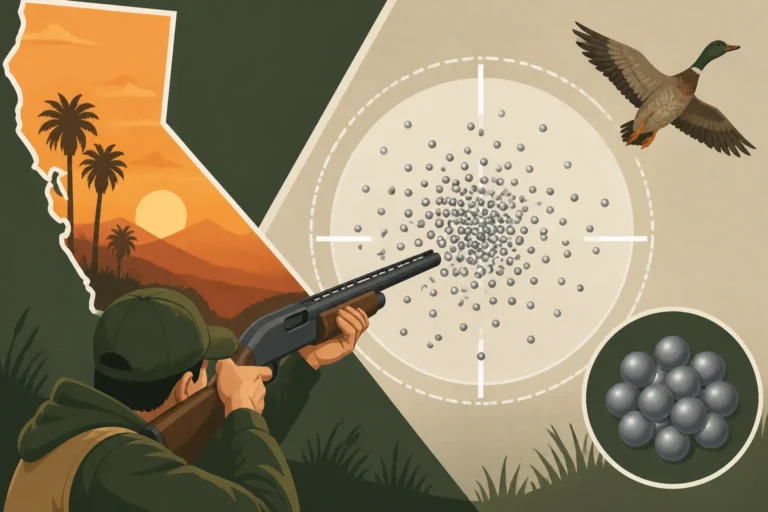
When we talk about "non-lead" ammunition in California, we're generally referring to projectiles made from materials like copper, copper alloys, or solid bismuth. These materials do not fragment like traditional lead-core bullets, significantly reducing the risk of lead poisoning for wildlife. For rifles, solid copper bullets are very common, offering excellent weight retention and deep penetration. For shotguns, steel shot is widely used for waterfowl, and bismuth or other heavy non-toxic alternatives are popular for upland birds where steel might not be preferred. Muzzleloader hunters also have specific non-lead bullet and sabot options that comply with the law. It's critical to ensure that any ammunition you purchase is specifically certified or designed to be non-lead compliant for hunting in California. Checking Which Non-Lead Bullets California Approves can save you a lot of headache.
It's not just the core material, but the entire projectile. For instance, some bullets might have a copper jacket but still contain a lead core; these are not considered non-lead under California law. The projectile must be entirely free of lead. This distinction is vital for hunters to remember when they're shopping, as simply seeing "copper jacket" on a box doesn't guarantee compliance. Always look for explicit labeling indicating "non-lead" or "lead-free" and confirm the projectile's material composition.
Availability Challenges for Non-Lead Ammunition
The shift to non-lead hasn't been without its bumps, and availability has consistently been a major concern for hunters. While the market has certainly matured since the initial rollout of the ban, finding your preferred caliber and bullet weight can still sometimes feel like a treasure hunt.
Geographic and Retailer-Specific Stocking Issues
One of the biggest hurdles is the uneven distribution of non-lead ammunition. If you live in a more rural area, away from larger sporting goods stores or population centers, you might find your local general store has a very limited selection, if any. They simply might not have the shelf space or the demand to stock a wide variety of non-lead options, especially for less common calibers or specialized hunts. This often forces hunters to travel considerable distances or rely solely on online purchases, which come with their own set of challenges like shipping restrictions and hazmat fees. This is where tools like GoHunt can sometimes come in handy for researching potential retailers or getting a feel for broader market trends, though direct stock checks are always best.
Even in larger stores, stock can be unpredictable. You might find a good selection one week, only to return the next to empty shelves in your desired caliber. This isn't necessarily unique to non-lead ammo, as ammunition in general has seen supply fluctuations. However, because non-lead represents a smaller, more specialized segment of the market, these fluctuations can feel more pronounced and frustrating. It means proactive shopping, often months before the season, becomes a necessity rather than a luxury.
Production Limitations and Supply Chain Dynamics
Manufacturing non-lead ammunition, particularly solid copper rifle bullets, can involve different processes and materials compared to traditional lead-core bullets. This can lead to different production capacities and sometimes slower production cycles. While major ammunition manufacturers have certainly invested in non-lead lines, they also cater to a national and international market where lead ammunition is still widely permitted. This means California's specific demand for only non-lead sometimes competes with broader production priorities.
Furthermore, the supply chain itself can introduce delays. Raw material availability (copper, bismuth), component manufacturing, and shipping logistics all play a role. If there's a hiccup at any point, it can lead to temporary shortages on store shelves. Hunters often feel the brunt of these issues directly, leading to anxiety about securing their ammunition well in advance of their hunts. It's a reminder that planning ahead and perhaps having a backup caliber or bullet choice can be a wise strategy.
The Cost Factor of Non-Lead Ammunition
Beyond availability, the cost of non-lead ammunition is another significant consideration for many California hunters. It's generally true that non-lead options tend to carry a higher price tag than their traditional lead-core counterparts, and understanding why can help manage expectations.
Why Non-Lead Ammunition Tends to Cost More
There are several contributing factors to the typically higher cost of non-lead ammunition. First, the raw materials themselves, such as pure copper or bismuth, can be more expensive than lead, which is a relatively cheap and abundant metal. The specialized manufacturing processes required to form these alternative materials into effective projectiles can also add to the production cost. For instance, solid copper bullets often require precision machining or complex forming processes to ensure consistent weight, balance, and ballistic performance, which might be more intricate than simply swaging a lead core into a jacket.
Secondly, the economies of scale are different. While non-lead ammunition production has increased, it still represents a smaller overall market share compared to traditional lead ammunition. This means manufacturers might not achieve the same cost efficiencies in raw material procurement or production runs, leading to a higher per-unit cost. The research and development that went into designing new projectile shapes and materials to perform reliably without lead also represents an investment that's factored into the final price.
Strategies for Managing Ammunition Costs
While non-lead ammunition may be pricier, there are strategies hunters can employ to manage these costs effectively. One of the most impactful is buying in bulk when you find a good deal or when your preferred round is in stock. This not only ensures you have enough ammunition for practice and hunting but can also sometimes result in a slight per-box discount. Another strategy is to keep an eye out for sales events, particularly before major hunting seasons or during holidays when retailers might offer promotions. Subscribing to email lists from your favorite ammunition brands or sporting goods stores can help you stay informed about these opportunities.
| Ammunition Type | Common Non-Lead Materials | Typical Hunting Application | General Cost Relative to Lead | Notes |
|---|---|---|---|---|
| Rifle Cartridges | Solid Copper, Copper Alloy | Big Game (Deer, Elk, Bear, Pig) | Higher | Excellent weight retention, deep penetration. |
| Shotgun Shells | Steel, Bismuth, Tungsten | Waterfowl, Upland Game | Higher (Bismuth/Tungsten) | Steel is cost-effective but lighter. Bismuth and tungsten are heavier but pricier. |
| Muzzleloader Bullets | Solid Copper, Copper Alloy | Big Game | Higher | Requires specific sabots/bore fit. |
| Handgun Cartridges | Solid Copper, Copper Alloy | Wild Pigs, Small Game, Sidearms | Higher | Less common for primary hunting in CA, but options exist. |
| Rimfire Ammunition | Copper-Plated Zinc/Tin | Small Game, Varmints | Often comparable, can be higher | Availability can be more sporadic. |
Reloading is another avenue for cost savings, but it's important to note that reloading non-lead bullets requires specific components and often different load data than lead. You'll need non-lead projectiles, and possibly different powders and primers to achieve optimal performance. If you're considering reloading, be sure to invest in the proper manuals and components specifically for non-lead. This also requires a significant upfront investment in reloading equipment, so it's a long-term strategy rather than an immediate fix for high ammo costs. For those interested, exploring Why Copper Bullets Cost More Than Lead can provide deeper insights.
Finding and Purchasing Non-Lead Ammunition
The quest for non-lead ammunition often involves more than just a quick trip to the nearest store. Hunters have had to become more resourceful and strategic in how and where they acquire their compliant rounds.
Best Practices for Sourcing Non-Lead Ammo
One of the most effective strategies is to start your search early, long before the season opener. Waiting until the last minute can lead to frustration and potentially being empty-handed. Keep an eye on online retailers known for stocking a wide variety of ammunition. Many major sporting goods stores also have robust online presences. Websites like those managed by GoHunt or similar hunting platforms sometimes offer forums or community discussions where hunters share information about local stock or online deals, which can be invaluable. Don't overlook smaller, independent gun shops; they might have unique inventory or be more willing to special order specific ammunition for you. Always call ahead to confirm stock before making a long drive.
When shopping online, be mindful of shipping regulations and potential hazmat fees. Ammunition typically cannot be shipped to a PO Box and often requires an adult signature upon delivery. Some states, including California, have additional restrictions on direct-to-consumer ammunition sales, often requiring it to be shipped to a licensed FFL (Federal Firearms Licensee) for pickup. Factor these potential extra steps and costs into your purchasing decision. Researching Ordering Non-Lead Ammo Online for California can clarify these requirements further.
Online Retailers vs. Local Gun Stores
Both online retailers and local gun stores offer advantages when it comes to purchasing non-lead ammunition. Online stores generally provide a wider selection, often listing calibers and bullet weights that smaller local shops simply can't stock. They also allow for easy price comparison, though you must factor in shipping costs and FFL transfer fees if applicable. The downside can be the wait time for shipping and the inability to physically inspect the product or ask immediate questions.
Local gun stores, on the other hand, offer the benefit of immediate purchase and personal advice. The staff can often provide insights into what performs well in your area or specific recommendations based on their experience. Building a relationship with a local gun store owner or manager can also be beneficial, as they might be able to inform you when new shipments arrive or even place a special order for you. It's a trade-off between selection/price (online) and convenience/personal service (local). Many hunters find a hybrid approach works best, using online resources to research and compare, then either buying online or taking that information to their local shop. Finding Non-Lead Ammo in Stock Before Season is a critical skill for any California hunter.
Key Non-Lead Ammunition Brands and Types
The market for non-lead ammunition has evolved significantly, with many manufacturers offering reliable and effective options across various calibers and projectile designs. Understanding the landscape of these brands and types can help you make an informed decision for your next hunt.
Popular Non-Lead Rifle Bullet Designs
For rifle hunting, solid copper bullets are perhaps the most common and well-regarded non-lead option. Brands like Barnes, with their TSX and TTSX (Tipped Triple-Shock X-Bullet) lines, are incredibly popular. These bullets are designed to expand reliably and retain nearly 100% of their weight, leading to deep penetration and consistent performance on game. Hornady offers their GMX and CX (Copper Monolithic Expanding) bullets, which also feature robust copper construction and consistent expansion. Federal Premium has their Trophy Copper line, and Nosler produces the E-Tip, another excellent monolithic copper bullet. These designs generally perform very well across a wide range of game animals, from deer and pigs to elk and bear. When you're choosing, you'll want to think about Choosing Non-Lead Rifle Ammunition in California based on your specific quarry.
Beyond these solid copper designs, some manufacturers experiment with copper alloys or other non-lead formulations. The key characteristic shared by all these compliant rifle bullets is their inability to fragment into tiny pieces, which is what posed the risk to scavengers. Hunters often find that non-lead bullets, particularly monolithic copper, retain more weight and penetrate deeper than comparable lead-core bullets, sometimes requiring a slight adjustment to shot placement or shot angle to account for this different terminal performance.
Non-Lead Shotgun and Muzzleloader Options
The non-lead requirement extends to shotgun and muzzleloader hunting as well, and thankfully, there are viable options for these disciplines. For shotgunners, steel shot has long been the standard for waterfowl hunting due to its non-toxic nature and affordability. However, for upland game or larger birds where steel might lack the density or range, bismuth shot has emerged as a fantastic alternative. Bismuth is denser than steel, performs more similarly to lead, and is safe for older shotguns. Tungsten-based shot is also available and offers even greater density but at a higher cost. Hunters need to consider their target species and shotgun capabilities when choosing.
Muzzleloader hunters also have specific non-lead bullets, often made from solid copper or copper alloys, encased in plastic sabots. These are designed to be loaded just like traditional muzzleloader projectiles but ensure compliance with the statewide ban. It's crucial for muzzleloader hunters to experiment with different non-lead bullet and sabot combinations to find what shoots accurately in their particular firearm. The performance characteristics of Non-Lead Sabot Choices for In-Line Muzzleloaders can vary, so testing is key. For those curious about the differences, a look into Steel Shot Versus Bismuth for Upland Birds can be quite enlightening.
The Future of Non-Lead Ammunition in California
The non-lead ammunition mandate is a permanent fixture in California hunting. As such, the market, technology, and hunter adaptation will continue to evolve. Understanding these ongoing developments can help hunters stay prepared and informed for future seasons.
Continued Innovation and Research
Ammunition manufacturers are not standing still. They are continually investing in research and development to improve non-lead bullet performance, increase manufacturing efficiency, and potentially explore new, cost-effective materials. We're likely to see further refinements in ballistic coefficients, terminal performance, and even a broader range of calibers and bullet weights becoming available in non-lead options. The goal is to make non-lead ammunition as accessible and effective as possible, mitigating some of the initial frustrations hunters faced. This innovation is a direct response to market demand and regulatory requirements, driving companies to push the boundaries of projectile design.
Furthermore, ongoing field research and testing by wildlife agencies and independent organizations will continue to provide data on the effectiveness of non-lead ammunition in protecting wildlife and its performance on game. This feedback loop helps guide manufacturers in their development and ensures that the regulatory framework remains sound and effective. The learning curve for both manufacturers and hunters is still progressing, leading to better products and more informed users.
Hunter Adaptation and Long-Term Outlook
California hunters have largely adapted to the non-lead requirement, incorporating it into their pre-season planning and equipment choices. The long-term outlook suggests that non-lead ammunition will simply become the "norm" for hunting in the state, much like steel shot became the norm for waterfowl hunting decades ago. New hunters entering the sport will likely start directly with non-lead options, avoiding the transition period that many veteran hunters experienced. This widespread adoption will hopefully lead to more stable availability and potentially more competitive pricing as production scales up and processes become even more streamlined.
As hunters gain more experience with non-lead ammunition, their confidence in its performance will grow. Many seasoned hunters have already reported excellent results with modern copper bullets, finding them to be extremely effective on game. While the initial change was daunting for some, the commitment to responsible hunting and wildlife conservation has seen the community embrace these new standards. Using resources like GoHunt to stay informed on product releases or changes in regional stock will remain a valuable asset for the proactive hunter. The hunting tradition in California continues, now with a stronger commitment to environmental stewardship.
Disclaimer
This article is for general informational purposes only and does not constitute professional advice. Laws, prices and regulations vary by location and change over time. Consult a qualified professional for guidance on your specific situation.