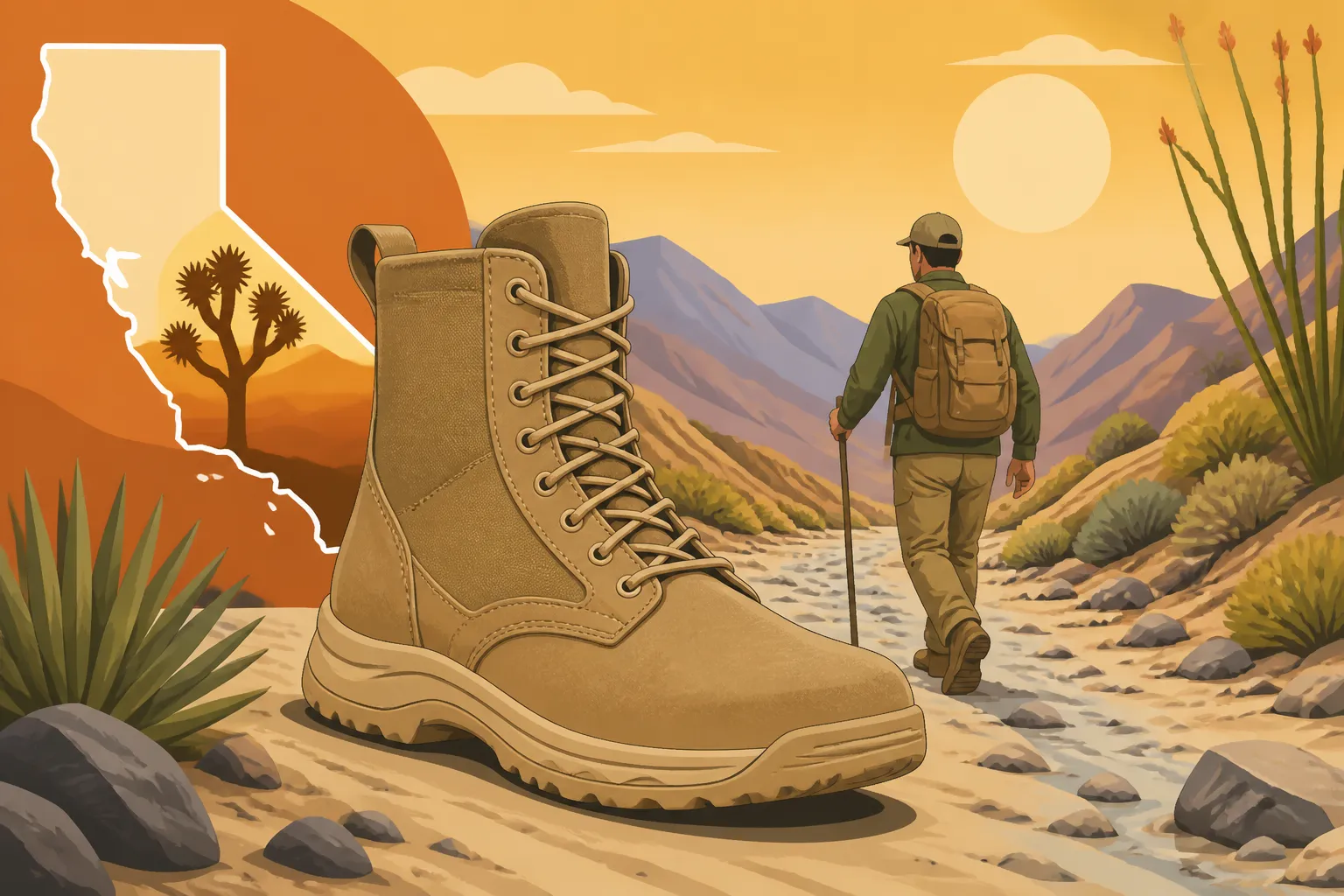
Desert Boots for California BLM Wash Hunting
Hunting California's vast and often unforgiving BLM desert washes for mule deer or even wild pigs presents a unique challenge, especially when it comes to keeping your feet happy and protected for mile after grueling mile. The last thing you want is a blown-out boot, blisters, or worse, a nasty encounter with a desert critter, all because your footwear wasn't up to the task. This guide is all about diving deep into the world of desert boots specifically designed for the abrasive, hot, and often rocky environment of California's BLM desert washes, helping you choose the right footwear to tackle these demanding landscapes.
Why Desert Boots Are Different for BLM Washes
When you picture hunting boots, many folks immediately think of heavy, waterproof leather designed for soggy timber or snowy mountains. But the California desert? That's a whole different animal, and your boots need to reflect that. The conditions out there can be brutal on footwear, and even more brutal on your feet if you're not properly equipped. It's not just about comfort; it's about survival and endurance in an environment that demands respect.
The Unique Challenges of Desert Terrain
Imagine walking for hours across dry, cracked earth, then slogging through deep, loose sand in a wash bottom, only to scramble up a rocky outcropping with jagged edges. This is the reality of hunting California's desert regions, like those found in the vast expanse of the Mojave or the fringes of the Carrizo Plain. The terrain isn't just varied; it's actively abrasive. Sharp rocks, thorny brush, and endless dust conspire to tear apart lesser boots and inflame your feet. You're dealing with extreme temperatures, too, where daytime highs can bake the ground, and nights can still get surprisingly chilly, especially if you're out late trying to track a buck. This constant oscillation between dry, dusty flatlands and steep, unforgiving rock gardens means your boots need to be masters of versatility, providing both comfort and bomb-proof durability. It’s a far cry from the soft forest floor many hunters are accustomed to.
The lack of consistent cover in many desert areas also means you'll likely be covering much more ground than in denser timber, making every step count. You're glassing from afar, picking a line across a wide-open basin, and then making a long, silent stalk. Each of those steps needs to be supported, cushioned, and protected. Standard hiking boots, while great for trails, often lack the specific reinforcements and sole compounds needed to withstand the relentless grind of desert rocks and sand. This environment demands more than just a sturdy sole; it requires a whole system of protection and comfort built into the boot itself.
Protecting Against Heat, Abrasions, and Critters
The desert is a land of extremes, and your boots are your first line of defense. First, there’s the heat. Your feet are going to sweat, and if that moisture can't escape, you're looking at blisters, trench foot, and an overall miserable experience. Desert boots prioritize breathability, often utilizing lighter materials and venting to keep your feet as cool and dry as possible. This isn't just about comfort; it's about preventing debilitating foot issues that can quickly end a hunt.
Then there are abrasions. Every step you take in a desert wash is a potential scrape, tear, or puncture. Boots built for this environment will feature reinforced toe caps, durable randing around the sides, and uppers made from tough synthetic materials or rugged split-grain leather that can shrug off encounters with sharp rocks and stiff scrub. You need that extra layer of protection because there’s no gentle path through a Hunting a BLM Desert Wash for Mule Deer. You’re often pushing through thick brush or walking directly on sharp, broken shale. The constant friction from sand and grit working its way into seams and stitching is also a major factor, necessitating designs that minimize entry points for these abrasive particles.
And finally, the critters. Rattlesnakes are a very real concern in California's desert landscapes. While no boot is entirely snake-proof, many desert-specific models offer higher ankle support and sometimes even specialized materials in the lower shank to provide an additional layer of defense against accidental strikes. This added peace of mind, though not a guarantee, can be invaluable when you're focused on a stalk and not constantly scanning your feet. This level of comprehensive protection against multiple threats is what truly sets dedicated desert hunting boots apart from more general-purpose footwear.
Key Features to Look for in Desert Boots
Choosing the right desert boot means understanding the specific features that contribute to their performance in these harsh environments. It's not just about how they look on the shelf; it's about how they perform mile after mile when the sun is beating down and the ground is trying its best to wear you out. Getting these details right can be the difference between a successful, enjoyable hunt and one cut short by painful feet.
Material Choices: Durability vs. Breathability
This is often the biggest balancing act in desert boot design. You need materials that can stand up to extreme abuse, but also allow your feet to breathe in sweltering temperatures. Traditional full-grain leather, while incredibly durable, can be heavy and slow to dry, making it less ideal for the desert unless it's specifically designed with ventilation in mind. Many top-tier desert boots opt for a combination of durable synthetic fabrics, like Cordura nylon, with strategically placed leather or synthetic leather reinforcements. These synthetics are often lighter, quicker drying, and highly breathable.
Consider boots that incorporate mesh panels or perforations in the upper, especially around the ankle and tongue. These features significantly enhance airflow, helping to dissipate heat and moisture. Some modern designs even use highly advanced, breathable membranes that can shed light moisture from dew or an unexpected sprinkle, without trapping sweat inside. For instance, brands like GoHunt often showcase footwear options that thoughtfully blend robust protection with advanced ventilation, recognizing the varied demands of different hunting environments. When you’re spending all day in a wash, walking Hunting a BLM Desert Wash for Mule Deer, that breathability isn't a luxury; it's a necessity for foot health and comfort. The material choice also affects the break-in period; synthetics tend to be more forgiving out of the box, while leather will require more time to mold to your foot.
Sole Construction and Traction in Sand and Rock
The sole is arguably the most critical component of a desert hunting boot. It's what connects you to the ground and absorbs the punishment. You need a sole that offers exceptional grip on loose sand, sharp gravel, and slick rock, all while providing ample cushioning for long hauls. Look for outsoles with aggressive, multi-directional lug patterns. These deep lugs dig into loose sand for traction and provide edges to grip uneven rock surfaces. The rubber compound itself is important; some softer compounds offer better grip but wear faster, while harder compounds are more durable but can be less grippy on wet rock (though wet rock is less common in the desert, it can happen after a rare rain).
A stiff midsole is also crucial for desert terrain. It prevents sharp rocks from bruising your feet through the sole, and provides stability when side-hilling or navigating uneven ground. A good rock plate integrated into the midsole is a fantastic feature, acting as an impenetrable barrier against punctures and sharp objects. Without adequate sole protection, a long day picking your way across a shale slide or through a boulder-strewn wash will leave your feet screaming in pain. Think about the impact absorption as well; walking on hard-packed desert floor all day can really take a toll on your joints, so a well-engineered sole with cushioning layers is vital to reduce fatigue.
Ankle Support and Stability on Uneven Ground
California's BLM desert lands are rarely flat. You’ll be traversing washes, climbing rocky hillsides, and stepping over unseen obstacles. This demands excellent ankle support to prevent twists and sprains. Desert hunting boots typically feature a mid-to-high cut that cradles the ankle without being overly restrictive. Lacing systems should be robust, allowing you to cinch the boots down securely for maximum support. Speed hooks can be a real blessing for quick adjustments throughout the day.
The stability comes not just from the height of the boot, but also from its overall construction. A stable boot will have a firm heel counter and a rigid shank that prevents excessive lateral movement of your foot inside the boot. This is especially important when you’re carrying a pack, as the added weight increases the strain on your ankles and feet. Navigating loose scree or scrambling up a steep incline requires confidence in your foot placement, and boots with superior ankle support provide that. It reduces the effort your stabilizing muscles have to expend, helping to conserve energy over a long hunt. A good pair of boots will feel like an extension of your leg, not an encumbrance, allowing you to focus on the hunt, not your footing.
Comfort and Fit: Your Feet's Best Friends
No matter how many high-tech features a boot boasts, if it doesn't fit well and isn't comfortable, it's useless. In the desert, where you're often miles from the truck with nothing but your own two feet to get you back, comfort isn't just a nicety—it's absolutely paramount. A painful pair of boots can derail an otherwise perfect hunt faster than anything else.
Proper Sizing and Break-In Period
Getting the size right is step one, and it's more nuanced than you might think. Your feet swell throughout the day, especially when hiking in heat, so it’s often best to try on boots in the afternoon or after you've been on your feet for a while. Wear the exact type of socks you plan to hunt in, as this makes a significant difference. You should have about a thumb's width of space between your longest toe and the end of the boot when your heel is firmly seated. Your heel should feel secure with minimal lift, but not so tight that it pinches. Too much heel lift will cause blisters, and too little room for your toes can lead to bruised nails, especially on downhill sections.
While many modern boots, particularly those with synthetic uppers, claim to have minimal break-in, don't skip this crucial step. Even a few miles around the neighborhood can reveal hot spots or pressure points that weren't obvious in the store. Gradually increase your mileage on local trails or even just walking around your property. This allows the boot to mold to your foot and any initial stiffness in the sole or upper to soften. Don't wait until opening day to discover your boots aren't broken in—that's a recipe for a truly miserable experience. Many hunters, even seasoned ones, make the mistake of trusting a new pair right out of the box, only to regret it deeply on the first long trek.
Ventilation and Moisture Management for Hot Climates
As mentioned before, heat is a constant in the California desert. Keeping your feet dry is just as important as keeping them cool, because wet feet are blister-prone feet. Look for boots that are designed with excellent ventilation, often incorporating breathable mesh or specialized moisture-wicking linings. Some boots even have dedicated vents that allow air circulation. The goal is to move sweat away from your skin and out of the boot.
Complementing your boots with the right socks is also non-negotiable. Opt for high-quality merino wool or synthetic blend socks designed for hiking. Cotton is absolutely out; it absorbs moisture and stays wet, chafing your skin and inviting blisters. Merino wool is a fantastic choice because it wicks moisture, regulates temperature (keeping feet cooler in heat and warmer in cold), and resists odor. Having a fresh pair of socks to change into halfway through a long day, or even just for the afternoon hunt, can make a huge difference in foot comfort and hygiene. Brands often design systems where their boots work best with specific sock types, so it's worth exploring the full range of gear, perhaps even through a comprehensive platform like GoHunt, which can guide you to integrated solutions for various hunting scenarios. Remember that even on a cool desert morning, the temperatures can quickly climb, demanding constant attention to moisture management, similar to the considerations for Layering for Hot-to-Cold Zone A Archery Days.
Specialized Considerations for BLM Wash Hunting
Hunting California's sprawling Bureau of Land Management (BLM) acreage, particularly in those iconic desert washes, means facing specific environmental quirks that demand extra thought in your boot choice. It's not just "hot and dry"; it's a particular kind of hot and dry with unique hazards that your footwear should address.
Dealing with Dust, Sand, and Debris
Anyone who has hunted a desert wash knows the feeling: that fine, gritty sand that seems to infiltrate everywhere. It works its way into your socks, rubs your skin raw, and grinds away at the seams of your boots. When you're Hunting a BLM Desert Wash for Mule Deer, you're constantly slogging through loose sand, climbing over dusty rocks, and pushing through low, thorny brush. Your boots need to be designed to resist this infiltration. Look for boots with minimal exposed stitching and tightly woven, abrasion-resistant uppers. A snug fit around the ankle is key to keeping sand and small pebbles out.
Many experienced desert hunters also swear by gaiters. These fabric sleeves fit over the top of your boots and extend up your lower leg, creating an additional barrier against sand, dust, and debris. They prevent annoying and painful grit from getting into your socks and boots, which can cause blisters and wear down your footwear prematurely. Some boots even have attachment points specifically for gaiters, making them integrate seamlessly. This combination of boot design and auxiliary gear forms a formidable defense against the relentless desert grit. Without proper protection, that fine sand acts like sandpaper on your skin and your boots, shortening the lifespan of both.
Weight and Agility for Covering Miles
The nature of desert hunting often involves covering vast distances. Unlike hunting in dense timber where you might still-hunt or sit, in open desert country, success often hinges on putting in the miles, glassing new country, and executing long stalks. This means your boots can't feel like bricks on your feet. Excess weight directly translates to increased fatigue over the course of a day, especially when you're hiking up and down draws and through deep washes.
While durability is non-negotiable, modern materials and construction techniques allow for surprisingly lightweight yet rugged boots. Look for boots that balance robust protection with a manageable weight. A heavy boot will tax your energy levels significantly, diminishing your focus and stamina for the hunt itself. You need to be agile enough to navigate tricky terrain quickly and quietly when the situation demands, whether you're trying to cut off a traveling buck or make a final approach. This agility comes from a boot that allows for natural foot movement without sacrificing support, a feature often highlighted in reviews on platforms that provide detailed gear analysis.
Snake Bite Protection: A Real Desert Concern
This is a serious consideration for anyone spending time in the California desert. Rattlesnakes are prevalent and active, especially during warmer months, and a strike can be a life-threatening emergency, particularly when you're deep in Hunting California's BLM Desert Land far from help. While no boot can offer 100% impenetrable snake bite protection, many desert hunting boots provide a significant level of defense.
Look for boots with higher shafts, typically 8 inches or more, and those constructed with stiff, puncture-resistant materials in the lower portion of the boot and around the ankle. Some specialized snake boots incorporate internal layers of synthetic fabrics designed specifically to resist fangs. While a dedicated snake boot might be heavier and less breathable than a pure hiking boot, the peace of mind they offer can be invaluable. This isn't just about a comfortable hunt; it's about personal safety. Always be aware of your surroundings, especially when stepping over logs or rocks, and consider snake gaiters for an added layer of protection if your boots don't offer specialized snake-resistant features. It's an investment in safety that every hunter in the desert should seriously consider.
Maintenance and Longevity for Your Desert Boots
You’ve invested time, effort, and money into choosing the right desert boots, and they’ve served you well on those dusty treks across California's public lands. To ensure they continue to perform season after season, proper care and maintenance are absolutely essential. Neglecting your boots, especially after a grueling hunt in abrasive desert conditions, is the quickest way to send them to an early grave.
Cleaning and Care After Every Hunt
The desert is notoriously dirty, and that fine dust and sand aren't just an annoyance; they're abrasive particles that can slowly but surely degrade your boots. After every hunt, especially one in Hunting Mojave Desert Fringe Country or a deep wash, take the time to clean your boots thoroughly.
Here’s a simple routine:
- Remove Excess Debris: Start by knocking off any large clumps of mud, dirt, or sand from the outsole. Use a stiff brush (an old toothbrush works great for crevices) to get into the lug patterns and remove packed-in grit.
- Rinse and Wipe: Use cool, running water and a soft cloth or sponge to gently wipe down the entire exterior of the boot. Pay close attention to seams, eyelets, and any areas where dust might accumulate. If your boots are leather, use a specialized leather cleaner if they're particularly dirty. For synthetics, a mild soap solution is usually fine.
- Inspect for Damage: While cleaning, take a moment to inspect for any wear and tear. Look for loose stitching, nicks in the randing, delamination of the sole, or any punctures. Catching small issues early can prevent them from becoming major problems later.
- Dry Properly: This is critical. Never dry your boots by a direct heat source like a campfire, heater, or direct sunlight. This can dry out leather, weaken adhesives, and cause synthetic materials to become brittle. Instead, remove the insoles and laces, open the boot as wide as possible, and allow them to air dry slowly in a cool, well-ventilated area. You can stuff them loosely with newspaper to absorb internal moisture, changing the paper periodically.
Consistent cleaning not only makes your boots last longer but also prevents odors and keeps them ready for your next adventure. This process is just as important for boots as proper field dressing is for your harvest, ensuring the longevity and quality of your gear.
Extending the Life of Your Investment
Beyond regular cleaning, there are several steps you can take to truly maximize the lifespan of your desert boots. Think of it as a comprehensive wellness plan for your essential hunting footwear.
- Condition Leather: If your boots have leather components, regularly condition them to keep the leather supple and prevent cracking. Dry desert air can be particularly harsh on leather. Use a good quality leather conditioner or wax designed for outdoor footwear. This helps maintain the leather's water resistance and durability.
- Waterproofing Treatments: Even if your boots aren't primarily waterproof (as many desert boots prioritize breathability), a water-repellent treatment can help shed morning dew, light rain, or splashes when crossing a small stream. Apply a DWR (Durable Water Repellent) spray or wax periodically, following the manufacturer's instructions.
- Insole Care: Remove and air out your insoles after every hunt. This helps them dry and prevents bacterial growth and odor. Consider replacing insoles periodically as they lose their cushioning and support over time. High-quality aftermarket insoles can significantly improve comfort and extend the life of your boots.
- Storage: Store your boots in a cool, dry place away from direct sunlight when not in use. Avoid tossing them in a dusty garage corner or leaving them in a hot vehicle, as extreme temperatures can degrade materials.
- Know When to Repair or Replace: Pay attention to the warning signs. If the sole starts to separate from the upper, the stitching is consistently failing, or the support structures are compromised, it might be time for a professional repair or, more likely, a replacement. Investing in quality boots means they might be resoleable, a service worth looking into if the uppers are still in good shape. Don't push a failing boot too far; a breakdown in the field can be dangerous and costly. Just as you'd use an app like GoHunt to find new hunting locations or gear, keep an eye on your current gear's condition, especially your Best Boots for Dry Desert Wash Hunting.
| Feature | Benefit in Desert Wash Hunting | Why it's Important |
|---|---|---|
| Breathable Uppers | Prevents sweat buildup, reduces blisters | Foot health and comfort in high temperatures; avoids trench foot in prolonged wetness. |
| Aggressive Outsole | Superior grip on loose sand, gravel, and rock | Prevents slips and falls; enhances stability on varied, unstable terrain. |
| Stiff Midsole/Rock Plate | Protects feet from sharp rocks and uneven ground | Prevents stone bruises and fatigue from impacts; crucial for long hikes over harsh ground. |
| High Ankle Support | Stabilizes ankle against twists and sprains | Essential for navigating uneven, rocky terrain and carrying heavy loads. |
| Abrasion-Resistant Materials | Withstands scrapes from rocks and thorny brush | Extends boot lifespan; prevents tears and punctures in challenging environments. |
| Minimal Exposed Stitching | Reduces entry points for sand and grit; enhances durability | Prevents internal abrasion on feet and boot degradation; easier to clean. |
| Snake-Resistant Design | Provides an additional layer of defense against snake bites | Enhances safety in areas with venomous snakes, offering peace of mind. |
| Lightweight Construction | Reduces fatigue over long distances | Allows hunters to cover more ground with less effort; improves agility. |
Top Picks and What to Expect
When you start looking at desert hunting boots, you'll quickly realize there's a spectrum of options, each with its own advantages and trade-offs. What might be perfect for one hunter stalking mule deer in the Mojave might not be ideal for another chasing hogs through a thorny Central Valley river bottom that occasionally touches desert-like conditions. Understanding these categories will help you narrow down your choices and match them to your specific hunting style and local conditions.
Different Boot Categories for Different Needs
It's helpful to think about desert boots in a few broad categories, recognizing that there's always overlap.
- Lightweight, Breathable Hikers: These boots prioritize airflow and minimal weight. They often feature extensive mesh panels and synthetic uppers, with moderately aggressive outsoles. They're fantastic for covering a lot of ground quickly in relatively mild desert conditions or during early-season hunts when heat is the primary concern. They offer good comfort and agility but might lack the heavy-duty protection against extreme abrasion or snake bites. If your focus is primarily on speed and stealth over moderate terrain in warm weather, these are a strong contender. They're almost like a specialized trail running shoe in boot form.
- Rugged, Hybrid Desert Boots: This is where many purpose-built desert hunting boots fall. They strike a balance between breathability, durability, and support. They'll combine tough synthetic fabrics with leather reinforcements, a robust midsole with a rock plate, and excellent ankle support. The outsoles will be highly aggressive, designed for both sand and rock. These boots are built for the typical grind of a California desert hunt – long miles, varied terrain, and a need for serious protection. They are a versatile choice for most public land desert hunting scenarios, including those found in Hunting a BLM Desert Wash for Mule Deer. They might weigh a bit more than the lightest options but offer a significant jump in protection and longevity.
- Heavy-Duty "Snake" Boots: For hunters in areas with high snake populations or those who simply want maximum peace of mind, specialized snake boots are an option. These boots often feature taller shafts (15-18 inches) and incorporate puncture-resistant materials throughout the lower and mid-calf section. They are typically less breathable and heavier than other desert boots, but they offer the best possible protection against snake fangs. If you're consistently hunting dense, low-lying brush in snake country, the added security might outweigh the trade-offs in comfort and weight. Remember, even with these, caution is always your best defense.
Each category serves a purpose, and what you choose should align with the specifics of your hunt, the time of year, and your personal risk tolerance.
Balancing Cost and Performance
When it comes to hunting gear, especially boots, you generally get what you pay for. Top-tier desert hunting boots represent a significant investment, but that cost typically translates into superior materials, advanced construction techniques, better comfort, and greater longevity. It's often wiser to save up for a quality pair that will last for years and perform reliably than to constantly replace cheaper, less effective options that fail you in the field.
However, "expensive" doesn't always mean "best for you." The best boot is the one that fits your foot, your hunting style, and your budget. Do your research, read reviews, and if possible, try on boots from various brands known for their quality. Look for reputable brands that specialize in hunting or serious outdoor footwear, as they understand the unique demands of these activities. Online resources, including community forums and gear reviews on hunting platforms, can offer valuable insights from other hunters who have put boots through their paces in real-world conditions. While specific price points are constantly changing, understanding the value proposition – durability, comfort, and protection for your feet – will guide you toward a smart purchase. A good pair of boots is arguably the most important piece of gear you’ll own for a desert hunt, and like a well-tuned rifle for Rifles and Calibers for California Big Game, it's an investment in your success and enjoyment.
Disclaimer
This article is for general informational purposes only and does not constitute professional advice. Laws, prices and regulations vary by location and change over time. Consult a qualified professional for guidance on your specific situation.