Best Camo for Oak Woodland in August
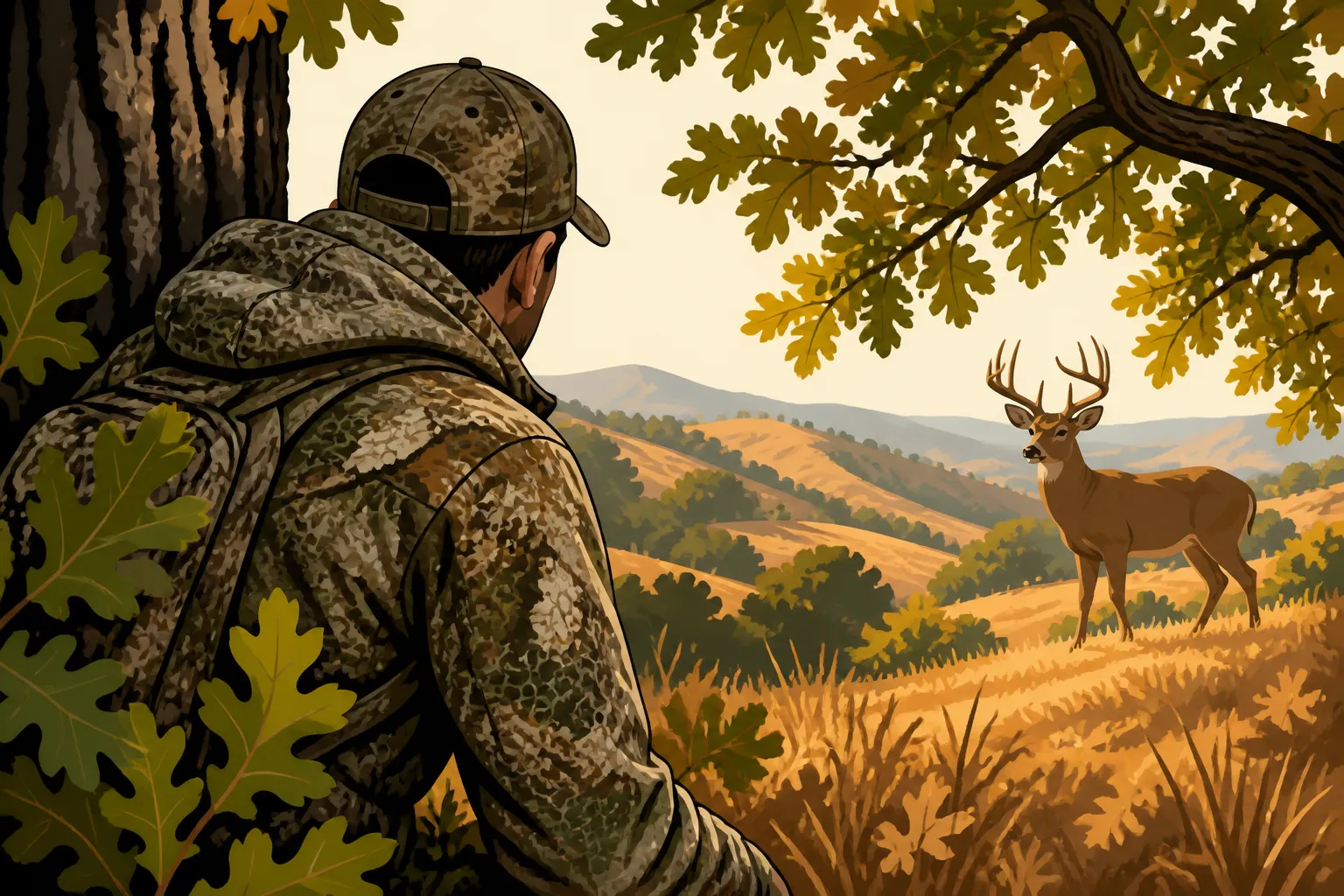
Hunting California's oak woodlands in August presents a unique challenge for deer hunters. The vibrant greens of spring are long gone, replaced by a parched, golden landscape where shadows are sharp and temperatures can soar. Choosing the right camouflage isn't just about looking the part; it's about effectively disappearing into an environment that's actively working against you with its bright light and distinct color palette. This guide will help you understand the specific nuances of August oak woodland hunting and how to select camouflage that truly makes you blend in, rather than stand out like a sore thumb.
Understanding California's August Oak Woodland Environment
California's oak woodlands in August are a world away from the lush, green forests some hunters might be used to. It's a land transformed by the summer sun, presenting a specific set of visual challenges and opportunities for camouflage. You're not just dealing with trees; you're dealing with an entire ecosystem that has adapted to long, dry summers.
The Landscape: Dry Grass, Golden Oaks, and Chaparral
When you step into a California oak woodland in August, the first thing that hits you visually is the color palette. Gone are the verdant greens of spring and early summer. Instead, you're greeted by vast expanses of straw-colored annual grasses, often knee-high or taller, that rustle with every breeze. These grasses are typically a pale yellow, bleached tan, or a faded gold. Interspersed within these fields, or clinging to hillsides, are the mighty oaks – primarily Coast Live Oaks, Blue Oaks, and Valley Oaks. While many of their leaves might still hold a degree of green, it's often a dusty, sun-baked, olive-green hue, with many leaves already turning brown and crisp.
Think about the ground itself. You'll find a carpet of fallen, dried oak leaves, twigs, and bark, all contributing to a rich tapestry of tans, faded browns, and desaturated grays. This is the terrain where blacktail deer are moving, often sticking to shaded draws or the edges of dense chaparral thickets. These chaparral zones, made up of plants like manzanita, ceanothus, and chamise, are often deep, dark green year-round, but even they can have a dusty appearance in August, softening their intense color. Your camouflage needs to bridge the gap between these bright, golden fields and the deeper, dustier greens and browns of the oak canopy and chaparral. A pattern too green will scream "out of place" in the dry grass, while one too brown might silhouette against the remaining green foliage. This contrast is what we're aiming to eliminate. You might be Hunting Coastal Range Oak Woodlands or further inland, but the general principle of dry, golden hues will hold true.
Light and Shadow Dynamics in August
The sun in August in California isn't just bright; it's intense. It casts incredibly harsh, distinct shadows that create a high-contrast environment. This is a critical factor when choosing camouflage. A pattern that looks fantastic in dappled light or overcast conditions might fail miserably under the direct, unyielding glare of a California August afternoon.
Consider a scenario where you're set up on a ridge line, looking down into a draw. The side of the draw facing the sun will be brightly lit, showcasing every golden blade of grass and pale oak leaf. The opposite side, however, will be plunged into deep, dark shadow. As the sun moves, these light and shadow patterns shift, changing the perceived colors and textures of your surroundings. Your camo needs to have enough contrast within its own pattern to perform well in both direct sunlight and deep shade without becoming a solid, recognizable blob. This means patterns with a good mix of lighter, faded tones and darker, more defined elements will typically outperform those with a uniform color or tone. Deer, especially blacktail, are incredibly adept at using these shadows to their advantage, moving in and out of the shade, which means you need to be able to disappear wherever they might appear. When employing a Hot-Weather Sitting Strategy in August, understanding these light dynamics can make or break your concealment.
Key Camouflage Principles for August Oak Woodland
Moving beyond just colors, effective camouflage for California's August oak woodlands relies on a few fundamental principles that work together to deceive the keen eyes of a deer. It's about more than just looking like a tree; it's about not looking like a person.
Breaking Up Your Silhouette
The most crucial job of any camouflage is to break up the distinct outline of the human form. Humans have a very recognizable shape – broad shoulders, narrow waist, upright posture. Deer are masters at identifying these shapes, even at a distance, especially if you're against a contrasting background. A solid color, no matter how "natural" it seems, will simply create a dark or light blob that screams "hunter."
Effective patterns use a combination of light and dark elements, along with organic, irregular shapes, to disrupt your silhouette. Think about the way sunlight filters through the canopy, creating patches of light and shadow on the ground, or how fallen branches lie in a jumble. Your camo should mimic this natural disorder. Look for patterns that have vertical and horizontal elements, as well as amorphous blobs, that break up the straight lines of your arms, legs, and torso. The size of these pattern elements also matters; patterns with elements too small can "blob out" at a distance, while elements too large might not offer enough detail for close-range concealment. The goal is to make your distinct shape disappear into the background, making it hard for a deer to distinguish you from a clump of brush or the trunk of an oak tree. This is particularly vital if you're trying to still-hunt or wait out a buck in an area where deer are wary due to Hunting Pressure on California Public Land.
Color Palettes That Blend, Not Contrast
As discussed, the August oak woodland is characterized by dry, muted colors. This means your camo's color palette must reflect this reality. You'll want to prioritize:
- Tans and Faded Golds: These are crucial for blending into the prevalent dry grasses and sun-baked ground.
- Dusty Browns: Mimicking the bark of oaks, fallen leaves, and dried earth. These aren't deep, rich browns, but rather sun-bleached tones.
- Desaturated Greens/Olives: For the remaining green foliage on oaks and chaparral, but steer clear of vibrant, spring-like greens. Think of a military olive drab or a muted sage.
- Subtle Grays: These can help simulate shadows and the sun-bleached appearance of deadfall.
Avoid anything that looks too "wet" or vibrant. Deep, dark greens or rich, un-faded browns will stand out starkly against the August landscape. The key is to match the general tone and lightness of the environment. If your camo is significantly darker or lighter than the dominant colors, you'll create contrast, which is exactly what we're trying to avoid. Many hunters find that patterns designed for Western states, with their emphasis on high desert and arid regions, often perform exceptionally well in California's dry oak woodlands because they naturally incorporate these faded and muted tones. When you're spending time scouting, pay close attention to the predominant colors on your specific hunting grounds; using a resource like Scouting With the CDFW Hunting App can help you visualize the terrain and its color before you even set foot there.
Adaptability to Changing Conditions
An August hunt in California means dealing with a wide range of light conditions throughout the day. The early morning can be cool and slightly hazy, with soft, diffused light. Midday brings the harsh, direct sun with intense glare. Evening sees lengthening shadows and a rapid dimming of light. Your chosen camo needs to perform adequately across all these scenarios.
Some patterns are specifically designed with a broader range of tonal values to handle these shifts. They might have a base layer of medium tones, with lighter and darker elements layered on top. This allows the pattern to "absorb" more light in bright conditions and still retain enough contrast in low light to break up your shape. A pattern that's too light might wash out entirely in full sun, making you a shining beacon. Conversely, a pattern that's too dark could become a solid black silhouette as the shadows deepen. Consider patterns that incorporate more "negative space" or open areas within the design, as these can help mimic the way light and shadow play on natural objects. Think about what a deer sees when it's Hunting a Ridge-Top Saddle at First Light or when the sun is directly overhead. The best patterns offer a degree of versatility that keeps you concealed regardless of the sun's position.
Top Camo Patterns and Considerations for California August Oak Woodlands
When it comes to specific patterns, the market offers a dizzying array of choices. For California's August oak woodlands, you'll want to lean towards patterns that specifically address the dry, faded nature of the landscape and the intense light conditions.
Patterns Mimicking Dry Vegetation and Tree Bark
The most effective patterns for this environment will be those that incorporate elements reminiscent of dry grass, dead leaves, and the mottled bark of oak trees. This often means patterns with a strong emphasis on tan, faded brown, and olive-green tones, with enough internal contrast to break up your outline effectively.
Look for designs that utilize both macro and micro elements. Macro elements are the large, overarching shapes that break up your silhouette at a distance, while micro elements provide detail and texture for closer encounters. Some patterns do this through realistic photographic representations of branches and leaves, while others use more abstract or digital designs to achieve the same effect. For instance, patterns that feature a blend of light straw colors, sun-bleached grays, and patches of dusty olive can blend seamlessly into a field of dry grasses backing onto a stand of oaks. Patterns that incorporate vertical bark textures or scattered, dried leaves can also be highly effective. The key is to avoid anything too "clean" or uniform. The natural environment is chaotic and varied, and your camo should reflect that. Think about the specific textures you see when Finding Sign in a Coastal Oak Woodland – that's what your camo should be emulating. Many hunters find success with patterns from brands that focus on Western hunting conditions, as these often have the appropriate color palettes and contrast for arid and semi-arid environments. Platforms like GoHunt often feature gear reviews and discussions about patterns best suited for these types of landscapes, helping hunters make informed decisions based on real-world testing.
Weight, Breathability, and Functionality
It's August, and in California, that means heat. Seriously, sometimes it feels like you're hunting in an oven. So, while the pattern is critical, the physical properties of your clothing are almost equally important for comfort and staying in the field longer.
- Breathability: This is non-negotiable. Look for fabrics that are lightweight and highly breathable. Synthetic blends designed to wick moisture away from your skin are your best friend. Cotton, while comfortable for casual wear, will absorb sweat and stay wet, leading to discomfort and potentially chills as the temperature drops in the evening. Mesh panels in key areas (underarms, back) can also be a huge benefit.
- Weight: Heavy, thick fabrics are simply going to make you overheat. Opt for lightweight pants, shirts, and jackets (if needed for early morning or late evening) that won't add unnecessary bulk or heat. Remember, you might be hiking into some steep country, and every ounce of comfort helps.
- Noise: This is often overlooked, but a noisy fabric can blow a close-range stalk or alert deer to your presence when you shift in your stand. Rustling synthetic materials can sound like a warning bell in the quiet woods. Test the fabric by rubbing it together or against itself. Does it make a lot of noise? Look for quieter, softer materials, especially for your outer layers.
- Durability: While you want lightweight, you also need durability. Oak woodlands can be tough on clothing, with thorny chaparral, sharp branches, and abrasive rocks. Your gear needs to hold up to the abuse.
Investing in quality hunting apparel, not just for its pattern but for its performance, will significantly enhance your hunting experience in the demanding August conditions. When you're putting together your kit, consider Layering for Hot-to-Cold Zone A Archery Days so you can adjust to temperature fluctuations without sacrificing concealment or comfort. Even if you're just looking for Best Boots for Dry Desert Wash Hunting, the same principles of breathability and durability apply.
Beyond the Pattern: Other Camo Considerations
While the pattern on your shirt and pants is a major component of concealment, truly disappearing into the August oak woodland requires attention to detail from head to toe, and even beyond visual trickery.
Headwear, Gloves, and Face Coverings
These small details are often the biggest giveaways. Think about it: your head, hands, and face are constantly moving, and they present distinct, unnatural shapes and colors against the natural background.
- Headwear: A good cap or broad-brimmed hat in a matching camo pattern is essential. It breaks up the round shape of your head and, perhaps more importantly, shades your face. A dark face in shadow can appear as a black hole, while a brightly lit face can reflect light.
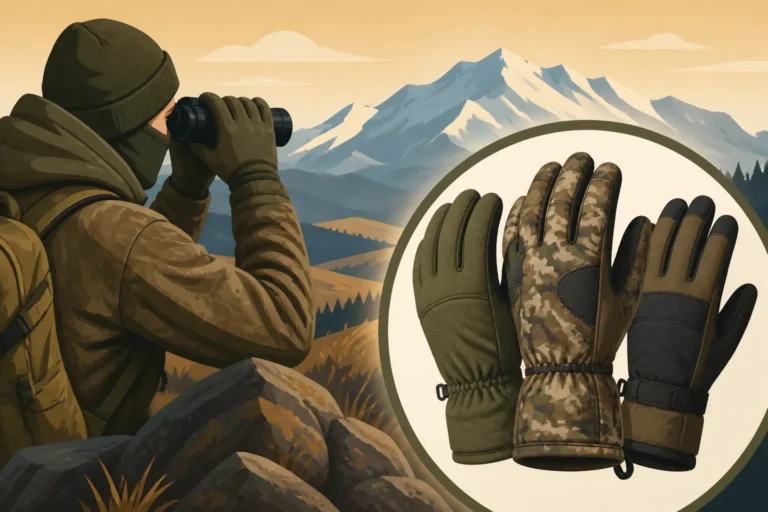
- Gloves: Your hands are constantly moving – drawing a bow, raising binoculars, adjusting gear. Uncovered hands are very visible. Lightweight, breathable gloves in a matching or complementary camo pattern are a must. They don't need to be thick, just enough to break up the outline of your hands.
- Face Coverings: This is arguably the most critical. The human face is a distinct, light-colored blob against a darker background, and it reflects light easily. A face mask, balaclava, or even quality face paint can make a huge difference. For hot August days, a lightweight mesh mask or a neck gaiter pulled up over your face can provide concealment without causing overheating. The texture and irregular shapes of a good face covering mimic the natural environment, preventing your face from becoming a glaring signal to any approaching deer.
Scent Control and Movement
Even the best visual camouflage won't help if a deer winds you or sees you fidgeting. These are equally important factors in being "camouflaged" from a deer's senses.
- Scent Control: Deer rely heavily on their noses. In the dry, still air of August, scent can hang heavy and travel far. While no product can make you entirely scent-free, minimizing your human odor is crucial. This includes showering with unscented soap, washing hunting clothes in scent-free detergent, and storing them in airtight containers. Playing the wind is still your absolute best defense. Always try to approach and set up with the wind in your face, or at least a crosswind. Consider thermals, especially in hilly or mountainous oak country; warm air rises during the day, carrying your scent upwards, and cool air falls in the evening, carrying it down into draws.
- Movement: Deer are masters of detecting movement. Even a slight twitch can betray your presence. Once you're in your position, slow your movements to an absolute crawl. Use the terrain to your advantage – move behind oak trees, around dense chaparral, and through draws when changing positions. When glassing, move your binoculars slowly, and try to scan with your eyes first before raising your optics. If you're on a stalk, utilize the brief moments when a deer drops its head to feed or looks away to make your move. A Deer Drives With Three or Four Hunters strategy relies on coordinated movement, but individual hunting success often hinges on stillness.
Scouting Your Specific Hunting Area
Ultimately, no universal camo pattern is perfect for every single oak woodland location in California, let alone every specific August day. The best way to refine your choice is to scout your actual hunting grounds before the season opens.
- Observe the Colors: Pay close attention to the dominant colors of the grasses, the oak leaves (both green and brown), the bark, and the chaparral in the specific area you plan to hunt. Take photos if allowed, and try to match your camo palette to these real-world observations. Is the grass more golden, or more bleached tan? Are the oak leaves a darker olive or a dusty grey-green?
- Analyze Light Conditions: Visit at different times of day to see how the light and shadows change. Where do the deepest shadows fall? Where is the brightest glare? This will inform how well a particular pattern's contrast will perform.
- Consider the Terrain: Will you be mostly in open grassy areas, tucked into dense oak timber, or navigating chaparral thickets? Different patterns might excel in different aspects of the terrain. For example, a pattern with more vertical elements might be better in dense timber, while one with more horizontal or amorphous shapes might be better in open grass.
- Utilize Scouting Tools: Modern mapping apps, some available through services like GoHunt, can give you an overhead view of the vegetation types and terrain, even before you physically visit. This can help you get a head start on understanding the color and texture composition of your specific hunting zone. By taking the time to scout, you're not just finding deer sign; you're also performing crucial intelligence gathering for your camouflage strategy.
| Camo Feature | Benefit for August Oak Woodland | Why It's Important |
|---|---|---|
| Dry/Faded Colors | Blends with bleached grass & leaves | Matches the dominant, sun-parched tones of the summer landscape |
| High Internal Contrast | Effective in sun and shadow | Prevents silhouetting in harsh midday sun or becoming a blob in deep evening shade |
| Irregular Patterns | Breaks up human form | Disrupts the recognizable outline of a person, making you look like natural clutter |
| Lightweight Fabric | Prevents overheating | August temperatures are high; comfort keeps you in the field longer and quieter |
| Breathable Material | Wicks sweat, reduces scent | Manages moisture, helping to control human scent and maintain comfort |
| Quiet Fabric | Avoids alerting deer | Rustling clothes can spook game at close range during stalks or stand hunts |
| Head/Face/Hand Cover | Hides highly visible areas | Prevents reflection, breaks up distinct shapes of exposed skin and extremities |
Hunting the Zone C August-September Archery Window or even Bowhunting California's Zone A Season often means dealing with these exact conditions. The more thought you put into your camo, the more confidence you'll have when that buck steps out of the shadows.
Disclaimer
This article is for general informational purposes only and does not constitute professional advice. Laws, prices and regulations vary by location and change over time. Consult a qualified professional for guidance on your specific situation.