Layering for a Cold Sierra Morning
There’s nothing quite like the crisp, biting air of a Sierra morning. You’ve probably felt it – that initial jolt when you step out of the tent or truck before dawn, the breath steaming, the ground frosty. While the promise of a glorious sunrise and deer moving on cool thermals is exhilarating, the drastic temperature swings can make getting your clothing right a real headache. This guide is all about mastering the art of layering so you can stay comfortable, focused, and ultimately, more successful on your California hunts, no matter what the Sierra throws at you.
Understanding Sierra Weather Swings and Why Layering is Key
The Sierra Nevada is a majestic but often unpredictable beast when it comes to weather. What starts as a near-freezing, bone-chilling morning can quickly turn into a surprisingly warm, sun-drenched afternoon, especially when you’re pushing uphill. If you’re not prepared for these shifts, you’ll find yourself either shivering uncontrollably or sweating buckets, neither of which is conducive to a successful hunt.
The Morning Chill Versus Mid-Day Heat
Imagine waking up at 4 AM to a frosty windshield and a tent zipper that feels like it might snap off. Temperatures in the high country can easily dip below freezing overnight, even in late summer or early fall. The cold air settles into canyons and draws, creating thermal inversions that hold the chill long after the sun cracks the horizon. You might be glassing a ridge line as the first rays hit, but still feel that deep cold permeating your bones.
Then, as the sun climbs higher, especially if you're hiking a south-facing slope or pushing through open timber, that cold quickly dissipates. By 10 AM, you could be shedding layers, and by noon, you might be unzipping your pants just to stay cool. This dramatic swing, often 30-40 degrees Fahrenheit or more, is the signature challenge of Sierra hunting. You’re not just battling a single temperature; you’re managing a rapidly evolving environment. Knowing your terrain can help here; for example, understanding Wind and Thermals in Steep Sierra Country is crucial for both game movement and your own comfort.
The Importance of Adaptability
Trying to hunt in a single, heavy coat in the Sierra is a recipe for misery. You’ll either be too cold when you’re sitting still or sweating profusely when you’re on the move. Static clothing systems simply don't work here. The key is adaptability – the ability to add or subtract layers quickly and efficiently as your activity level, the sun's position, and the terrain change.
Think of your clothing as a dynamic system, not a static outfit. A hunter who can comfortably sit for an hour in a shaded canyon, then shed a layer or two to climb a steep ridge, and then put a vest back on to glass from an exposed knob, is a hunter who stays in the game longer. This adaptability keeps your core body temperature regulated, prevents excessive sweating that can lead to a dangerous chill later, and ensures you're always focused on the hunt, not your discomfort.
The Hidden Dangers of Improper Layering
Beyond just discomfort, improper layering can actually be dangerous. Overheating leads to excessive sweating, which saturates your clothing. When you stop moving, that wet clothing will quickly pull heat away from your body, even if the air temperature isn't extremely low. This is a primary cause of hypothermia, which can sneak up on you even when you least expect it. Dehydration is another risk when you're sweating too much without replenishing fluids.
Conversely, not having enough insulation can leave you exposed to the elements, making it impossible to sit still and glass for extended periods. Your muscles will tighten, your focus will wane, and your overall performance will suffer. Imagine trying to make a precise shot with shivering hands. It’s not just about warmth; it’s about energy conservation, mental clarity, and maintaining physical readiness for when that shot opportunity finally arises. Paying attention to details, even something like Best Base Layer for a Steep Sierra Hike, makes a huge difference.
The Core Components of an Effective Layering System
Building a functional layering system for Sierra hunting isn't complicated, but it does require understanding the purpose of each layer. Think of it as a three-part harmony: base, mid, and outer. Each plays a critical role in managing moisture, insulating, and protecting you from the elements.
The Base Layer: Managing Moisture
The base layer is your first line of defense, worn directly against your skin. Its primary job is not to keep you warm, but to manage moisture – specifically, your sweat. As you hike, your body generates heat, and that heat produces sweat. If that sweat sits against your skin, it will cool you down rapidly once you stop moving, leading to a dangerous chill.
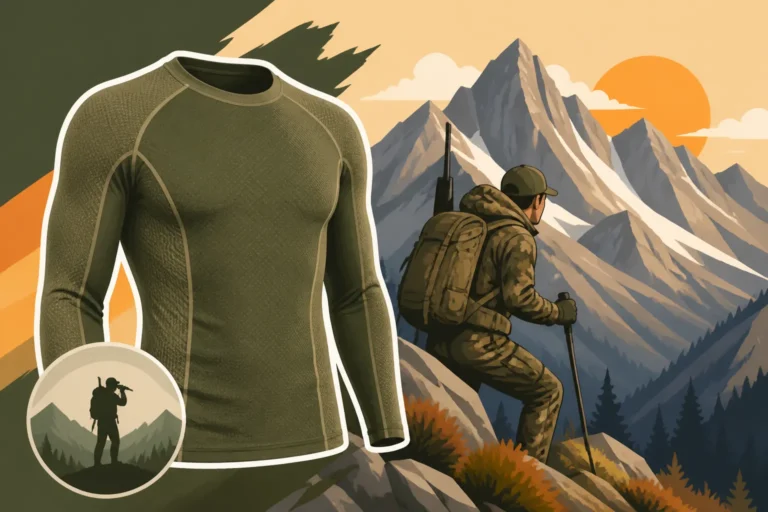
This is why cotton is the enemy of any serious hunter. Cotton absorbs moisture and holds it, acting like a cold, wet sponge against your skin. Instead, you want materials like merino wool or synthetic fabrics (polyester, polypropylene). Merino wool is fantastic because it's naturally antimicrobial, meaning it resists odor, and it retains some insulating properties even when damp. Synthetics are excellent at wicking moisture away quickly and drying fast. For a cold Sierra morning, a mid-weight merino base layer top and bottom is an excellent choice. It provides a little warmth initially but more importantly, it moves sweat away from your skin when you start climbing those steep ridges while Hunting California's Sierra Nevada Backcountry.
The Mid-Layer: Insulating for Warmth
Once your base layer is taking care of moisture, your mid-layer steps in to provide the bulk of your insulation. This layer traps air, which your body then warms, creating a barrier against the cold. The thickness and type of mid-layer you choose will depend on how cold you expect it to be and how active you plan to be.
Common mid-layer materials include fleece, down, or synthetic puffies. Fleece is versatile, breathable, and relatively inexpensive, making it a great workhorse. Down is incredibly warm for its weight and highly compressible, but loses its insulating power when wet. Synthetic puffies offer a good balance, providing warmth even when damp and compressing well. For a cold Sierra morning, I often start with a good fleece jacket or vest over my base layer. If it's truly frigid, or if I anticipate long periods of sitting still while Glassing a Canyon for a Bedded Buck, I might opt for a lightweight synthetic puffy that I can easily shed and pack away once I get moving.
The Outer Layer: Protection from Elements
The outer layer, often called a shell, is your shield against the external world. Its job is to protect you from wind, rain, and snow. It doesn't typically provide much insulation on its own, but it prevents cold air from penetrating your mid-layers and keeps you dry. This is critical because wind chill can make a moderately cold day feel brutally cold, and wet clothing rapidly leads to heat loss.
There are various types of outer layers, from softshells that offer good breathability and some wind/water resistance to hardshells with waterproof/breathable membranes. For Sierra hunting, especially in shoulder seasons, a good quality waterproof and windproof hardshell is often indispensable. Look for features like pit zips for ventilation, adjustable cuffs and hoods, and a durable face fabric that can withstand rubbing against brush. Even on days when rain isn't in the forecast, a lightweight, packable shell is a smart addition to your kit, ready to defend against an unexpected shower or a cutting wind on an exposed ridge. Preparing for these conditions is part of good scouting, and resources like GoHunt can help you plan your trip by providing detailed maps and weather insights for specific areas.
Practical Application: Building Your Sierra Hunting Kit
Knowing the types of layers is one thing; putting them into practice effectively is another. It's about thinking ahead, anticipating your movements, and making smart choices both before and during your hunt.
Scenario Planning: Cold Start, Active Day
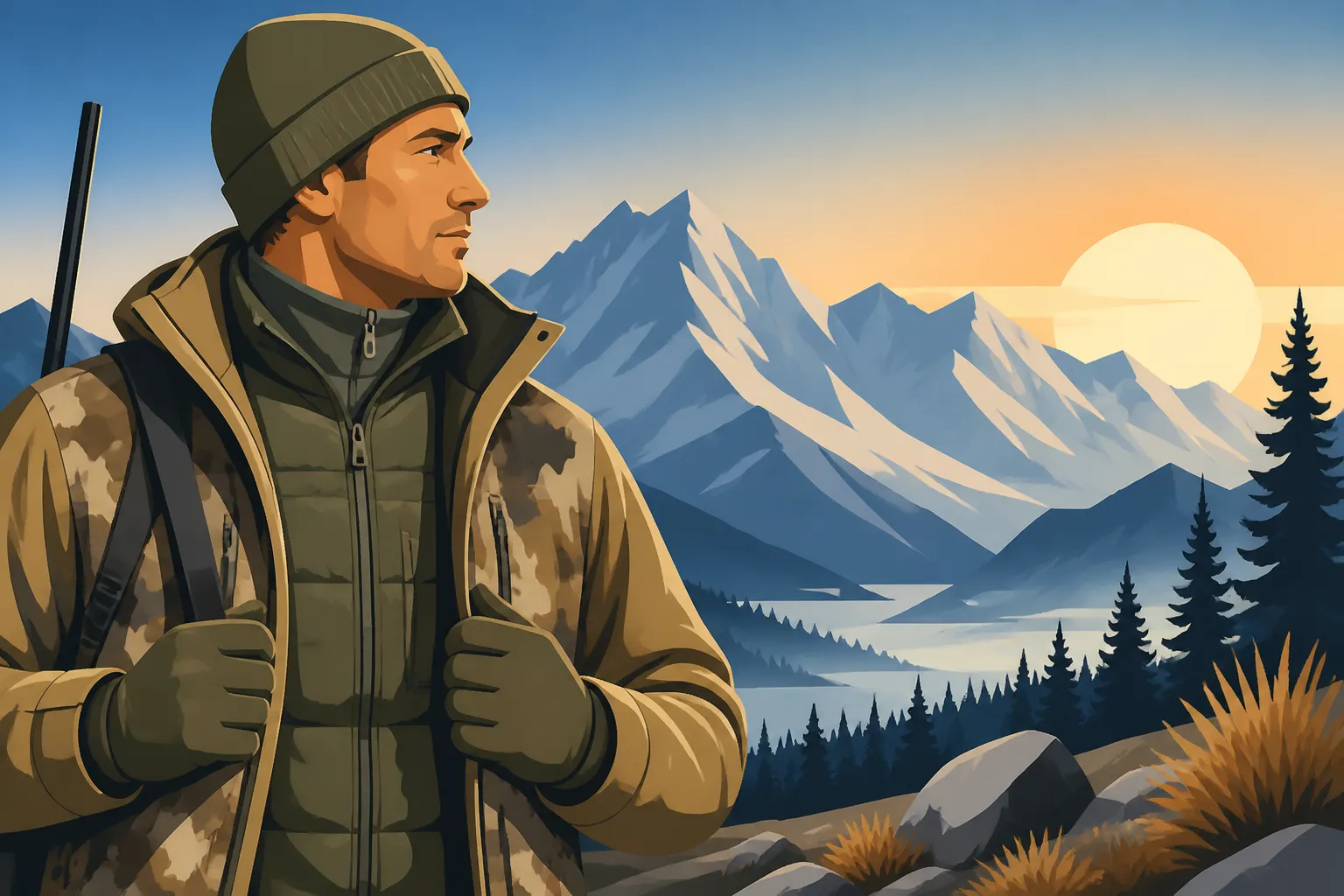
Let's walk through a typical Sierra morning. You wake up in your tent, the air is stinging cold, maybe 28-30 degrees Fahrenheit. You slip into your merino wool base layers – top and bottom. Over that, you pull on your mid-weight fleece or a lightweight synthetic puffy jacket. For your outer layer, you might have a windproof softshell jacket or even your waterproof hardshell if there's a heavy frost or a breeze. A warm hat and gloves are essential at this stage, along with good insulated boots. This initial setup keeps you warm while you eat breakfast, pack up, and walk the initial flat section to your hunting grounds. Don't forget the right boots, Lightweight Boots for Steep California Sierra Terrain make a huge difference.
Now, you start climbing a steep hill in the dark, trying to get to a high vantage point for first light. Within 15 minutes, your body is generating significant heat. This is where hunters often make the mistake of not shedding layers. You'll want to stop, carefully remove your outer layer and maybe even your mid-layer, stashing them in your pack. Continue with just your base layer or a thin mid-layer. The goal is to avoid sweating profusely. Once you reach your glassing spot at the top, just before the sun rises, you’ll immediately put your warmer layers back on, preventing a rapid chill as your activity level drops. This constant adjustment is the secret. Having gear that packs down small, like many options found with a quick search on GoHunt, is invaluable.
Essential Accessories and Their Layering Role
Often overlooked, accessories are integral to a successful layering system. They regulate heat where you lose it most quickly: your head, hands, and feet.
- Headwear: A warm beanie or stocking cap is non-negotiable for cold mornings. You lose a significant amount of heat through your head. As you warm up, you can switch to a brimmed cap or simply remove it. A neck gaiter is also incredibly versatile, offering warmth around your neck and face, and easily pulled up over your ears or down when you're too warm.
- Gloves: Cold hands can ruin a hunt. Start with a thin liner glove for dexterity, which can be worn inside a warmer, insulated glove or mitten. As you move, the insulated outer layer can be removed, leaving you with just the liners for some protection.
- Socks: Just like base layers, choose wool or synthetics. Never cotton. A good wicking liner sock worn under a mid-weight wool hiking sock provides cushioning and moisture management. If your feet get cold easily, consider a heavier wool sock or even specialized insulated hunting socks, especially when you're sitting still.
Packing Smart: Quick Access and Redundancy
A layering system is only effective if you can actually use it. This means packing your layers strategically in your hunting pack. Don't bury your puffy jacket at the bottom of your pack, requiring a full unpack to retrieve it. Utilize external pockets, the top lid, or readily accessible main compartment space for your most frequently added/removed layers.
Consider a small, ultralight rain shell that lives in an outer pocket, ready for an unexpected shower, like what might happen if you are Hunting Northern California's Coast Range and a system blows in. Having a spare pair of dry socks in a sealed bag is also a wise redundancy for any multi-day hunt, especially when the weather turns wet. Planning your gear and packing strategically based on the expected conditions, and checking sources like GoHunt for detailed regional forecasts and gear recommendations, makes a huge difference in your comfort and safety.
Common Layering Mistakes and How to Avoid Them
Even seasoned hunters can make layering mistakes, especially when dealing with the Sierra's variable conditions. Being aware of these common pitfalls can help you avoid discomfort and stay focused on the hunt.
Over-Dressing at the Start
This is perhaps the most common mistake. It's tempting to bundle up excessively when you step out into the pre-dawn chill. However, if you're planning on moving more than a few hundred yards, over-dressing will almost guarantee you'll start sweating heavily within minutes. Remember, sweat is the enemy. It's far better to start slightly cool, knowing your body will warm up quickly once you begin walking, than to start overly warm and drench yourself in sweat.
The trick is to find that sweet spot: enough layers to be comfortable during periods of low activity (like setting up camp or eating breakfast), but knowing exactly which ones to peel off as soon as you start your ascent. You can always add layers back if you get too cold, but once you're soaked, it's a much harder battle to get dry and warm again.
Neglecting Extremities
Your core is important, but your head, hands, and feet are often the first to feel the cold, and neglecting them compromises your overall warmth. When your brain senses that your extremities are cold, it reduces blood flow to those areas to prioritize sending warm blood to your vital organs. This makes your hands and feet even colder, potentially leading to discomfort, numbness, and loss of dexterity.
Always prioritize high-quality gloves, a warm hat, and excellent socks. It’s often easier to regulate your core temperature with mid-layers than it is to warm up frozen fingers or toes once they’ve gotten cold. A good balaclava or neck gaiter can also make a significant difference in perceived warmth by protecting your face and neck from biting winds. When you're spending hours out in exposed areas like when Hunting a National Forest Burn Scar, these small details become paramount.
Ignoring Material Science
Not all fabrics are created equal, especially when it comes to performance in the field. As mentioned, cotton is a no-go. But even within synthetics and wool, there are variations. Lightweight merino is fantastic for base layers, but a heavy wool outer jacket might be too bulky for active hunting, though it excels at silent sitting.
Understanding the properties of different materials – how they wick moisture, insulate, dry, and breathe – is essential for building an effective system. Investing in technical hunting apparel from reputable brands, often highlighted on platforms like GoHunt, might seem expensive upfront, but it pays dividends in comfort, durability, and performance in the long run. Cheap, non-technical clothing can compromise your entire system, leaving you cold, wet, and miserable.
Not Checking Forecasts and Terrain
This might seem obvious, but many hunters glance at a general forecast and call it good. The Sierra's microclimates mean a valley forecast can be drastically different from what you'll experience at 8,000 feet. Always check the specific elevation and area you plan to hunt. Look for forecasts that include wind chill, precipitation chances, and temperature swings.
Beyond the forecast, consider the terrain. Are you hunting open ridges where wind will be a constant factor, requiring more windproof layers? Or are you in dense timber where you'll generate more heat and need better breathability? Will you be crossing creeks, necessitating waterproof boots and perhaps gaiters? Planning for these specifics, even using mapping tools to identify potential water crossings or exposed ridges, helps you tailor your layering system precisely. It can make all the difference in preparing for success whether you are Scouting California Public Land Before Season or already deep into your hunt.
| Layer Type | Purpose | Ideal Materials | When to Use (Sierra Morning) |
|---|---|---|---|
| Base Layer | Wicks moisture, light insulation | Merino Wool, Synthetic Polyester | Worn always, manages sweat from activity. |
| Mid-Layer | Insulates, traps warm air | Fleece, Synthetic Puffy, Down | Worn over base for warmth, removed when active. |
| Outer Layer | Protects from wind & rain | Hardshell (waterproof/windproof), Softshell | Worn in wind, rain, snow, or extreme cold. |
| Accessories | Regulates heat in extremities | Wool/Synthetic Socks, Hats, Gloves | Critical for cold starts and low activity. |
Disclaimer
This article is for general informational purposes only and does not constitute professional advice. Laws, prices and regulations vary by location and change over time. Consult a qualified professional for guidance on your specific situation.