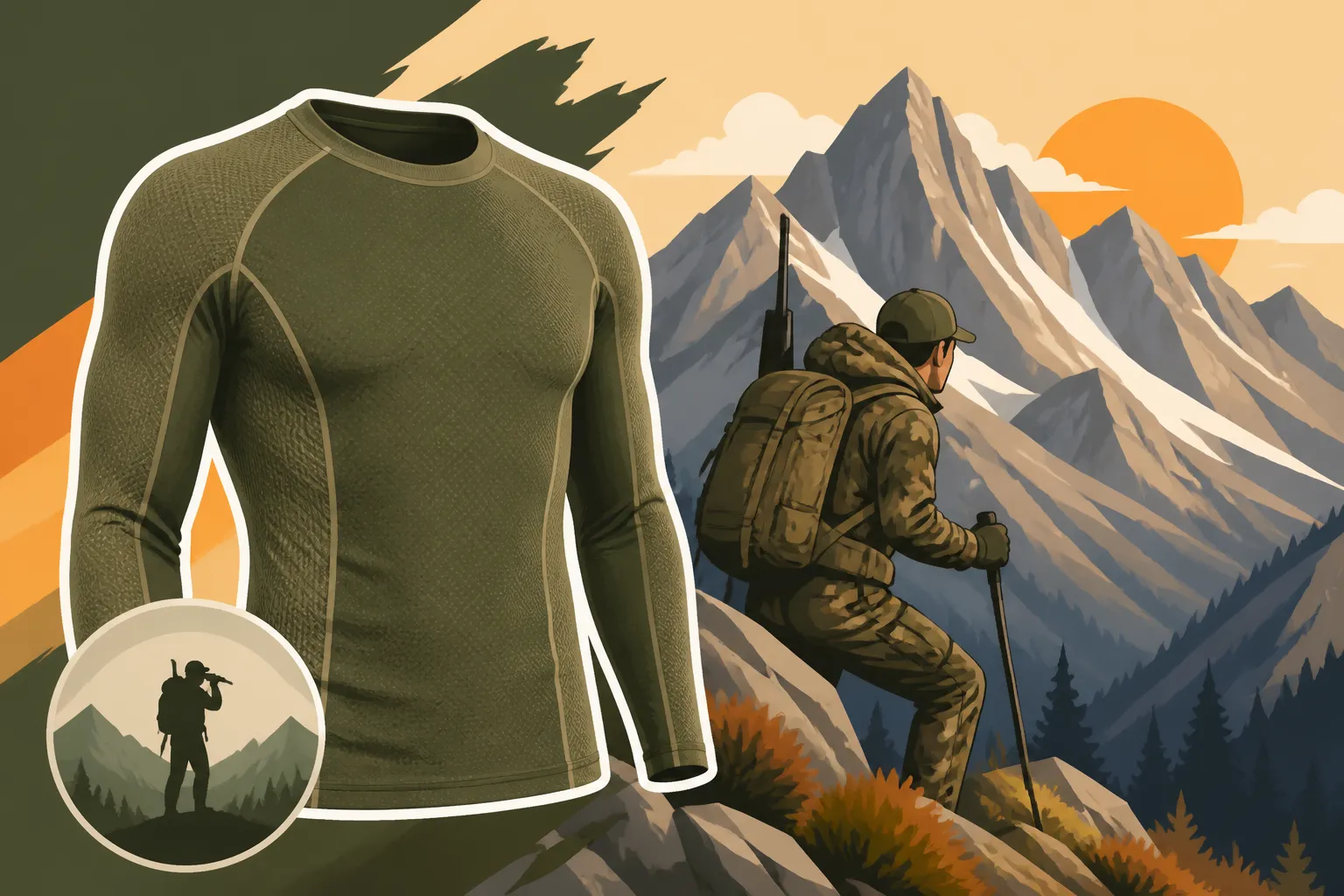
Best Base Layer for a Steep Sierra Hike
Hiking steep trails in California's Sierra Nevada is a beast, right? One minute you're sweating buckets climbing a thousand feet of elevation, the next you're hunkered down in a shadow getting chilled as a light breeze picks up. The Sierra is notorious for throwing every kind of weather at you, sometimes all in the same day. Picking the wrong base layer can mean the difference between a comfortable, focused hunt and an absolutely miserable experience that leaves you shivering or drenched in sweat. This guide is all about helping you nail down the perfect base layer so you can focus on the hunt, not on being uncomfortable.
Understanding the Sierra Nevada Challenge
The Sierra Nevada mountain range, stretching like a backbone across much of eastern California, is as beautiful as it is demanding. It's a place where weather can change on a dime, where a gentle stroll can quickly turn into a grueling climb, and where your gear choices directly impact your safety and success. Hunting here requires a deep understanding of these environmental factors, and your base layer is the foundation of your entire clothing system.
The Dynamic Weather of the High Sierra
Anyone who's spent time in the Sierra knows that the weather forecast is often just a suggestion. You might start your day under clear, crisp skies, feeling the chill of a pre-dawn mountain morning, only to be hit by a sudden thunderstorm or a blast of high-altitude wind by midday. Temperatures can swing wildly, dropping significantly as the sun dips behind a ridge or climbs in elevation. Imagine glassing for a buck in an exposed basin, bundled up against the morning cold, then spending the afternoon tracking through sun-drenched timber in 70-degree heat. Your base layer needs to perform in both extremes, managing your body's temperature and moisture effectively. A common frustration is wearing a material that holds sweat, making you feel clammy and then dangerously cold when you stop moving. This isn't just about being uncomfortable; it's about minimizing the risk of hypothermia, especially if you're deep in the backcountry.
The Physical Demands of Steep Ascents
Let's be real, hunting in the Sierra means climbing. Lots of climbing. Whether you're gaining elevation to get a better vantage point, busting brush up a steep canyon, or scaling a rocky slope to reach a remote basin, your body is going to generate a lot of heat and sweat. A base layer that can't breathe or wick moisture away efficiently will quickly become saturated. This is where cotton becomes your worst enemy—it absorbs moisture and holds it against your skin, cooling you down too rapidly when you stop and increasing your risk of chilling.
Think about a typical morning: You start a pre-dawn hike up a steep ridge, maybe two thousand feet of elevation gain in a couple of hours. You're working hard, breathing heavy, and sweating buckets. You finally reach your glassing knob, stop moving, and the wind hits you. If your base layer is wet, that sweat now acts like a refrigerator, rapidly pulling heat from your body. You'll quickly go from overheated to shivering. A good base layer needs to move that moisture away from your skin, allowing it to evaporate from subsequent layers, keeping your core temperature stable. This is crucial for avoiding unnecessary discomfort and maintaining your focus when you’re Hunting California's Sierra Nevada Backcountry.
Key Properties of an Effective Base Layer
Choosing a base layer isn't just about picking something warm; it's about selecting a piece of clothing that acts as your personal climate control system. When you're facing the rigors of a Sierra hunt, your base layer needs to do several jobs, and do them well. Ignoring these critical properties is a recipe for a miserable trip.
Moisture-Wicking is Non-Negotiable
This is perhaps the single most important function of any base layer, especially in an environment like the Sierra Nevada where exertion levels vary wildly. Moisture-wicking means the fabric has the ability to draw sweat away from your skin and transfer it to the outer surface of the garment, where it can evaporate. When you're busting uphill with your pack, your body is generating heat and sweat. If that sweat stays next to your skin, it cools you down too quickly when you stop, making you feel chilled and clammy. This "evaporative cooling" can be dangerous.
A high-performance base layer actively pulls moisture outwards, keeping your skin dry. This isn't just about comfort; it's a vital safety mechanism. A dry base layer means your body doesn't have to work as hard to maintain its core temperature, conserving energy that you'll need for the rest of your hunt. This is particularly important when considering things like Wind and Thermals in Steep Sierra Country, as a sudden gust on a wet shirt can quickly lead to a significant drop in perceived temperature.
Temperature Regulation and Versatility
Beyond just wicking moisture, an excellent base layer needs to help regulate your body temperature. This means it should keep you warm when it's cold, but also prevent you from overheating when you're working hard or when the sun comes out. Some fabrics achieve this through their inherent insulation properties, while others excel at breathability. The best base layers strike a balance, offering insulation without sacrificing the ability to dump excess heat.
This versatility is paramount for Sierra hunting. You might experience freezing temperatures at dawn, warm midday sun, and then a cold snap at dusk. A base layer that can adapt to these swift changes saves you from constantly adding or shedding layers, which can be cumbersome and time-consuming when you're trying to stay stealthy. The material should feel comfortable against your skin, allowing for full range of motion without restriction, which is critical when you're climbing over downed timber or crawling through brush.
Durability and Comfort for Long Days
A base layer isn't just a piece of fabric; it's an investment, and it needs to withstand the abuse of backcountry hunting. Steep granite, abrasive chaparral, and repeated washing cycles can take a toll on any garment. You need a fabric that can resist snags, tears, and excessive pilling, ensuring it holds up throughout a multi-day hunt and for seasons to come. Think about the sharp edges of rocks as you scramble, or the abrasive nature of thick brush you might push through—your base layer is often the first line of defense against minor abrasions.
Comfort, of course, goes hand-in-hand with durability. When you're wearing a garment for 12-16 hours a day, potentially for several days straight, any discomfort becomes amplified. Flatlock stitching, which minimizes chafing, is a huge bonus. A soft, non-itchy fabric that moves with your body is essential. Nobody wants to be distracted by an irritating seam or scratchy material when a trophy buck steps into view. This comfort contributes to your overall mental state, allowing you to stay focused on the task at hand rather than nagging physical annoyances.
Materials: Merino Wool vs. Synthetics
When it comes to base layers, the debate often boils down to two main categories: natural merino wool and advanced synthetic fabrics. Both have their devout followers and offer distinct advantages, but understanding their properties is key to making the right choice for your Sierra adventures.
The Natural Power of Merino Wool
Merino wool, harvested from merino sheep, has become a darling of the outdoor industry for good reason. It's a natural fiber renowned for its incredible softness—far removed from the scratchy wool sweaters of old—and its exceptional performance characteristics. One of its greatest strengths is its warmth-to-weight ratio; it provides significant insulation without being bulky. Perhaps even more importantly for hunters, merino wool is naturally antimicrobial, meaning it resists odor-causing bacteria. You can wear a merino base layer for multiple days on a backcountry hunt, sweating profusely, and it won't stink like a synthetic might. This is a game-changer for multi-day trips where laundry isn't an option.
Merino also has a remarkable ability to regulate temperature. It helps keep you warm when it's cold and surprisingly cool when it's warm, thanks to its breathable fibers. Another huge advantage is its performance when wet; merino wool retains a significant amount of its insulating properties even when damp, unlike cotton. This can be a lifesaver if you get caught in unexpected rain or work up a heavy sweat. However, merino isn't without its downsides. It tends to be more expensive than synthetics, and while modern merino is more durable than traditional wool, it can still be more prone to holes or snags from sharp branches or rock edges compared to some synthetics. It also dries a bit slower than pure synthetics. Brands like KUIU and First Lite are well-known for their excellent merino offerings for hunters.
The Performance of Synthetic Fabrics
Synthetic base layers are typically made from polyester, polypropylene, or a blend of both. These materials are engineered for high performance, focusing primarily on rapid moisture-wicking and quick drying. Synthetics excel at moving sweat away from your skin and dispersing it across the fabric surface, where it evaporates quickly. This fast-drying capability is a huge advantage, especially in situations where you might get wet often or need your layers to dry out overnight in camp.
Synthetics are also typically more durable than merino wool, standing up better to abrasion and repeated washing. They're often more affordable, making them a popular choice for budget-conscious hunters. Modern synthetics are often treated with antimicrobial finishes to combat odor, but these treatments can wear off over time, and synthetics generally won't match merino's natural odor resistance over multiple days of hard use. They can sometimes feel a bit "slick" or "clammy" against the skin compared to the natural feel of wool, though fabric technology is always improving. Brands like Sitka Gear and Patagonia offer highly effective synthetic base layers designed for strenuous activity. Many seasoned hunters use resources like GoHunt to scout areas and meticulously plan their hunts, and that same level of detail should apply to choosing the synthetic base layers that will perform best for them.
Choosing the Right Weight for Your Hike
Base layers come in various weights, generally categorized as lightweight, midweight, and heavy/expedition weight. The weight refers to the thickness and density of the fabric, which directly impacts its warmth and breathability. Your choice of weight should align with the expected temperatures, your activity level, and the time of year you'll be hunting.
- Lightweight: Ideal for warmer conditions, early season hunts, or high-exertion activities where maximum breathability and moisture-wicking are paramount. Think August archery seasons in Zone A where the days are hot but evenings can still be cool. These are great for keeping the sun off while offering just a touch of insulation.
- Midweight: The most versatile option for many Sierra hunting scenarios. Midweight layers provide good insulation for cooler temperatures while still offering excellent breathability for moderate activity. They are a solid choice for general season deer hunts in the fall or Hunting a D-Zone That Opens in August where you might encounter a wide range of temperatures.
- Heavy/Expedition Weight: Designed for cold weather, stationary periods, or extreme high-altitude hunts. These layers offer maximum warmth but are less breathable, making them less suitable for intense, sustained activity unless temperatures are truly frigid. They are often reserved for late-season pursuits or very cold glassing sessions in the high country.
| Feature | Merino Wool | Synthetic Fabrics |
|---|---|---|
| Moisture Wicking | Excellent, but absorbs some moisture | Excellent, pushes moisture to surface quickly |
| Odor Resistance | Superior (naturally antimicrobial) | Good (often treated, but can build up) |
| Warmth (Wet) | Retains significant warmth | Less effective when wet, can feel cold |
| Drying Time | Moderate to slow | Fast |
| Durability | Moderate (can be prone to holes/snags) | High (resistant to abrasion) |
| Comfort/Feel | Soft, comfortable, non-itchy | Can feel slick, sometimes clammy, less natural |
| Weight Options | Very wide range (ultralight to expedition weight) | Wide range (lightweight to heavier blends) |
| Cost | Generally higher | Generally lower |
Practical Considerations and Layering Strategies
Once you understand the benefits of different materials and weights, it's time to think about how your base layer integrates into your overall hunting system. The fit, how it works with other layers, and how you care for it all play a crucial role in its effectiveness and longevity.
Fit and Functionality Matters
The fit of your base layer is more important than you might think. For optimal moisture-wicking and thermal regulation, a base layer should fit snugly against your skin without being constrictive. If it's too loose, it won't effectively pull moisture away from your body. If it's too tight, it can restrict movement and circulation, leading to discomfort. Look for garments with flatlock seams, which are designed to lie flat against the skin to prevent chafing during repetitive movements like hiking with a heavy pack.
Consider the design features: a crew neck is simple and effective, while a quarter-zip neck allows for easy ventilation when you're heating up on an uphill climb and can be zipped up for warmth when you stop. Hooded base layers offer extra protection for your neck and head from sun or cold, which can be invaluable when you're hunkered down in a glassing spot. Think about your specific hunting style. Are you moving constantly, or spending hours sitting? Your choices in neck and hood style can make a big difference in adaptable comfort.
Layering for Success: Beyond the Base
Your base layer is just the beginning of a successful clothing system; it's the engine that drives your comfort. It works in conjunction with your mid-layers and outer shell to create a dynamic system that can adapt to any conditions the Sierra throws at you. The principle is simple: your base layer wicks moisture, your mid-layers provide insulation, and your outer shell offers protection from wind and rain.
For example, when you’re facing cool mornings that turn into warm afternoons, as is common during the Hunting California's Zone A July Archery Opener, you might start with a lightweight or midweight merino base layer. As you exert yourself, that base layer moves sweat away. If it gets colder, you add a fleece or puffy jacket as a mid-layer to trap warm air. If rain or heavy wind kicks up, a waterproof/windproof shell goes over everything, protecting the insulating layers beneath while the base layer continues to manage moisture. Understanding this synergy is key to staying comfortable and safe in unpredictable mountain environments. You can get more details on balancing your clothing system in our guide on Layering for Hot-to-Cold Zone A Archery Days.
Care and Maintenance for Longevity
Investing in a good base layer means you want it to last. Proper care is essential, especially for merino wool, which can be more delicate than synthetics. Always check the care label for specific instructions, but here are some general tips:
- Washing: Wash base layers in cold water on a gentle cycle. Turn them inside out to protect the outer surface. Use a mild detergent; avoid harsh chemicals, bleach, or fabric softeners, as these can break down the fibers (especially merino) and reduce the fabric's wicking ability.
- Drying: Air drying is almost always the best option, particularly for merino wool, which can shrink or get damaged by high heat. Lay synthetic garments flat or hang them to dry. If you must use a dryer for synthetics, use a low heat setting.
- Storage: Ensure your base layers are completely dry before storing them to prevent mildew and odors. Store them neatly to avoid stretching or damage.
Regularly inspecting your gear, much like using a platform like GoHunt to scout and prepare for your hunt, will help identify any wear and tear before it becomes a problem in the field. A small hole in a base layer can become a large cold spot, compromising your entire layering system. Taking care of your base layers ensures they're ready to perform season after season, keeping you comfortable and focused on your pursuit in the challenging but rewarding California backcountry.
Disclaimer
This article is for general informational purposes only and does not constitute professional advice. Laws, prices and regulations vary by location and change over time. Consult a qualified professional for guidance on your specific situation.