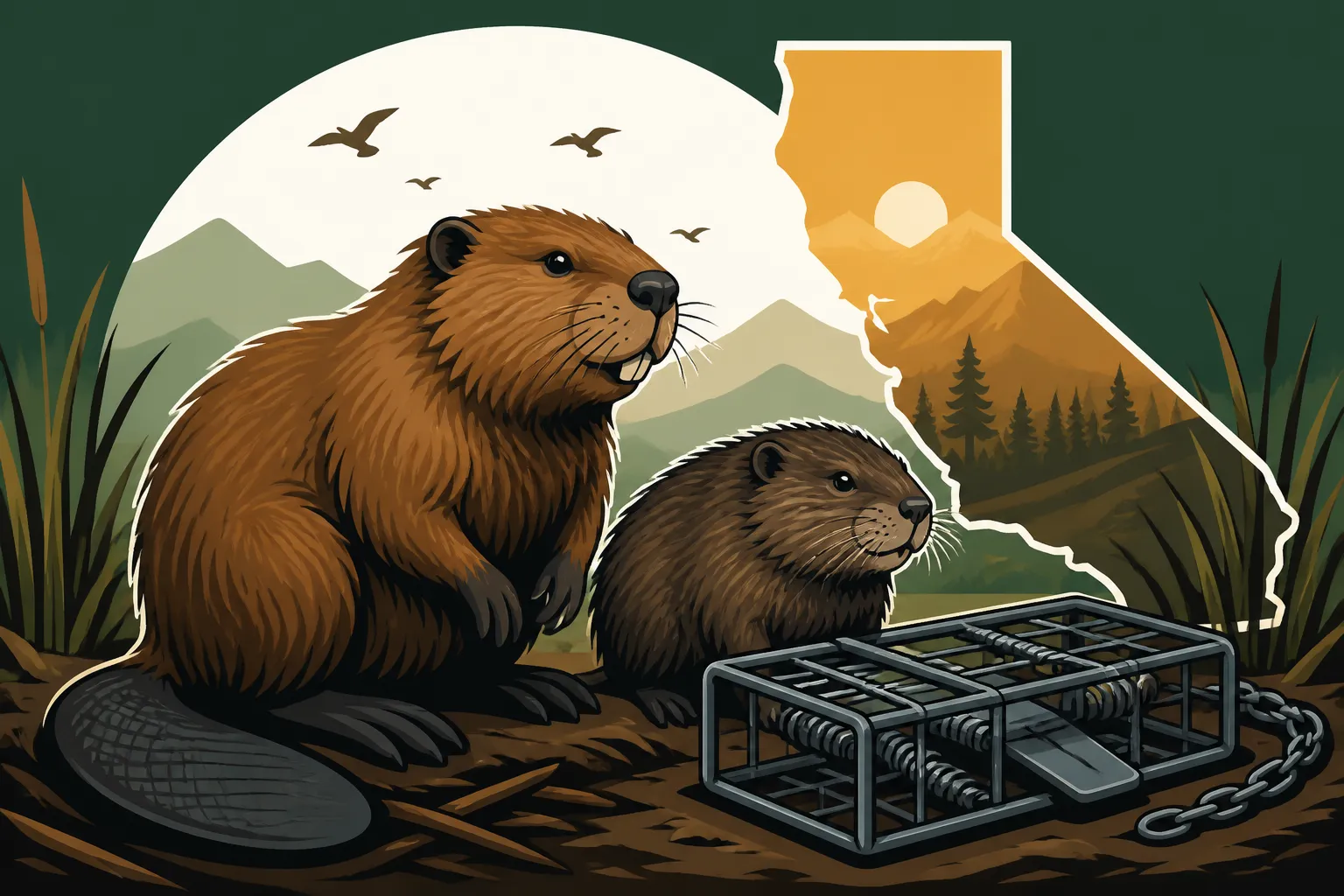
Trapping California Beaver and Muskrat
Trapping beaver and muskrat in California can feel like navigating a maze of ever-changing rules and finding those elusive, prime locations. It's frustrating to invest time and effort only to realize you've overlooked a critical regulation or wasted energy in unproductive areas. This comprehensive guide will cut through the confusion, offering clear, actionable steps to help you successfully trap these valuable furbearers across the Golden State, from understanding the legalities to setting effective traps and processing your hard-earned catch.
Understanding California's Regulations for Beaver and Muskrat Trapping
Before you even think about putting a single trap in the water, it is absolutely paramount to understand California's specific regulations for trapping furbearers like beaver and muskrat. The California Department of Fish and Wildlife (CDFW) takes these rules very seriously, and ignorance is definitely not an excuse. There's a lot more to it than just buying a license; you need to know when, where, and how you can legally operate. Skimming the rulebook just won't cut it, as these regulations are in place to ensure ethical trapping practices and sustainable wildlife management. Many a trapper has learned this the hard way, facing citations or even confiscation of their gear for simple misunderstandings.
Licensing and Season Dates for Furbearers
The very first step on your trapping journey in California is obtaining the correct licensing. You'll need a California hunting license, and then, crucially, you must also purchase a Furbearer Trapping License. This isn't just a formality; it signifies your commitment to understanding and abiding by the specific rules governing furbearers. For residents, the fees are quite reasonable, but non-residents will find them significantly higher, which is typical across many states to manage out-of-state pressure. You can find detailed information on the fees and how to obtain your permits by searching for "California Trapping License Requirements."
Once you have your license, you need to mark your calendar for the season dates. For both beaver and muskrat, the trapping season traditionally runs from November 1st through March 31st. This timing is critical because it ensures that furbearers are harvested when their pelts are prime, meaning they are thicker, denser, and hold more value. Trapping outside these dates is illegal and unethical, as animals may be nursing young or their fur quality would be poor, leading to waste. Always double-check the current year's regulations on the CDFW website, as dates can occasionally shift due to biological factors or management decisions. Additionally, while the statewide season is fixed, there might be specific areas, like certain wildlife areas or ecological reserves, that have localized restrictions or special draw periods that you need to be aware of.
Approved Trapping Methods and Setbacks
California has some of the strictest trapping regulations in the nation, particularly concerning trap types and where they can be set. The state has moved almost entirely away from traditional body-gripping traps on land due to concerns about non-target species. For beaver and muskrat, the focus is heavily on water sets and cage traps. You absolutely cannot use steel-jawed leghold traps or body-gripping traps on land in most situations. However, when fully submerged, conibear-style traps (like 330s for beaver and 110s/160s for muskrat) are generally permitted, as are snares, though snares also come with very specific requirements about break-away devices and loop size to prevent non-target captures.
The regulations also dictate specific setback distances. For instance, most traps must be set at least 150 yards from any dwelling, public road, or public trail. This is to minimize potential conflicts with people, pets, or livestock. When setting traps near residential areas or popular recreational spots, this setback becomes a real challenge, often limiting viable locations. Furthermore, all traps must be checked at least once every 24 hours. This isn't just a recommendation; it's a legal requirement designed to prevent undue suffering for trapped animals. Neglecting your traps can lead to penalties and is simply inhumane. It means you need to plan your trapline carefully, ensuring all sets are accessible for daily checks, even in adverse weather conditions.
Reporting Your Harvest and Compliance
Reporting your furbearer harvest in California is not optional; it's a mandatory part of the process, just like reporting your deer or bear harvest. Every beaver and muskrat you take must be documented and submitted to the CDFW. This data is incredibly important for wildlife managers to assess population trends, evaluate the effectiveness of regulations, and ensure sustainable trapping seasons for years to come. Failing to report can result in fines and the loss of your trapping privileges.
The CDFW usually provides specific reporting forms or an online system, such as the Automated License Data System (ALDS), for submitting your harvest information. You'll typically need to report details such as the species, date of harvest, county, and trapping method used. Beyond simply reporting, compliance also involves proper trap tagging, which means attaching a tag with your CDFW Go ID number to every single trap you set. This ensures accountability and helps wardens identify legal sets. Always carry a copy of your Furbearer Trapping License and hunting license when you're out on the trapline, along with proof of your completed hunter education. Game wardens frequently patrol waterways and public lands, and they expect trappers to be fully compliant and knowledgeable about the regulations.
Locating Prime Beaver and Muskrat Habitat in California
Finding the right spot is often 90% of the battle when trapping. Beaver and muskrat aren't everywhere; they have very specific habitat requirements. Understanding these needs and knowing how to "read" the landscape for their presence will dramatically increase your success rate. California offers a vast array of waterways, from high-country streams to lowland sloughs, but not all of them will hold furbearers. You need to become a detective, looking for subtle clues that indicate their presence and activity. Many new trappers make the mistake of simply putting traps in the nearest water, only to be disappointed by empty sets. Effective scouting is key to minimizing wasted time and maximizing your opportunities.
Identifying Beaver Sign Along Waterways
Beaver are masters of engineering, and their presence is usually quite obvious if you know what to look for. They prefer slow-moving water, like rivers, creeks, ponds, and lakes, particularly those with plenty of deciduous trees like willow, cottonwood, and aspen along their banks. The most unmistakable sign is, of course, their dams. These massive structures of sticks, mud, and rocks can transform entire sections of a waterway, creating ponds and altering water flow. While you might not be trapping the dam itself, the pond it creates is prime habitat.
Beyond dams, look for fresh cuttings. Beaver fell trees and gnaw on branches, leaving distinct conical chew marks. You'll see peeled sticks and logs floating in the water or along the bank, indicating they've been feeding. Their lodges, dome-shaped structures built from sticks and mud, are usually found within these ponds or along deep banks. Another key sign is fresh mud slides, often called "beaver slides," leading from the bank directly into the water, indicating active entry and exit points. Pay close attention to these slides; they are often travel routes to feeding areas. Lastly, look for castor mounds – small piles of mud and debris near the water's edge, marked with a strong, musky scent. These are territorial markers and excellent spots for blind sets or lure placement. When scouting, think about where they would feed, travel, and seek shelter. You can even apply some of the same observational skills used for "Reading California Mud for Fresh Deer Movement" to identify fresh beaver tracks or disturbed banks.
Finding Muskrat Hotspots in Wetlands
Muskrat, while related to beaver, have slightly different habitat preferences and are much smaller and more elusive. They thrive in marshy areas, slow-moving streams, canals, and ponds with abundant aquatic vegetation. Think cattails, bulrushes, and water lilies – these provide both food and cover. Unlike beaver, muskrat don't build large dams or fell trees. Instead, they create conical push-ups or feed beds made of vegetation in shallow water, often resembling small haystacks. These are usually visible above the waterline and are common in sloughs and flooded fields across the Central Valley.
Their dens are typically burrows dug into banks, often with underwater entrances. Look for small, distinct trails or "runs" through shallow water and dense vegetation, leading to these bank dens or feed beds. Sometimes you'll see chewed vegetation floating near their feeding areas. Muskrat scat, small, dark pellets, can also be found on logs or rocks near the water. They are highly active at dusk and dawn, so scouting during these times might reveal subtle movements you'd otherwise miss. Don't overlook irrigation ditches and drainage canals in agricultural areas; these can be muskrat superhighways, especially where thick vegetation lines the banks.
Scouting Public and Private Land for Trapping Opportunities
California offers a mix of public and private lands for trapping, each with its own set of challenges and opportunities. On public land, you'll primarily be looking at Bureau of Land Management (BLM) lands, National Forests, and State Wildlife Areas. Remember to always check the specific regulations for each public land unit, as some may have seasonal closures, restrictions on trap types, or even specific draw hunts. For instance, while "California Wildlife Areas and Ecological Reserves" can offer prime wetland habitat, some may not allow trapping or might have very limited access.
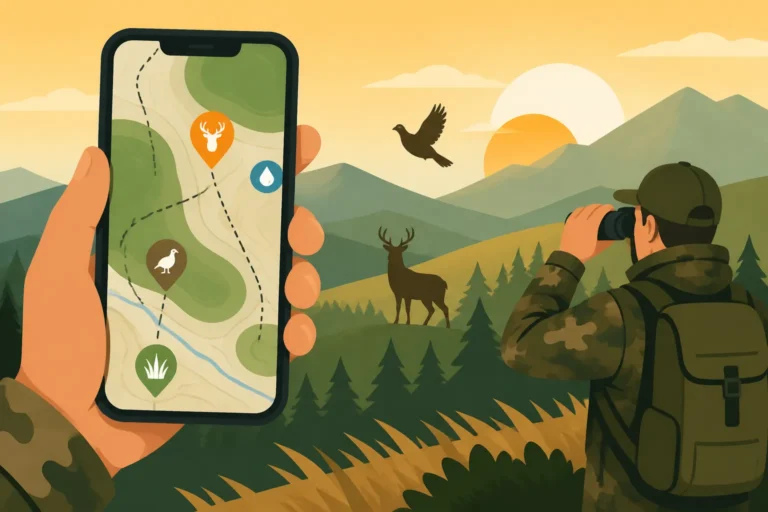
When scouting public land, especially vast areas like those managed by the BLM, modern mapping tools are indispensable. Platforms like GoHunt, along with the CDFW hunting app, provide invaluable layers showing land ownership, topographic features, and even recent satellite imagery that can reveal potential waterways, marshes, and vegetation types. Using GoHunt, you can identify promising stretches of river or wetland, then use the satellite view to zoom in and look for beaver dams, muskrat feed beds, or areas with dense aquatic vegetation. It helps you prioritize your ground scouting, saving you countless hours. For private land, the game changes. You must obtain explicit permission from the landowner before setting foot on their property, let alone setting traps. California's trespass laws are clear, and getting permission is non-negotiable. Often, landowners dealing with beaver damage to culverts or muskrat undermining pond banks are very receptive to trappers. A polite knock on the door, a clear explanation of your intentions, and an offer to help manage problem animals can open up fantastic opportunities.
Effective Trapping Techniques for Beaver and Muskrat
Once you've identified your target species and located prime habitat, it's time to talk traps. Selecting the right trap and employing effective sets are crucial for success and ethical trapping. There's an art and a science to it, blending knowledge of animal behavior with practical skills. You'll want to choose traps that are efficient, humane, and, most importantly, legal in California for water sets. This isn't about setting as many traps as possible; it's about making smart, strategic sets that have a high probability of success.
Best Traps and Sets for Beaver
For beaver, due to their size and strength, you'll typically be looking at larger conibear-style traps, primarily the 330 size. These are powerful traps designed for quick, humane dispatch when properly placed. The key is to ensure they are fully submerged in water, as required by California law. Setting them in shallow water where a beaver might just dip its head is not only less effective but potentially illegal if the trap isn't completely covered.
Common and Effective Beaver Sets:
- Runway Sets: Beaver create distinct underwater runs or channels, especially where they enter and exit their lodges, dams, or feeding areas. Find these constricted travel ways and place a 330 conibear directly in the run. Guide sticks or fencing can be used to funnel the beaver into the trap's jaws. Ensure the trap is secured to a sturdy anchor like a rebar stake driven deep into the bottom or a heavy drag, to prevent the beaver from escaping with the trap.
- Lodge/Den Entrance Sets: Beaver lodges and bank dens always have underwater entrances. By carefully placing a 330 conibear directly in front of an active entrance, you can intercept a beaver as it leaves or enters. This is a very effective set but requires careful placement to avoid disturbing the structure too much.
- Feed Bed/Bait Sets: Beaver are herbivores and are attracted to fresh cuttings, particularly willow, aspen, or cottonwood. You can create an artificial feed bed or simply place fresh cuttings near the water's edge, then set a 330 conibear on the submerged approach to the bait. Adding a commercial beaver lure (often castor-based) to nearby castor mounds or a scent stick can further entice them. This is where experience scouting for "Scrape Lines Along a Forest Service Road" can help you think about how animals use scent and visual cues.
- Channel Sets: In wider waterways, beaver often create smaller channels leading to desirable food sources or deeper water. Identify these natural bottlenecks and set your trap there. Again, the use of natural guides made from sticks or rocks can help direct the beaver into the trap.
Successful Muskrat Trapping Strategies
Muskrat are smaller and less powerful than beaver, so you'll use smaller conibear-style traps, typically 110s or 160s. These are lighter and easier to conceal. The same principle applies: traps must be fully submerged. While muskrats aren't as strong as beaver, they can still put up a fight, so sturdy anchors are still important to prevent escape.
Effective Muskrat Sets:
- Feed Bed Sets: This is arguably the most common and effective muskrat set. Locate an active muskrat feed bed or push-up in shallow water. Place a 110 or 160 conibear directly in the submerged entrance or along the travel path leading to it. You can often enhance this set by placing a piece of apple, carrot, or corn on the trigger wire, as muskrats are attracted to these foods.
- Bank Den Sets: Similar to beaver, muskrat dig burrows into banks, with underwater entrances. Find these active entrances and place a 110 or 160 conibear directly in the submerged opening. This is a classic set for targeting muskrats using their natural travel routes.
- Runway/Trail Sets: Muskrat create distinct narrow trails or "runs" through shallow water and dense vegetation. These are essentially muskrat highways. Place a 110 or 160 conibear directly in these runs. Again, natural guides can be used to funnel them into the trap.
- Culvert Sets: Drainage culverts and irrigation pipes are fantastic spots for muskrat. They often use these as travel routes. Placing a submerged trap at the entrance or exit of an active culvert can be highly effective.
Advanced Tips for Challenging Conditions
Trapping isn't always easy, and sometimes you'll face challenging conditions, whether it's fluctuating water levels, heavy rain, or increased pressure from other trappers. This is where advanced planning and adapting your techniques become crucial. Using mapping and scouting tools like GoHunt can help you understand terrain features that influence water flow and animal movement, allowing you to anticipate changes.
Advanced Strategies:
- Adjusting for Water Levels: If water levels rise significantly, your carefully placed submerged traps might become too deep or entirely out of the main travel lane. Conversely, falling water levels can expose traps or make areas inaccessible. Regular monitoring and quick adjustments are key. Consider using longer stakes or weighted anchors that can be moved with ease.
- Concealment is Key: While conibear traps don't require the same level of concealment as some other trap types, blending them into the environment can still increase success, especially for wary animals. Use natural vegetation to break up the outline of the trap.
- Lure and Bait Use: While muskrat are often caught with vegetable baits, beaver respond well to castor-based lures. For beaver, placing a small dab of lure on a nearby castor mound or a scent stick just above the water level can draw them in. For muskrat, a slice of apple or carrot placed directly on the trigger can be incredibly enticing. Remember that not all lures are created equal; experiment to see what works best in your area.
- Minimizing Human Scent: Although furbearers aren't as scent-sensitive as deer or bears, minimizing human scent on your traps and around your sets can still be beneficial. Wear gloves, and consider processing your traps by boiling them in water with natural materials like walnut hulls or pine needles to give them an earthy smell.
- Utilizing GPS and Mapping: When running a trapline, especially in remote areas or large tracts of public land, having your trap locations marked on a GPS or a mapping app like GoHunt is vital. This helps you quickly locate your traps, maintain a checking schedule, and avoid losing expensive gear. For those running longer traplines in rural California, this level of organization is invaluable for efficiency and safety.
Processing Your Catch and Maximizing Your Harvest
Successfully catching a beaver or muskrat is only half the battle. The next critical step is proper field care and pelt preparation. A poorly handled pelt can drastically reduce its value, negating all your hard work. This process requires a steady hand, attention to detail, and knowing the specific techniques for each animal. Beyond the fur, these animals can also provide meat and other valuable byproducts, making the most of your harvest.
Field Care and Skinning Techniques
Once you've retrieved a trapped animal, the clock starts ticking, especially in warmer weather. Rapid cooling and proper field dressing are essential to preserving the quality of the pelt and the meat. For beaver, immediately get the animal to a cool place. If you're on a long trapline, consider bringing a cooler with ice. For smaller muskrat, a simple game bag can suffice for transport back to camp or home.
Skinning a Beaver:
Beaver are large, so skinning requires some effort. Lay the beaver on its back. Make an incision from the chin down the center of the belly to the vent, being careful not to cut into the body cavity or through the pelt. Make additional cuts from each foot pad to the centerline. You'll typically "case skin" a beaver, meaning the pelt is pulled off like a sweater, leaving the fur side out. Use a sharp knife and work carefully, separating the hide from the muscle and fat. Beaver have a significant layer of fat that needs to be removed, as this can cause spoilage if left on the pelt. For beginners, it’s a good idea to watch some detailed instructional videos or learn from an experienced trapper, as the process can be intricate.
Skinning a Muskrat:
Muskrat are much easier to skin due to their smaller size and thinner fat layer. Most muskrats are also case-skinned. Make an incision from one hind leg, across the vent, to the other hind leg. You can then pull and carefully cut the pelt off, working down towards the head. The tail is often left on the carcass. The entire process for a muskrat can take just a few minutes with practice. Both animals require clean, sharp knives to prevent tearing the hide.
Preparing Pelts for Market
After skinning, the raw pelt needs to be "fleshed" and then stretched and dried. Fleshing is the process of removing all remaining fat, muscle tissue, and membrane from the hide. This is a crucial step; any lingering tissue can lead to spoilage or "grease burn" during the drying process, ruining the pelt. A dedicated fleshing beam and fleshing knife make this job much easier and more efficient, but you can manage with a sturdy wooden beam and a dull knife or scraper.
Beaver Pelt Preparation:
Beaver pelts are typically stretched round. You'll need a large beaver board or a specific stretcher that allows the pelt to be tacked out in a circular or oval shape. Ensure the pelt is stretched evenly, but not excessively, to avoid distorting the fur. Once stretched, the pelt needs to air dry in a cool, well-ventilated area away from direct sunlight or heat. This drying process can take several days or even weeks, depending on humidity. Regular checking is essential to ensure even drying and prevent mold.
Muskrat Pelt Preparation:
Muskrat pelts are usually stretched on wire or wooden stretchers, often in a long, narrow "case" shape. After fleshing, place the pelt fur-side-in on the stretcher, ensuring it's smooth and taut. Like beaver, muskrat pelts need to be dried in a cool, well-ventilated space. The drying time for muskrat is shorter than for beaver, typically a few days. The goal is a dry, pliable pelt with no remaining moisture. Once dry, the pelt can be removed from the stretcher and is ready for sale or tanning. Understanding these precise steps is key to "California Muskrat and Beaver Trapping Trends" because the market value is directly tied to pelt quality.
Utilizing Beaver and Muskrat for Meat and Lure
Many trappers focus solely on the fur, but beaver and muskrat can also be valuable food sources and provide other useful byproducts. Respecting the animal means utilizing as much of it as possible.
Beaver Meat:
Beaver meat is surprisingly lean and flavorful, often compared to pot roast or venison. The hindquarters and backstraps are particularly good. Many people cube it for stews, grind it for sausage, or slow-cook it until tender. Before cooking, trim off any remaining fat, as beaver fat can have a strong, gamey flavor that some find off-putting. Soaking the meat in saltwater or buttermilk overnight can also help draw out any strong flavors. Properly preparing beaver meat means you're not just trapping for fur but also for a sustainable and delicious wild protein source.
Muskrat Meat:
Muskrat meat is also edible and quite popular in some regions. It's dark, lean, and has a mild, somewhat sweet flavor. It's often fried, stewed, or used in chili. Like beaver, it's best to trim any fat and soak the meat if you're sensitive to gamey flavors. Given their size, a single muskrat provides a small meal, but a successful season can yield a good amount of meat.
Other Byproducts:
Beaver castor glands are highly prized in the trapping and perfume industries. Castor is a complex, musky substance that beaver use to mark their territory. Collected and dried, it can be sold to lure makers or used to create your own effective beaver lures. It's a significant part of the value of a beaver. For muskrat, their glands can also be used for lure, though less common than beaver castor. Learning to properly remove and prepare these glands adds another layer of value to your trapping efforts. Remember, making the most of your harvest, from pelt to plate, is a time-honored tradition and a testament to responsible trapping.
Disclaimer
Trapping regulations in California are subject to change. This guide is for informational purposes only and does not constitute legal advice. Always consult the most current California Department of Fish and Wildlife regulations, which can be found on their official website or in their annual hunting and trapping digests, before engaging in any trapping activities. Ensure you understand and comply with all state and local laws.