Shed Hunting on California Public Land
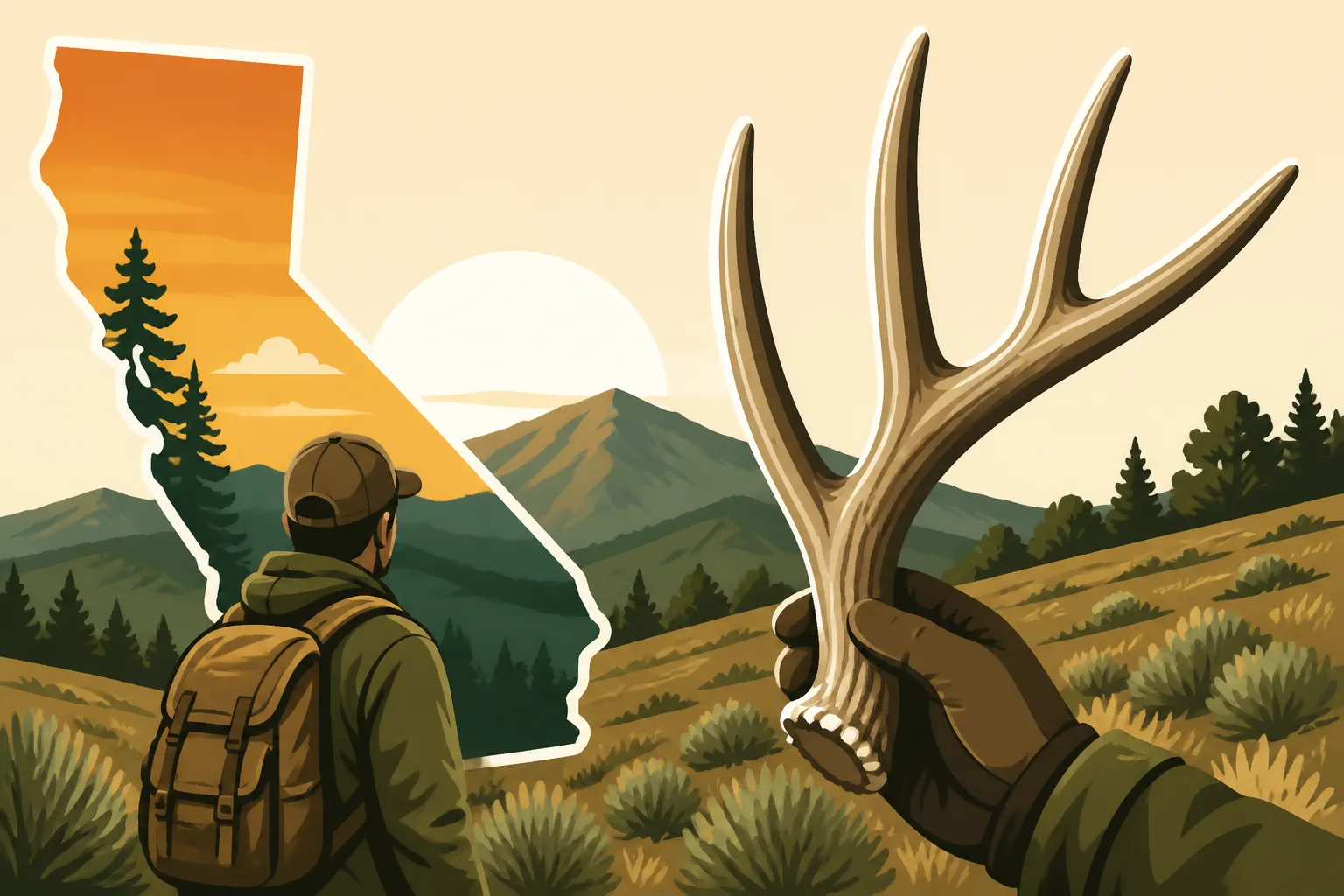
The off-season can feel long for any hunter, a time when the passion to be afield still burns bright but the tags are punched and the rifles are cased. For many, the answer to this longing, and a fantastic way to stay connected to the deer herd, is shed hunting. It’s a low-impact pursuit that gets you outdoors, hones your scouting skills, and offers the tangible reward of a beautiful antler. This guide will walk you through everything you need to know about successfully finding shed antlers on California's vast and diverse public lands.
Understanding California's Shed Hunting Regulations
Before you even think about lacing up your boots and heading out, it's absolutely critical to understand the rules and regulations surrounding shed hunting in California. While it might seem like a harmless activity, the California Department of Fish and Wildlife (CDFW) has specific guidelines in place, primarily aimed at protecting wintering deer and elk herds. Ignoring these rules can lead to hefty fines and a tarnished reputation for all hunters.
Legalities of Shed Hunting on Public Lands
California doesn't have a statewide "closed season" for shed hunting in the same way some other states do, but there are vital considerations. The most significant concern is often related to vehicle access and disturbing wintering animals. Many winter ranges, especially in the Sierra Nevada and other high-country zones, are closed to vehicle traffic or even foot traffic during specific times of the year to prevent disturbance to deer and elk that are stressed from harsh winter conditions. These animals are often living on minimal reserves, and being spooked can cause them to expend critical energy, sometimes leading to mortality. Always check with the specific land management agency – whether it's the U.S. Forest Service, Bureau of Land Management (BLM), or CDFW Wildlife Areas – for any seasonal closures or restrictions before you go. What's legal on one piece of public land might be completely prohibited on another, even if they're adjacent. For example, certain areas might be designated as crucial deer winter range, and access could be restricted from December through April. Knowing these local rules is paramount. Remember that a basic California hunting license is generally required if you are engaging in any hunting-related activity, and while shed hunting isn't "hunting" in the traditional sense, it's always best to be properly licensed and informed.
Respecting Wildlife During Shed Season
Beyond the letter of the law, ethical considerations play a huge role in shed hunting. Bucks and bulls are dropping their antlers typically from late December through April, with the peak often in late winter to early spring, depending on the species, their health, and local conditions. This period often coincides with the most challenging time of year for these animals. Snowmelt can expose new areas, but it's also when animals are at their most vulnerable. If you encounter deer or elk while shed hunting, observe them from a distance. If they become agitated, raise their heads, or start to move away, you're too close. Give them space. Never pursue an animal that still has its antlers, hoping to be there when they drop. This is considered harassment and is illegal. The goal is to find antlers that have been naturally shed, not to stress animals into dropping them. This period is also often when fawns and calves are born or are still very young, so minimizing disturbance protects the future of the herd. Shed hunting is an excellent way to connect with the land and its wildlife, but it demands respect and responsibility.
Identifying Prime Public Lands for Shed Hunting
Finding sheds isn't just about walking around hoping to stumble upon one. It's about intelligent scouting and understanding deer behavior, much like hunting itself. California offers a vast array of public lands, from dense coastal forests to expansive desert landscapes and rugged mountain ranges. Each area holds different potential, and knowing where to focus your efforts is key.
Focusing on Winter Range and Migration Corridors
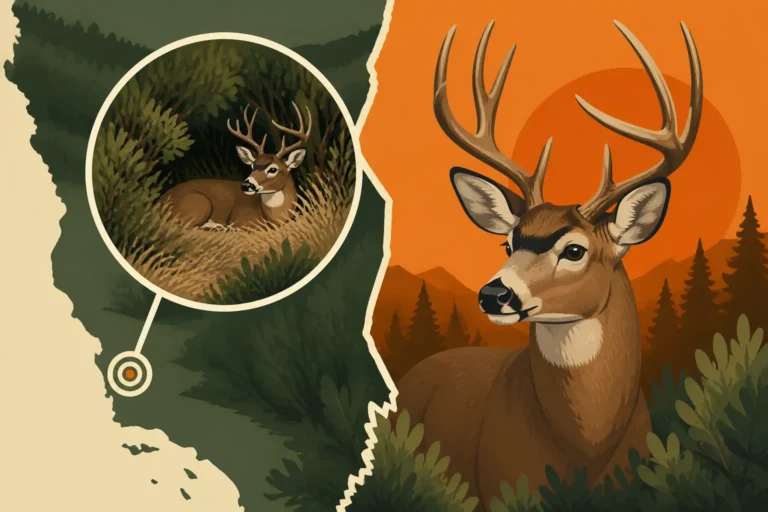
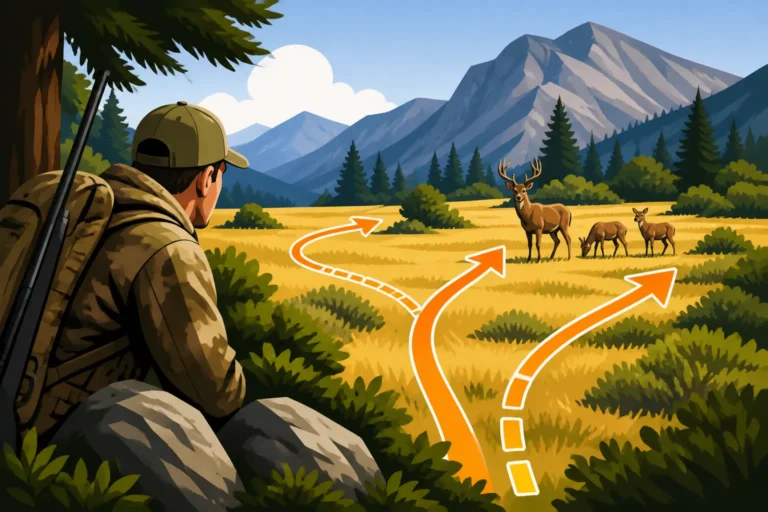
The most productive areas for shed hunting are typically the winter ranges and migration corridors that deer and elk utilize. After the fall hunting seasons, deer often descend from higher elevations to find more hospitable conditions, reliable food sources, and less snow. These lower-elevation "winter range" areas become their sanctuary for several months. Think south-facing slopes, sun-drenched oak woodlands, and open areas that thaw out quickly. Deer will often congregate in these spots, which means more antlers in a concentrated area. You'll want to look for areas with good cover nearby, providing security from predators, and access to browse that sustains them through the lean months. Creek bottoms, natural benches, and areas with scattered oak trees providing acorns or other forage are all excellent candidates. Many of California's D-zones have well-defined winter ranges that can be highly productive. Understanding specific deer migration corridors can also point you to gold mines. Deer will often follow the path of least resistance, creating well-worn trails through saddles, across open flats, or along ridge lines. These travel routes, especially where they connect bedding areas to feeding grounds, are perfect places for an antler to get knocked off. Tools like a mapping app can help you visualize these transitions.
Utilizing Mapping Tools for Scouting
Modern technology is a shed hunter's best friend. Gone are the days of relying solely on paper maps, though they still hold a valuable place in the toolkit. Digital mapping applications, like those offered by GoHunt or onX Hunt, are indispensable for pinpointing promising shed hunting locations on public land. These apps allow you to overlay land ownership, topo maps, satellite imagery, and even layers showing historic fire activity or vegetation types. You can zoom in on potential south-facing slopes, identify thick bedding areas adjacent to open feeding zones, and trace old logging roads or game trails that might concentrate deer movement.
When you're looking at a map, try to identify:
- South-facing slopes: These get the most sun exposure, melting snow faster and greening up earlier, providing critical forage.
- Transition zones: Areas where steep terrain mellows out, or where timber meets open sagebrush, often serve as natural congregation points.
- Heavy cover adjacent to feed: Deer need places to feel safe while resting, especially after feeding. Look for thickets, brushy draws, or dense timber near open areas.
- Water sources: Even in winter, deer need water. Ponds, creeks, or natural seeps can be magnets.
- Historical deer sign: If you've hunted an area, think about where you consistently saw deer during the season, particularly late in the season. These spots are often part of their wintering habitat.
- Elevation changes: Use contour lines to find benches, saddles, and small ridges that offer both thermal cover and easy travel.
By using these tools, you can virtually scout vast areas from the comfort of your home, marking potential hotspots on your phone or GPS before you ever step foot in the field. This saves valuable time and energy, directing you to the most likely places to find sheds, whether you're hunting a D-zone that opens in August or focusing on later opening high-country zones.
Strategies for Finding Shed Antlers
Once you've done your homework and identified some promising areas, it's time to hit the ground. Shed hunting is often a game of miles and patience, but employing smart strategies can dramatically increase your success rate. It's not just about covering ground; it's about covering the right ground in the right way.
Covering Ground Effectively
Shed hunting is often compared to an Easter egg hunt for adults, and there's some truth to that. You need to meticulously scan the ground, but you also need to cover enough territory to maximize your chances. A common mistake is to walk too fast or to focus too broadly. Instead, slow down and grid search likely areas. Imagine dividing your chosen area into smaller, manageable sections and systematically walking parallel lines, constantly scanning left and right. Your pace should be slow enough that you can thoroughly examine the ground directly in front of you and a good distance to either side.
Focus on areas where deer might jump over obstacles, squeeze through tight spots, or rub against brush, as these are common places for antlers to be dislodged. Fence lines, creek crossings, downed logs, and dense chaparral can all be excellent spots. Don't be afraid to double back and walk the same area from a different angle; a shed that was hidden by shadows one way might pop out from another. When you find one, slow down even more in that immediate vicinity, as deer often drop both antlers within a relatively small area, or at least along the same travel route. This is where you might find a matched set, the ultimate shed hunting trophy. Think about where deer might have bedded down for the night, especially on those sunny, south-facing slopes, as antlers are often shed when they stand up after a long rest.
Reading the Terrain and Deer Sign
Just like during hunting season, success in shed hunting comes from knowing how to read the landscape and the signs left by deer. You're essentially tracking their winter movements, looking for clues that indicate heavy usage. Look for fresh deer tracks, especially those of larger animals, in muddy areas or melting snow. Pay attention to well-worn game trails leading from bedding to feeding areas. Droppings, or "pellets," are another strong indicator of deer presence and can give you an idea of how recently the area has been used. The more fresh sign you find, the higher your chances.
Table: Public Land Types and Shed Potential
| Public Land Type | Typical Elevation | Key Features for Sheds | Challenges |
|---|---|---|---|
| National Forests | High to Mid | Winter ranges, migration corridors, sunny slopes, dense cover | Deep snow, seasonal closures, remote access, vastness |
| BLM Land (Desert) | Low | Washes, mesquite thickets, water sources, subtle elevation | Extreme heat (late season), sparse deer, fragile ecosystem |
| BLM Land (Foothills/Oaks) | Mid | Oak woodlands, rolling hills, transition zones, creek bottoms | Private land checkerboards, thicker cover, less distinct winter ranges |
| Wildlife Areas (CDFW) | Low to Mid | Managed habitat, concentrated deer, accessible fields | High pressure, specific regulations, limited access, draw hunts sometimes |
When moving through terrain, don't just look for the brown of an antler against the ground. Train your eyes to pick up the curve of a tine, the glint of sun off polished bone, or the distinct shape of a base. A shed might be partially buried in leaves, camouflaged by brush, or weathered to a color that blends in perfectly. Sometimes, a shed will resemble a small, bleached stick or even a rock, so developing a "shed eye" takes practice. Remember that areas with heavy oak woodlands, especially after a poor acorn year, might show less deer sign, as animals move elsewhere for food. Consider reviewing maps with layers that show historical burns or clear-cuts, as these areas often produce new growth that attracts deer and can be great for sheds after a few years.
Essential Gear for Successful Shed Hunting
Shed hunting might seem simple – just walk and look – but having the right gear can make the experience far more comfortable, productive, and safe. California's diverse landscapes mean you could be slogging through mud in the foothills one day and traversing rocky, exposed desert terrain the next. Being prepared is half the battle.
Footwear and Clothing for Varied Conditions
Your feet are your most important tool when shed hunting, so investing in good quality footwear is paramount. You'll be covering many miles, often on uneven, steep, or brushy terrain. Waterproof, sturdy hiking boots with good ankle support are a must. Look for boots that are broken in but still offer plenty of cushion and traction. Brands like Merrell, Salomon, or Vasque offer durable options that can stand up to the rigors of California's backcountry. Depending on the time of year, you might encounter anything from wet, muddy conditions to dry, dusty trails or even lingering snow patches. Consider a gaiter to keep debris and moisture out of your boots. For those tackling steep, wet-season Sierra trails, choosing boots with excellent grip is crucial for safety.
Layering your clothing is another non-negotiable for California shed hunting. Mornings can be chilly, even freezing, while midday sun can quickly warm things up. Start with a moisture-wicking base layer (merino wool or synthetic are excellent choices). Add a mid-layer for insulation, such as a fleece or a lightweight puffy jacket. Your outer layer should be windproof and water-resistant, protecting you from unexpected rain showers or a biting wind on an exposed ridge. Avoid cotton, as it retains moisture and loses its insulating properties when wet. Comfortable, durable pants that can withstand thorns and brush are also key. Think about the specific conditions you'll face – will you be busting through dense coastal range chaparral or navigating wide-open desert washes? Your clothing choices should reflect the terrain and expected weather.
Optics and Navigation Tools
Good optics are just as vital for shed hunting as they are for big game hunting. A quality pair of binoculars (8×42 or 10×42 are popular choices) will allow you to scan distant hillsides, dense brush, and shadowed areas for the tell-tale shape of an antler without having to walk every foot of ground. They save your legs and help you spot sheds that your naked eye would easily miss. When glassing a burn scar, for instance, the contrast of an antler against the charred ground can be surprisingly hard to pick out without magnification.
Beyond spotting, navigation is crucial, especially on vast public lands. A reliable GPS device or a smartphone with a robust mapping application like onX or the GoHunt app is indispensable. These tools not only show you where you are in relation to public and private land boundaries but also allow you to mark sheds you find, track your progress, and navigate safely back to your vehicle. Many apps even allow you to download maps for offline use, which is critical in areas with no cell service. Always carry a portable power bank for your phone, as GPS usage drains batteries quickly. A compass and a traditional paper map of the area are also excellent backups, providing peace of mind when venturing into truly remote country. Don't forget a good headlamp, even if you plan to be back before dark; unexpected delays can happen, and navigating rough terrain in the dark is dangerous.
Disclaimer
Always check the latest California Department of Fish and Wildlife (CDFW) regulations and specific land management agency rules before engaging in any shed hunting activity. Regulations can change, and it is your responsibility to be aware of and comply with all current laws and closures.