California Zone C Season Dates
Trying to pin down the exact dates for California's deer seasons can feel like navigating a maze, especially with all the different zones and weapon types. It's easy to get overwhelmed by the California Department of Fish and Wildlife (CDFW) regulations, and nobody wants to miss an opening day or, worse, hunt out of season. This comprehensive guide will walk you through everything you need to know about the crucial Zone C deer season dates, helping you plan your hunt with confidence and clarity.
Understanding the California Zone C Deer Season
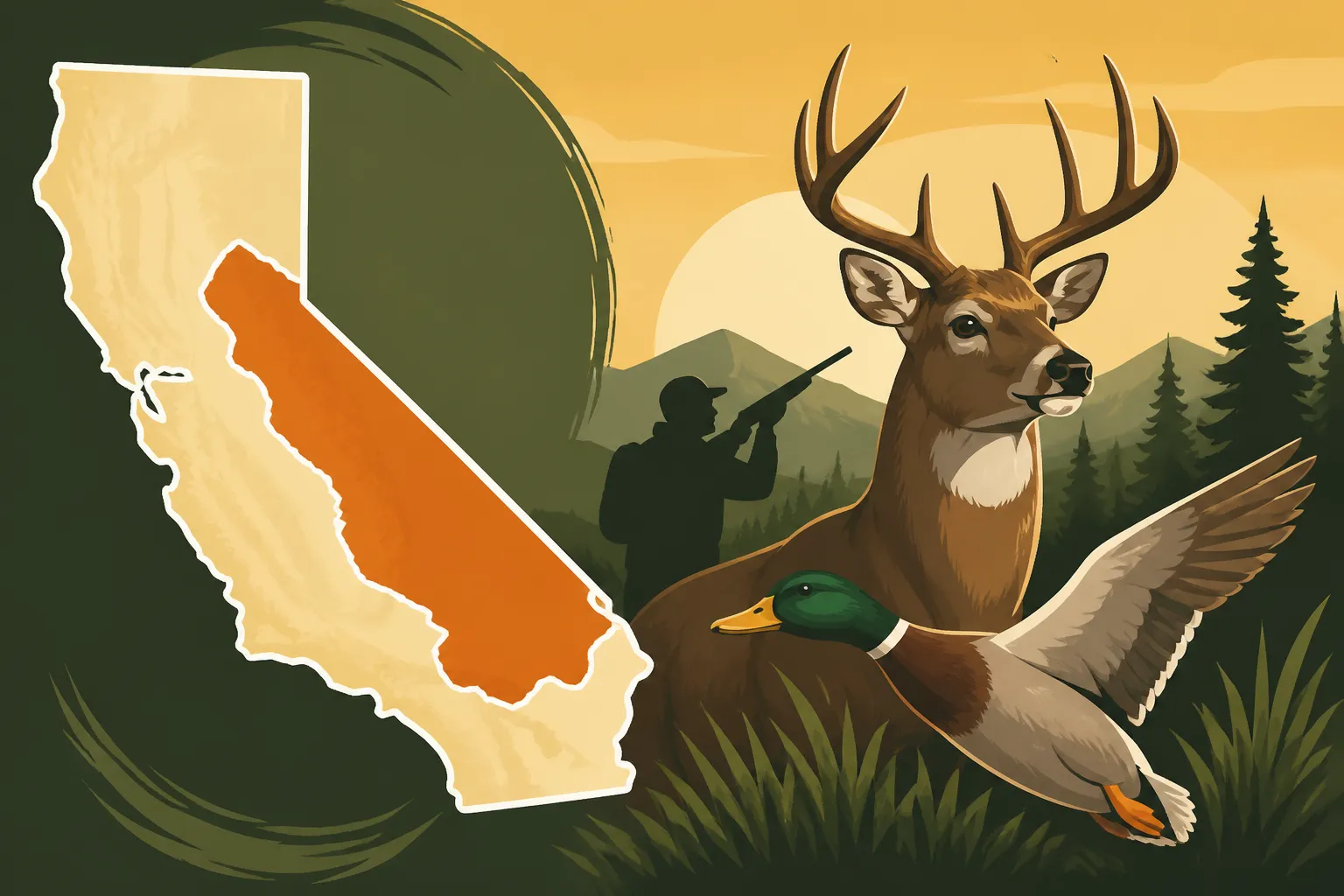
Zone C is one of California's primary general deer hunting zones, covering a significant portion of the northern and central coastal ranges, as well as some of the inner coast mountains. For many hunters, this is their stomping ground, offering diverse terrain and a chance at some classic Columbia blacktail deer. Unlike the high-country X-zones that require drawing a premium tag, Zone C tags are generally available over-the-counter or through the general tag quota, making it a popular choice for both seasoned hunters and those new to the sport. However, understanding its specific season dates is absolutely critical for a legal and successful hunt.
Geographical Boundaries and Key Counties
Zone C sprawls across a vast and varied landscape, encompassing a patchwork of oak woodlands, dense chaparral, and towering timber. Its boundaries typically include counties like Mendocino, Lake, Napa, Sonoma, and parts of Humboldt, Trinity, Tehama, Glenn, Colusa, Yolo, Solano, Contra Costa, and Alameda. It's a huge area, stretching from the fog-kissed coastal hills inland to drier, warmer valleys and foothills. Because of this geographical diversity, the hunting experience can vary wildly. One day you might be still-hunting dense brush in Mendocino County, and the next you could be glassing open hillsides in Lake County. The sheer size means that deer behavior can also differ, influenced by local forage, water sources, and the subtle variations in climate across the zone. For a detailed breakdown, I highly recommend checking out which zone covers your California county on the CDFW website, or using a mapping app like GoHunt to visualize the boundaries directly on the map.
Deer Species and Habitat Characteristics
The primary deer species you'll encounter in Zone C is the Columbia blacktail deer. These are typically smaller-bodied than their mule deer cousins found in the eastern Sierra, but what they lack in size, they make up for in elusiveness and a challenging hunt. Blacktails are masters of their environment, preferring thick cover and often utilizing the dense vegetation of the coastal ranges to their advantage. You'll find them in oak woodlands, where acorns provide crucial forage, as well as in dense manzanita and chamise thickets. Water sources are also key, especially during the hotter early season, so focusing your scouting efforts around springs, creeks, and riparian areas can be fruitful. Understanding these habitat preferences is vital, as it directly impacts how you approach your hunt and where you'll spend your time once the season opens. If you're looking for more specific information on these unique deer, our guide on Columbia Blacktail and Mule Deer in California offers a deeper dive into their characteristics and behaviors.
Pinpointing the Zone C Season Dates
Knowing the precise dates for Zone C is non-negotiable. California deer seasons have staggered openings and closings, and Zone C is no exception. There's an early archery-only period followed by the general rifle season, and each has its own distinct advantages and challenges. Keeping these dates straight ensures you're hunting legally and maximizes your chances of being out there when the conditions are prime for your chosen weapon.
The Archery Season Window
For those who prefer the quiet challenge of a bowhunt, Zone C typically offers an early archery-only season that precedes the general rifle opener. This is a special time, often in late July or early August, where hunters can pursue bucks exclusively with archery equipment. The exact dates can shift slightly year to year, so always confirm with the latest CDFW regulations. This early season usually means warmer weather, requiring specific strategies like hot-weather sitting strategy in August, and deer are often still in their summer patterns, frequently found near water sources or lush feed. While challenging, the archery season provides a unique opportunity to hunt undisturbed deer before the rifle season pressure begins. The quiet nature of archery hunting also means you might get closer to deer, offering a more intimate experience.
The General Season Framework
The general deer season in Zone C typically kicks off in mid-September and runs through mid-October. This is the period when most hunters are out in the field, utilizing rifles, muzzleloaders, or shotguns with slugs. The mid-September opener often coincides with still-warm temperatures, but as the season progresses into October, cooler weather can make for more comfortable hunting and more active deer. The length of the season is usually around 30 days, giving hunters a decent window to fill their tag. This general season also aligns with the pre-rut phase for many blacktail deer, offering opportunities to catch bucks on the move as they begin to establish dominance and search for does. The combination of more active deer and cooler weather often makes the latter half of the general season particularly productive for many Zone C hunters.
Reporting Deadlines and Requirements
Once you've successfully harvested a deer in Zone C, your responsibilities don't end there! California has mandatory deer reporting requirements. Regardless of whether you filled your tag or not, every deer tag holder must report their hunting activity to the CDFW by the specified deadline, which is typically January 31st following the season. Failing to report can result in penalties, including being ineligible to apply for or purchase deer tags in subsequent years. You can usually report your deer through the CDFW's Automated License Data System (ALDS) online, or by mail. It's a critical step in the process and something that's easy to forget in the excitement (or disappointment) of the hunt. Make sure to mark that deadline on your calendar!
Why Zone C Dates Are So Important
Understanding the specific Zone C season dates isn't just about legality; it's about optimizing your hunting strategy, dealing with pressure, and anticipating deer behavior. The timing of the season directly influences everything from hunter density to the deer's natural patterns, making date knowledge a cornerstone of successful hunting.
Impact of Opening Day Pressure
California public lands, especially in more accessible zones like C, can see significant hunter pressure on opening day. When that general season bell rings in mid-September, you'll often find a rush of hunters flocking to popular spots. This initial surge can push deer into thicker cover, change their movement patterns, and make them more nocturnal. If you plan to hunt opening day, it's crucial to either get to your spot extremely early, or better yet, scout for finding ground others walk past that might hold deer seeking refuge. Hunting a few days or even a week after the initial opener can sometimes be more productive, as the pressure spreads out and deer start to settle into new routines. Knowing the exact opening date allows you to anticipate this pressure and adjust your strategy accordingly, whether that means going in deeper, hunting mid-week, or focusing on less accessible areas.
Rut Timing and Late Season Opportunities
While the peak rut for Columbia blacktail deer in Zone C generally occurs later in the fall, typically in late October or early November, the general season in Zone C closes in mid-October. This means you're largely hunting the pre-rut and early rut phases. During this time, bucks are beginning to rub trees, make scrapes, and become more aggressive as testosterone levels rise. They'll be actively searching for does, which can make them more visible and less cautious during daylight hours. This period offers excellent opportunities for rattling and grunting California blacktail bucks, as they respond well to challenge calls.
Although the general season ends before the peak of the rut, savvy hunters can still capitalize on late-season opportunities by understanding when the California rut peaks by zone. If the general season has an unseasonably warm spell earlier on, a cold snap in the last week or two of the season can really get deer moving, especially the mature bucks that have been hanging back. Watching weather forecasts and understanding these nuances of deer behavior relative to the season dates is a huge advantage.
Planning Your Zone C Hunt
A successful hunt in Zone C, or anywhere in California, is built on solid preparation. From scouting your chosen area to ensuring you have the right gear and legal ammunition, every step matters. The unique challenges of Zone C, like its diverse terrain and the requirement for non-lead ammo, demand thoughtful planning.
Pre-Season Scouting for Success
Scouting is paramount for any deer hunt, but especially in the dense and varied landscape of Zone C. Don't wait until opening morning to figure out where the deer are. Start early, ideally in late summer, to identify key areas. Look for fresh tracks, rub lines, and droppings. Locate active water sources and prime feeding areas, like oak flats with abundant acorns. If you can, use trail cameras to monitor deer movement patterns, especially around pinch points, saddles, and creek bottoms. This is where tools like GoHunt become invaluable; their mapping features allow you to mark potential spots, analyze terrain, and identify public access points and private land boundaries, which is crucial for avoiding trespass. Pay attention to wind and thermals in steep Sierra country, as these can dictate deer movement and your approach. A few dedicated scouting trips before the season opens will drastically increase your odds of success.
License and Tag Acquisition
Before you even think about stepping into the woods, you need to ensure all your paperwork is in order. First, you'll need a valid California hunting license. Then, you'll need to purchase a Zone C deer tag. These tags are often available over-the-counter or through the general tag quota system, meaning you don't typically need to go through the big game drawing for a Zone C tag, unlike the coveted X-zones. However, quotas can still sell out, so it's always best to acquire your tag well in advance of the season opener. Be sure to check the latest California hunting licenses and what they cost to understand the current fees. You can buy your license and tags through California's online portal, which is usually the most convenient method. Always carry proof of your license and tag on your person while hunting, whether that's a physical copy or stored on your phone.
Essential Gear and Non-Lead Ammunition
The diverse terrain and often warm temperatures of Zone C require smart gear choices. Good quality, lightweight boots are essential for traversing steep, brushy hillsides. Layered clothing is key, allowing you to adapt to cool mornings and warm afternoons. Consider durable pants and jackets that can withstand thorns and abrasive chaparral. But perhaps the most critical gear consideration for any California big game hunt is non-lead ammunition. California's non-lead ammunition requirement is statewide, meaning all ammunition used for hunting must be non-lead. This applies to rifles, shotguns, and muzzleloaders. When choosing non-lead rifle ammunition in California, look for options from reputable brands like Barnes, Hornady, or Nosler, which offer solid copper or copper-alloy bullets. It’s crucial to select the best non-lead bullet for a .270 or whatever caliber you shoot, and then sight in your rifle thoroughly with these specific loads, as they can have different ballistic characteristics than traditional lead bullets.
Navigating CDFW Regulations and Compliance
California's hunting regulations are extensive, and staying compliant is not just about avoiding fines; it's about ethical hunting and preserving our hunting heritage. Zone C hunters, like all hunters in the state, must be acutely aware of specific rules, particularly concerning ammunition and reporting.
California's Non-Lead Ammunition Mandate
As mentioned, the non-lead ammunition requirement is a statewide mandate in California. This law, fully implemented in 2019, aims to protect scavenging wildlife, particularly the California condor, from lead poisoning. This means that for any hunting activity in California, including your Zone C deer hunt, you absolutely must use certified non-lead ammunition. There are no exceptions for specific areas or weapon types. You'll need to ensure your bullets are made from materials like copper, copper alloys, or other approved non-lead materials. This isn't just about the projectile; it's about the entire cartridge. It’s wise to check which non-lead projectiles count as certified on the CDFW website before purchasing. This change has impacted many hunters, requiring them to experiment with new bullet types and re-zero their rifles. However, many excellent non-lead options perform just as well, if not better, than traditional lead loads, offering great terminal performance on game.
Tag Validation and Reporting Requirements
The moment you harvest a deer in Zone C, your responsibilities regarding your tag immediately kick in. You must immediately punch out the correct month and day of harvest on your deer tag. This physical act validates your kill and prevents the tag from being used again. It's a simple step, but one that can be easily overlooked in the excitement. Beyond punching the tag, as discussed earlier, the mandatory reporting of your deer harvest is crucial. The system allows the CDFW to gather vital data on deer populations and harvest rates, which directly informs future management decisions and season structures. If you happen to be hunting in one of California's two CWD testing zones, you'll also have specific requirements for sampling and reporting your deer. Always review the current regulations to ensure you're in full compliance. GoHunt also provides valuable resources and reminders about these critical compliance steps.
Maximizing Your Zone C Hunting Experience
Hunting in Zone C offers a fantastic opportunity to chase blacktail deer in some beautiful, rugged country. While the season dates are set, how you approach the hunt within those windows can dramatically affect your success and enjoyment. Beyond just knowing the dates, developing a strategic mindset and adapting to conditions are key.
Adapting to Weather and Environmental Conditions
Zone C's broad geographical spread means weather can be incredibly variable. Early in the archery season, and even during the general season opener, you might face hot, dry conditions. These temperatures can make deer more nocturnal, pushing them closer to water sources during the cooler parts of the day. In such scenarios, sitting a water hole in late season or even early season can be highly effective. As the season progresses into late September and October, cooler fronts can roll in, invigorating deer activity. Hunting deer after a cold front often means deer are more active during daylight, especially around feeding areas. Pay attention to wind and thermals, especially in the steep terrain common in Zone C. Deer will use these to their advantage, and so should you. A sudden rain can also make tracking a deer in fresh Sierra snow or even just wet ground significantly easier, so being aware of the forecast and adapting your plan is paramount.
Understanding Deer Behavior During the Season
Blacktail deer behavior shifts throughout the Zone C season. During the early archery period, bucks are often still in bachelor groups, focused on feeding and growing their antlers. They might be predictable, moving between bedding areas and food sources. As the general season opens in September, these groups start to break up. Bucks become more solitary or form smaller groups, and their focus begins to shift towards the impending rut. They'll start rubbing trees and sparring, testing their dominance. Knowing where California blacktail bucks bed and understanding their feeding patterns is vital. During the pre-rut, they might be more responsive to rattling and grunt calls, making it an exciting time for aggressive hunting tactics. Towards the end of the general season, as the peak rut approaches in late October (just after the Zone C closure), bucks can become almost single-minded in their pursuit of does, often exposing themselves more readily. Recognizing these behavioral shifts allows you to employ the most effective tactics for the specific time frame you're hunting.
Utilizing Public and Private Land Access
Zone C offers a mix of public and private land hunting opportunities. There are significant portions of national forest and BLM land available, particularly in counties like Mendocino, Lake, and Tehama. Scouting California public land before season is crucial to identify good access points and areas that might hold deer away from heavy pressure. Using mapping tools to find public land access can save you a lot of grief. Don't be afraid to walk in deeper than other hunters to find undisturbed pockets. For those seeking private land opportunities, getting private land permission in California can unlock some incredible hunting. This often involves knocking on doors in California ranch country well in advance of the season or joining a hunting club. Always respect private property boundaries and obtain explicit permission to avoid any legal issues. Combining knowledge of season dates with access strategies, whether public or private, gives you the best chance for a memorable Zone C hunt.
Zone C Deer Season Dates Summary
To help keep everything straight, here's a quick overview of the typical Zone C deer season dates. Remember, these are general frameworks, and you should always consult the official CDFW hunting regulations for the most current and precise dates before planning your hunt.
| Season Type | Typical Start Date | Typical End Date | Notes |
|---|---|---|---|
| Archery Season | Mid to Late August | Early September | Bow and arrow only; often warm weather. |
| General Season | Mid-September | Mid-October | Rifles, shotguns (slugs), muzzleloaders allowed; peak hunter effort. |
| Reporting Deadline | N/A | January 31 (following season) | Mandatory for all tag holders, regardless of harvest. |
This table provides a quick reference, but each year's dates can shift slightly, so that CDFW regulation booklet is your best friend!
Disclaimer
Please be aware that hunting regulations, season dates, and specific rules are subject to change by the California Department of Fish and Wildlife. Always consult the most current official CDFW hunting regulations and proclamations before engaging in any hunting activity. This guide is for informational purposes only and should not be considered a substitute for official legal guidance.