Finding a California CWD Sampling Location
Navigating the ever-evolving landscape of hunting regulations in California can feel like trying to hit a moving target, and when it comes to Chronic Wasting Disease (CWD), the concerns and confusion among hunters are totally understandable. With the health of our deer and elk populations at stake, understanding the mandatory CWD testing requirements and, critically, knowing exactly where to find a sampling location after a successful hunt is paramount. This guide is here to cut through the noise, offering clear, actionable steps on how to locate a CWD sampling site in California, ensuring you're compliant and contributing to vital wildlife conservation efforts.
Understanding California's CWD Challenge and Monitoring Efforts
Let's be honest, nobody wants to hear about diseases impacting our cherished wildlife. Chronic Wasting Disease, or CWD, is a neurological disease that affects cervids (deer, elk, moose, and reindeer), leading to brain degeneration, emaciation, abnormal behavior, and ultimately, death. It's a real threat, and while California has been incredibly fortunate to remain largely CWD-free, the reality is that the disease has been detected in neighboring states and continues to spread across North America. This isn't just a distant problem; it's something we, as hunters, need to be acutely aware of and actively help monitor.
Why CWD Testing Matters in California
The California Department of Fish and Wildlife (CDFW) takes CWD very seriously, and for good reason. Imagine the impact on our iconic Columbia blacktail and mule deer populations if CWD were to establish a firm foothold here. The long-term health of these herds, which provide so much opportunity and enjoyment for hunters, depends on early detection and rapid response. That’s why California has proactive measures in place, designed to detect any potential CWD cases before they can spread widely. Your participation in CWD testing isn't just about following the rules; it's a direct contribution to preserving California's deer and elk for future generations. It’s part of the broader commitment to wildlife health and aligns with the critical work described in California's Deer and Elk Disease Monitoring.
Beyond protecting the animals themselves, CWD testing also has implications for human health, though there's currently no strong scientific evidence showing CWD can transmit to humans. Still, health agencies universally recommend against consuming meat from CWD-positive animals. This underscores the importance of the testing program – it’s a safeguard for both wildlife and the public. We all want to feel confident about the venison we bring home, and testing provides that peace of mind. It's a small step that makes a huge difference in the grand scheme of wildlife management and food safety.
California's Mandatory CWD Testing Zones
You might have heard whispers about California's Two CWD Testing Zones in the past, but it's crucial to understand that the situation can evolve. Currently, the CDFW has designated specific areas as California's Four Mandatory CWD Testing Zones for harvested deer. These zones are typically selected based on factors like proximity to CWD-positive detections in other states, high deer density, or specific management goals. As of recent updates, these mandatory testing areas primarily include deer hunt zones D3-5, D6, D7, and D10, spanning parts of Modoc, Lassen, Siskiyou, Shasta, and Plumas counties. There's also a mandatory elk testing area in the Marble Mountains Zone.
It can feel a bit overwhelming trying to keep track of which zone is which, especially if you hunt multiple areas or your hunting plans change year to year. The CDFW does a good job of publicizing these zones, but it's always on us, the hunters, to double-check the most current regulations before heading afield. If you happen to harvest a deer in one of these mandatory zones, you are legally required to submit specific tissue samples for CWD testing. This isn't optional; it's a vital part of the statewide surveillance effort to protect our herds.
The Role of the Hunter in CWD Surveillance
As hunters, we are often the first line of defense and the most critical partners in wildlife management. We spend countless hours in the field, intimately familiar with the landscapes and the animals that inhabit them. This unique perspective makes our role in CWD surveillance invaluable. By understanding the signs of CWD, being vigilant, and complying with testing requirements, we directly contribute to the health of our wildlife. The CDFW relies heavily on hunter participation to gather the necessary data to track the disease and implement effective management strategies.
Imagine the frustration of seeing a majestic buck or a healthy elk only to know that CWD could be lurking unseen. Our shared passion for hunting comes with a profound responsibility to protect what we cherish. Submitting samples isn't just a bureaucratic hurdle; it's a meaningful action that literally provides the scientific data needed to keep CWD at bay. It's an opportunity for us to give back to the resource that gives us so much, ensuring that future generations of hunters can enjoy the same wild experiences we do. When you successfully tag an animal in one of the designated areas, remember that reporting a deer through California's App or another official method is just the start; the CWD sample submission is equally crucial.
Navigating the Process: How to Find a CWD Sampling Location
Okay, so you've tagged an animal in a mandatory CWD zone. Now what? The big question always comes down to: "Where do I actually take this thing?" It can feel like a scavenger hunt sometimes, especially if you're out in the remote backcountry. But thankfully, the CDFW has established a network of sampling locations designed to make the process as straightforward as possible, though a little planning on your part will always go a long way.
Utilizing the CDFW Website and Resources
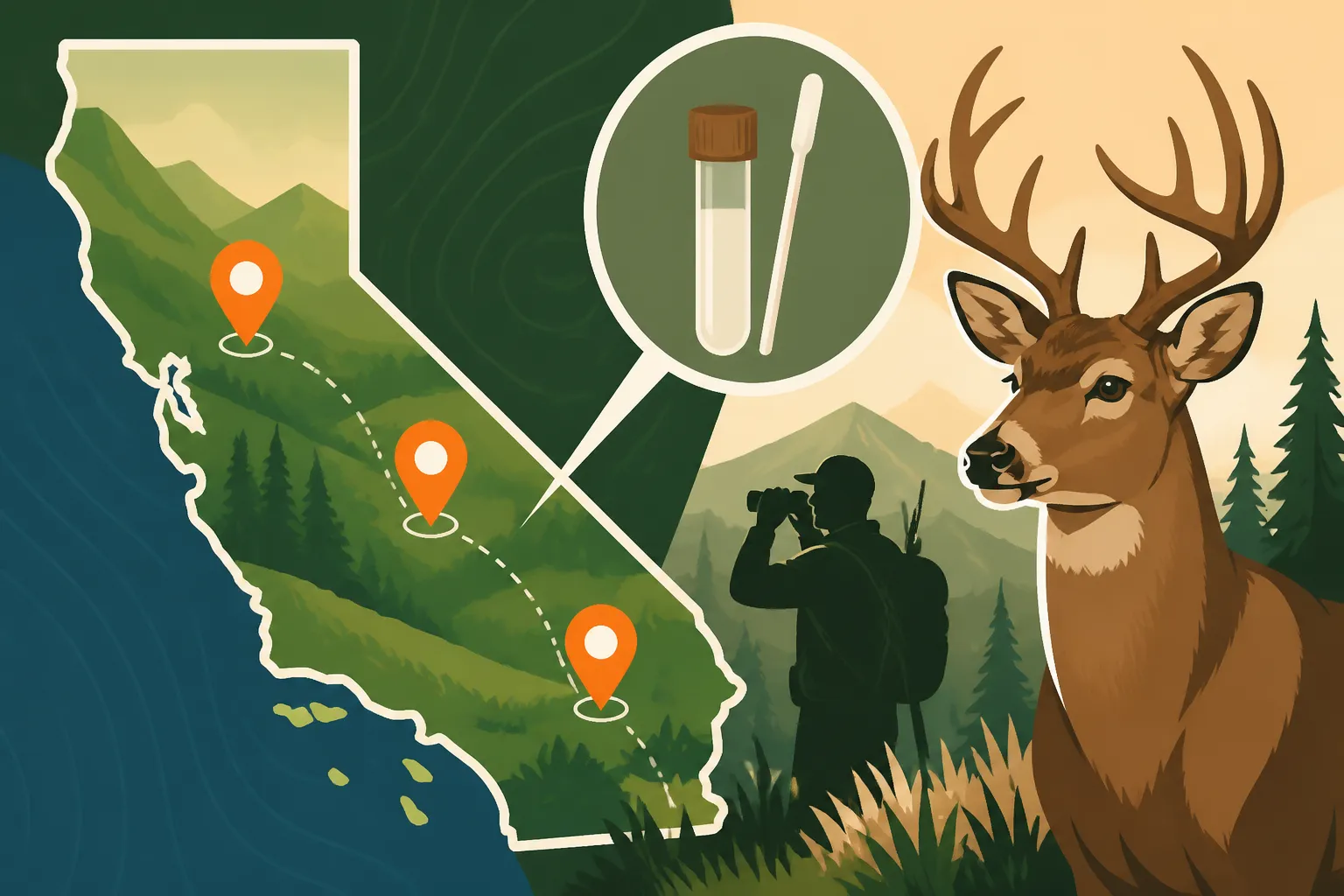
Your first and best resource for finding a CWD sampling location is always the official California Department of Fish and Wildlife (CDFW) website. They maintain an updated list of designated check stations, regional offices, and partner locations. I know, navigating government websites can sometimes feel like a chore, but it's truly the most authoritative source. Start by looking for their CWD information page, which usually includes an interactive map or a detailed list. You can often search by county or general region, which helps narrow things down considerably.
When you're planning your hunt, especially if you're headed into one of the known CWD zones, make it a point to check the CDFW site before you leave. Print out a list of potential locations near your hunting area, along with their operating hours and any specific instructions. Things can change, so a quick check even a few days before opening day is a smart move. This proactive approach can save you a lot of headache and wasted mileage after a long day in the field, and it will ensure you meet the California's Ten-Day CWD Testing Window requirement.
Partner Locations: Veterinary Offices and Check Stations
It's not always a dedicated CDFW check station that handles CWD samples. To make sampling more accessible, especially in rural areas, the CDFW often partners with local veterinary offices, taxidermists, and even some game processors. These partner locations are invaluable, as they expand the network of places where you can submit samples without having to drive excessively long distances to a central CDFW office. These private businesses often have staff trained by the CDFW to properly collect the necessary samples, which are typically the retropharyngeal lymph nodes and a section of the brain stem.
Keep an eye out for seasonal check stations too. During peak hunting seasons, especially in popular deer zones, the CDFW might set up temporary check stations specifically for game animal reporting and CWD sampling. These are fantastic resources because they're often strategically located near major access points to public land. Information about these seasonal stations will also be available on the CDFW website. Remember, finding a sampling location is part of CWD Testing for California Hunters, and understanding the various points of contact is key.
Digital Tools and Community Resources
In today's digital age, there are more ways than ever to get current information, and hunting is no exception. While the CDFW website is the official source, platforms like GoHunt can be incredibly helpful for aggregating information and providing user-friendly interfaces. GoHunt, for instance, often compiles state regulations, unit breakdowns, and sometimes even points of interest like CWD sampling stations or game check points within their mapping features. It's a tool that many serious hunters use for scouting and planning, and it can save you time cross-referencing multiple sites.
Beyond dedicated hunting platforms, local hunting forums, Facebook groups specific to California hunting, and even word-of-mouth from fellow hunters can be good supplementary resources. Just remember to always verify any information from unofficial sources with the CDFW directly. Many hunters also leverage tools like the official Scouting With the CDFW Hunting App which can sometimes integrate this type of logistical information, or at the very least, help you navigate to pre-identified locations you've marked. Having these digital aids can really streamline your post-harvest process, especially when you're dealing with the logistics of Handling Venison From a CWD Testing Zone.
Here's a quick overview of how to find CWD sampling locations:
| Method | Description | Best For | Key Tip |
|---|---|---|---|
| CDFW Official Website | Comprehensive, up-to-date lists and maps of all designated locations. | Authoritative info, pre-hunt planning | Check regularly for updates, print out locations. |
| CDFW Regional Offices | Physical offices with staff trained to collect samples. | Direct assistance, larger operations | Call ahead for hours and specific instructions. |
| Partner Veterinary Offices | Local vet clinics authorized by CDFW to collect samples. | Convenience in rural areas, often year-round availability | Verify participation and hours before heading in. |
| Seasonal Game Check Stations | Temporary stations set up during peak seasons in high-traffic hunting zones. | Efficient submission, often near public land access | Look for announcements on CDFW website leading up to season. |
| CDFW Hunting App & GoHunt | Digital mapping tools and aggregated state regulations. | On-the-go info, visual location aids, planning | Use for navigation and cross-reference official CDFW for verification. |
What to Expect at a Sampling Location and Preparing Your Sample
So you've found a location and you're headed there with your deer. What happens next? Knowing the procedure can alleviate a lot of anxiety and ensure a smooth process. The whole point of the CWD sampling program is to collect specific tissues accurately, so having your animal properly handled beforehand is a big help to the staff.
The Sampling Process: What Happens to Your Deer
When you arrive at a designated CWD sampling location, whether it's a CDFW check station or a participating vet office, trained personnel will typically take two main tissue samples from your harvested deer: the retropharyngeal lymph nodes and a portion of the obex (brain stem). These specific tissues are known to accumulate the CWD prions, making them the most reliable for testing. Don't worry, they know what they're doing; these folks are skilled at efficiently extracting these samples with minimal impact on the rest of your animal, so your venison won't be compromised. They'll also record your tag number, the hunt zone, and your contact information, linking your specific deer to the sample. This meticulous data collection is vital for tracing any potential CWD cases and for the ongoing California's Deer and Elk Disease Monitoring program.
It’s completely normal to feel a bit apprehensive about this process, especially if it’s your first time. The staff understands this and is usually happy to answer any questions you have about CWD, the sampling technique, or the reporting process. They might also provide you with information on how to properly dispose of carcass parts after processing, especially if you're in a mandatory testing zone or if there are specific regulations about Moving a Deer Carcass Out of a Testing Zone. Their goal is to make it easy for you to comply and contribute to the bigger picture of wildlife health.
Preparing Your Deer for Sampling
To make the sampling process as quick and clean as possible for the staff and for you, a little preparation goes a long way. The most important thing is to keep the head and neck intact, or at least the head attached to a substantial portion of the neck. The lymph nodes needed for testing are located in the neck region, behind the jaw, and the brain stem sample is taken from the skull. If you've completely butchered the animal and removed the head separately, that’s usually fine, as long as the critical areas (lymph nodes and brain stem) are still present and accessible.
Ensure the head and neck area are kept cool and clean. If it's warm outside, use ice to cool the head, especially if you won't be submitting it immediately. A cooler dedicated to just the head and neck can be a good idea. Avoid excessively damaging the head or neck during field dressing or transport, as this can make the sampling more difficult. Some hunters choose to skin the deer down to the neck, leaving the hide on the head, while others bring the whole animal. The key is maintaining the integrity of the sample area. You’ll also need to have your validated deer tag ready, as the sample will be associated with that specific harvest. This attention to detail is crucial for adhering to the California Deer Reporting Deadline and ensures the data collected is accurate.
Receiving Your Results and Next Steps
Once your sample is submitted, it will be sent to a laboratory for analysis. The waiting period for results can vary, but typically, you can expect to hear back within a few weeks. The CDFW will usually notify you directly if your animal tests positive for CWD. If you don't hear anything within the expected timeframe, it usually means your sample was negative, but you can always contact the CDFW for clarification if you're concerned. It’s important to remember California's Ten-Day CWD Testing Window for submission, but actual lab processing can take longer.
If, by some slim chance, your deer does test positive for CWD, the CDFW will provide you with specific instructions on what to do next. This will almost certainly include guidance on carcass disposal and recommendations against consuming the meat. While it's an unfortunate outcome, finding a positive case is critical for the state's disease management efforts, as it allows wildlife managers to assess the situation and implement strategies to prevent further spread. The transparent system helps inform crucial decisions, such as expanding Which Zones Require Mandatory CWD Testing in the future.
Disclaimer
Please remember that hunting regulations, including those related to CWD testing, can change. Always consult the official California Department of Fish and Wildlife (CDFW) regulations or their website for the most current and accurate information before heading afield. This guide is for informational purposes only and should not be considered a substitute for official legal guidance.