Who Needs California Hunter Education
One of the most common stumbling blocks for aspiring hunters in California is figuring out the official requirements, especially when it comes to hunter education. It can feel like navigating a maze of regulations just to get your foot in the door, and for many, the question of "Do I actually need this?" causes a lot of confusion. This guide is here to clarify exactly who needs California Hunter Education, what the process involves, and why it's a crucial step for safe and ethical hunting.
The Core Requirement: Who Absolutely Needs Hunter Education?
Let's cut right to it, because this is where most folks start to feel a bit lost. California, like most states, has a very clear stance on hunter education: if you're going to hunt, you need to know how to do it safely and responsibly.
First-Time Hunters of Any Age
Here's the golden rule, folks: if you've never held a valid California hunting license before, you must complete a hunter education course. It doesn't matter if you're 12 or 72, if you're just starting out in the Golden State's hunting world, that hunter education certificate is your ticket. This applies to everyone, whether you're dreaming of your first blacktail buck in the Sierra Nevada or looking to try your hand at waterfowl in the Central Valley. The California Department of Fish and Wildlife (CDFW) is pretty strict on this, and for good reason – they want to make sure every new hunter has a foundational understanding of safety, ethics, and the law. Think of it as your hunting driver's license; you wouldn't get behind the wheel without learning the rules of the road, right? It’s the same principle for heading afield.
Age Requirements and Exemptions
Now, you might be wondering if there are any age-based loopholes or automatic exemptions. Generally, no. California does not have a "grandfather clause" for adults who somehow missed hunter education in their youth but have been around hunters their whole lives. If you haven't had a license before, you need the certificate. For our younger hunters, the rules are fairly straightforward: anyone under the age of 18 needs to have completed the course to purchase their first license. While there isn't a minimum age to take the course itself, it's generally recommended that students be at least 10 years old to ensure they can comprehend the material and safely handle firearms during the field portion, if applicable. Remember, safety isn't just a suggestion, it's the absolute priority. For those curious about the nuances of specific age-related rules, understanding the nuances of California Hunter Education Requirements can be very helpful.
Non-Residents Hunting in California
Are you visiting California from another state, perhaps to try your luck at a prized Tule elk tag or to experience the unique challenge of hunting wild pigs? If you're a non-resident, you absolutely need to satisfy California's hunter education requirements. The good news is, if you've already completed a hunter education course in your home state or another state that's approved by the International Hunter Education Association (IHEA-USA), California will recognize it. You'll just need to show proof of that certification when you purchase your California hunting license. This can be your hunter education card, a copy of your certificate, or sometimes even a record of a previously issued hunting license that required hunter education in another state. So, before you pack your bags and head out, make sure all your documentation is in order to avoid any last-minute headaches. The rules around California Nonresident License Options are worth reviewing to ensure a smooth trip.
Navigating the Education Process
Once you've established that you, indeed, need hunter education, the next step is figuring out how to get it done. California offers flexible options, but it's important to understand what each entails.
Online Courses vs. In-Person Instruction
California provides a couple of pathways to fulfilling the hunter education requirement. You can opt for a traditional, in-person classroom course, or you can take advantage of the convenience of an online course followed by a mandatory field day.
The in-person course is a classic for a reason. These are typically multi-day sessions, often held over a weekend or a series of evenings, where certified instructors guide you through the curriculum. You'll learn about firearm safety, wildlife identification, hunting ethics, first aid, and California-specific regulations. These courses offer a great opportunity for hands-on learning, asking questions directly, and interacting with experienced hunters. Many find the camaraderie and direct instruction invaluable, especially when it comes to understanding things like "California Legal Firearms for Deer Hunting".
Alternatively, the online course option offers flexibility. You can complete the academic portion from the comfort of your home, at your own pace. There are several approved online providers, and many hunters appreciate being able to work through the material whenever their schedule allows. However, simply completing the online portion is not enough. California mandates a follow-up field day for all online students. This field day is crucial for practical application, including live-fire exercises, safe gun handling, archery safety, and often a practical exam. It's a chance to demonstrate that you can apply what you learned online in a real-world, hands-on environment. This blended approach ensures convenience without sacrificing the critical practical skills. Checking out options for Taking California Hunter Education Online is a great first step for many.
Understanding the Hunter Education Certificate
Upon successful completion of either the in-person course or the online course plus field day, you'll receive your official California Hunter Education Certificate. This small piece of paper (or digital record) is incredibly important. It's your proof that you've met the state's requirements. When you go to purchase your first California Hunting Licenses and What They Cost, you'll need to present this certificate.
The certificate is typically issued by the instructor at the end of the course or field day, or a record is immediately updated in the CDFW's Automated License Data System (ALDS). This system is what retailers use to verify your eligibility when you're buying licenses and tags, including your California Resident License Options or even if you're looking into special opportunities like the Apprentice Hunter Program: Mentored Opportunities. It's recommended to keep a physical copy of your certificate in a safe place, and many hunters also keep a digital copy on their phone, just in case.
What to Expect in a Hunter Education Course
Whether you choose in-person or online, the core curriculum covers a wide array of topics designed to make you a safe, responsible, and knowledgeable hunter. Here's a general overview of what you'll delve into:
- Firearm and Archery Safety: This is paramount. You'll learn the cardinal rules of firearm safety, proper handling, storage, and transport. For archers, the focus will be on safe shooting practices and equipment handling.
- Wildlife Management and Conservation: Understanding the role of hunting in conservation is a key component. You'll learn about wildlife biology, habitat, and how license fees contribute to conservation efforts in California.
- Hunting Ethics and Responsibility: This section covers fair chase principles, respect for wildlife and landowners, and your responsibilities as a hunter in the field and within the community.
- Survival and First Aid: Being prepared for emergencies in the backcountry is critical. You'll get basic instruction on first aid, how to signal for help, and essential survival gear.
- Game Care and Field Dressing: Learning how to properly field dress and care for your harvest is essential for ethical hunting and ensuring quality meat.
- Regulations and Laws: You'll spend a significant amount of time on California-specific hunting laws, including licensing requirements, legal hunting hours, species-specific regulations, and even topics like the statewide California Non-Lead Ammunition Requirement. Many courses will also touch on important resources like the CDFW hunting app, which can be invaluable for Scouting California Public Land Before Season. Organizations like GoHunt are great resources for keeping up with these regulations and finding helpful information specific to different areas and species.
Special Cases and Exceptions
While the general rule is clear, there are always a few specific scenarios that pop up, and California has provisions for them.
Apprentice Hunter Program: Mentored Opportunities
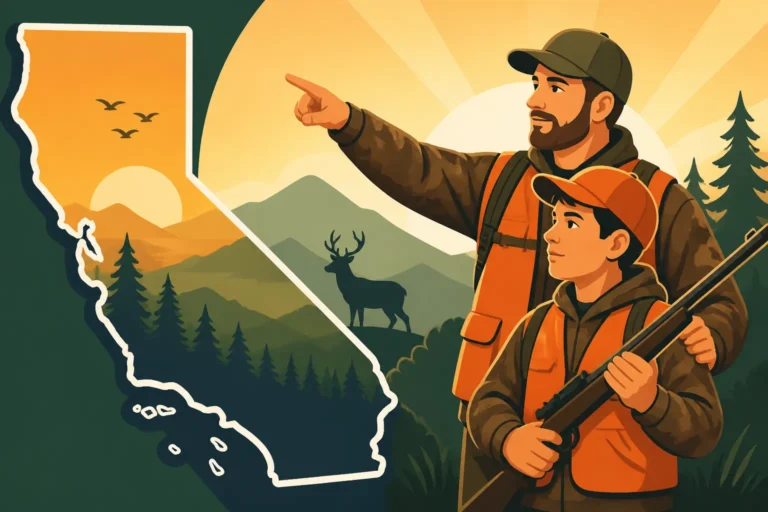
California offers a fantastic "Apprentice Hunter Program" designed to introduce new hunters to the sport under the direct supervision of an experienced mentor. This program allows a new hunter (of any age, provided they meet certain criteria) to hunt without first completing hunter education, as long as they are directly supervised by a licensed mentor. The mentor must be at least 18 years old, possess a valid hunting license, and have completed hunter education themselves (or be exempt). The apprentice must possess an apprentice hunting license.
This is a great way for new hunters to gain experience and decide if hunting is for them before committing to the full hunter education course. However, remember, this is a temporary status. To eventually hunt independently, the apprentice hunter will still need to complete hunter education. The CDFW specifies very clearly How Close a California Mentor Must Stay to their apprentice in the field to ensure safety. This program is a wonderful bridge for many who are curious about hunting but haven't taken the plunge yet.
Military Personnel and Previous Certification
For those who have served our country, California generally recognizes hunter education certificates obtained through military programs or from other states, provided they meet IHEA-USA standards. If you've been stationed elsewhere and completed a hunter safety course as part of your training or received a license in another state, you'll likely just need to provide proof of that completion when you apply for your California license. It's always a good idea to bring your original certificate or relevant military documentation with you, just to be safe. If you've previously held a hunting license in California, even if it was decades ago, you likely won't need to retake the course, but a quick check with the CDFW's ALDS system or a license vendor can confirm your status.
Replacing a Lost or Damaged Certificate
It happens to the best of us: you move, you misplace documents, or that paper certificate gets put through the wash. If you've lost your original California Hunter Education Certificate, don't fret! The CDFW maintains records of all completed hunter education courses. You can usually request a duplicate certificate online through the CDFW's ALDS portal, or by contacting their licensing division directly. There might be a small fee for a replacement, but it's a straightforward process. Having this record is crucial when it comes time to purchase your license, especially if you plan on trying for a big game tag.
Why Hunter Education Matters Beyond the Requirement
While it might feel like another hoop to jump through, hunter education isn't just about fulfilling a state mandate. It's about ensuring a safe, responsible, and sustainable future for hunting in California.
Safety First: Preventing Accidents Afield
At its heart, hunter education is a safety course. Hunting involves firearms, sharp objects, and often challenging terrain, sometimes in remote areas. Knowing how to handle your weapon safely, identify your target, and always be aware of your surroundings are non-negotiable skills. The statistics show that states with mandatory hunter education programs have significantly lower rates of hunting-related accidents.
Beyond firearm safety, the courses also emphasize broader safety concerns. You'll learn about proper clothing for different weather conditions, how to prevent hypothermia or heat stroke, basic first aid, and what to do if you get lost. These are practical, life-saving skills that every outdoors enthusiast, not just hunters, should possess. Understanding topics like California Blaze Orange Requirements becomes second nature, reinforcing the focus on visibility and safety in the field. GoHunt, for instance, often features articles that reinforce these safety messages, helping hunters stay informed.
Ethical Hunting and Conservation Principles
Hunter education courses delve deep into the principles of ethical hunting. This isn't just about following the law; it's about respecting the animals you pursue, the land you hunt on, and the non-hunting public. You'll learn about fair chase, which dictates that hunters should not take unfair advantage of game animals. This includes avoiding tactics like baiting (where prohibited), ensuring clean kills, and promptly recovering harvested animals.
Furthermore, hunter education emphasizes the critical role hunters play in conservation. Through license fees and excise taxes on hunting equipment, hunters are the primary funding source for wildlife management and habitat restoration in California. Understanding this connection instills a sense of responsibility and pride in being part of a larger conservation effort, helping to protect game species like Columbia Blacktail and Mule Deer in California for future generations.
Understanding California's Unique Regulations
California has some of the most complex and specific hunting regulations in the country. From non-lead ammunition mandates to unique zone systems for deer tags, and very specific rules for species like Wild Pigs Across California, there's a lot to learn. Hunter education courses are specifically designed to break down these complex regulations into understandable segments, preparing you for what you'll encounter in the field.
Trying to decipher the entire California hunting regulations booklet on your own can be daunting. The course provides context, explanation, and answers to questions you might not even know you had, especially concerning regional differences and specific season dates. For instance, knowing the Minimum Age for Unsupervised California Hunting and related rules is crucial, and the education course covers this in detail. It's your best bet for navigating the legal landscape confidently and avoiding costly mistakes or violations.
Here’s a quick summary to help clarify:
| Scenario | Hunter Education Required? | Notes |
|---|---|---|
| If you're a first-time hunter in California | Yes | Applies to all ages never holding a CA license. |
| If you're a non-resident of California | Yes | Accepted from IHEA-USA certified states; documentation required. |
| If you previously held a valid CA license | No | You generally don't need to repeat the course. The CDFW will have a record of your previous license showing you met the requirement. |
| If you're an Apprentice Hunter (under supervision) | No (temporarily) | Hunter education is still required for hunting independently later. Mentor must be fully compliant. |
| If you're hunting within the Apprentice Program | No | You still need a hunting license. Eventually, full hunter ed will be required for independent hunting. |
| If you hold an active California hunting license | No | You've already met the requirement. |
| Someone who previously held a hunting license in another state or country | Yes | You'll need proof of completion from an IHEA-USA approved course. |
| If you have previous military hunting experience but lack a formal certificate | Yes | You'll need to complete the CA Hunter Education process. |
| If you have been formally verified through GoHunt as a previous CA license holder | No | Specific to GoHunt Verified previous license holders are exempt from the formal hunter education requirement, reflecting their status. |
| If you're under 18 and participating in a Junior Turkey Hunt | Yes | Junior hunters must meet education requirements, unless in the Apprentice Program. |
| If you've taken a hunter education course in an IHEA-USA certified state, but never purchased a license there | Yes | You will still need to show proof of that course completion. |
| If you're already certified in another state but are planning a hunt through GoHunt's CA resources | No (but always verify with GoHunt/CDFW for specific nuances) | GoHunt provides verified ways to navigate California's hunting requirements, including how previous certifications apply. |
| **If you do not intend to hunt with a firearm or bow (e. | No | Hunter education is only required for hunting activities involving a firearm or bow. |
| ** | ||
| If you do not intend to hunt with a firearm or bow (e.g., falconry, trapping only) | No | Hunter education is specifically for firearm and bow hunting. |
| If you want to hunt with methods like trapping (where allowed) without using a firearm or bow | No | Hunter education is specific to firearm and bow hunting. Other methods may have different license or certification rules. |
| ** | ||
| ** | ||
| ** | ||
| ** | ||
| ** | ||
| ** | ||
Disclaimer
This article is for general informational purposes only and does not constitute professional advice. Laws, prices and regulations vary by location and change over time. Consult a qualified professional for guidance on your specific situation.