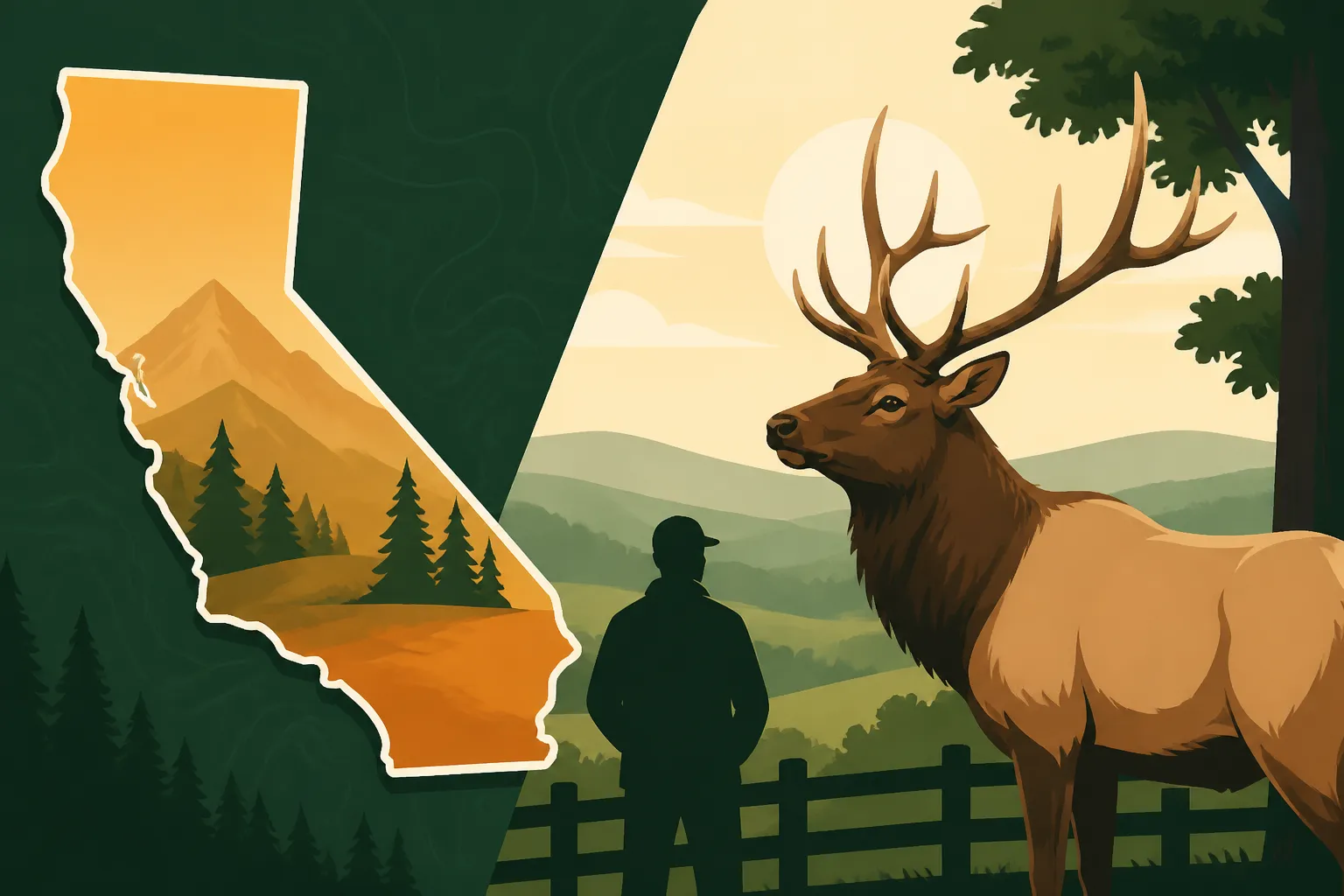
California Landowner Elk Tag Allocation
For many dedicated elk hunters in California, the dream of drawing a coveted tag can feel like chasing a ghost. Year after year, the odds of success in the public lottery are incredibly slim, leaving many feeling frustrated and wondering if they'll ever get a chance to pursue one of these magnificent animals. This guide is here to shed light on an alternative, albeit distinct, pathway: California's landowner elk tag allocation system, explaining how these tags work and what they mean for both landowners and hunters.
Understanding California's Landowner Elk Tag Program
The idea of a "landowner tag" can be a bit of a mystery for many hunters primarily familiar with the traditional public draw system. It’s a completely different avenue for securing a tag, rooted in specific wildlife management philosophies. These tags aren't just handed out; they're part of a broader strategy by the California Department of Fish and Wildlife (CDFW) to manage game populations and incentivize private land conservation.
What Exactly is a Landowner Elk Tag?
A landowner elk tag, at its core, is a hunting tag allocated directly to a private landowner by the CDFW, rather than being distributed through the general public drawing. These tags are intended for use on the landowner's specific property, or properties they manage, where elk reside. Unlike the tags issued through the highly competitive statewide lottery, these tags bypass that system entirely. They are a unique tool that recognizes the role private land plays in sustaining California's diverse elk herds, particularly species like the iconic Tule elk, the majestic Roosevelt elk, and the more localized Rocky Mountain elk. While the public draw for a tag like a California Tule Elk Draw Odds can be incredibly disheartening, landowner tags offer an alternative for those with the resources.
The Rationale Behind Landowner Tags
The CDFW's decision to implement and continue the landowner tag program isn't about favoritism; it's a strategic wildlife management tool. Private lands often provide critical habitat for elk, including forage, water, and sanctuary from public pressure. By allocating tags to landowners, the state incentivizes them to manage their property in ways that benefit elk populations. This can include habitat improvements, preventing poaching, monitoring herd health, and providing access for scientific studies. In return for their efforts and the burden that large elk herds can sometimes place on agricultural operations or infrastructure, landowners receive a limited number of tags they can use themselves, sell, or allocate to others. This system acknowledges that some of California's most productive elk habitat lies on private ground, and without landowner cooperation, overall elk management goals would be much harder to achieve.
Types of Landowner Elk Tags Available
California is home to three distinct elk species, each with its own range and, consequently, its own potential for landowner tag allocation. Landowner tags are primarily tied to the species that inhabit a specific property. For instance, a ranch in the Central Valley might receive tags for Tule elk, while a timber company in the northwest could be allocated Roosevelt elk tags. The specific type of tag—whether it's for a bull, antlerless, or either-sex elk—is determined by the CDFW based on the localized herd management plan for that area. The goal is always to use these tags to help balance herd numbers with available habitat and landowner tolerance. Understanding these nuances is crucial for both landowners applying for tags and hunters hoping to secure one, as the type of tag dictates the hunting opportunity.
The Allocation Process: How Landowners Get Them
For a private landowner, securing these special elk tags involves a detailed application process and adherence to specific criteria set forth by the CDFW. It's far more involved than simply owning land where elk happen to roam; it requires a commitment to wildlife management.
Eligibility Requirements for Landowners
To even be considered for landowner elk tags, a property must meet several key eligibility requirements. First and foremost, the property must support a resident elk herd, or at least be consistently used by elk during the hunting season. The CDFW usually requires a minimum acreage, though this can vary depending on the region and elk species. For example, a property supporting Tule elk in a more fragmented landscape might have different acreage requirements than one in expansive Roosevelt elk country. Landowners are also typically required to demonstrate that they are actively managing their land to benefit elk habitat and to cooperate with CDFW on herd surveys and management activities. This could include fencing projects to reduce depredation on crops, maintaining water sources, or preserving specific foraging areas. Without a documented effort to support the elk, securing these tags becomes an uphill battle.
Applying for Landowner Tags
The application process for landowners to obtain these tags is rigorous and not something taken lightly by the CDFW. It usually involves submitting a detailed application that outlines the property's size, its historical and current use by elk, and a comprehensive elk management plan. This plan details how the landowner intends to manage elk on their property, including habitat improvements, depredation prevention strategies, and how the allocated tags will be utilized to meet herd management objectives. Applications are typically due well in advance of the hunting season, allowing CDFW biologists time to review each submission thoroughly. It's a formal process that emphasizes science-based management and accountability. This is vastly different from a hunter filling out an application for the statewide California Big Game Drawing Application Window.
CDFW's Role in Tag Distribution
The California Department of Fish and Wildlife plays a critical role as the gatekeeper and manager of the landowner elk tag program. Once applications are submitted, CDFW biologists review each one, often conducting site visits to verify habitat quality, elk presence, and the feasibility of the proposed management plan. They assess the local elk population's health, carrying capacity of the land, and potential impacts of the tags on the broader herd. The number and type of tags allocated (bull, antlerless, etc.) are determined based on these biological assessments and how well the landowner's plan aligns with overall elk management goals for that specific area. This ensures that the tags are not just a benefit to the landowner, but a tool for sustainable wildlife management. The CDFW strives for a balance, ensuring that landowner tags contribute to the health and vitality of California's elk.
How Hunters Access Landowner Elk Tags
For the average hunter, gaining access to one of California's precious elk tags through the public draw is a long shot, with California Elk Tag Draw Odds by Species often being incredibly low. Landowner tags, however, present a unique, albeit costly, avenue. If you’re serious about elk hunting in California and have the means, understanding this pathway is essential.
The Cost Factor: What Hunters Should Expect
Let's not mince words: landowner elk tags are expensive. They represent a premium hunting opportunity, often associated with a guaranteed tag and access to prime private land with minimal hunting pressure. While the landowner receives the tags, they can then sell them or lease the hunting rights to hunters, often through an outfitter. The price of these tags can range significantly, from several thousand dollars to tens of thousands, depending on the species (Tule elk tags often command the highest prices due to their rarity), the quality of the property, the services included (guided hunt, lodging, meals), and the reputation of the outfitter. This cost is separate from the standard California Resident Base License Cost and the specific elk tag fee hunters must still purchase through CDFW. Hunters need to budget not only for the hunt itself but also for the state hunting license and tag once the landowner tag opportunity is secured.
Finding Landowner Tag Opportunities
So, if you're a hunter with a healthy budget and a burning desire to hunt California elk, how do you find these elusive opportunities? The market for landowner tags operates somewhat discreetly, but there are established channels. Many outfitters in California specialize in private land elk hunts, and they often have agreements directly with landowners who receive these tags. Websites dedicated to hunting opportunities, like GoHunt, can be excellent resources for finding outfitters or brokers who facilitate these hunts. You might also find opportunities through personal networking, attending hunting conventions, or by directly contacting ranches known to harbor elk populations in areas like the Central Valley for Tule elk or the redwood forests for Roosevelt elk. When you find a potential opportunity, always do your due diligence on the outfitter or landowner, ask for references, and ensure all terms are clearly laid out in a written agreement.
Hunt Logistics and Considerations
Once you've secured a landowner elk tag opportunity, the logistics of the hunt itself often vary widely. Many landowner tag hunts are fully guided, meaning the outfitter provides guides, transportation on the property, and potentially even lodging and meals. This ensures that hunters have the best possible chance of success and that the hunt adheres to the landowner's specific rules and property boundaries. However, some landowners may offer semi-guided or even unguided hunts for a lower price, provided the hunter demonstrates sufficient experience and understands the terrain. Hunters should always clarify what is included in the package, such as field dressing, caping, and meat retrieval services. Be prepared for varying terrain, from steep Coastal Range Oak Woodlands to open rangelands. It's also critical to understand any specific rules the landowner has regarding vehicle use, campfires, or off-limit areas, to ensure a respectful and successful hunt.
Species and Regions for Landowner Elk Tags
California's diverse landscapes are home to three distinct subspecies of elk, each with its own preferred habitat and geographical distribution. This directly impacts where you might find landowner tag opportunities.
Tule Elk Opportunities on Private Ranches
Tule elk are unique to California and represent one of the most remarkable wildlife recovery stories. While their population was once on the brink of extinction, careful management has brought them back, though they remain limited in range. Landowner tags for Tule elk are often found on private ranches primarily in the Central Valley, Coast Range foothills, and some parts of Owens Valley. These ranches often have significant agricultural operations, and elk herds can sometimes cause depredation issues, making the landowner tag program a crucial management tool. Because of their limited numbers and unique status, Tule elk tags are among the most sought-after and expensive. If you're interested in pursuing this iconic species, focusing on private land in areas where California's Tule Elk Herds Range is your best bet, as public draw opportunities are exceedingly rare.
Roosevelt Elk on Northwestern Private Timberlands
Roosevelt elk, known for their impressive size and the dense, coastal forest habitat they prefer, are found in the northwestern part of California. Much of this prime Roosevelt elk habitat is managed by private timber companies or large ranches. Consequently, landowner tags for Roosevelt elk are predominantly found in these regions, stretching through counties like Humboldt and Del Norte. These hunts often take place in rugged, heavily timbered terrain, requiring specialized gear like durable boots and a sturdy pack. Outfitters working with these private timberland owners often facilitate these hunts. Access to these properties ensures less pressure on the elk and a higher quality hunting experience compared to the limited public land options. For hunters specifically targeting the larger Roosevelt Elk Population in Redwood Country, private timberlands are often the only realistic pathway.
Rocky Mountain Elk on Northeastern Ranches
Rocky Mountain elk are the largest of North America's elk subspecies and in California, they are found in the northeastern corner of the state, particularly in areas bordering Oregon and Nevada. Their presence in California is relatively sparse compared to the other two species, and opportunities, even on private land, are more limited. Landowner tags for Rocky Mountain elk would primarily be allocated to large cattle ranches or timber properties in Siskiyou, Modoc, and Lassen counties where these herds range. The hunting environment here is typically more open, reminiscent of classic Western elk country, often involving glassing vast distances. Because of the smaller Rocky Mountain Elk Population Near Oregon, securing one of these landowner tags can be even more challenging and might require deeper connections or a more persistent search, often through specialized brokers or direct contact with large landholders in the region.
Pros and Cons of Pursuing a Landowner Elk Tag
Deciding whether to pursue a landowner elk tag is a significant decision for any hunter. It comes with distinct advantages that can be incredibly appealing, especially for those tired of the public draw system, but also notable drawbacks, primarily financial.
The Advantages: Higher Success Rates and Guaranteed Access
The most compelling advantage of a landowner elk tag is the significantly higher chance of success compared to the public draw. When you secure a landowner tag, you're not just getting a piece of paper; you're gaining access to private property that often serves as prime elk habitat, usually with controlled hunting pressure. This means elk are less wary, and the hunting grounds are not overrun with other hunters, allowing for a more strategic and often more successful hunt. You also get guaranteed access, which is a massive relief for hunters who understand the frustration of constantly applying for a limited number of tags through the public lottery. This translates into a predictable hunting experience, where the focus can be entirely on the pursuit of the animal, rather than battling crowds or navigating complex public land rules. If you've been putting in for a California Elk Application Deadline year after year with no luck, this can feel like a breath of fresh air. This also applies to the coveted Tule elk; where public draw odds are almost non-existent, Buying a Tule Elk Landowner Tag can be the only practical way to pursue one.
The Disadvantages: Steep Price and Limited Availability
However, the advantages come at a considerable cost. The most significant disadvantage of landowner elk tags is their steep price. As discussed, these hunts can cost tens of thousands of dollars, making them inaccessible to the vast majority of hunters. This financial barrier can be a major hurdle, and it’s important to carefully weigh the investment against your budget and hunting priorities. Beyond the monetary cost, availability is also a factor. While more accessible than the public draw, landowner tags are still limited in number. They depend on how many tags the CDFW allocates to participating landowners each year, which in turn depends on herd health and management needs. Finding the right outfitter or landowner, negotiating terms, and securing the tag requires effort and planning, sometimes months or even a year in advance. For some, the exclusive nature and high price tag might clash with their hunting ethos, preferring the challenge and accessibility of public land hunting. Sites like GoHunt might list options, but you'll need to move quickly and be prepared for the price tag.
Here's a quick comparison of the two primary ways to get an elk tag in California:
| Feature | Public Draw Elk Tag (California) | Landowner Elk Tag (California) |
|---|---|---|
| Cost to Hunter | State license + tag fee (~$500-$1000) | State license + tag fee + landowner fee ($5,000 – $30,000+) |
| Draw Odds | Extremely low (often <1% for premium tags) | Guaranteed if purchased |
| Access | Primarily public land (National Forests, BLM, WAs) | Private property only |
| Hunting Pressure | High on accessible public land | Low, controlled by landowner/outfitter |
| Success Rate | Generally low | Significantly higher |
| Planning Horizon | Annual application, results awaited | Purchase directly, often year-round availability |
| Experience | DIY, potentially crowded | Often guided, exclusive, customized |
| Species Availability | All three species (very limited for Tule) | All three species (tied to property location) |
Disclaimer
Please remember that hunting regulations and tag allocation processes in California are subject to change by the California Department of Fish and Wildlife (CDFW). Always consult the most current CDFW hunting regulations and any specific landowner agreements before planning or undertaking any hunting activity. This guide provides general information and should not be considered a substitute for official sources.