California Late-Season Antlerless Rules
Hunting deer in California can feel like navigating a maze, especially when you start looking beyond the standard buck tags. Many hunters, new and seasoned, get confused when they hear whispers of "antlerless" opportunities, often wondering if such a thing truly exists in a state so focused on antlered deer. It's frustrating to think you might be missing out on valuable hunting time or a chance to fill the freezer, but the rules aren't always clear. This guide will meticulously break down California's late-season antlerless deer rules, where these rare tags come from, and how you might actually pursue a doe in the Golden State.
Understanding California's Limited Antlerless Deer Hunting Opportunities
California's deer management philosophy is unique compared to many other states in the West, and it largely centers around antlered bucks for the general public. If you're used to states with widespread "doe days" or easily accessible antlerless tags, California's system can come as a bit of a shock. The reality is that true, general-season antlerless tags for the average hunter are exceedingly rare and primarily tied to very specific, limited programs. It's not about "when the doe season opens" across a broad area, but rather if and where a very specific opportunity arises.
The Rarity of General Antlerless Tags
For most of California's deer zones, from the coastal California Zone A General Season Dates to the vast D-zones like those that might cover Lassen or Plumas County, the primary tag is for an "antlered deer" – typically defined as a deer with at least one fork or larger. This means that when you successfully draw or purchase a general deer tag, you are almost always pursuing a buck. The California Department of Fish and Wildlife (CDFW) manages deer populations by limiting buck harvest, with doe harvest reserved for more targeted population control or special youth opportunities. This often leads to dense populations of does in certain areas, which can be tempting for hunters but generally off-limits. The misconception often stems from what hunters experience in other states where antlerless tags are a common tool for herd management and are widely available.
Specialized Hunts and Depredation Permits
While the general hunter won't find over-the-counter doe tags, there are antlerless deer taken in California each year. These harvests almost exclusively fall under highly controlled, specialized programs. One significant category involves depredation permits. When deer cause significant damage to agricultural crops, vineyards, or private property, landowners can apply to the CDFW for depredation permits. These permits allow the landowner or their designated agents to remove deer, often including does, outside of the regular hunting seasons. While these aren't public hunting opportunities in the traditional sense, they can sometimes lead to private land hunting access for individuals who have relationships with landowners. Another avenue includes specific DFW-managed hunts on wildlife areas or refuges where antlerless tags might be offered through a draw, often to help manage localized populations. These are incredibly competitive and limited, usually announced well in advance with specific application periods.
Specific Antlerless Tag Programs and Seasons
Navigating the limited avenues for antlerless hunting in California requires understanding the specific programs where these tags are issued. It's not a uniform statewide "late-season" but rather a patchwork of very specific, often geographically restricted, opportunities. These tags are almost never available over-the-counter and usually involve an application process or special circumstance.
CDFW Quota Hunts and Drawings
The most common way for a general hunter to obtain an antlerless tag in California is through the CDFW's special hunt drawing system. These are typically limited-entry opportunities often held on Wildlife Areas, National Wildlife Refuges, or other managed lands. The number of antlerless tags available is extremely small, and the draw odds can be incredibly low, especially for sought-after areas. These hunts are designed to manage localized deer populations, reduce impacts on sensitive habitats, or provide specific opportunities, such as for junior hunters.
For instance, a particular wildlife area might offer a handful of antlerless tags in a specific D-zone or even a premium X-zone like the ones covered when Hunting California's High-Country X-Zones. These draws are usually part of the main The California Big Game Drawing Explained, meaning you'd apply during the regular application period, often months before the actual hunt. Checking the CDFW's hunt catalog and specific unit regulations well in advance is crucial, as the criteria, dates, and weapon restrictions (e.g., archery-only or shotgun-only) can vary wildly from one opportunity to the next. Programs like GoHunt can be invaluable resources for tracking these limited draw opportunities, researching past draw odds, and staying on top of application deadlines, which are notoriously easy to miss in California.
Landowner Tags and Private Land Opportunities
Another significant source of antlerless tags comes from the Private Land Management (PLM) program and landowner depredation permits. California's PLM program allows landowners to manage deer populations on their property in exchange for a set number of tags, which can include antlerless permits. These tags are typically sold directly by the landowner or a hunting outfitter working with them. While expensive, they offer a consistent, if exclusive, avenue for antlerless deer hunting. These hunts might extend into late fall or even early winter, fitting the "late-season" descriptor.
Similarly, depredation permits, issued when deer are causing property damage, sometimes lead to hunting opportunities. While not publicly advertised, a landowner who receives a depredation permit might seek hunters to help fulfill the permit requirements. Building relationships with landowners in prime deer country, especially in areas with agricultural conflicts, can sometimes open doors to these unique, late-season antlerless chances. This requires patience, respectful communication, and a willingness to help a landowner with a problem, rather than just seeking a hunt. It's also important to remember that even on private land, California's Non-Lead Ammunition Requirement still applies, so you'll need to be using compliant projectiles.
Junior Hunter Antlerless Seasons
California places a strong emphasis on youth hunting, and one of the more consistent avenues for antlerless deer tags is through junior hunter opportunities. The CDFW often allocates specific antlerless tags for mentored youth hunts, sometimes on public lands or through special private land events. These hunts are fantastic for introducing young hunters to deer management and providing them with a chance to harvest game.
These junior-specific antlerless hunts usually have their own application periods and rules, distinct from the general draw. Mentors must adhere to specific California Mentored Youth Hunting Rules, ensuring the safety and education of the young hunter. These seasons might be held outside the main general deer season, extending into late fall or early winter, making them a true late-season antlerless opportunity. Checking the CDFW's annual Big Game Hunting Digest is the best way to find these specific dates and locations for junior hunters, as they can change year to year based on herd health and management needs.
Rules and Regulations for Late-Season Antlerless Hunting
Regardless of how you obtain an antlerless tag in California, the Golden State has strict regulations that all hunters must follow. Failing to adhere to these rules can result in significant penalties, so it's critical to be informed and prepared. These regulations cover everything from the type of ammunition you can use to how you must report your harvest.
Non-Lead Ammunition Mandate
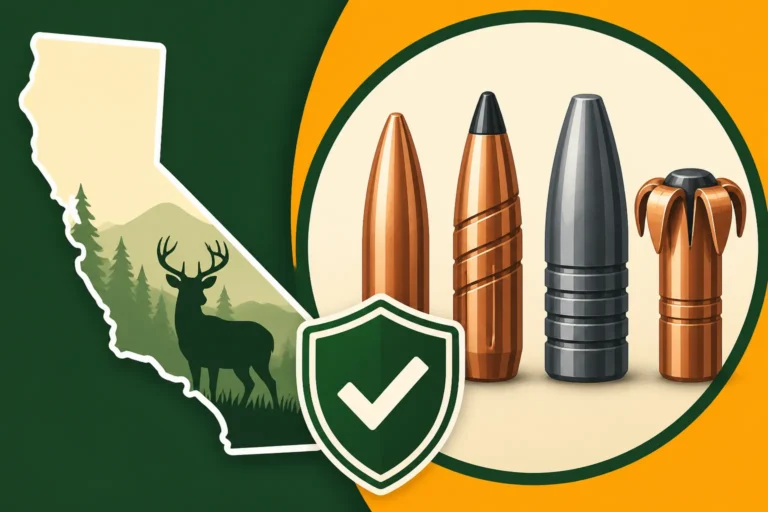
Perhaps the most significant regulation impacting all deer hunting in California, including any antlerless opportunities, is the statewide ban on lead ammunition. Since July 1, 2019, all ammunition used for hunting must be non-lead. This applies universally, whether you're hunting on public land like Los Padres National Forest or a private ranch with a depredation permit. This mandate is crucial for protecting scavenger species, like the California condor, from lead poisoning.
Hunters must ensure their chosen bullets are certified as non-lead. This typically means copper or copper alloy projectiles. You need to be familiar with Which Non-Lead Bullets California Approves and always double-check your ammunition before heading into the field. Switching to non-lead ammunition often requires re-sighting your rifle, as ballistic characteristics can differ from traditional lead-core bullets. It's a non-negotiable rule, and game wardens rigorously enforce it. Don't risk your tag or a hefty fine by using the wrong ammo.
Tag Validation and Reporting Requirements
Just like with buck tags, any antlerless deer harvested in California must be properly validated and reported. This is a crucial step in the state's wildlife management efforts, as it provides CDFW with vital data on harvest rates and herd health. Upon harvesting an antlerless deer, you must immediately fill out the tag information, notch the date and time of kill, and attach the tag to the animal.
The reporting deadline is strict: The California Deer Reporting Deadline is typically January 31st of the following calendar year, regardless of when you harvested the deer. You can report your deer online through the CDFW's Automated License Data System (ALDS), via mail, or sometimes through the Reporting a Deer Through California's App. For tags acquired through special hunts or PLM programs, there might be specific, expedited reporting requirements that supersede the general deadline, often requiring you to check out with the hunt coordinator or area manager directly. Always confirm the specific reporting instructions associated with your particular antlerless tag. This information helps the CDFW make informed decisions about future tag allocations and deer management, so it's not just a formality.
Legal Weapons for Antlerless Hunts
The legal weapons for antlerless deer hunting generally follow the same rules as the general buck seasons, unless specific hunt regulations state otherwise. This typically includes centerfire rifles, shotguns with slugs, muzzleloaders, and archery equipment. However, each weapon type has its own set of rules and limitations that must be adhered to.
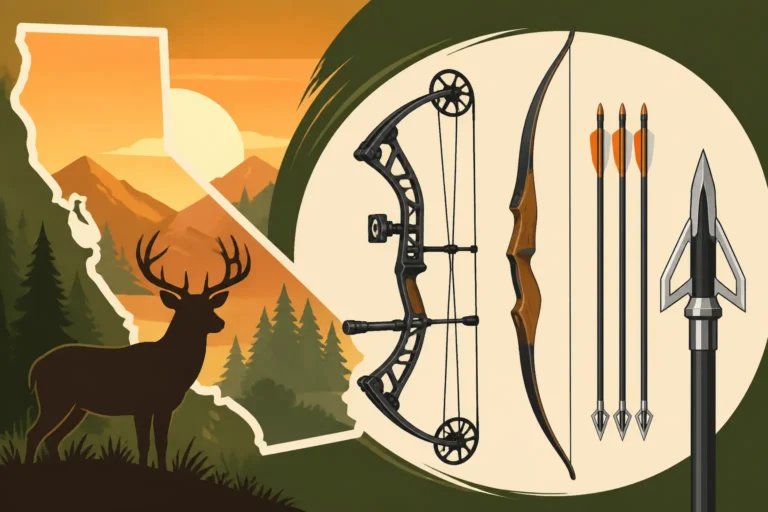
For instance, rifles must meet minimum bullet diameter requirements, and all ammunition, as previously mentioned, must be non-lead. Shotguns used for deer must be loaded with single projectiles (slugs), not birdshot or buckshot. Muzzleloaders also have specific caliber and propellant restrictions, and their projectiles must also be non-lead, which means finding appropriate non-lead sabot choices for in-line muzzleloaders. Archery equipment, including compound bows, recurves, and longbows, has minimum draw weight and arrow length requirements. Crossbows are generally allowed during the general seasons but have specific rules for use during archery-only periods. Always consult the current CDFW Big Game Hunting Digest for the most up-to-date California Legal Firearms for Deer Hunting and archery equipment rules for the specific area and season you plan to hunt, as special hunts may have unique restrictions.
Strategies for a Successful Late-Season Antlerless Hunt
So, you've managed to secure one of those elusive late-season antlerless tags. Congratulations! Now comes the actual hunting. Late-season hunting, especially for antlerless deer, presents its own set of challenges and opportunities. Understanding deer behavior, focusing on food sources, and adapting to colder weather conditions will significantly increase your chances of success.
Scouting for Late-Season Food Sources
As winter approaches, natural food sources become scarcer, making deer far more predictable. For late-season antlerless hunts, identifying preferred food sources is paramount. While acorns are a prime draw earlier in the fall, by late season, many will have been consumed. Deer will shift their focus to browse, mast crops, and green forage.
Think about areas where native browse, like manzanita or ceanothus, is abundant and still holding nutrients. Look for areas with persistent green grasses or forbs, often found in sheltered canyons or on north-facing slopes where moisture lingers. Private agricultural fields, such as alfalfa, clover, or winter wheat, can be absolute magnets for deer in late season, especially if they are the only reliable food source around. Scouting these areas, using optics like a quality spotting scope for long-range blacktail glassing, and looking for fresh tracks and droppings will reveal where the does are concentrating. Even in challenging conditions, deer need to eat, and finding their late-season buffet is half the battle. GoHunt's mapping features can help identify potential agricultural areas or specific habitat types that might hold these crucial food sources.
Cold Weather and Habitat Considerations
Late-season hunting often means colder temperatures, and sometimes, even snow in higher elevations. This impacts deer behavior significantly. Deer will seek thermal cover to escape the cold and wind, often bedding in dense stands of timber, thick brush, or on sunny, south-facing slopes that offer warmth. They will also conserve energy, meaning their movements might be shorter and more concentrated around bedding and feeding areas.
Hunting these late-season conditions requires appropriate gear, including good layering for a cold Sierra morning and proper boots for steep wet-season Sierra trails. When scouting, pay close attention to transitional areas—the edges where thick bedding cover meets open feeding areas. These "funnels" are natural travel corridors. Also, consider water sources. Even in winter, deer need water, and unfrozen seeps or creeks can draw animals. Understanding wind and thermals, especially in steep country, is always critical, but it's even more so when deer are trying to stay warm and detect predators.
Ethical Shot Placement for Does
While the thrill of the hunt is undeniable, ethical shot placement is always the top priority, regardless of whether you're pursuing a trophy buck or an antlerless deer. For does, especially if they might be carrying fawns or are with yearlings, a clean, quick kill is paramount. Aim for the vitals: the heart and lungs. This typically means a shot just behind the shoulder, slightly low in the chest cavity.
Always take your time, ensure you have a stable rest, and wait for a broadside or slightly quartering-away shot. Avoid risky shots, like those directly to the head or neck, as these can easily result in wounding an animal without a clean kill. If hunting with a rifle, understand your trajectory with non-lead loads, and practice at various distances. For archery, ensure your bow is properly tuned for broadhead flight, and you are comfortable shooting accurately at known distances. Recovering a deer from a steep canyon, especially in colder, darker conditions, is tough work, so making a good shot upfront saves suffering for the animal and significant effort for you. If you wound an animal, follow up diligently and humanely, even if it means blood trailing after dark in California.
| Antlerless Tag Type | Availability | General Season Timing | Description | Example Use |
|---|---|---|---|---|
| CDFW Special Hunt Tags | Very Limited Draw (low odds) | Varies by Hunt | Specific draws for designated wildlife areas or public lands. Highly competitive. | A specific hunt unit offers 5 antlerless tags. |
| Private Land Management (PLM) | Through Landowners/Outfitters (paid) | Often Late Season | Landowners receive tags for herd management; often sold to hunters. | Hunting a private ranch in November for a doe. |
| Depredation Permits | Landowners (damage control) | Year-Round (as needed) | Issued to landowners experiencing deer damage. Can sometimes lead to private hunt access. | Landowner asks hunter to help remove deer eating crops. |
| Junior Hunter Apprentice | Specific Draw/Opportunity | Varies, often Late | Dedicated tags for mentored youth, sometimes on public land or special events. | A junior hunter applies for a mentored doe hunt. |
Disclaimer
Please remember that hunting regulations in California are subject to change. This guide provides general information and recommendations based on current understanding. Always consult the official California Department of Fish and Wildlife (CDFW) regulations, current hunting digests, and specific hunt area rules before planning any hunting trip. Hunter safety and adherence to all laws are paramount.