Why Coastal Deer Run Smaller Than Sierra Deer
It’s a tale as old as California hunting itself: you spend a grueling week chasing blacktails in the dense coastal chaparral, finally tag out, and then see a picture of a friend’s massive Sierra mule deer buck, and you can’t help but wonder, "Why do those mountain deer always seem so much bigger?" This isn't just your imagination, or some trick of the camera. There are very real, deeply ingrained ecological, genetic, and environmental reasons why the deer of California's coastal ranges often appear significantly smaller than their cousins roaming the high country of the Sierra Nevada. This guide will peel back the layers on this fascinating difference, helping you understand the complex factors at play and appreciate the unique challenges and adaptations of California's diverse deer populations.
Unraveling California's Diverse Deer Landscape
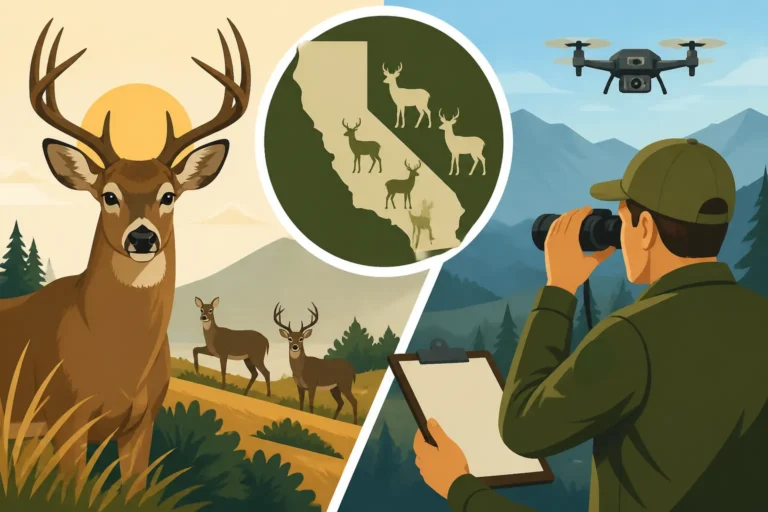
California is a behemoth of a state, and with its vast geographical diversity comes an equally diverse array of wildlife, including its deer. When we talk about "coastal deer" versus "Sierra deer," we're not just talking about location; we're often talking about different subspecies, each uniquely adapted to its specific environment. Understanding these fundamental distinctions is the first step to grasping why their mature body sizes can vary so dramatically.
The Columbia Blacktail's Coastal Domain
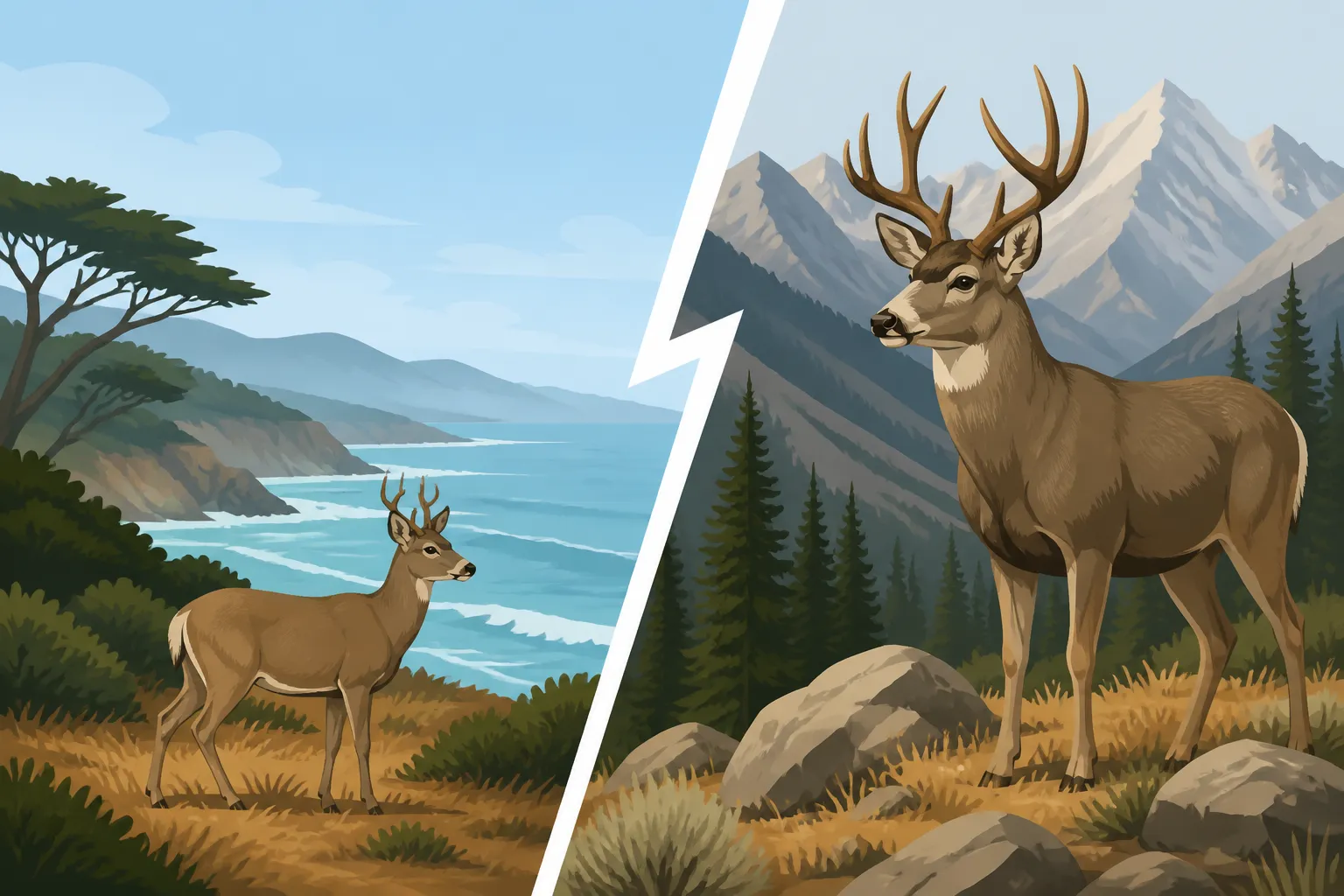
Along California's rugged coastline and into the western slopes of the Cascades and Sierra Nevada foothills, you'll find the Columbia blacktail deer. These are the deer most commonly associated with the dense, brushy, often unforgiving terrain west of the Central Valley. They thrive in the thick oak woodlands, mixed conifer forests, and chaparral that define much of the Coastal Range. Typically, a mature blacktail buck will weigh anywhere from 120 to 180 pounds live weight, though some exceptional animals push beyond that. Their antlers are often more compact, with less spread than their mule deer relatives, and their body conformation is stockier, built for navigating tight cover.
These deer are masters of stealth, moving through almost impenetrable brush with an uncanny ability to vanish. Their coloration, often a darker, richer brown, helps them blend into the shadows of the coastal timber. If you've ever spent time hunting areas like Mendocino, Humboldt, or Monterey counties, you've likely encountered these hardy creatures. They are a testament to adaptation, surviving and thriving in habitats that many other deer species would struggle to inhabit.
Majestic Mule Deer of the Sierra Nevada
Venturing eastward, into the majestic high country of the Sierra Nevada and the vast open landscapes of the eastern and northeastern parts of the state, you encounter the California mule deer. These deer are a subspecies of the larger mule deer found throughout the American West, and they are generally larger, rangier, and more open-country adapted than their blacktail cousins. A mature Sierra mule deer buck can easily tip the scales at 200 to 250 pounds live weight, with some giants exceeding 300 pounds. Their antlers tend to be wider, taller, and more bifurcated, creating that classic "forked horn" appearance.
Mule deer are built for traversing expansive, rugged terrain. They are often seen "bouncing" or "stotting" across open meadows or rocky slopes, a distinctive gait that allows them to cover ground quickly and efficiently. Their lighter, often grayer coat helps them blend into the granite and sagebrush country. For hunters who dream of truly large-bodied deer, the Sierra Nevada's high-country X-zones or the vast expanse of areas like Mono and Inyo counties are often the destinations of choice. Many dedicated hunters spend years applying for limited entry tags to pursue these grand animals, understanding that the reward is not just a trophy, but an experience in some of California’s most breathtaking wilderness, as detailed in guides like Hunting California's High-Country X-Zones.
The Blended Zones: Where Subspecies Meet
While blacktails generally inhabit the western side of the state and mule deer the eastern, California, being the diverse land it is, also features transition zones where these subspecies intermingle and hybridize. These areas, primarily in the Sierra Nevada foothills and parts of the northern Transverse Ranges, present a fascinating mix of characteristics. You might encounter deer that exhibit traits of both blacktails and mule deer – perhaps a blacktail-sized body with wider, more mule deer-like antlers, or vice-versa.
These "hybrid" deer are a living testament to evolutionary processes, adapting to environments that share characteristics of both coastal and high-country habitats. For hunters, these zones can sometimes be confusing when it comes to species identification, but they offer a unique glimpse into the genetic fluidity of deer populations. It's a reminder that nature rarely follows neat, clear-cut lines, and understanding these blended zones adds another layer to appreciating the overall complexity of Columbia Blacktail and Mule Deer in California. These areas often present their own unique hunting challenges and rewards, requiring hunters to be versatile in their approach and scouting.
Environmental Influences on Deer Physiology
Beyond the inherent genetic differences of the subspecies, the environment itself plays an absolutely monumental role in determining a deer's body size and overall health. Think of it like us humans – someone raised in a food-rich, comfortable environment is likely to develop differently than someone in a harsh, resource-scarce one. Deer are no different, and California's wildly varied landscapes create vastly different living conditions.
Climate and Precipitation Patterns
California's climate is famously diverse, ranging from temperate coastal rainforests to arid deserts and alpine tundra. These climatic differences profoundly influence the deer. The coastal regions generally experience milder winters with more consistent rainfall, often accompanied by dense fog in the summer months. While this can sustain greenery year-round, it doesn't necessarily mean high-quality forage. The milder temperatures also mean deer may not need to pack on as much fat to survive winter, which directly impacts their overall size.
In contrast, the Sierra Nevada experiences dramatic seasonal shifts. Winters are brutal, with deep snow and freezing temperatures, while summers can be hot and dry. This harsh cycle forces deer to develop robust physiological adaptations. They must put on significant fat reserves in the summer and fall to survive the lean winter months. The intense cold requires a larger body mass to maintain core temperature, a biological principle known as Bergmann's Rule. Furthermore, the timing and amount of snowmelt greatly influence the flush of highly nutritious forage in spring and early summer, a critical period for antler growth and fawn development. Drought years, which are becoming more common in California, can severely impact both coastal and Sierra herds, but the resilience of the Sierra deer is often tied to their ability to access reliable water sources from snowpack.
Topography and Habitat Structure
The very landscape a deer lives in dictates its physical development. Coastal areas, particularly the steep, brushy slopes of the Coastal Range, are characterized by incredibly dense chaparral, oak woodlands, and thick timber. Moving through this kind of country is a constant grind. Deer expend immense amounts of energy simply to travel, browse, and evade predators. Imagine pushing through head-high chamise and manzanita all day, every day – it’s a constant workout that burns calories. This constant energy expenditure for mobility leaves less energy available for pure body growth.
The Sierra Nevada, while rugged, often features more open forests, vast meadows, and rocky alpine zones. While climbing is still physically demanding, deer often have more open corridors to move through, especially as they migrate between summer and winter ranges. They can graze more efficiently in meadows and browse along forest edges without constantly fighting through impenetrable brush. This means less energy spent on locomotion and more calories that can be dedicated to growth. Furthermore, the sheer elevation changes and vastness of the Sierra backcountry require deer to be powerful and enduring, favoring a larger, more robust physique. Hunters navigating these areas know the challenge, often relying on detailed maps and apps like GoHunt to scout and plan their routes, understanding the vast differences in terrain from Hunting Coastal Range Oak Woodlands to the high peaks.
Water Availability Across Regions
Water is life, and for deer, consistent access to water is non-negotiable for health and growth. In the coastal regions, especially during the long, dry California summers, water sources can be seasonal and scarce away from the immediate coast or major rivers. While some fog drip provides moisture, deer often have to travel further or rely on less-than-ideal sources. This can lead to increased stress, affecting their ability to properly digest nutrients and grow.
The Sierra Nevada, on the other hand, benefits from significant snowpack that, even into late summer, feeds countless springs, creeks, and rivers. This perennial water supply ensures that deer generally have reliable access to hydration, even during the driest months. The presence of abundant water supports a more diverse and lush vegetation, which in turn provides higher quality forage. For does, especially those nursing fawns, consistent water access is critical for milk production, directly impacting the fawn's early growth and survival. The robust water cycle in the Sierra translates to a healthier, more vigorous deer population capable of supporting larger body sizes.
The Feast and Famine of Forage Quality
Perhaps the most significant factor influencing a deer's size, after genetics, is nutrition. Just like a bodybuilder needs a specific diet to grow muscle, a deer needs a consistent intake of high-quality forage to reach its full growth potential. California's diverse ecosystems offer vastly different menus, and this is where the coastal vs. Sierra size disparity really comes into focus.
Nutrient Density in Coastal Forage
Deer in the coastal ranges primarily rely on a diet of browse – leaves, twigs, and bark from shrubs and trees – along with forbs and grasses when available. While these areas can appear green year-round, especially with the influence of coastal fog, the nutritional quality of the forage often leaves much to be desired. Many of the dominant plant species in chaparral and oak woodlands, such as chamise, manzanita, and scrub oaks, are relatively low in protein and digestibility, especially once they mature and dry out in late summer and fall.
The dense growth also means that prime, highly palatable plants are often shaded out or quickly browsed down, forcing deer to eat less nutritious options. The mild winters mean less of a dramatic spring flush of nutrient-rich new growth compared to the Sierra, leading to a more consistent but lower-quality diet overall. This constant intake of adequate but not exceptional nutrition means deer grow at a slower rate and reach a smaller mature size, simply because their bodies aren't consistently receiving the high-octane fuel needed for maximal growth.
Abundant and Diverse Sierra Food Sources
The Sierra Nevada deer, particularly the mule deer, benefit from a much more diverse and often more nutrient-rich smorgasbord of food sources. While they also browse, their habitat includes vast meadows bursting with succulent forbs and grasses in the spring and summer. These are packed with protein and energy, critical for putting on weight and growing antlers. The Sierra also features a wider variety of deciduous trees and shrubs, like aspen and willow, which provide highly palatable and nutritious browse.
Crucially, areas affected by wildfires, or "burn scars," often experience a phenomenal flush of new growth – pioneer plant species that are incredibly high in nutrients. These areas become magnets for deer, providing an abundance of quality forage that allows them to thrive. Hunters often look for these areas, understanding their importance for deer, as explored in articles like Hunting a National Forest Burn Scar. The seasonal migrations of Sierra deer allow them to follow these peaks of nutrition, moving from lower elevations with early spring growth to high-country meadows as the snow recedes, maximizing their intake of essential vitamins and minerals. This sustained period of high-quality forage allows them to grow larger and reach their genetic potential more consistently.
Acorn Crops: A Critical Energy Source
Regardless of whether you're hunting blacktails or mule deer, acorns are an absolutely critical food source across much of California, providing a highly concentrated burst of energy and fat. A bumper acorn crop can be the difference between a tough winter and a thriving herd, directly impacting deer health and growth. Both coastal and Sierra regions have oak species, but the prevalence and consistency of acorn production can vary.
Coastal oak woodlands, particularly live oaks and canyon live oaks, produce acorns that are eagerly consumed by blacktails. However, the overall diversity of food sources might be lower, making the acorn crop even more crucial. In the Sierra foothills and lower mountain elevations, vast stands of black oak, blue oak, and live oak often produce immense quantities of acorns. These provide a vital calorie boost going into winter, allowing deer to pack on fat, which translates directly to body size and antler growth for the following year. A poor acorn year, as discussed in Hunting After a Poor Acorn Year, can have ripple effects, leading to smaller body weights and reduced antler development in both regions, but perhaps more acutely impacting populations that rely heavily on fewer diverse food sources.
Population Dynamics, Stressors, and Disease
It's not just about what a deer eats; it's also about who else is trying to eat it, who it's competing with for resources, and what invisible threats like disease might be lurking. These "invisible" factors have a profound impact on individual deer size and the overall health of a herd.
Coastal Deer Population Density and Competition
In some coastal areas, while the habitat might appear dense and expansive, the actual carrying capacity for high-quality deer nutrition can be limited. This can lead to situations where deer populations are relatively dense compared to the availability of prime forage. When too many deer are competing for limited resources, especially during dry periods, individual animals suffer. Younger deer may be outcompeted by older, more dominant animals, leading to stunted growth. Does might struggle to produce enough milk for their fawns, impacting the fawns' growth and long-term health.
This constant competition creates a level of stress within the herd. Chronic stress, whether from resource scarcity or predator pressure, can lead to the release of hormones that suppress growth. In areas with high deer density, deer spend more time and energy competing, pushing through brush to find untouched browse, and less time simply resting and converting food into body mass. This is a subtle but significant factor in why coastal deer might not reach the impressive sizes seen in less densely populated, more resource-rich environments.
Disease Prevalence and Monitoring
Deer, like any wild animal, are susceptible to a variety of diseases that can weaken them, reduce their body weight, and in severe cases, cause mortality. Epizootic Hemorrhagic Disease (EHD) and adenovirus are two common viral diseases that can sweep through deer populations, especially in late summer and early fall when insect vectors are active and deer congregate around limited water sources. While these diseases can affect deer across the state, localized outbreaks can significantly impact the health and vitality of a specific herd, reducing overall body condition and growth rates.
California's wildlife agencies are also vigilant about Chronic Wasting Disease (CWD), a neurological disease that is always a concern for deer and elk populations. While California has only had a few confirmed cases to date, California's Emerging CWD Concern has led to expanded monitoring and mandatory testing zones. Even before CWD symptoms become severe, an infected animal's health can decline, affecting its ability to grow and maintain body weight. The constant vigilance and potential for disease outbreaks are always a background stressor on any deer population, impacting their ability to achieve peak physical condition.
Predation Pressure and Energy Expenditure
California is home to a healthy population of predators, most notably mountain lions and coyotes, both of which are adept at hunting deer. While predators are a natural and healthy component of any ecosystem, the intensity of predation can influence deer behavior and energy budgets. In areas with dense cover, such as coastal chaparral, deer may be constantly on alert, spending more energy evading potential threats. This constant vigilance and the need for quick escape maneuvers burn precious calories that could otherwise be dedicated to growth.
Mountain lions are highly efficient deer predators, and their presence can keep deer populations in check, ensuring that fewer animals are competing for resources. However, it also means deer are under constant evolutionary pressure to be alert and agile. California Coyote Range and Density shows that coyotes also play a significant role, particularly in predating fawns, which affects overall recruitment into the herd. A fawn that survives intense predation pressure might start its life at a disadvantage, impacting its long-term growth trajectory. The balance between predator and prey is delicate, and while necessary for ecosystem health, it adds another layer of stress that can subtly limit the size potential of individual deer.
Genetic Underpinnings and Hunting Management
Beyond the environmental push and pull, the very genetic makeup of California's deer and the way they are managed through hunting also contribute to the observed size differences. It's a combination of inherent biological programming and human influence.
Subspecies Genetics and Growth Potential
We touched on this earlier, but it bears repeating: the inherent genetic differences between Columbia blacktail deer and California mule deer are a primary driver of their typical size disparities. Blacktails, as a subspecies, are genetically programmed to be smaller-bodied animals. This adaptation is advantageous in their dense, brushy coastal habitats where a smaller, more compact body allows for easier maneuverability through thick cover. A smaller body also means lower caloric requirements, an advantage in environments where high-quality forage might be less consistently available.
California mule deer, conversely, evolved in more open, often higher elevation environments where a larger body provides benefits. A larger body mass helps with heat retention in cold climates, and the ability to carry more fat reserves is crucial for surviving harsh winters. Their genetics dictate a higher growth potential, allowing them to utilize the more abundant and nutrient-rich forage of the Sierra to pack on more muscle and bone. While environmental factors certainly influence how close an individual deer comes to its genetic potential, the fundamental blueprint for size is written in its DNA.
Hunting Pressure and Age Structure
The pressure from hunting can also play a subtle but significant role in the perceived size of deer in different regions. Coastal zones, particularly those closer to major population centers, often experience higher hunting pressure due to easier accessibility. This can lead to a younger age structure in the buck population. If bucks are harvested at a younger age, before they have a chance to reach their full physical maturity – typically between 4.5 and 6.5 years old – then the average size of harvested bucks will naturally be smaller. It's not that these deer can't get big, but fewer of them are allowed the time to do so.
In contrast, many of the high-country Sierra hunts, especially those in the X-zones, are physically demanding, requiring significant effort and often multi-day backcountry trips. This natural barrier can reduce overall hunting pressure in certain pockets, allowing more bucks to survive to older age classes. An older buck, having survived multiple seasons, has had more time to grow, put on weight, and develop larger antlers. Hunters often plan extensively for these hunts, using resources like GoHunt to analyze draw odds, identify potential areas, and scout public land before season, all with the goal of finding those mature, larger bucks that have evaded pressure for years. The sheer remoteness and difficulty of accessing these areas effectively acts as a sanctuary, fostering the growth of larger animals.
Management Strategies and Harvest Data
The California Department of Fish and Wildlife (CDFW) manages deer populations across the state through a complex California's Multi-Zone Deer Season System, setting tag quotas and season dates for various zones (A, B, C, D, X zones). These management strategies are designed to ensure sustainable deer populations, but they also reflect and influence the regional differences in deer size. For instance, some zones may have more restrictive antler point requirements or shorter seasons, which can influence the age structure of the harvest.
Analyzing California Deer Harvest Records provides valuable insights into these differences. These reports often show higher average weights and older age classes for bucks harvested in certain high-country or limited-entry zones compared to the more accessible general zones. This data helps reinforce the observation that environmental and genetic factors, combined with hunter access and pressure, collectively shape the size differences we see. Platforms like GoHunt can be instrumental for hunters looking to dive deep into this data, helping them understand success rates, average buck size by zone, and make informed decisions about where to apply for tags or focus their scouting efforts. Ultimately, understanding these diverse factors helps hunters appreciate the incredible resilience and adaptability of California's deer, no matter their size.
| Feature / Factor | Coastal Deer (Columbia Blacktail) | Sierra Deer (California Mule Deer) | Impact on Size |
|---|---|---|---|
| Primary Subspecies | Columbia Blacktail | California Mule Deer | Blacktails are genetically predisposed to be smaller. |
| Climate | Milder winters, foggy summers, consistent rainfall | Harsh winters (deep snow), hot/dry summers | Milder climate requires less fat for winter survival; harsh Sierra winters favor larger body mass for heat retention. |
| Topography | Dense chaparral, steep brushy canyons, oak woodlands | Open forests, vast meadows, rugged alpine, burn scars | High energy expenditure for travel in dense cover; more efficient movement in open Sierra. |
| Forage Quality | Often browse-heavy, lower protein/digestibility | Diverse forbs, grasses, browse, acorns, high protein | Lower nutrient density leads to slower growth; rich Sierra forage supports faster growth. |
| Water Access | Seasonal, potentially scarce in dry season | Abundant (snowmelt, springs, creeks) | Consistent hydration supports better health and nutrient absorption. |
| Population Density | Can be higher relative to high-quality forage, more competition | Often lower, less competition in vast ranges | Higher competition can stunt individual growth due to resource scarcity. |
| Hunting Pressure | Often higher due to accessibility, younger age structure | Often lower in remote areas, older age structure possible | Younger deer harvested mean smaller average size; older deer can achieve full growth potential. |
| Typical Mature Buck Weight | 120-180 lbs (live weight) | 200-250 lbs+ (live weight) | Direct outcome of combined genetic and environmental factors. |
It’s clear that the size difference between California’s coastal deer and those in the Sierra Nevada is a complex tapestry woven from genetics, climate, forage quality, population dynamics, and even the nuances of hunting pressure. The blacktails of the coast are hardy survivors, perfectly adapted to their dense, brushy world, where a smaller, more agile body is an asset. The mule deer of the Sierra, on the other hand, are built for the mountains – larger, robust, and designed to thrive on the peaks and valleys, capitalizing on abundant, nutrient-rich forage. As hunters, understanding these fundamental differences deepens our appreciation for these magnificent animals and the incredible diversity of California's wild places.
Disclaimer
The information provided in this article is for educational and informational purposes only and does not constitute professional advice. Hunting regulations and conditions can change rapidly. Always consult the latest California Department of Fish and Wildlife (CDFW) regulations and local ordinances before engaging in any hunting activity. Safety should always be your top priority in the field.