Why California Treats Pigs as Game, Not Pests
It's a question many folks scratch their heads over: if wild pigs are such a destructive nuisance, tearing up fields and causing ecological havoc, why on earth does California classify them as a game animal, complete with seasons and tags? It seems like a contradiction, right? This guide is here to unravel that very paradox, explaining the complex history, ecological reality, and management philosophy that shapes how the Golden State approaches its burgeoning wild pig population.
The Intriguing Duality of California's Wild Pigs
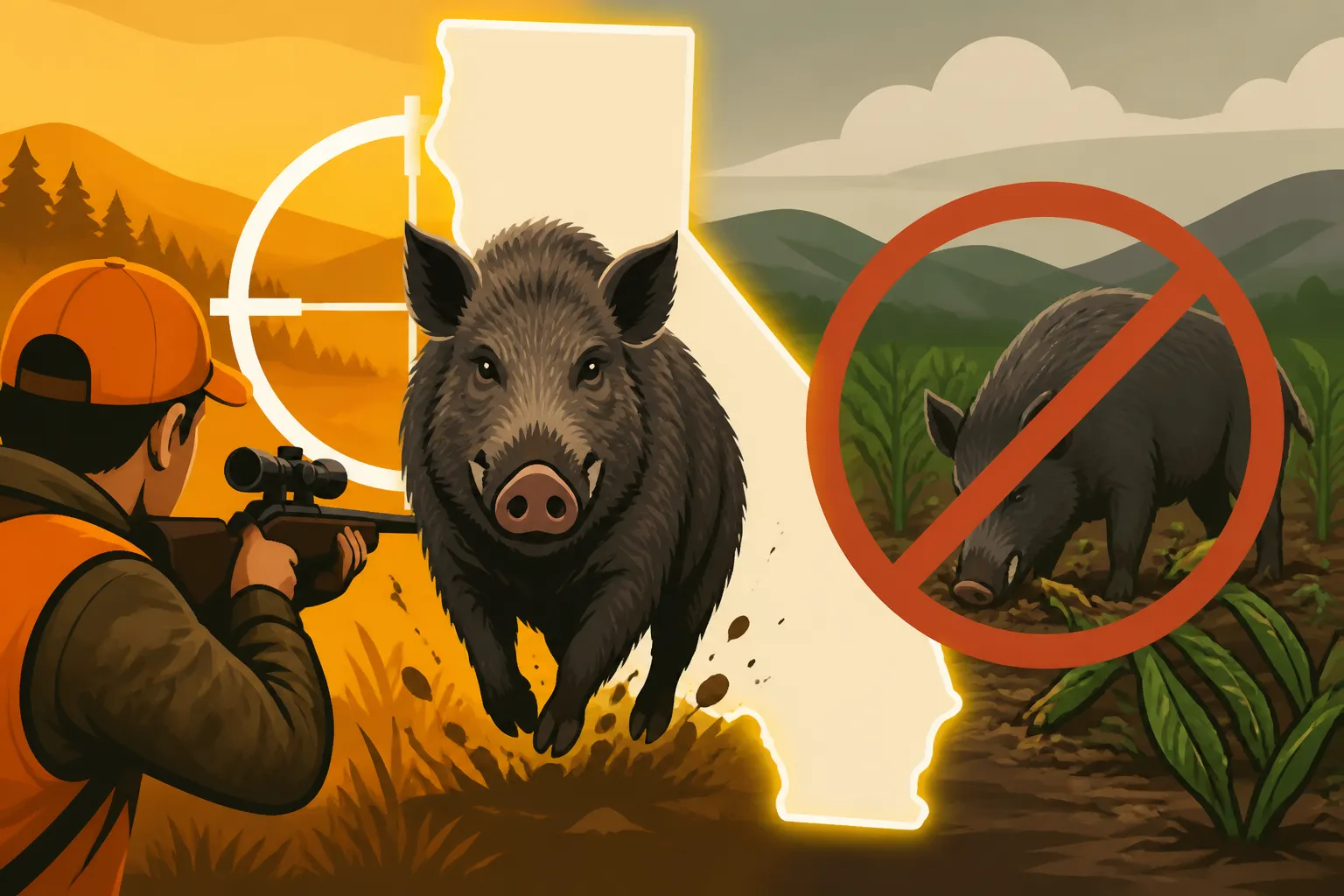
The wild pig in California is a creature of immense paradox. On one hand, they are an undeniable pest, capable of causing millions of dollars in agricultural damage annually, destroying sensitive habitats, and competing with native wildlife. On the other hand, they are a sought-after quarry for thousands of hunters, offering a challenging and accessible hunting experience year-round. Understanding this duality is key to grasping California's approach.
A Destructive Force Yet a Cherished Game Animal
Picture this: you're a rancher in Monterey County, waking up to find an acre of your carefully planted alfalfa field utterly rooted up, looking like a rototiller went through it in the dead of night. Or you're a land manager in a sensitive riparian zone, witnessing an entire creek bank churned into mud, native plant seedlings decimated, and water quality compromised. These are not isolated incidents; this is the daily reality for many across California dealing with wild pigs. Their rooting behavior, prolific breeding, and omnivorous diet make them incredibly destructive to both natural ecosystems and agricultural interests. They'll eat just about anything – acorns, roots, insects, small mammals, even fawns and turkey poults.
Yet, talk to a hunter, and you'll hear a different story. The wild pig represents an accessible, year-round hunting opportunity, a chance to put quality wild protein on the table. For many, a "Wild Pig Hunting California Year-Round" adventure is their first foray into big game hunting, or a way to stay sharp between deer seasons. The challenge of "Hunting Pigs on Central Coast Oak Ranges" or navigating dense chaparral in pursuit of a boar offers a thrill few other animals can match. This split perception is at the heart of California's management strategy.
Understanding Their History in the Golden State
The presence of wild pigs in California isn't a natural phenomenon; it's a story of human introduction, sometimes intentional, sometimes accidental. European explorers and settlers brought domestic pigs with them centuries ago. These animals, hardy and adaptable, often escaped or were released and quickly established feral populations. They reverted to wild behaviors, their descendants developing the tusks, coarse hair, and lean musculature characteristic of wild swine.
Later, in the early 20th century, specifically in the 1920s, European wild boars were deliberately introduced to parts of Monterey County for hunting purposes. These boars interbred with the existing feral pig populations, creating the hybrid animals we mostly see today, which possess the resilience of domestic pigs and the wild instincts of their European ancestors. This mixing of genetics contributed to their robust nature and their ability to thrive in a wide range of California habitats, from coastal forests to oak woodlands and even desert fringes. Without natural predators to keep their numbers in check, especially once their populations exploded, they became an ecological force to be reckoned with.
Why California Designates Wild Pigs as a Game Species
This is where the rubber meets the road. Despite their pest status, California's designation of wild pigs as a game species is a deliberate, multi-faceted approach to management and resource utilization. It's not about ignoring the damage they cause, but rather harnessing a particular tool to address it.
The Regulatory Framework and Hunter Opportunity
In California, a wild pig is classified as a "game mammal." This means that to pursue, take, or possess a wild pig, a hunter must possess a valid California hunting license and a specific "California's Year-Round Wild Pig Tag". These tags are relatively inexpensive and are available year-round, which in itself is a unique aspect compared to other big game species with highly restricted seasons. There's no bag limit on wild pigs, another distinct difference, meaning a hunter can purchase multiple tags and take multiple animals as long as they have the tags. This stands in stark contrast to how traditional agricultural pests like gophers or voles are managed, which typically involves trapping, poisoning, or other direct control methods without a hunting license requirement.
This regulatory framework creates a formal system for managing the species. Each time a hunter purchases a pig tag, a portion of that revenue goes directly to the state's wildlife conservation fund. This fund supports habitat restoration, wildlife research, and enforcement activities, some of which indirectly benefit efforts to control pig populations or mitigate their impact. So, hunters are essentially paying into the system that helps manage the very animal they're pursuing, transforming a destructive animal into a funding source for conservation.
Management Through Hunting: A Practical Approach
The core idea behind treating wild pigs as game is that hunting can be an effective, self-sustaining population control mechanism. If pigs were simply declared pests and left for eradication by government agencies, the cost would be astronomical and the logistical challenges immense given the "California Wild Pig Population Estimate" across vast and varied landscapes. By incentivizing hunters to pursue them, the state essentially deputizes thousands of individuals to help reduce pig numbers.
Think about it: hunters spend their own time, money, and effort to locate, pursue, and remove wild pigs from the landscape. They buy licenses, tags, ammunition, gear, and fuel. This distributed effort, while not designed for complete eradication, contributes significantly to managing localized populations. While it's rare for hunting alone to completely eradicate a widespread invasive species, it absolutely plays a critical role in keeping numbers from exploding even further and applying constant pressure. It's a pragmatic recognition that humans introduced the problem, and human-led solutions, including regulated hunting, are necessary for control. For private landowners facing severe damage, legal options like "Baiting Hogs Legally in California" or even trapping sounders on private land offer additional tools, often still requiring coordination with hunter efforts.
The Economic and Recreational Contributions of Wild Pig Hunting
Beyond population control, wild pig hunting provides tangible benefits to California's economy and offers a unique recreational outlet for a diverse group of outdoors enthusiasts.
Supporting Conservation Efforts and Local Economies
The sale of hunting licenses and wild pig tags generates significant revenue that directly supports the California Department of Fish and Wildlife (CDFW) and its various conservation programs. Every dollar spent on a license or tag contributes to the management of all game species, wildlife habitat, and biodiversity across the state. This makes hunters active participants in broad conservation efforts, even when pursuing an animal that is often considered detrimental to the ecosystem.
Furthermore, the act of hunting itself has a ripple effect on local economies. Hunters frequently travel to rural areas, staying in motels, eating at local restaurants, buying gas, and purchasing supplies from small businesses. Outfitters and guides specializing in "Hunting Pigs Without a Closed Season" also rely on this interest, providing jobs and income. This economic activity, spurred by recreational hunting, benefits communities that might otherwise see less tourist traffic, especially in regions known for their wild pig populations. Many hunters use mapping and scouting tools like those offered by GoHunt to find new areas, and these resources contribute to the overall outdoor recreation economy.
The Unique Challenge and Appeal for Hunters
For hunters, wild pigs offer an exciting and accessible challenge. Unlike deer or elk, which often require extensive planning, draw odds, and specific seasons, wild pigs are available year-round with readily purchased tags. This allows hunters to hone their skills, learn new areas, and spend more time in the field. The pursuit itself can be incredibly demanding, often involving stalking through dense cover, understanding wind and thermals, and making quick, ethical shots. The meat, when properly cared for, is also a highly prized lean protein, offering a sustainable food source.
The accessibility also makes pig hunting a gateway for new hunters. It provides a less intimidating entry point into big game hunting compared to the more complex regulations and lower success rates sometimes associated with deer or elk. It helps sustain a vibrant hunting culture, passing on traditions and skills. Using resources like GoHunt can help new and experienced hunters alike locate promising public land areas or find information on private land access opportunities for pigs, making the pursuit more efficient and rewarding.
Navigating the Contradiction: Balancing Control and Opportunity
The challenge for California remains how to effectively manage wild pigs given their dual status. It's a delicate dance between mitigating their negative impacts and recognizing their value as a game resource.
Addressing Agricultural Conflicts While Sustaining Hunting
The primary conflict arises when wild pigs destroy agricultural crops, damage irrigation systems, or undermine levees. Farmers and ranchers often feel frustrated that an animal causing such damage is protected under game laws, even with the year-round open season. This conflict highlights the need for ongoing dialogue and adaptive management strategies. While hunting provides pressure, it often doesn't target the specific "problem" pigs on a particular farm. This is why private landowners have additional options, like depredation permits, which allow for specific actions to remove pigs causing damage outside of standard hunting regulations.
The state also works to educate landowners on best practices for deterring pigs, such as fencing and habitat modification. The goal is to strike a balance: leverage hunters for broad population control and recreational value, while providing landowners with targeted tools to protect their livelihoods. Platforms like GoHunt often include land ownership layers, which can be invaluable for understanding where agricultural lands border public hunting grounds, helping hunters avoid conflicts and identify areas where landowner permission might be sought.
The Role of Hunters in Population Management
Hunters are, whether they explicitly realize it or not, a vital component of California's wild pig management strategy. Their sustained interest and participation in "California's Year-Round Wild Pig Tag" keep consistent pressure on pig populations across the state. This widespread, continuous effort is far more effective and economically feasible than any government agency could achieve on its own. Every pig harvested is one less animal contributing to agricultural destruction and ecological disruption, and one less animal reproducing.
As long as wild pigs remain an abundant and destructive force, it's likely California will continue with its current management model. It's a pragmatic solution that accepts the animal's invasive nature while simultaneously tapping into the passion and resources of the hunting community to help mitigate its impact. The long-term success of this approach depends on continued hunter participation, accurate "Reporting Wild Pig Harvests Through ALDS", and adaptive policies from the CDFW to address emerging challenges.
Here’s a quick overview of the dual nature of wild pigs in California:
| Feature | Wild Pig as Game Animal | Wild Pig as Pest |
|---|---|---|
| Status | Classified as a game mammal | Highly destructive to agriculture and natural ecosystems |
| Season | Open year-round | Causes continuous damage |
| Bag Limit | No bag limit (with valid tags) | No natural predators to limit population growth |
| Tags | Required for hunting; revenue supports conservation | Contributes to significant economic losses for landowners |
| Management | Hunting serves as a primary population control tool | Requires active mitigation and control measures |
| Economic Impact | Generates revenue from tag sales and hunting tourism | Damages crops, property, and sensitive habitats |
| Recreational Value | Accessible, challenging, and year-round hunting opportunity | Disrupts native wildlife, competes for resources |
Disclaimer
This article is for general informational purposes only and does not constitute professional advice. Laws, prices and regulations vary by location and change over time. Consult a qualified professional for guidance on your specific situation.