California Quail Habitat Restoration Efforts
For many of us who grew up chasing quail through California's rolling hills and chaparral, it's a real frustration to see fewer birds in places where they once thrived. The landscape changes, development creeps in, and what used to be prime quail country can feel a lot emptier than it used to. This guide is all about understanding why our California quail populations sometimes struggle and, more importantly, what dedicated hunters and conservationists are doing—and what you can do—to help restore the crucial habitats these amazing birds need to flourish once again.
Understanding the Decline of California Quail Habitat
California's natural landscapes are dynamic, always shifting with fire, drought, and human influence. Unfortunately, many of these changes have had a tough impact on our beloved California quail. It's not just one thing; it's a combination of factors that have chipped away at the ideal homes these birds rely on for survival, reproduction, and protection. If you’ve spent any time Quail Hunting California Foothill Chaparral, you've probably noticed it firsthand.
The Impact of Urban Sprawl and Development
One of the most obvious culprits in habitat loss is the relentless march of urban and suburban development. Where there once were vast expanses of oak woodlands, sagebrush, and chaparral – all prime quail territory – we now see housing tracts, shopping centers, and infrastructure. These developments don't just reduce the total acreage available; they fragment the remaining habitat into smaller, isolated patches.
Imagine a covey of quail trying to navigate a landscape cut up by roads and fences, or an area where their traditional food sources have been paved over. This fragmentation makes it harder for quail to move between different areas for food, water, and nesting. It also concentrates them in smaller spaces, making them more vulnerable to predators and less able to find new mates or colonize new areas. The wild spaces that used to offer safe passage and ample resources become islands, and quail, while adaptable, can only stretch so far. This pressure is particularly evident in many of California's coastal and foothill regions.
Changes in Land Management Practices
Beyond direct development, changes in how we manage agricultural lands and wildlands also play a huge role. For decades, traditional agricultural practices often left behind hedgerows, fallow fields, and field edges that provided excellent cover and forage for quail. Today, with larger-scale, more intensive farming, these "edge habitats" are often removed to maximize crop production. Modern farming can sometimes be so efficient that it leaves little behind for wildlife.
Similarly, fire suppression efforts, while crucial for protecting human communities, have altered natural fire regimes that historically maintained diverse habitat structures. Quail thrive in areas with a mosaic of open ground, dense cover, and new growth. Long periods without fire can lead to overgrown, homogenous stands of brush that lack the open areas and diverse plant life quail need for feeding and movement. The natural balance that once created ideal conditions for quail has been thrown off, leading to a decline in quality habitat. Understanding California Valley Quail Population Trends often requires looking at these broader ecological shifts.
Key Elements of Successful Quail Habitat Restoration
When we talk about habitat restoration for California quail, we're essentially talking about recreating or enhancing the core components that make up their ideal home. These aren't just random patches of brush; they're carefully balanced ecosystems that provide everything a quail needs to survive and raise young. It’s about more than just planting a few trees; it’s about understanding the intricate needs of the birds.
Providing Ample Food Sources
Quail are primarily ground feeders, and their diet changes with the seasons. They need a diverse array of seeds, insects, and tender green shoots. Restoring food sources means focusing on native plants that provide these essential elements throughout the year.
- Native Seed-Producing Plants: This is critical. Think about plants like wild oats, filaree, clovers, various grasses, and native forbs that drop seeds quail can readily access. These aren't just for sustenance; they're vital for pre-nesting conditioning and for growing chicks. Introducing or enhancing these plants helps create a buffet line for quail.
- Insect Habitat: Insects are especially important for young quail, providing the protein boost they need to grow quickly. Habitat that supports a healthy insect population – things like diverse native wildflowers and uncultivated patches – directly benefits quail chicks. Avoiding broad-spectrum pesticides in these areas is also key.
- Green Forage: During the wetter months, quail will browse on tender green shoots. Ensuring there are areas with palatable green growth, perhaps in open patches between thicker cover, provides crucial moisture and nutrients when seeds might be scarcer.
Creating Essential Cover and Escape Routes
Quail are small birds, and they are prey for a wide variety of predators. This means cover is absolutely non-negotiable for their survival. They need different types of cover for different purposes: nesting, loafing, roosting, and escaping.
- Dense Escape Cover: This is the thick stuff – thorny shrubs like wild rose, coyote bush, or dense patches of chaparral. When a hawk swoops in or a coyote makes a move, quail need to be able to dive into impenetrable cover immediately. These areas also provide thermal protection from extreme heat or cold.
- Nesting Cover: Quail hens need safe, concealed spots to build their nests and incubate eggs. This often means grassy clumps, brush piles, or dense forbs that offer concealment from above and on the sides. The cover needs to be thick enough to hide the nest but also allow the hen to access it easily.
- Loafing and Roosting Cover: During the day, coveys will often rest in areas that offer good overhead cover but are more open underneath, allowing them to watch for predators. At night, they prefer to roost in dense brush or low trees to escape ground predators. Think about structuring habitat to offer a mix of these different cover types.
Ensuring Access to Reliable Water Sources
Like all wildlife, quail need water. While they can get some moisture from dew and succulent plants, reliable open water sources are incredibly important, especially during California's long, dry summers.
- Natural Seeps and Springs: Protecting and enhancing natural seeps and springs is paramount. These can be critical lifelines in arid environments. Keeping them free of heavy browse or disturbance ensures quail (and other wildlife) can access them.
- Guzzlers and Water Catchments: In areas where natural water is scarce or unreliable, installing quail guzzlers can be a game-changer. These are simple structures designed to collect rainwater and make it available to wildlife, often with escape ramps for smaller creatures. They require maintenance but can dramatically increase quail survival rates in dry years. Many non-profit groups like Quail Forever focus on these types of projects.
- Dew and Succulent Plants: While not a substitute for open water, a healthy diversity of plants that retain dew or offer succulent leaves (like certain native cacti or ice plants) can contribute to a quail's moisture intake, particularly in the mornings. This is why having healthy, diverse plant communities is so important.
Practical Steps for Landowners and Enthusiasts
So, what can you actually do to help? Whether you own property or you're a passionate hunter looking to contribute, there are many hands-on steps that can make a real difference in creating and improving quail habitat. Every little bit helps, and combined efforts can have significant impacts across a landscape.
Small-Scale Habitat Enhancements
You don't need hundreds of acres to make a difference. Even on smaller plots, focused efforts can provide critical resources for quail.
- Planting Native Shrub and Grass Patches: Focus on species that are indigenous to your area. For instance, in coastal oak woodlands, planting California sagebrush, coyote brush, or Toyon can create excellent cover. In grasslands, restoring native bunchgrasses provides both nesting cover and seeds. Choose species that are drought-tolerant and provide year-round benefits. Think about creating clusters rather than rows, mimicking natural thickets. A quick search using a tool like GoHunt can help you identify local plant species and their benefits.
- Creating Brush Piles and Rock Piles: This is perhaps one of the easiest and most effective things you can do. Instead of hauling away downed branches or excess rocks, strategically pile them up. Brush piles offer immediate, dense escape cover and protection from aerial predators. Rock piles can create microclimates and shelter from heat or cold. Make sure they're fairly dense and robust enough to withstand some weather. They'll also provide habitat for insects, further bolstering the quail's food supply.
- Developing Small Water Catchments or "Quail Guzzlers": For landowners with suitable terrain, installing a small guzzler can be a huge boon, especially in arid regions. These are designed to catch rainwater and funnel it into a wildlife-friendly drinker. There are many plans available through conservation organizations for building simple, effective units. Remember, consistent access to water can be the difference between a covey surviving a dry summer or perishing.
Predator Management and Nest Protection
While habitat is paramount, addressing predator pressure can also be a component of a comprehensive restoration strategy, especially where quail populations are particularly vulnerable.
- Understanding Predator Dynamics: It's important to understand that predators are a natural part of the ecosystem. The goal isn't eradication, but sometimes, an imbalance in predator-prey ratios or an increase in opportunistic predators (like feral cats or raccoons near human settlements) can put extra strain on quail. California Coyote Range and Density is a factor, but often smaller, more localized predators have a bigger impact on nests.
- Targeted Trapping and Exclusion: For specific problematic predators, responsible and legal trapping can sometimes be employed on private lands. This might involve setting live traps for raccoons or opossums that are depredating nests. Exclusion techniques, like using hardware cloth to protect nesting areas from ground predators, can also be effective on a small scale. Always check local and state regulations regarding trapping.
- Habitat as Predator Control: Ultimately, the best long-term predator management for quail comes from robust, diverse habitat. Dense cover makes it harder for predators to locate birds, and a healthy population with ample food and water can better withstand natural predation rates. When quail have places to hide and enough food to thrive, they're more resilient.
Supporting Broader Conservation and Policy Efforts
While individual actions on private land are vital, the larger picture of quail habitat restoration often requires landscape-level efforts and supportive policies. As a hunter or conservation advocate, you can contribute beyond your own backyard.
Engaging with Conservation Organizations
Many non-profit organizations are dedicated to quail and upland game bird conservation across California. These groups often have the resources, expertise, and reach to undertake large-scale projects that individuals cannot.
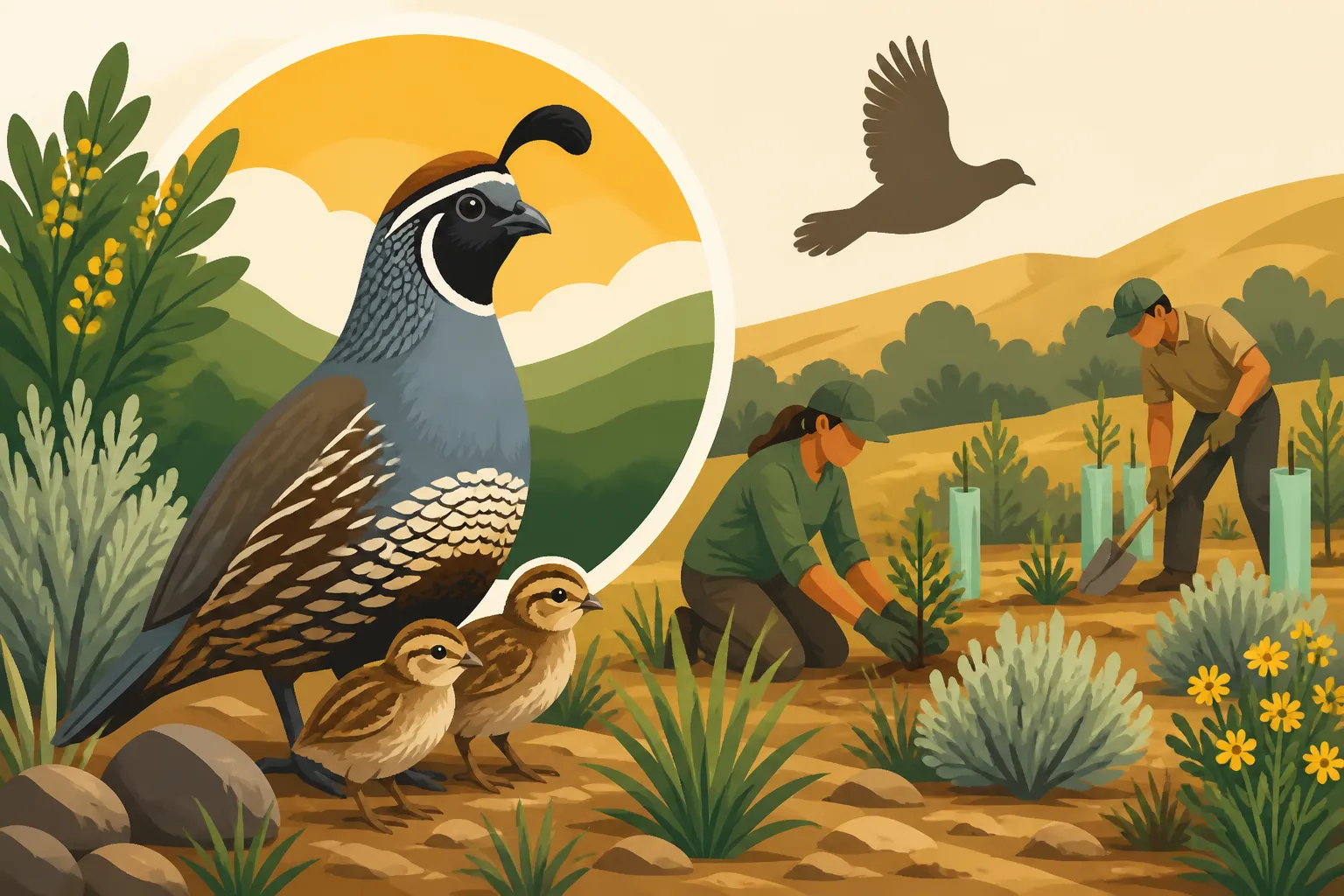
- Volunteering for Habitat Projects: Organizations like Quail Forever, Audubon California, and local sportsman's clubs frequently organize workdays for habitat improvement. This could involve planting native species, building guzzlers, or removing invasive plants. It's a fantastic way to get hands-on experience, learn from experts, and meet like-minded people. These experiences can also help you become a better scout for your own hunts, knowing what to look for on public lands when using resources like GoHunt.
- Donating Funds and Resources: Financial contributions, even small ones, help these organizations fund their work, purchase equipment, and secure necessary permits. Many groups also accept donations of tools, seeds, or other materials. Your dollars can literally translate into more robust habitat for quail.
- Participating in Citizen Science: Some organizations run programs where volunteers help monitor quail populations, conduct bird counts, or track habitat conditions. This data is invaluable for understanding population trends and guiding future restoration efforts.
Advocating for Sound Land Use Policies
The long-term health of California quail depends on smart land use decisions at local and state levels. Hunters and conservationists have a powerful voice in shaping these policies.
- Attending Public Meetings and Commenting on Plans: Local planning commissions, county supervisors, and state agencies often hold public meetings regarding land use, development projects, or environmental regulations. Showing up, or submitting written comments, to advocate for wildlife-friendly practices and habitat protection can influence decisions.
- Supporting Legislation for Open Space and Habitat Protection: Stay informed about proposed legislation that impacts wildlife habitat, open space, and conservation funding. Contacting your elected officials to express your support or concerns can make a difference. Laws that protect critical migration corridors, establish conservation easements, or fund habitat restoration programs are all crucial.
- Promoting Sustainable Agriculture and Ranching Practices: Encourage and support farmers and ranchers who adopt practices that benefit wildlife, such as leaving field margins unmowed, planting hedgerows, or implementing rotational grazing. These practices can integrate working landscapes with healthy wildlife habitat. Understanding California Quail Habitat Restoration Efforts means recognizing that diverse stakeholders all play a role.
Table: Quail Habitat Elements and Their Benefits
Here’s a quick overview of the essential habitat components and why they are so vital for California quail:
| Habitat Element | Primary Benefits for Quail | Examples of Restoration Actions |
|---|---|---|
| Food Sources | Energy for survival, breeding, chick growth | Plant native grasses, forbs, and shrubs (e.g., wild oats, filaree) |
| Dense Escape Cover | Protection from predators (aerial & ground), thermal regulation | Create brush piles, plant thorny shrubs (e.g., Toyon, coyote bush) |
| Nesting Cover | Concealment for nests, protection of eggs and chicks | Promote dense grass clumps, small brush thickets |
| Loafing/Roosting Cover | Mid-day rest, night-time security from ground predators | Plant low, dense shrubs, maintain small timber stands |
| Water Sources | Hydration, especially during dry periods and for reproduction | Protect natural seeps, install guzzlers, encourage dew-retaining plants |
| Dusting Areas | Parasite control, feather maintenance | Maintain open, dry dirt patches |
| Open Ground | Ease of movement, insect foraging, predator detection | Implement controlled burns, light disking, selective mowing |
By actively engaging in these efforts, whether through direct work or advocacy, we can all contribute to ensuring that the familiar call of the California quail continues to echo across our wild places for generations to come. It’s a rewarding pursuit, and one that gives back to the land that provides us so much enjoyment.
Disclaimer
This article is for general informational purposes only and does not constitute professional advice. Laws, prices and regulations vary by location and change over time. Consult a qualified professional for guidance on your specific situation.