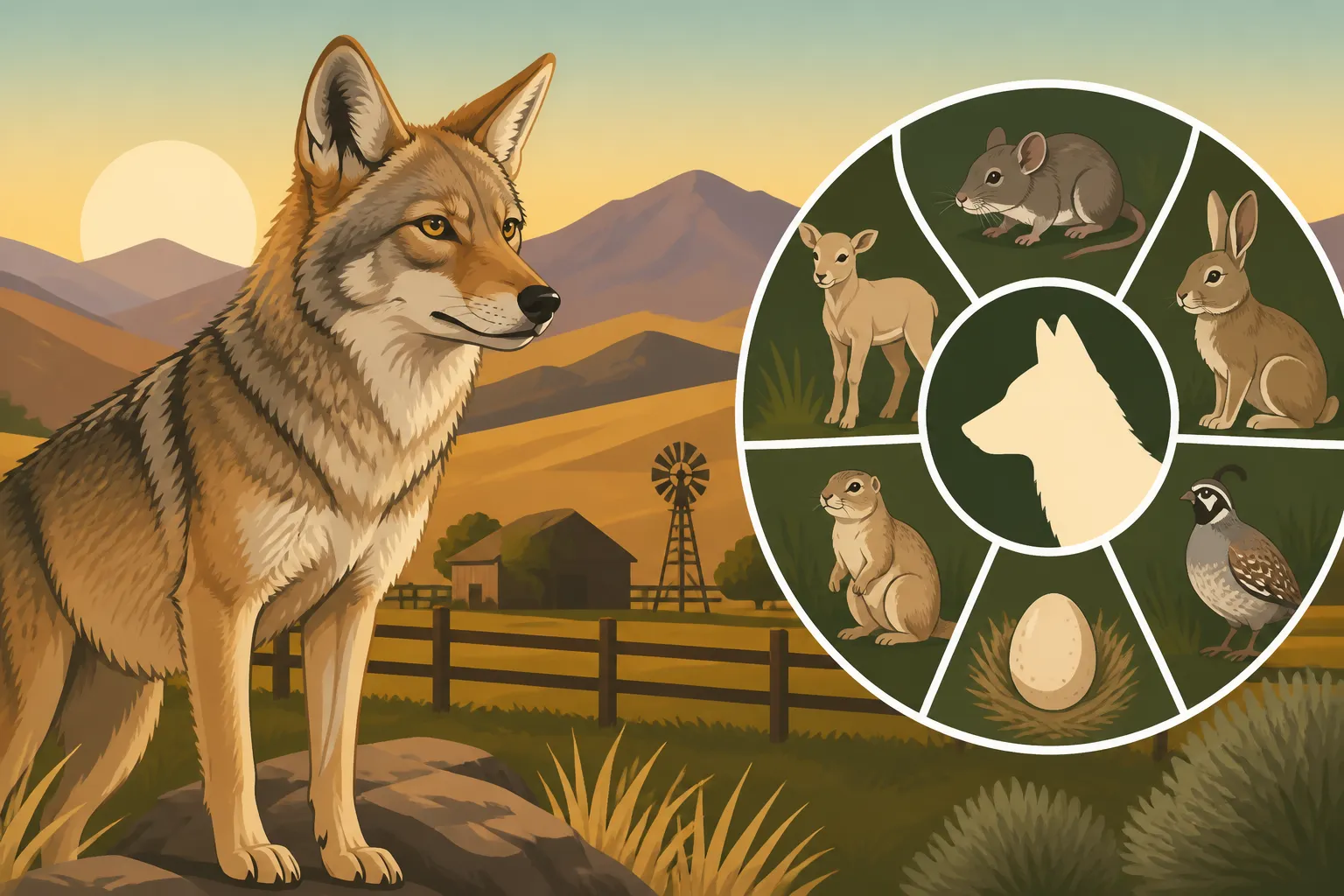
California Coyote Diet in Ranch Country
One of the enduring challenges for those living and working in California's vast ranch country is understanding the adaptable and often misunderstood coyote. These highly intelligent canids are a constant presence, and their diet directly impacts livestock, local wildlife, and even the vegetation. This guide will delve deep into what California coyotes in ranch country truly eat, offering insights into their foraging habits, the seasonal shifts in their menu, and how their diet can influence land management and hunting strategies.
Understanding the Coyote's Adaptable Nature
Coyotes, or Canis latrans, are true survivors, and nowhere is this more evident than in California's diverse ranchlands. From the rolling oak woodlands of the Central Coast to the expansive, drier pastures of the Central Valley foothills, these animals have mastered the art of making a living. Their diet is a direct reflection of their environment – they eat what's available, when it's available, and they are incredibly efficient at finding it.
The Opportunistic Hunter
Unlike some more specialized predators, the coyote is the quintessential opportunist. They don't just hunt actively; they scavenge, they forage, and they adapt their tactics to whatever food source is most abundant or easiest to acquire. This flexibility is precisely why they thrive in such close proximity to human activity and livestock. A ranch, with its mixture of open fields, brushy draws, water sources, and often an abundance of small prey, is a veritable buffet for a coyote. They learn quickly, observe diligently, and aren't afraid to alter their routines. This makes them incredibly difficult to predict, and even more challenging to manage if they develop a taste for something ranchers would prefer they didn't. You might see them patiently stalking gophers in an alfalfa field one morning, then picking through fallen fruit from an orchard the next, or even investigating a roadside carcass. This broad appetite is a hallmark of their success.
Seasonal Shifts in Prey Availability
A coyote's menu in California ranch country isn't static; it ebbs and flows with the seasons, mirroring the availability of various food sources. In spring, when fawns and young livestock are born, and ground-nesting birds are vulnerable, these become potential targets. The tender new growth of grasses and forbs also attracts smaller herbivores, concentrating them in certain areas. As summer dries out the landscape, water sources become crucial, and coyotes will often focus their hunting efforts around creeks, ponds, and stock tanks where other animals congregate. This is also a time when berries ripen, and insects are plentiful. Fall brings a bounty of acorns in oak woodlands, which can attract deer, wild pigs, and small game like squirrels, thereby also attracting coyotes. The cooler weather and shorter days of winter can make food scarcer, pushing coyotes to rely more on scavenging and targeting weaker or sicker animals, or even digging for tubers. Understanding these seasonal shifts is critical for ranchers trying to protect their stock and for hunters trying to understand California Coyote Diet in Ranch Country and their movement patterns.
Primary Food Sources in California Ranch Country
The dietary habits of coyotes in California's ranching regions are incredibly diverse, allowing them to exploit a wide array of food sources. While small prey forms the backbone of their diet, they are not shy about taking advantage of larger opportunities or even plant-based foods.
Small Mammals and Rodents: The Staple
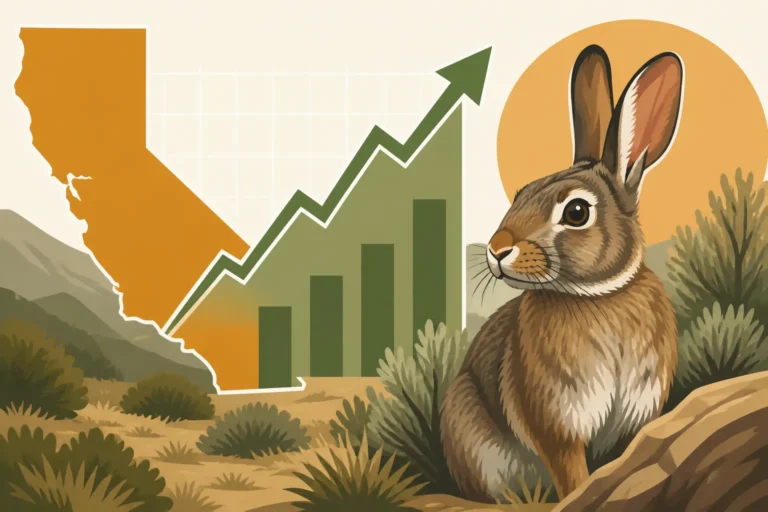
Without a doubt, small mammals and rodents make up the bulk of a coyote's diet in most ranch country settings. Gophers, voles, mice, and rats are abundant, relatively easy to catch, and provide a consistent source of nutrition. Think about those sprawling fields of alfalfa or pastures dotted with ground squirrel colonies – these are prime hunting grounds for coyotes. A rancher might see a coyote "mousing" in a field, pouncing high into the air to pin a rodent underneath. This constant pursuit of small prey actually benefits ranchers by controlling rodent populations, which can damage crops and spread disease. Rabbits, both cottontails and jackrabbits, are also a significant food source, especially in areas with good cover like brushy draws and fencerows. These smaller, quicker animals require a bit more effort to catch but offer a larger meal. Often, knowing where these small game animals thrive can give you a clue as to where coyote activity will be highest. California Squirrel and Rabbit Populations provide an ever-present food source for coyotes.
Livestock and Game Animals: A Complex Issue
This is where the relationship between coyotes and ranchers becomes complicated. While small prey is preferred, coyotes are opportunistic predators and will not pass up an easy meal, especially if they are raising pups. Young livestock, such as newborn calves, lambs, and goat kids, are particularly vulnerable. They are slow, often left unattended, and lack the defenses of mature animals. While an adult cow or horse is generally safe, a sick, injured, or very young animal can become a target. This leads to very real economic losses for ranchers and is often the primary reason for coyote control efforts.
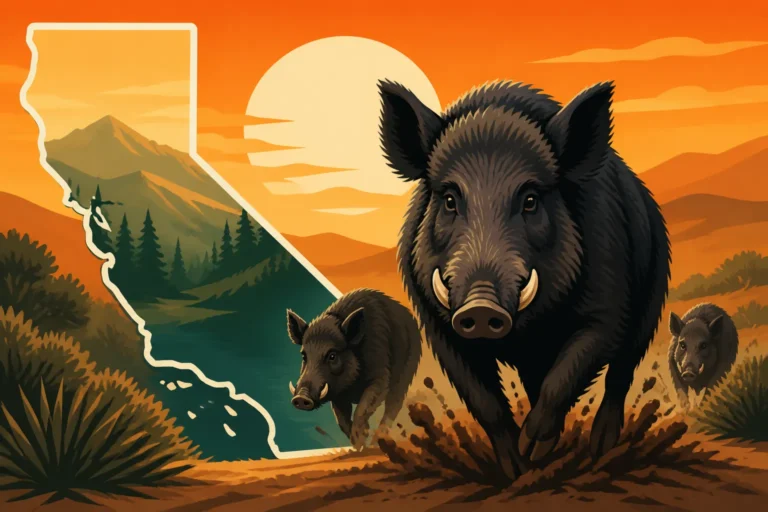
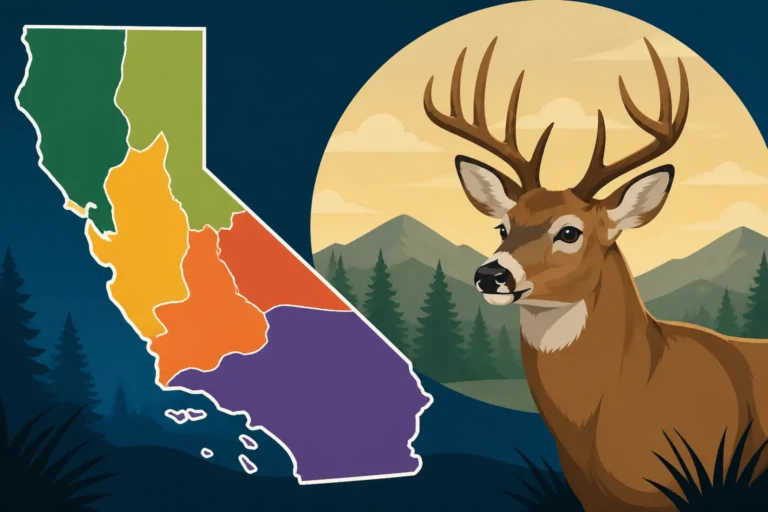
Beyond domestic stock, coyotes also predate on wild game animals, especially deer fawns. During the spring and early summer fawning season, coyotes can be a significant source of fawn mortality. They might also take sick or injured adult deer, or scavenge on deer carcasses, which are often plentiful after hunting season or during periods of harsh weather. California Deer Herd Size can fluctuate based on many factors, and predation by coyotes is one of them. For hunters, understanding this dynamic can influence scouting; if you see abundant coyote sign in an area, it might indicate higher predation pressure on fawns, potentially impacting future deer numbers. Wild pigs, though larger and tougher, can also be impacted, especially piglets. Coyotes might follow a sounder, waiting for an opportunity to snatch a straggler.
Plant Matter and Scavenging
It might surprise some, but coyotes are not exclusively carnivorous. Plant matter forms a noticeable, albeit smaller, part of their diet, especially during certain seasons. Berries, fruits (like fallen apples or grapes from vineyards), and even certain grasses and seeds can be consumed. This is often more prevalent when other food sources are scarce or when these plant items are particularly abundant and easy to access. While not providing the same caloric punch as meat, they can offer essential vitamins and minerals. Think of a coyote investigating a blackberry patch in late summer or a fallen fruit tree in an old orchard.
Scavenging is another critical component of the coyote diet. Roadkill, gut piles left by hunters, and animal carcasses (whether from natural causes or livestock mortality) are all valuable food sources. This is where their opportunistic nature truly shines. A coyote expends far less energy scavenging a carcass than actively hunting, making it a highly efficient feeding strategy. Ranchers often notice coyotes around pastures where an animal has died, cleaning up what might otherwise become a breeding ground for insects or disease. Understanding this scavenging behavior helps explain their wide distribution and persistence.
Impact on Ranching Operations and Wildlife
The presence of coyotes in California ranch country has a ripple effect, impacting not just the local ecosystem but also the livelihoods of ranchers. It's a delicate balance, and understanding the nuances of their diet helps illustrate these complex interactions.
Livestock Predation: Real Concerns for Ranchers
For ranchers, livestock predation by coyotes is a tangible and often heartbreaking reality. While coyotes play a vital role in controlling rodent populations, their targeting of calves, lambs, and goat kids can lead to significant financial losses. A rancher might invest heavily in breeding and raising livestock, only to lose a portion of their young stock to coyote attacks. This isn't just about the immediate loss of an animal; it's about lost future revenue, breeding potential, and the emotional toll on those who work the land.
Ranchers employ various strategies to mitigate these losses, from bringing vulnerable young animals closer to barns at night, to using guardian animals like dogs, llamas, or donkeys, and even implementing specific fencing or deterrents. Understanding that predation often increases when coyotes are raising pups or when natural prey is scarce helps ranchers anticipate and respond to potential threats. Tools like GoHunt can be invaluable for ranchers and hunters alike, as they can help visualize terrain, water sources, and potential den sites where coyotes might concentrate, aiding in more targeted management efforts.
Competition with Native Predators and Game Species
Coyotes aren't the only predators in California's ranch country, and their diet can put them in direct competition with other species. Bobcats, mountain lions (though less common in open ranchlands, they are certainly present in adjacent foothills), and even eagles and hawks, all rely on similar prey bases, particularly small mammals and deer fawns. An increase in coyote populations or a shift in their diet towards larger game could potentially impact these other predators by reducing the available food supply.
Furthermore, intense coyote predation on game species like deer, especially fawns, can influence hunting success and population dynamics for human hunters. While coyotes rarely wipe out a deer herd, sustained high predation pressure can suppress fawn recruitment, meaning fewer young deer survive to adulthood. This is why wildlife managers carefully monitor predator-prey ratios. For a deer hunter using a GoHunt app to scout potential areas, observing high coyote sign might inform their expectations for deer numbers in that particular locale, especially for young bucks. It's a complex web where every player has an impact on the others.
Identifying Coyote Scat and Tracks: What They Tell You
One of the most direct ways to understand what coyotes are eating in a particular area is to become a detective of the wild. Their droppings (scat) and tracks leave clear evidence of their dietary habits and recent movements, offering invaluable clues for ranchers, wildlife managers, and even hunters trying to understand the local ecosystem.
Deciphering Scat Contents
Coyote scat is a treasure trove of information. Unlike domestic dog droppings, coyote scat is usually tubular, often twisted, and tapers to a point at one or both ends. Its color and consistency vary greatly depending on the diet. But the real magic is in its contents.
- Hair and Bone Fragments: This is the most common component. You'll often see strands of hair from rabbits, deer, rodents, or even domestic livestock. The color and texture of the hair can often tell you the type of animal. Small bone fragments are also a clear indicator of meat consumption. Seeing consistent lamb or calf hair, for instance, is a strong sign of livestock predation.
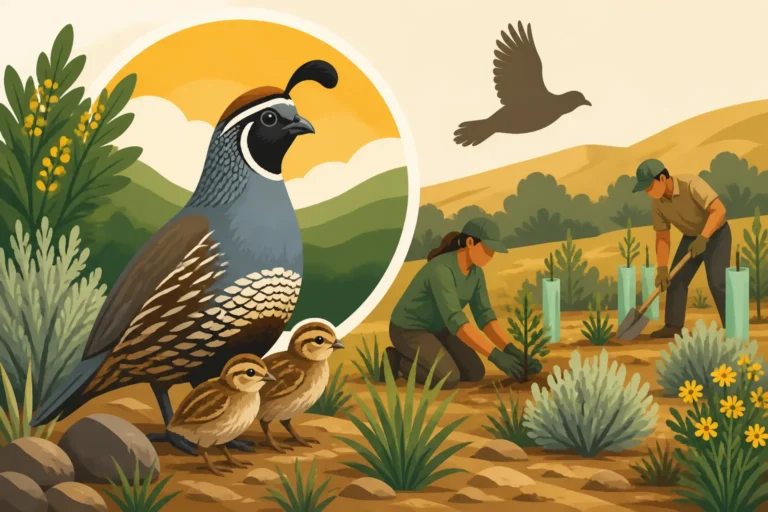
- Feathers: If you find feathers, it suggests the coyote has been preying on birds, possibly pheasants, quail, or even domestic chickens if a coop is accessible.
- Plant Matter: During certain seasons, you might notice berries, seeds, or even bits of grass. For example, scat filled with dark, mashed material and small seeds in late summer often points to a diet of blackberries or manzanita berries. This helps confirm their omnivorous tendencies.
- Insect Parts: Occasionally, especially in warmer months, you might find chitinous insect exoskeletons in the scat, indicating they've been feasting on grasshoppers, beetles, or other large insects.
Examining scat regularly in a given area, perhaps along a game trail or near a water source, can give you a dynamic picture of the coyotes' shifting diet. It's like reading a daily diary of their meals. This information, combined with mapping tools like GoHunt to mark scat locations, can help you identify patterns in their foraging behavior.
Reading Tracks for Dietary Clues
Coyote tracks, while not directly revealing what they ate, can provide crucial context to their dietary habits. Coyote tracks are typically oval-shaped, with four toes and a clear nail print on each. The heel pad is usually triangular, and the overall track is narrower than a dog's, often appearing in a straight line or "purposeful" gait as they travel.
- Location of Tracks: Finding tracks consistently around known rodent colonies (like ground squirrel towns), along field edges, or near water sources where small game congregates, suggests active hunting for these smaller prey items. If you see tracks circling a pasture with young lambs, it's a red flag.
- Behavioral Indicators: Tracks showing signs of sudden stops, pounces (a distinct impact mark, sometimes with scattered dirt), or drag marks can indicate a successful kill. Tracks leading into dense brush where a rabbit might hide, or along a fenceline, give clues to their hunting methods.
- Associated Sign: The presence of tracks near a carcass, even if the carcass itself is old, confirms scavenging behavior. Tracks crisscrossing a field of fallen acorns, especially if combined with scat containing acorn fragments, tells a story of foraging.
Learning to differentiate coyote tracks from dog tracks is essential. Coyotes often travel more efficiently in a straighter line, whereas a domestic dog's tracks might wander aimlessly. Observing tracks, especially on soft ground after a rain, offers a fresh look into where coyotes are moving and potentially what they're looking for. This helps complete the picture of their daily lives and their role in the ranch country ecosystem. For more on tracking, consider the detailed information in Tracking a Deer in Fresh Sierra Snow — many of the same principles of reading tracks apply to coyotes.
Managing Coyote Interactions in Ranch Country
Understanding the coyote's diet is the first step in effective management, whether you're a rancher aiming to protect livestock or a hunter focused on game species. It's about proactive strategies, not just reactive responses.
Integrated Management Approaches
Given the coyote's adaptability, a multi-faceted approach is almost always necessary in ranch country. Relying on a single method often proves ineffective in the long run.
- Non-Lethal Deterrents: These are often the first line of defense. Guardian animals, as mentioned, are a popular choice. Livestock protection dogs, such as Great Pyrenees or Anatolian Shepherds, bond with the herd and actively deter coyotes. Llamas and donkeys can also be effective guardians, though usually for smaller herds. Fencing, particularly electric fencing, can be very effective if properly maintained, especially around lambing or calving pastures. Nuisance deterrents like fladry (strands of flags that flap in the wind) can temporarily deter coyotes from an area, as can bright lights or noisemakers, though coyotes can habituate to these over time.
- Habitat Modification: Sometimes, small changes to the landscape can make a difference. Clearing brush around pastures can reduce ambush cover for coyotes, making it harder for them to sneak up on livestock. Removing carcasses promptly prevents scavenging behavior from attracting coyotes to an area. Managing rodent populations, through integrated pest management, can reduce a primary food source, thereby potentially lessening the incentive for coyotes to remain in a specific area.
- Targeted Removal: In cases where non-lethal methods fail and specific coyotes are consistently preying on livestock, targeted removal may become necessary. This usually involves trapping or calling specific problem animals. This is a sensitive topic and often requires consultation with wildlife services or experienced predator callers. The goal is often to remove the specific individuals causing issues, rather than broad, indiscriminate efforts that can be less effective and disrupt the ecosystem. Understanding Coyote Calling California Ranch Land techniques is crucial for this approach.
The Role of Hunting and Trapping
Regulated hunting and trapping can play a role in coyote management, particularly in reducing overall populations in areas with high predation issues or where hunters are targeting them as a sport.
- Predator Calling: Many hunters enjoy calling coyotes, often mimicking rabbit distress calls or other coyote vocalizations. This can be an effective way to remove individual coyotes from an area. For hunters, knowing the coyote's diet—what sounds they respond to, and what types of terrain they favor for hunting—is crucial for success. In areas where they frequently hunt rodents, a mouse squeaker call might be effective. Where they target deer, a fawn distress call could work.
- Sport Hunting: Coyotes provide an exciting and challenging hunt, and responsible sport hunting can contribute to population management. Hunters must adhere to all California hunting regulations, including license requirements and ethical hunting practices. Small Game and Predator Hunting in California encompasses many of these considerations.
- Trapping: In some situations, trapping is used for targeted removal of problem coyotes. Trapping is highly regulated in California, requiring specific licenses and methods. It's often employed by professionals when other methods have proven insufficient.
Effective coyote management in ranch country is a continuous process of observation, adaptation, and employing a range of strategies that respect both the needs of the ecosystem and the livelihoods of ranchers. Using detailed mapping and scouting tools, such as the ones offered by GoHunt, can further enhance these efforts by providing crucial topographical and land ownership data to inform decisions.
Disclaimer
This article is for general informational purposes only and does not constitute professional advice. Laws, prices and regulations vary by location and change over time. Consult a qualified professional for guidance on your specific situation.