California Deer Weight Averages by Zone
One of the biggest questions that swirls through a California hunter's mind, beyond "where are the deer?", is often "how big are the deer around here?". It’s a completely valid concern, not just for bragging rights, but for very practical reasons – how much meat will you get, what kind of pack frame do you need, and how much effort will it take to get that animal out of a remote canyon? Understanding the average weights of California's deer across different zones can profoundly impact your hunting plans, from your gear choices to your physical preparation. This guide will walk you through what to expect regarding deer weights, helping you better prepare for your next hunt in the Golden State.
The Diverse Factors Shaping California Deer Weights
It might seem straightforward, but a deer's weight isn't just about its age; it's a complex interplay of genetics, environment, and overall health. California, being such a geographically diverse state, naturally produces deer with wide variations in size, even within the same species. What you find in the dense coastal chaparral is going to be significantly different from a buck roaming the vast, open expanses of the desert or the high-elevation Sierra.
Genetics and Subspecies Differences
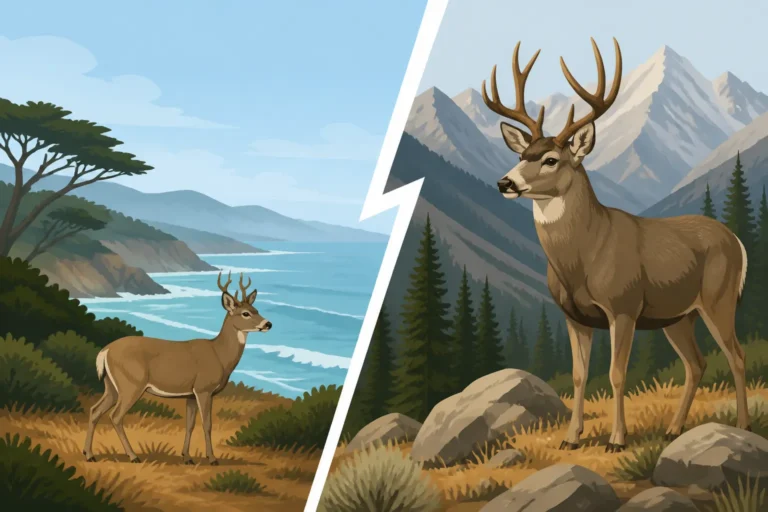
California is primarily home to two main deer subspecies: the Columbia Blacktail deer, found predominantly in the coastal and northern parts of the state, and the Mule deer, which includes both Rocky Mountain Mule deer in the eastern Sierra and desert Mule deer in the arid south. These genetic distinctions are fundamental to their size. Blacktails are inherently more compact, built for navigating thick brush and timber. Their average frame is smaller, their legs shorter, and their overall body mass less substantial compared to their mule deer cousins.
Mule deer, conversely, are typically larger-bodied with longer legs and ears, designed to cover more ground in open, often mountainous or desert terrain. This difference isn't just cosmetic; it means a mule deer buck will naturally outweigh a blacktail buck of the same age and condition. We even have fascinating "hybrid zones," particularly in the Sierra foothills, where blacktails and mule deer interbreed, leading to animals that can show characteristics of both, making weight estimation even more of a guessing game until you're up close. These genetic blueprints set the stage for how large a deer can get, but it's the environment that dictates if it will.
Habitat Quality and Nutritional Availability
Just like us, deer need good food to grow big and healthy. The quality and abundance of forage available in a deer's habitat play a monumental role in its body weight. This is heavily influenced by factors like rainfall, soil quality, and dominant plant species. A year with ample winter rains and a mild spring can lead to lush browse and a bumper crop of acorns in the fall. Deer in such conditions can pack on significant fat reserves, leading to heavier animals. Conversely, prolonged drought, which is a common concern in California, can severely stress deer populations. Sparse vegetation means deer struggle to find enough quality food, resulting in leaner, lighter animals.
Consider the coastal ranges, which often benefit from consistent fog and a diverse array of browse, compared to the arid stretches of the Mojave Desert, where sustenance is much scarcer. While desert deer are genetically predisposed to be larger than blacktails, a desert buck living in a particularly harsh area might be leaner than a blacktail from a prime, irrigated valley. The presence of specific food sources, like large oak stands producing abundant acorns, can be a game-changer. A strong acorn crop can put significant weight on deer quickly in the late summer and fall, meaning a buck taken in October might be noticeably heavier than one taken in August from the same area, simply due to that caloric boost. Hunters often seek out these crucial food sources, sometimes checking Hunting After a Poor Acorn Year to adjust their expectations.
Age, Health, and the Rut's Impact
An older deer, particularly a buck, generally means a heavier deer. Younger deer are still channeling much of their energy into growth – both body size and antler development. A 2.5-year-old buck, for example, might have decent antlers, but its body weight will likely be considerably less than a 5.5-year-old buck that has reached its physical maturity. The older buck has maximized its frame and muscle mass, and during times of good nutrition, will lay down more fat.
However, a deer's health status also plays a critical role. Injuries, parasitic loads, or diseases can all lead to rapid weight loss. For bucks, the rut is a period of intense activity where they expend tremendous amounts of energy chasing does and fighting rivals. It’s not uncommon for a mature buck to lose 20-30% of its body weight during the peak of the rut, turning a robust animal into a gaunt, albeit still impressive, shadow of its pre-rut self. So, a big-antlered buck taken late in the season might actually be lighter than a smaller-antlered buck taken earlier in the year when it was still fully fueled. Understanding factors like California Deer Herd Size can also provide context for overall herd health and potential for larger, heavier individuals.
Average Weights by California Hunting Zones and Species
Breaking down deer weights by zones helps set realistic expectations for your hunt. The vastness of California means that "deer" is a broad term, encompassing animals that are distinct in both their appearance and their physical dimensions.
Coastal Blacktail Deer (Zones A, B, C)
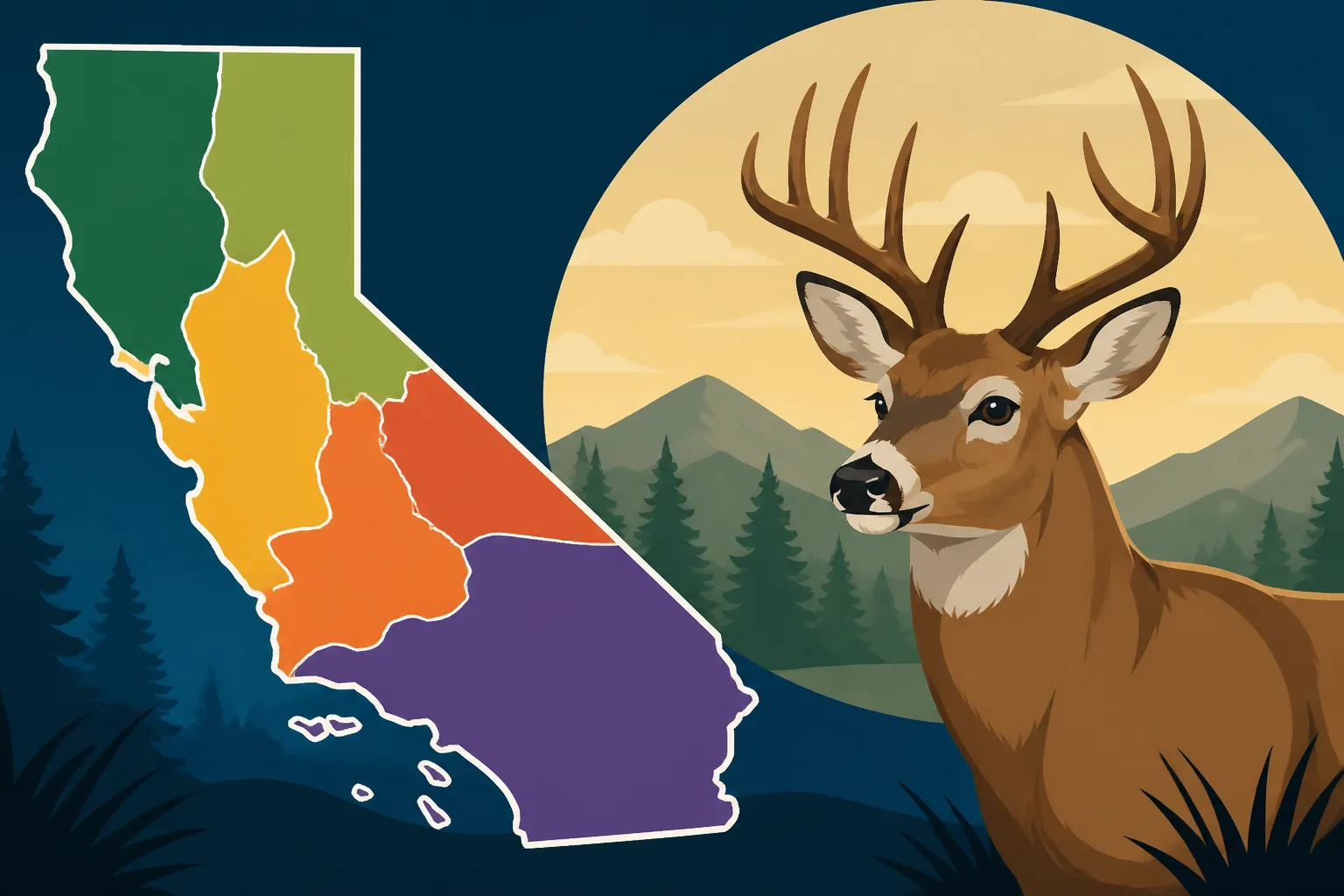
Blacktail deer, primarily found in the dense, often steep coastal ranges and forested areas of Northern California, are generally the smallest of the state's deer species. These zones cover a significant portion of California's accessible public and private land, from Mendocino to Monterey. An average mature Columbia Blacktail buck in these regions typically has a live weight ranging from 100 to 150 pounds. Does are considerably smaller, often weighing 70 to 100 pounds live. For hunters, the field-dressed weight (after removing internal organs) is a more practical measure, often falling between 70 and 100 pounds for a mature buck.
It's important to remember these are averages. A truly old, well-fed blacktail from a private ranch with abundant forage might push 180 pounds live, making it a genuinely exceptional animal for the species. Conversely, a buck from heavily pressured public land in sparse chaparral could be on the lighter end. The dense habitat of regions like the Coastal Range Oak Woodlands favors their compact build, allowing them to slip through thick cover with surprising ease. This is why you often hear of blacktails being "ghosts" in the timber – they don't need to be massive to survive and thrive here.
Sierra Nevada Mule Deer (D-Zones, X-Zones in the Sierra)
Moving into the majestic Sierra Nevada mountains and their foothills, we encounter mule deer. These deer are typically larger than blacktails, reflecting their different genetics and generally richer, albeit often seasonally constrained, forage. Sierra mule deer bucks can vary widely depending on the specific elevation and habitat quality. An average mature buck in the Sierra D-zones or higher-elevation X-zones might have a live weight of 150 to 220 pounds. Trophy-class bucks, especially older animals that have had consistent access to good feed, can push well past 250 pounds live.
When field-dressed, expect these bucks to weigh in the range of 100 to 150 pounds, with the biggest ones potentially exceeding that. The lush mountain meadows, mixed conifer forests, and diverse undergrowth during the growing season contribute to their larger size. Bucks in the high country, especially, are known to pack on significant weight and fat reserves in late summer and early fall in preparation for the harsh winter and the rut. This is a primary reason Why Sierra Deer Grow Bigger Than Coastal Deer is a common topic of discussion among hunters. If you're planning on Hunting California's Sierra Nevada Backcountry, understanding these weight classes is crucial for logistical planning.
Desert Mule Deer (D-Zones, X-Zones in Deserts)
The desert regions of California, particularly the vast expanses managed by the BLM and certain D-zones, are home to another variant of mule deer. While their habitat is often characterized by sparse vegetation and extreme temperatures, the deer that thrive here can grow to impressive sizes. These animals often have a rangy, lean appearance but possess a substantial bone structure and overall frame. An average mature desert mule deer buck can have a live weight ranging from 160 to 250 pounds. Exceptional individuals, particularly those from areas with consistent water sources and pockets of richer browse, can reach or even exceed 275 pounds live.
Field-dressed, these big desert bucks typically fall between 110 and 170 pounds. Despite the challenging environment, these deer are incredibly resilient, and older bucks have often learned to exploit every available resource. They might not carry the same amount of fat as a Sierra buck, but their sheer size can be daunting. Hunters venturing into Hunting California's BLM Desert Land for these animals need to be prepared for the distinct challenges, including the potential for a very heavy pack-out. Scouting tools like GoHunt can be invaluable in identifying prime habitats and migration routes in these vast, often featureless landscapes.
Here's a quick overview of estimated average weights:
| Deer Subspecies | Average Live Weight (Mature Buck) | Average Field-Dressed Weight (Mature Buck) |
|---|---|---|
| Columbia Blacktail | 100 – 150 lbs | 70 – 100 lbs |
| Sierra Nevada Mule | 150 – 220 lbs | 100 – 150 lbs |
| Desert Mule | 160 – 250 lbs | 110 – 170 lbs |
Note: These are averages, and individual deer can fall outside these ranges based on age, health, and habitat conditions.
Practical Implications for Hunters
Knowing the average weight of deer in your target zone isn't just trivia; it has real, tangible consequences for your hunt preparation and execution. Thinking through these implications before you're standing over a downed animal miles from the truck can save you a lot of grief.
Meat Yield and Processing Logistics
One of the primary motivations for hunting is to fill the freezer with delicious, organic venison. A deer's live weight directly correlates to how much meat you can expect to take home. Generally, you can anticipate a boneless meat yield of about 35-45% of the live weight. So, a 120-pound field-dressed blacktail (roughly 170-180 lbs live) might yield 60-80 pounds of boneless meat. A 150-pound field-dressed Sierra mule deer (around 220-230 lbs live) could provide 80-100 pounds.
This understanding helps you plan your processing. Do you have enough freezer space? Are you taking it to a professional processor, or are you going to tackle the task yourself at camp? For larger mule deer, especially, the sheer volume of meat means you need a clear plan for cooling, transport, and butchering. Knowing the potential yield helps you prepare game bags, coolers, and even decide if you'll need assistance at the processing stage. Learning techniques like Butchering a Deer at Camp becomes incredibly valuable.
Packing Out Strategy
This is where deer weight truly becomes a make-or-break factor for many hunters. The ease (or difficulty) of packing out a deer heavily depends on its size, the terrain, and your distance from the nearest vehicle. A small, 70-pound field-dressed blacktail, while still a workout, might be manageable for a strong individual to drag out whole or quarter and pack out in one trip if the terrain isn't too brutal. However, a 150-pound field-dressed mule deer is an entirely different beast.
For heavier animals, especially in steep or remote areas, quartering the animal and making multiple trips is often the only realistic option. This requires knowing how to quarter an animal efficiently in the field, having sturdy game bags to protect the meat, and a robust pack frame designed to carry heavy loads. If you're Dragging a Deer Out of a Steep Canyon, you'll quickly realize the difference an extra 50 pounds makes. Utilizing mapping platforms such as GoHunt to identify potential extraction routes, water sources, and terrain challenges before you even step foot in the woods can save you time, energy, and potentially your venison if you're forced to leave meat behind.
Gear Selection and Preparation
Your gear choices should absolutely reflect the size of the animal you anticipate harvesting. For smaller blacktails, standard game bags and a decent internal frame pack might suffice. For larger Sierra or desert mule deer, however, a dedicated external pack frame is often essential for comfort and load stability when packing out heavy quarters. Think about your game bags – lightweight ones for smaller deer, or heavy-duty, breathable ones designed to protect larger quarters from flies and dirt while allowing air circulation, crucial for keeping meat cool.
Beyond packing, consider your knife setup – do you have a sharp, robust knife capable of breaking down a large animal? Do you have a bone saw? Are you carrying enough water and emergency supplies for the potentially longer pack-out? Even your rifle caliber choice can be influenced by anticipated size; while many calibers are adequate for blacktails, some hunters prefer more knockdown power for larger mule deer, especially if long shots are expected. A strong, reliable headlamp with extra batteries is also a must, as many pack-outs inevitably stretch into the dark.
Estimating Weight in the Field and Trophy Care
While the thrill of the hunt often takes over, a skilled hunter constantly assesses the animals they encounter. Estimating weight in the field is a subtle art that comes with experience, and it has implications beyond just the practicalities of the pack-out.
Field Estimation Techniques
Judging a deer's body weight before the shot is challenging, but experienced hunters use several visual cues. Look at the deer's overall body depth – how deep is its chest and belly? A mature, healthy deer will have a significant body depth. Assess its neck and shoulder thickness; a thick, swollen neck during the rut indicates a mature, dominant buck. Compare the deer to known objects in the environment, like a bush, a fallen log, or even other deer in the group. A buck that "looks big" in comparison to a doe or younger buck nearby is a good indicator.
Also, observe its gait and general demeanor. A truly large, older deer often moves with a more deliberate, heavy step. While it's certainly not an exact science, practicing these visual assessments, even when just Scouting California Public Land Before Season, helps hone your eye. Remember, the goal isn't perfect accuracy, but rather an educated guess to help you prepare for the recovery process.
Antler Size Versus Body Weight
It's a common misconception that a deer with massive antlers automatically means a massive body. While there's often a correlation, it's not always direct. A young buck with incredible genetics and ample nutrition might grow an impressive rack for its age, yet its body might still be developing and not yet at its peak weight. Conversely, an older, mature buck might have a thick, heavy body but only an average set of antlers due to genetics, past injuries, or habitat conditions.
The rut significantly impacts this correlation. A buck might have been a heavyweight champion pre-rut, but after weeks of chasing does, fighting, and barely eating, its body can shrink considerably, even if its impressive antlers remain. Focus on the animal's body when trying to gauge its weight, rather than letting antler size be the sole indicator. When you're trying to find that perfect spot, understanding terrain and access is key, and an app like GoHunt becomes an indispensable planning tool, helping you locate areas that consistently produce larger-bodied animals.
Proper Field Care for Heavier Deer
The larger the deer, the more critical quick and efficient field care becomes, especially in California's often warm hunting seasons. A large body retains heat much longer than a smaller one, increasing the risk of meat spoilage. After the shot, the absolute priority is to get the internal organs out as quickly as possible to allow the body cavity to cool.
For larger mule deer, especially if you're alone or far from the truck, quartering the animal is usually the best approach. This involves breaking the deer down into manageable pieces (the four quarters, backstraps, tenderloins, and sometimes the neck meat) and getting them into breathable game bags. Hanging the quarters, even from a sturdy branch, helps air circulate and allows the meat to cool down faster. This is particularly crucial when Field Dressing a Deer in Hot Weather in August or September. Never pile meat directly on the ground or in a tightly sealed cooler immediately after dressing; it needs to breathe and cool gradually to prevent bacteria growth and ensure the best quality venison.
Disclaimer
This article is for general informational purposes only and does not constitute professional advice. Laws, prices and regulations vary by location and change over time. Consult a qualified professional for guidance on your specific situation.