Hunting Alabama Hills Eastern Sierra Country
The Alabama Hills, nestled at the foot of the mighty Eastern Sierra Nevada, present a truly unique and often frustrating challenge for California deer hunters. This landscape, famed for its surreal rock formations and cinematic backdrops, isn't just picturesque; it's a harsh, unforgiving environment that demands specific strategies to successfully pursue the elusive mule deer that call it home. This guide will walk you through understanding this iconic terrain, implementing effective scouting techniques, and mastering the hunting tactics needed to thrive in this rugged corner of California.
Understanding the Unique Landscape of the Alabama Hills
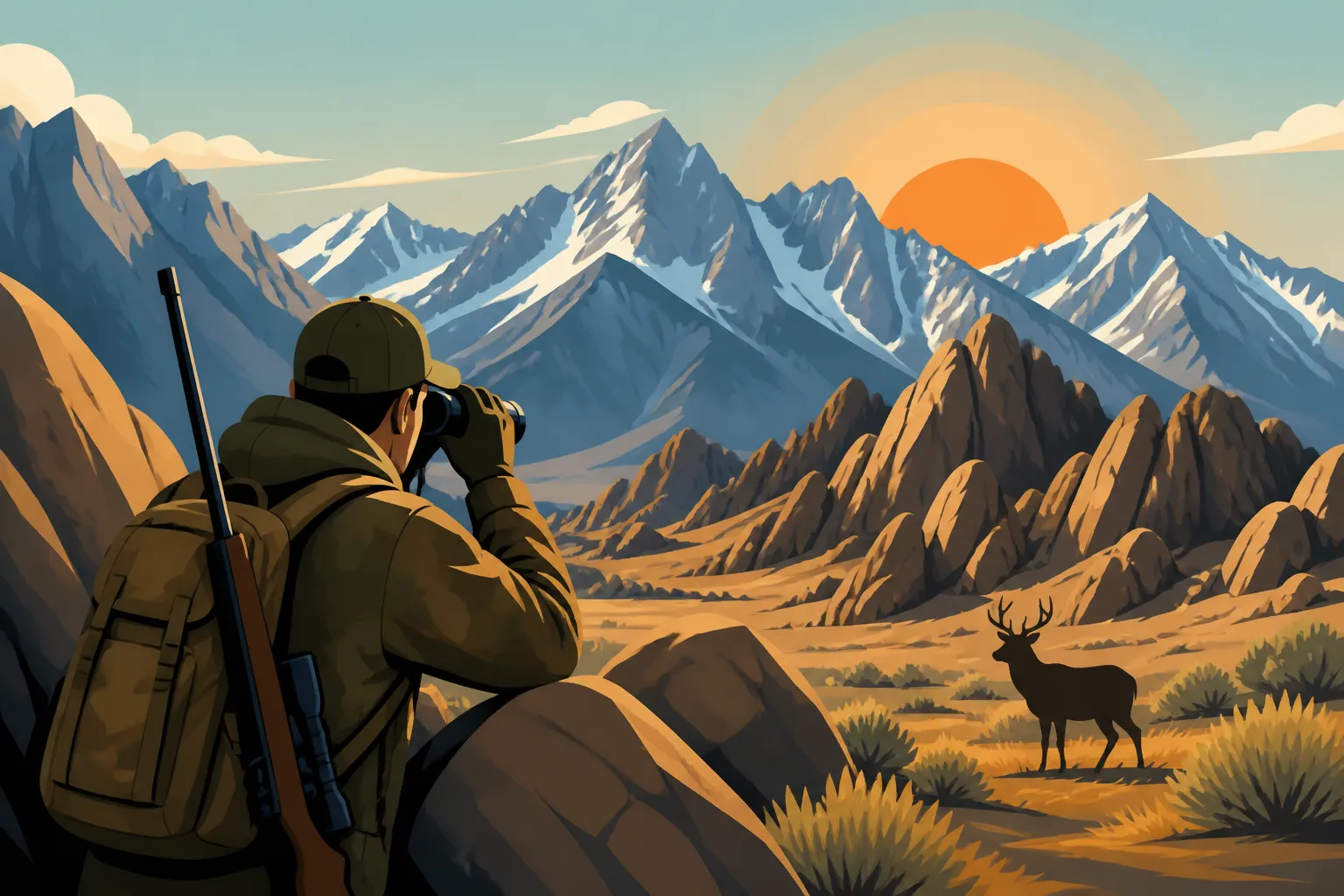
Hunting the Alabama Hills isn't like hunting the dense timber of the Coast Range or the familiar oak woodlands of the foothills. This is high desert fringe country, a transitional zone where the Sierra meets the vast, dry basins to the east. The terrain is characterized by rolling hills, dry washes, jagged granite outcrops, and a sparse covering of sagebrush, bitterbrush, and pinyon pine. It's an arena where vision, endurance, and a deep understanding of mule deer behavior are paramount.
The elevation here can vary dramatically, from the valley floor near Lone Pine to steeper rises that offer commanding views. This topography creates complex wind and thermal patterns that can change rapidly, often dictating where deer bed and move. You'll find yourself constantly adjusting your approach based on these subtle shifts. The broken, rocky ground, while offering incredible concealment for deer, can also be a significant advantage for a hunter who knows how to use it to their advantage, moving silently and staying out of sight. Remember that this area falls under California's statewide non-lead ammunition requirement, so ensure your rifle is sighted in with approved bullets. California's Non-Lead Ammunition Requirement delves deeper into these regulations.
Beyond the challenges, the beauty of the Alabama Hills is undeniable. But don't let the scenic views distract you from the task at hand. Mule deer here are perfectly adapted to melt into the rocky contours, often appearing as nothing more than a sun-dappled shadow until they move. Their survival depends on their ability to use every fold, every rock, and every scrub to their advantage. Recognizing the subtle signs of their presence, like tracks in a sandy wash or fresh browse on a bitterbrush, becomes critical.
Mule Deer Behavior and Habitat in the Eastern Sierra
Mule deer in the Alabama Hills and surrounding Eastern Sierra corridor exhibit behaviors uniquely suited to their arid, mountainous environment. They are creatures of opportunity and adaptation, constantly seeking water, forage, and crucially, security from both predators and human disturbance. Their patterns will shift significantly based on temperature, available feed, and hunting pressure.
During the hotter early seasons, mule deer often become more nocturnal, moving in the cooler hours of dawn and dusk, and bedding in shaded, inaccessible spots during the day. Look for north-facing slopes, the shadows cast by large rock formations, or dense pockets of pinyon pine. Water sources, even small seeps or temporary puddles after a rain, become magnets for activity. Hot-Weather Sitting Strategy in August provides more insights into hunting in warm conditions. As the season progresses and temperatures drop, deer may become more active throughout the day, especially if a good browse source is available.
Their diet consists mainly of browse – shrubs like bitterbrush, sagebrush, and various forbs. Pay attention to areas with good quality forage, as these will naturally draw deer. The rut, or breeding season, can also influence their movements dramatically. Bucks, normally solitary or in small bachelor groups, will begin to roam widely in search of does, often exposing themselves in more open terrain. Understanding these seasonal shifts is key to predicting where deer will be.
It's also important to remember that these deer are migratory. While some might live year-round in the lower Alabama Hills, many will transition to higher elevations in the summer and descend to lower winter ranges as snow flies in the high country. Your timing in the season can therefore directly impact the density and movement patterns of the deer you encounter. Using tools like onX Hunt can help you visualize these elevation changes and potential migration corridors.
| Factor | Early Season (Warm) | Mid-Season (Moderate) | Late Season (Cold) |
|---|---|---|---|
| Deer Activity | Nocturnal/Crepuscular | More daytime movement | Increased daytime movement (rut-driven) |
| Bedding Areas | Dense shade, north-facing slopes, rock overhangs | Varied, still seeking cover | South-facing slopes (sun exposure), dense pinyon |
| Water Sources | Critical attraction points | Still important, but less restrictive | Less critical, but still a factor |
| Forage | Bitterbrush, sagebrush, forbs (sparse) | Same, possibly more widespread | Same, potentially more concentrated |
| Hunting Pressure | Less, but still makes deer wary | Moderate to high | Can be high, pushing deer into seclusion |
| Thermals | Strong up/down drafts daily | Moderate up/down drafts | Can be influenced by snow and sustained cold |
Scouting and Glassing Strategies for Success
The Alabama Hills demand meticulous scouting, often long before the season even opens. Given the vast, open nature of much of the terrain, your eyes and optics will be your most valuable tools. This isn't a place for still-hunting through thick timber; it's a landscape built for glassing.
Start your scouting by utilizing mapping applications like onX Hunt or GoHunt. These tools allow you to study topography, identify potential water sources, pinpoint distinct rock formations that might offer cover, and mark likely travel corridors or pinch points without ever stepping foot on the ground. Look for areas with a mix of cover (pinyon juniper, large rock piles) and nearby feeding areas. Pay special attention to transitions—where different vegetation types meet, or where steep, broken ground gives way to more gentle slopes. These transition zones are often natural deer magnets. Reading Aerial Photos for Sierra Deer can greatly enhance your virtual scouting efforts.
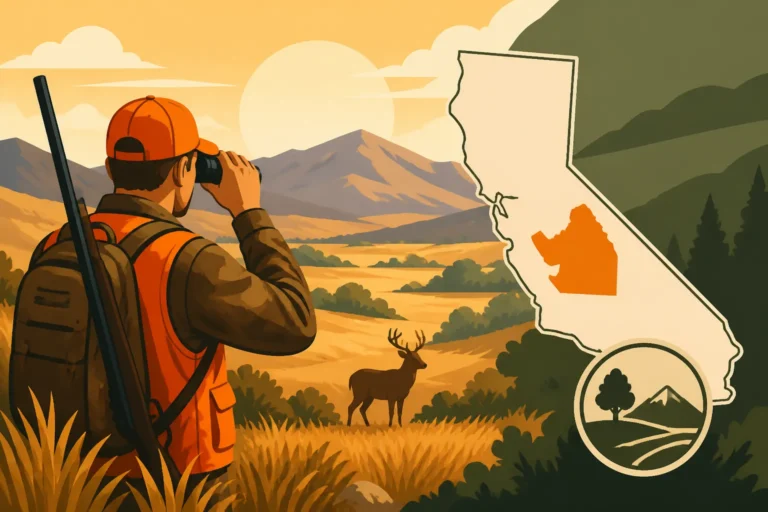
When you do hit the field, patience is your greatest virtue. Find a high vantage point that offers a panoramic view of several basins or drainages. Set up your spotting scope and binoculars, and begin to systematically pick apart the landscape. Don't just scan; scrutinize every shadow, every rock, and every patch of brush. Mule deer are masters of camouflage, and what looks like a shadow at 800 yards could very well be an ear, a leg, or an antler. Early mornings and late evenings, when light is low and deer are most active, are prime glassing times. For more detailed advice, check out Glassing Mule Deer in Open California Country.
Consider setting up trail cameras in key areas, especially near known water sources or on game trails that show consistent sign. While cellular cameras might struggle with connectivity in some of the more remote pockets, even traditional SD card cameras can provide invaluable intelligence on deer presence, patterns, and antler growth. Ensure you understand Trail Camera Rules on California Public Land before deploying them. Remember that hunting pressure can shift deer patterns quickly. If an area looks promising but shows no recent activity, move on. The Alabama Hills are too vast to waste time on barren ground.
Effective Hunting Tactics in Rugged Terrain
Once you've located a buck, the real challenge begins: executing a successful stalk. The broken terrain that provides cover for deer also offers opportunities for hunters to close the distance undetected. This is where the spot-and-stalk method truly shines in the Alabama Hills.
Your first priority after spotting a deer is to assess the wind. This is crucial. Wind and thermals in steep country can be unpredictable. Cold air drains downhill in the morning, and warm air rises in the afternoon. A swirling wind can expose you quickly. Plan your approach to stay downwind or crosswind of the deer at all times. Use the terrain to your advantage: stay in draws, behind ridges, and among the rock formations as you move. A good pair of lightweight, sturdy boots is non-negotiable for navigating this country. Lightweight Boots for Steep California Sierra Terrain can help you choose the right footwear.
Movement must be slow and deliberate. Take a few steps, then stop and glass, not just for the deer you're stalking, but for other deer you might bump or other hunters who might be working the same area. Pay close attention to your silhouette against the skyline. Often, the best approach is to stay just below a ridge line, peeking over only when necessary. Rangefinders are invaluable here; the open, broken terrain can play tricks on your eyes, making distances seem shorter or longer than they actually are. Rangefinders for California's Sierra Canyon Country discusses how to pick the right one.
When you get within shooting range, take your time. Find a stable rest – a backpack, shooting sticks, or a rock outcrop – and wait for the deer to offer a clear, ethical shot. The non-lead bullets required in California perform exceptionally well, but shot placement is always paramount. In this rugged country, a well-placed shot minimizes tracking and recovery challenges, which can be considerable in steep, rocky canyons. Always have a plan for how you will recover your animal, especially if hunting solo.
Respect for the land and fellow hunters is also essential. Much of the Alabama Hills is public land managed by the Bureau of Land Management (BLM) and the Forest Service. Be mindful of other recreationists, like hikers and photographers, who also frequent this beautiful area. Always pack out everything you pack in, and perhaps even a little more. Leave no trace of your presence, ensuring these incredible landscapes remain pristine for generations to come.
Disclaimer
This article is for general informational purposes only and does not constitute professional advice. Laws, prices and regulations vary by location and change over time. Consult a qualified professional for guidance on your specific situation.