Best Public Ground for Sierra Blacktail
It can feel overwhelming staring at a map of California, wondering where exactly to start when you're dreaming of a Sierra blacktail buck on public land. With vast tracts of national forests and Bureau of Land Management (BLM) property, knowing which areas hold the best potential and how to navigate their unique challenges is crucial. This guide is dedicated to helping you pinpoint and effectively hunt the best public grounds for Sierra blacktail deer, offering practical advice to transform your next hunt into a success story.
Understanding the Sierra Blacktail's Domain
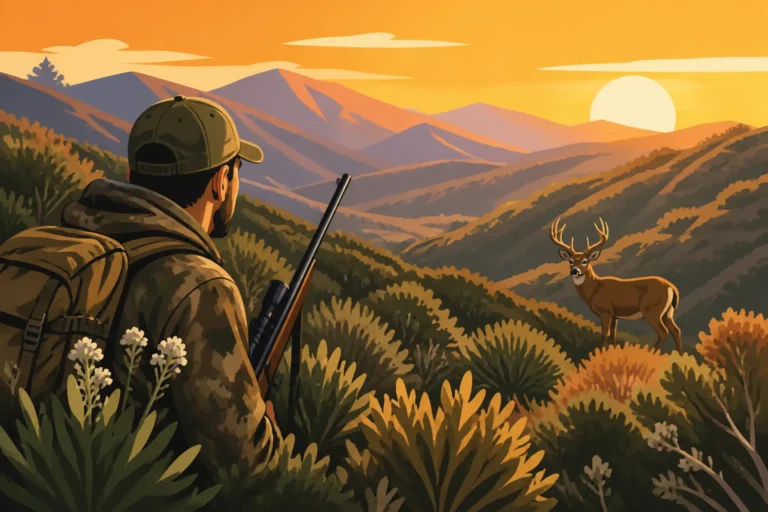
Before you even step foot in the woods, it’s vital to understand the Columbia blacktail deer and their preferred habitat within the Sierra Nevada. While the Sierra Nevada is a massive mountain range, the blacktail’s stronghold is typically found on the western slopes, particularly in the mid-elevation timber and brushy foothills. They aren't usually found in the high alpine meadows that mule deer favor, but rather in the denser, often steeper, and more diverse forested areas that offer plenty of cover and varied food sources.
Preferred Blacktail Habitat in the Sierra Foothills
Sierra blacktail deer are creatures of transition and cover. You'll find them thriving in the oak woodlands that give way to mixed conifer forests. Think areas with a good mix of mature oaks, scattered pines, firs, and cedars, interspersed with dense chaparral, manzanita, and ceanothus. These thickets provide critical bedding cover and browse, while the oak trees drop acorns that are a prime food source, especially in the fall. Water sources, even seasonal seeps, are also key attractants.
During the archery and early rifle seasons, when temperatures can still be quite warm, these deer will often be found in the shadier, north-facing slopes or close to riparian zones, especially if water is scarce elsewhere. As the season progresses and colder weather sets in, they might move to sunnier, south-facing slopes or areas with more exposed rock for warmth, always remaining near escape cover. Understanding Where California Blacktail Bucks Bed is a critical piece of the puzzle, as these spots often dictate their daily routines.
Seasonal Movements and Food Sources
Blacktail deer in the Sierra don't typically undertake the dramatic long-distance migrations seen with some high-country mule deer. However, they do have seasonal shifts in elevation and preferred cover. In the spring and early summer, they'll often be lower in elevation, taking advantage of new green growth. As hunting seasons approach in late summer and fall, they'll typically move to areas with reliable food sources. This could mean higher elevations for specific browse, or down to the oak-dominated foothills as acorns begin to drop.
A poor acorn year can drastically change deer movement patterns, pushing them to seek alternative food sources like berries, forbs, and tender shoots, which makes Hunting After a Poor Acorn Year a unique challenge. Knowing these patterns, or at least how to scout for current food availability, is far more important than just having a general idea of "good areas." This is where good mapping applications like onX Hunt can be invaluable, allowing you to layer vegetation types and even pinpoint potential acorn-producing oak stands or historical berry patches.
Key Public Land Areas for Sierra Blacktail
California boasts an impressive amount of public land, and within the Sierra Nevada, several National Forests and BLM districts offer prime opportunities for blacktail hunters. It’s important to remember that “best” is subjective and often means “least pressured” or “most remote” in a public land context.
National Forests of the Western Sierra
The western slopes of the Sierra Nevada are home to numerous National Forests, many of which hold strong blacktail populations. These vast tracts of timber, canyons, and ridge lines provide exactly the kind of complex habitat blacktail deer favor.
- Lassen National Forest: Located in the northern Sierra, Lassen offers varied terrain from volcanic landscapes to dense timber. Hunters willing to put in the miles and explore beyond road systems often find good success here. The sheer size helps distribute pressure.
- Plumas National Forest: Further south, Plumas is another excellent choice, known for its extensive timber, deep canyons, and diverse elevations. It's an area where patient still-hunting in thick cover can be very effective. Look for areas with a mix of timber and brush where deer can feel secure.
- Tahoe National Forest: While some areas around Lake Tahoe can see higher recreational use, the broader Tahoe National Forest offers significant opportunities, especially in its western reaches. Focus on the steeper, less accessible drainages away from popular trails. This forest is particularly good for hunters who enjoy the challenge of Still-Hunting California's Sierra Nevada Timber.
- Eldorado National Forest: Closer to the central part of the state, Eldorado features classic Sierra foothills terrain, transitioning into higher elevation forests. Access can be good off the main highways, but the deer will gravitate towards the quieter, steeper canyons.
- Stanislaus National Forest: This forest has a mix of terrain, from lower-elevation oak-pine country to higher conifer forests. It's another area where scouting for water and thick cover will pay dividends.
- Sierra National Forest: As you move south, the Sierra National Forest is immense and offers diverse habitat. While the eastern parts trend towards mule deer, the western slopes hold blacktails. This area is known for its steep, rugged canyons and dense brush.
When hunting these National Forests, be prepared for varied terrain, from moderate slopes to incredibly steep and brushy canyons. Always check local forest regulations for specific closures, fire restrictions, or other area-specific rules before your trip. Using a robust mapping tool like onX Hunt is almost essential here, as it allows you to identify public/private boundaries, topographic features, and potential access points, helping you to find Entry Routes Through a Sierra Foothill Meadow or a hidden pocket of cover.
BLM Lands and Foothill Zones
Beyond the National Forests, Bureau of Land Management (BLM) lands in the Sierra foothills also offer promising blacktail hunting. These lands are often characterized by more open, rolling terrain mixed with brush and oak woodlands, particularly in the lower elevations. While they might not offer the same vast, deep wilderness experience as some National Forest areas, they can be excellent for day hunts or for those looking for less physically demanding terrain.
Many D-zones, which are general deer zones in California, overlap significantly with these foothill BLM and National Forest lands. Understanding the specifics of Hunting a Staggered D-Zone Subunit or Hunting an Unrestricted D-Zone Deer Tag often means familiarizing yourself with these public land options.
- Foothill River Canyons: Look for BLM parcels along major river canyons that cut through the Sierra foothills. These areas often have steep, brushy slopes and offer challenging but rewarding hunting. Deer use these canyons for travel and shelter.
- Scattered Parcels: BLM land can be found in scattered, often smaller parcels interspersed with private land. These can be goldmines if you do your homework with a mapping app like GoHunt or onX Hunt to identify legal access points. The deer might use these public islands for bedding, venturing onto adjacent private land for feeding, making strategic stand or still-hunting approaches crucial.
- Burn Scars: Historic burn scars, particularly those a few years old, can offer excellent hunting. The new growth provides abundant forage, attracting deer. However, these areas can be incredibly thick with new brush and challenging to navigate. Hunting a National Forest Burn Scar requires specific tactics and gear.
Remember, BLM land can sometimes be checker-boarded with private property, making precise navigation vital to avoid trespassing. Always carry a reliable map and GPS (or a mapping app on your phone) to ensure you stay on legal hunting ground.
Strategies for Hunting Sierra Public Ground
Hunting Sierra blacktails on public land demands a blend of preparation, patience, and adaptability. These deer are often pressured, especially near easily accessible areas, so getting away from the crowds is usually key.
Scouting Smart and Hard
Pre-season scouting is paramount. Don't wait until opening day to find out where the deer are. Use mapping tools like onX Hunt to identify potential bedding areas (thick north slopes, dense pockets of chaparral), travel corridors (saddles, creek bottoms, ridge lines), and feeding areas (oak flats, clear-cuts with new growth). Scouting California Public Land Before Season is not just about finding deer sign; it's about understanding the land itself. Look for water sources, old game trails, and pinch points.
During your scouting trips, pay attention to current conditions: are acorns dropping? Is there fresh browse? How dry is the country? This information will influence where deer are concentrating. Set up trail cameras in key areas, even if just for a few weeks before the season, to get an idea of deer movement patterns. Even on public land, carefully placed Where to Hang a Camera on a Forest Road can yield valuable intel.
Still-Hunting and Stand Hunting Tactics
Given the often thick and steep terrain of the Sierra, still-hunting is an incredibly effective tactic for blacktails. This involves moving slowly and deliberately through the woods, stopping frequently to glass and listen. Focus on moving into the wind or crosswind, paying close attention to thermals in steep country. Wind and Thermals in Steep Sierra Country are constantly changing, and understanding them is crucial to success. Look for subtle movements, horizontal lines that break up the vertical forest, or flashes of tan.
For those who prefer stand hunting, identify natural funnels, pinch points, or food sources. A saddle between two oak ridges, for example, can be a great ambush point. Hunting a Funnel Between Two Oak Ridges or a well-used game trail near a water source can put you in a prime position. While treestands are allowed on many National Forest lands, always check specific regulations, and consider ground blinds in areas with ample natural cover. Using a Ground Blind on BLM Land can be highly effective in more open foothill areas, or even Brushing In a Blind on a Field Edge where public land borders private agricultural fields.
Gear Up for the Sierra Challenge
The Sierra Nevada can be rugged and unpredictable, so your gear needs to be up to the task.
| Gear Category | Key Considerations for Sierra Blacktail Hunting |
|---|---|
| Footwear | Durable, waterproof, and supportive boots with good ankle support are a must for steep, rocky, and brushy terrain. You'll be covering miles off-trail, so comfort is key. Look for boots designed for mountain hunting. Best Boots for Steep Wet-Season Sierra Trails will be different from those for dry conditions. |
| Clothing | Layering is critical due to wide temperature swings. Early season can be hot, while late season can bring cold rains or snow. Choose durable, quiet outer layers in camo patterns suitable for oak woodlands or mixed conifer. Layering for a Cold Sierra Morning or Staying Cool During a Hot Zone A Hunt depends on versatility. |
| Optics | Good binoculars (8x-10x) are essential for picking apart thick cover and spotting deer at a distance. A quality rangefinder is also crucial for ethical shot placement in varied terrain. For glassing long canyons, a spotting scope can be very beneficial. Best Binoculars for Glassing a Burn Scar can help you spot subtle movement. |
| Navigation | A reliable GPS unit or a smartphone with a robust mapping app like onX Hunt or GoHunt (with offline maps downloaded) is non-negotiable. Topographic maps are crucial for understanding the terrain. A compass and basic map reading skills are also vital backups. Best GPS App for California Public Land will be your best friend. |
| Packs & Hauling | A comfortable daypack for essentials, or a larger pack with a frame if you plan for multi-day trips or anticipate packing out an animal. Be realistic about the challenge of getting a deer out of a steep canyon. A good frame pack can make Packing Meat Out of a Steep Canyon a less daunting task. |
| Weapons & Ammo | Rifles in common calibers are excellent choices, but always ensure you are using certified non-lead ammunition as required statewide. Understanding Choosing Non-Lead Rifle Ammunition in California is crucial for compliance and performance. For archery, broadhead selection for blacktail deer should prioritize penetration and quick kills. |
Navigating Challenges and Regulations
Public land hunting in California comes with its unique set of challenges beyond just finding deer. Being prepared for these hurdles and understanding the regulatory landscape will make your hunt safer and more successful.
Dealing with Hunting Pressure
Public land, especially areas with easier access, can see significant hunting pressure. To mitigate this, focus on areas that require more effort to reach. This could mean hiking further, climbing steeper slopes, or navigating denser brush. Many hunters stick close to roads, so walking even a mile or two off the beaten path can get you into unpressured territory. Look for areas on your topo map that are difficult to access from any direction; these "sanctuaries" often hold deer. Finding Ground That Sees Fewer Hunters is about strategy and effort. Consider hunting during the week rather than on busy weekends if your schedule allows.
Non-Lead Ammunition Mandate
California has a statewide non-lead ammunition requirement for all hunting. This means you absolutely cannot use lead bullets or shot for any big game, small game, or upland birds. This applies to rifles, shotguns, and handguns. It's not just a suggestion; it's the law. Ensure you purchase and practice with certified non-lead projectiles well before your hunt. Understanding California's Non-Lead Ammunition Requirement is crucial for every hunter. This mandate covers all public and private lands in the state. Many bullet manufacturers offer excellent copper or other non-lead alternatives that perform exceptionally well.
Respecting Boundaries and Rules
Always be acutely aware of property boundaries. California's public lands are often bordered by private property, and trespassing, even accidentally, can lead to severe consequences. Use your mapping app to verify your location frequently. Remember that certain activities, like driving off designated roads, setting certain types of blinds, or leaving trash, are strictly prohibited on public lands. Vehicle Rules on California Public Land vary by agency and specific area. Leave no trace, pack out everything you pack in, and respect the land for future hunters.
Safety in the Sierra
The Sierra Nevada is beautiful but can be unforgiving. Tell someone where you are going and when you expect to return. Carry a first-aid kit, plenty of water, and emergency signaling devices. Weather can change rapidly, so be prepared for rain, snow, or sudden drops in temperature. Being aware of potential wildlife encounters, including rattlesnakes in the foothills and bears, is also important. While black bears are generally shy, knowing Best Bear Spray for Sierra Backcountry can offer peace of mind. Always be safe and hunt smart.
Disclaimer
This article is for general informational purposes only and does not constitute professional advice. Laws, prices and regulations vary by location and change over time. Consult a qualified professional for guidance on your specific situation.