Packing Meat Out of a Steep Canyon
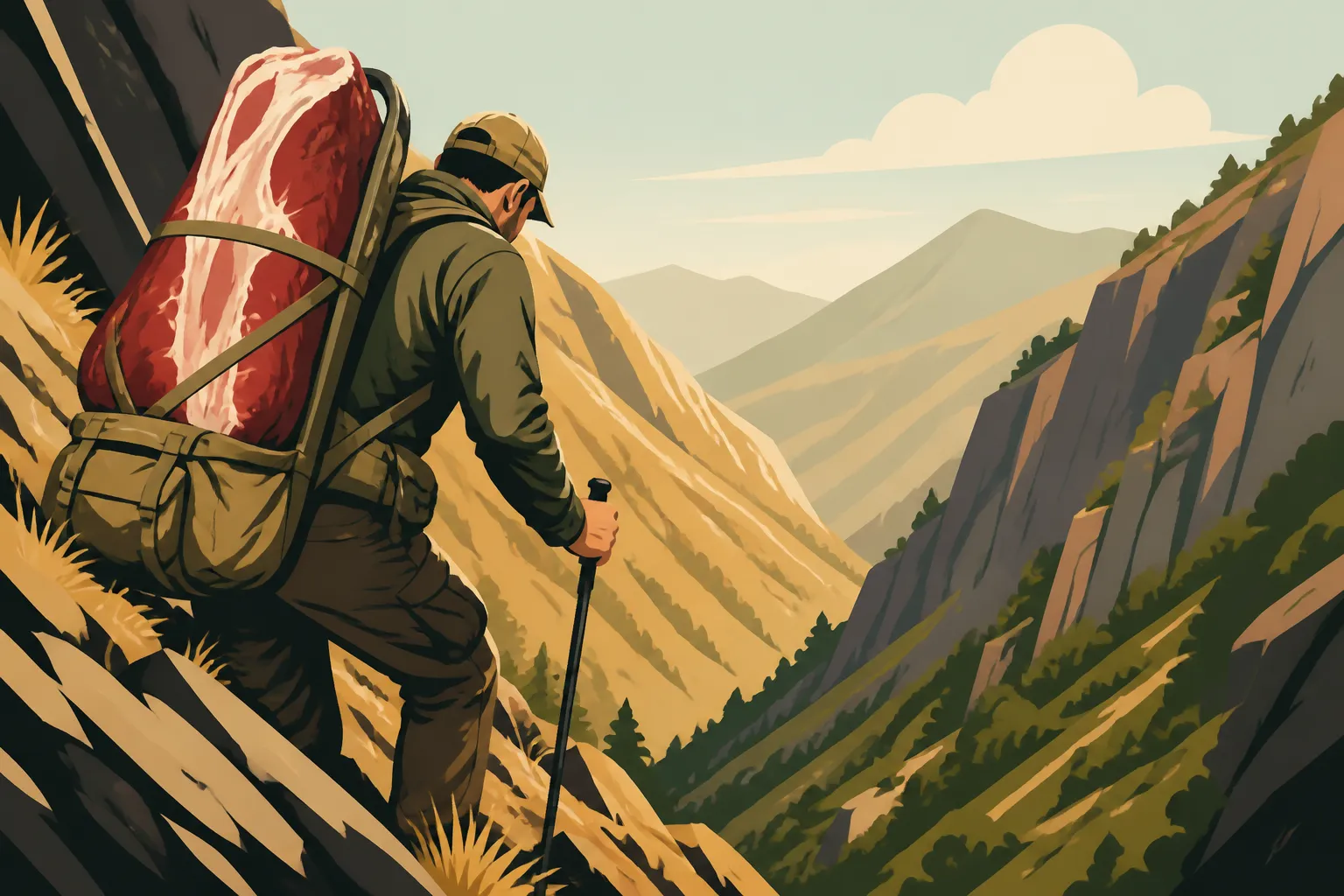
You’ve done it. After hours, maybe days, of scouting, glassing, and patient stalking, you finally connect on that beautiful California deer or pig, or perhaps even an elk. The initial surge of adrenaline and pure joy is almost overwhelming. But then, as you approach your downed game, the reality sinks in: you're at the bottom of a steep, brushy canyon, miles from the nearest trail or road, and it’s going to be a long, grueling pack-out. This guide is here to walk you through the daunting process of getting that hard-earned meat out of the most challenging terrain, focusing on practical advice to make it safe, efficient, and as manageable as possible.
Pre-Hunt Preparation: The Battle Begins Before the Shot
Successfully packing an animal out of a steep California canyon isn’t just about raw strength; it's a strategic operation that starts long before you even pull the trigger or release an arrow. Your physical condition, the gear you carry, and your understanding of the terrain are all critical factors that will dictate the ease, or agony, of your retrieve. Skimping on this foresight can turn a triumphant hunt into a miserable, potentially dangerous, ordeal.
Physical Conditioning for Mountain Terrain
Let's be honest, hunting in California's steep country is a workout. From the rugged Sierra Nevada foothills to the jagged coastal ranges, gravity is your biggest adversary. If you're not routinely hiking with weight, climbing hills, and working on your core strength, that pack-out is going to be brutal. I've seen too many hunters, myself included in my younger days, underestimate the physical demands, only to suffer cramping, exhaustion, and even injury when faced with a heavy load on uneven ground. Think about incorporating stair climbing, weighted squats, and long hikes with a loaded pack into your fitness routine. It's not just about being able to walk in; it's about being able to walk out with an extra 60 to 100 pounds, often in fading light or scorching heat.
Consider the specific challenges of your hunt area. Are you climbing rocky scrambles in the Marble Mountains, or slogging through dense, thorny chaparral in the Tehachapis? Each environment demands a slightly different physical readiness. For example, balancing with heavy weight on loose shale requires strong ankles and core stability, while pushing through thick brush tests your endurance and upper body. Training for these specific movements will pay dividends. There’s a direct correlation between your physical preparedness and your enjoyment, or lack thereof, on the pack-out. Don't let a lack of conditioning compromise your ability to bring home that valuable protein.
Essential Gear for Game Retrieval
Having the right tools for the job is non-negotiable. A flimsy daypack won't cut it when you need to haul quarters of venison. A sturdy external frame pack is the absolute hero here. It allows you to distribute weight effectively, keep the meat off your back for ventilation, and often has extra lashing points for awkward loads. Brands like Mystery Ranch or Kifaru are popular choices among serious backcountry hunters for their durability and comfort under heavy loads. Pair that with high-quality game bags – not canvas sacks that absorb blood and bacteria, but breathable, lightweight synthetic bags like those from TAG or Koola Buck. These bags are crucial for keeping meat clean, cool, and free from insects while allowing air circulation. You'll want enough bags to quarter your animal and keep the meat separated. Best Game Bags for Field Care in August Heat is a good read if you're planning a warmer weather hunt.
Don't forget a sharp, robust field dressing knife, perhaps a small bone saw if you anticipate needing to split the pelvis or sternum (though boning out is often preferred for steep country), and disposable gloves for hygiene. A headlamp with fresh batteries is absolutely vital, as many pack-outs inevitably stretch into darkness. A basic first-aid kit, water filter, and satellite communication device are also prudent additions, especially when you're in remote canyons where cell service is non-existent. Best First Aid Kit for a Remote Hunt can guide your choices here. Lastly, consider a trekking pole or two; they can provide critical stability and leverage on steep descents with a heavy pack.
Scouting for Pack-Out Routes
This is where pre-hunt diligence truly shines. Before you even hunt a spot, spend time studying maps and aerial photos. Use tools like the mapping layers from GoHunt to identify potential routes, water sources, and natural funnels. Look for game trails that might offer a less strenuous path, even if it’s a longer route. A slightly longer route with less elevation change is often preferable to a direct, but impossibly steep, climb. Mark these potential routes on your GPS or mapping app. Scouting California Public Land Before Season is a great resource for understanding this process.
Consider the terrain features: are there old logging roads, dried creek beds, or ridge lines that could offer easier travel? Sometimes, a seemingly impossible canyon has a hidden ramp or a less brushy slope on one side. Pay attention to water crossings, cliff bands, and dense stands of timber or chaparral that could become impenetrable with a heavy pack. Knowing these potential obstacles beforehand allows you to plan an exit strategy, or at least be mentally prepared for the challenges. Remember, the path you walk in on, especially if it was a downhill stalk, might be completely unfeasible for a loaded pack-out. Always plan for the worst-case scenario.
Field Processing in Challenging Terrain
Once your animal is down, the clock starts ticking. In California, especially during early seasons, temperatures can soar, and swift, clean field processing is paramount to preserving your meat. Doing this on a steep slope, often surrounded by brush, adds another layer of complexity. Getting the meat off the bone and into game bags efficiently will make your pack-out significantly easier.
Quartering Versus Boning Out
For steep canyon hunting, boning out your animal is almost always the superior choice. Carrying bone-in quarters is significantly heavier and bulkier, and the jagged edges of bone can rub uncomfortably against your pack frame, potentially causing damage or discomfort. Boning out an animal involves carefully removing all the meat from the bone, leaving the skeletal structure behind. This can reduce the weight by 20-30% and makes the meat much more pliable and easier to pack into game bags and then into your pack. While it takes a bit more time and skill initially, the benefits on the pack-out are immense.
If you are hunting in a CWD testing zone, be mindful of rules regarding skull and spinal column transport. California has specific regulations regarding California's Two CWD Testing Zones that require hunters to follow certain protocols to prevent the spread of Chronic Wasting Disease. In these zones, you might need to leave the spinal column behind or follow specific instructions for handling it. Practicing boning out an animal at home (perhaps on an old deer hide or even a large watermelon for practice) can make you much more efficient in the field. Speed and cleanliness are key, especially in warm weather.
Maintaining Meat Quality on a Slope
Field dressing on a slope presents unique challenges. Gravity works against you, making it hard to keep the animal in a stable position and prevent blood from running onto the meat. Try to position the animal so its head is uphill if possible, allowing internal organs to naturally slide downhill as you open the cavity. Once the guts are removed, elevate the carcass slightly if you can, using rocks or logs, to allow air to circulate around the meat and facilitate cooling. This is critical in California's often hot conditions. Field Dressing a Deer in Hot Weather provides more in-depth advice on this.
As you bone out the meat, immediately place it into your breathable game bags. Separate the prime cuts (backstraps, tenderloins) from the larger muscle groups (shoulders, hams). Hang the filled game bags in a shady, breezy spot, off the ground, if you have to leave them for any period while you ferry loads. If it's a multi-trip pack-out, cooling the meat as much as possible before the first load is crucial. If hunting solo, one tactic is to bone out one side, pack it out, then return for the other side. This is tough, but sometimes necessary. Using a mapping app like one from GoHunt can help you find shaded spots or identify micro-terrain features that might offer a cooler nook for your meat.
Choosing Your Pack-Out Strategy
The method you choose for getting the meat out of the canyon will largely depend on the size of the animal, the number of hunters, and the severity of the terrain. There's no one-size-fits-all solution, but thinking through the pros and cons of each approach can save you a lot of grief.
Solo Hunter Challenges and Solutions
Hunting solo in steep country is a deeply rewarding experience, but it intensifies the pack-out challenge tenfold. You are your only resource. For smaller animals like deer, a single trip might be possible if you've boned out the meat completely and have a robust internal or external frame pack. Load the heaviest meat close to your back, distributing the weight evenly. A good external frame pack designed for carrying heavy loads, like the ones discussed in Best Backpack Frame for Quartered Elk, becomes an indispensable tool here. It allows you to lash large, awkward chunks of meat outside the main pack bag, keeping your sleeping bag or extra clothes clean.
However, for larger deer or any elk, a solo pack-out often requires multiple trips. This is where meticulous planning comes in. Once you've processed the animal and bagged the meat, hide it in a secure, shady location, away from potential scavengers. Carry out the heaviest load first, usually the hindquarters and backstraps, as these are often the most valuable cuts. Return for the rest. This "spike camp" approach means you might need to carry enough water and supplies for an overnight stay or at least a very long day. It’s physically grueling, but breaking the load into manageable segments is often the only realistic way to get it all out safely.
Team-Based Pack-Outs
Hunting with a partner or a group dramatically changes the calculus of a canyon pack-out. The ability to share the load and assist each other over difficult terrain is invaluable. With two hunters, you can often get a deer out in a single trip, splitting the boned-out meat evenly. For an elk, you might still be looking at two trips, but each hunter would carry a more manageable load. Communication is key: agree on the route, set a steady pace, and take regular breaks.
| Pack-Out Method | Pros | Cons | Ideal Scenario |
|---|---|---|---|
| Boning Out & Pack | Lighter, more compact, protects meat | Takes more time in field, requires skill | Solo hunter, steep/brushy terrain, warm weather |
| Bone-In Quarters | Faster field processing | Heavier, bulkier, harder to secure, can bruise meat | Multiple hunters, shorter distance, cooler weather |
| Game Cart | Saves back, good for larger animals | Limited to trails/flatter terrain, not for steep canyons | Long, relatively flat dirt roads/fire trails |
| Sled/Tarp Drag | Good for smaller animals in snow/short grass | Destroys meat in rocky/brushy terrain, high friction | Snow-covered ground, minimal obstacles, shorter distances |
When you have three or more hunters, you can tackle even larger animals like elk with greater efficiency. Each person can take a specific section of the animal, or you can designate roles: one person navigating, another carrying water, and others focusing solely on the meat. The moral support and camaraderie also go a long way in making a tough job feel more achievable. Just remember, even with a team, the core principles of preparation, proper field processing, and smart route selection remain critical. It’s also wise to have a rendezvous point and communication plan in case the team gets separated or someone needs assistance.
Game Carts and Other Aids
While game carts are fantastic for relatively flat or gently sloping terrain, they are generally not suitable for steep, rocky canyons. Trying to maneuver a loaded game cart down (or especially up) a precipitous slope is a recipe for disaster, risking injury to yourself and damage to the meat or cart. Their wheels will get stuck, they'll tip over, and you'll expend more energy fighting the cart than if you just packed the meat on your back. Best Game Cart for Steep California Terrain discusses this nuance.
However, if your canyon opens up to a dirt road, fire trail, or even a wide, flat river bottom further down, you might consider stashing a game cart at that point for the final leg of the journey. This allows you to shoulder the truly difficult vertical sections, then transfer the load to the cart for a faster, less strenuous haul back to the vehicle. Sometimes, ingenuity is your best friend. A simple heavy-duty tarp can also be invaluable for dragging out small game or boned-out portions a short distance over less abrasive ground, but again, avoid this in truly steep or rocky areas where the meat could be damaged.
Safety and Logistics for the Pack-Out
Packing heavy loads out of remote and unforgiving terrain demands more than just brute strength; it requires meticulous attention to safety, navigation, and overall logistical planning. Exhaustion, dehydration, and unexpected turns can quickly escalate into dangerous situations if you're not prepared.
Navigation and Communication
Losing your way with a heavy pack is a nightmare scenario. Before you ever start the pack-out, ensure you have a clear understanding of your route out. Use a GPS device or a robust mapping app on your phone, like those from GoHunt or onX, with offline maps downloaded. Mark your vehicle's location, the kill site, and any waypoints for water sources or key landmarks on your planned egress route. Regularly check your position as you travel, especially in thick timber or dense brush where visibility is limited. GPS and Mapping Apps for California Public Land can help you choose the right tools.
Always tell someone your hunting plan, including your intended route and expected return time. In remote California canyons, cell service is often nonexistent. A satellite messenger or satellite phone is a worthy investment, especially if you hunt solo or in areas far from roads. Devices like the Garmin inReach or Zoleo allow you to send emergency messages, track your progress, and communicate with loved ones even without cell signal. This peace of mind is invaluable when you're pushing your limits miles from help.
Hydration and Nutrition
A strenuous pack-out, especially in California's often warm climate, will quickly deplete your energy and hydration levels. Even on a cool day, carrying a heavy pack uphill makes you sweat profusely. Always carry more water than you think you'll need. A hydration bladder in your pack is excellent for easy access to sips throughout the journey. If you've identified water sources on your map, carry a reliable water filter or purification tablets. Best Water Filter for a Backcountry Elk Camp is an excellent guide for this. Stopping to refill and filter water can be a life-saver on a long pack-out.
Beyond water, pack high-energy snacks that are easy to eat on the go. Nuts, dried fruit, energy bars, and electrolyte chews can provide quick boosts of calories and prevent bonking. Don't wait until you're completely exhausted or parched to refuel; consistent hydration and nutrition are crucial for maintaining physical and mental stamina. Being well-nourished before you even start the pack-out process will also put you in a much better position.
Managing Fatigue and Injury Risk
Fatigue is your enemy on a pack-out. It leads to poor decision-making, increased risk of stumbling, and potential injury. Take frequent, short breaks. Drop your pack, stretch, rehydrate, and assess your situation. If you're hunting with a partner, encourage each other to take breaks and look out for signs of exhaustion. It's not a race; getting the meat out safely is the priority.
Be mindful of your footing, especially on loose rock, steep grades, or slippery surfaces. A sprained ankle or knee injury with a heavy pack miles from the trailhead can be catastrophic. Use trekking poles for stability, especially on descents. If you encounter an obstacle that feels too risky, such as a crumbling rock face or a patch of ice, don't hesitate to find an alternative route, even if it adds time. Your safety, and the safety of your hunting partners, is far more important than any deer or elk. If you feel dizzy, nauseous, or disoriented, stop immediately, shed your pack, and rest. These can be signs of dehydration or heat exhaustion, both serious conditions that require immediate attention.
Packing meat out of a steep canyon is undoubtedly one of the most physically demanding aspects of hunting, but it's also a testament to your dedication and respect for the animal. By preparing physically, investing in the right gear, meticulously planning your routes, and prioritizing safety, you can transform this daunting task into a manageable and even rewarding part of your hunting adventure. There's immense satisfaction in looking back at that canyon, knowing you conquered it, and that delicious, hard-earned wild game is safely on its way home.
Disclaimer
This article is for general informational purposes only and does not constitute professional advice. Laws, prices and regulations vary by location and change over time. Consult a qualified professional for guidance on your specific situation.