Hunting California’s Mojave Desert BLM Land
The vast, stark beauty of California's Mojave Desert beckons many hunters, but its immense, seemingly empty expanses of BLM land can feel utterly overwhelming. You might stare at a map, seeing endless public access, yet wonder where on earth to even begin looking for game, let alone how to stay safe and navigate such a challenging environment. This comprehensive guide is designed to cut through that intimidation, offering practical advice and seasoned insights for successfully and safely hunting California's unique Mojave Desert BLM land, turning those daunting blank spaces into promising hunting grounds.
Understanding the Mojave's Unique Challenges
Hunting the Mojave isn't like a gentle stroll through timber or a morning sit in a duck blind. It's a land of extremes, a place that demands respect, meticulous preparation, and a healthy dose of grit. Many hunters underestimate the sheer scale and the subtle nuances of this arid environment, leading to frustration, discomfort, and even dangerous situations. Don't let the seemingly barren landscape fool you; it's teeming with life, but that life often exists in a delicate balance, dictating where and when you'll find it.
Extreme Climate and Topography
The Mojave Desert is defined by its harsh climate, characterized by scorching hot summers, often reaching well over 100 degrees Fahrenheit, and surprisingly cold winters, with nighttime temperatures frequently dropping below freezing. This dramatic temperature swing, combined with minimal rainfall, creates a unique ecosystem where water is the ultimate currency. Hunting here means contending with intense sun exposure, extreme dehydration risks, and rapidly changing conditions.
Beyond the temperatures, the topography itself presents a formidable challenge. While there are vast, flat basins, much of the Mojave BLM land is defined by rugged, broken mountain ranges, deep canyons, washes, and volcanic rock formations. These aren't your gentle rolling hills; we're talking about steep, rocky, unforgiving terrain that can be brutal on both boots and bodies. Navigating these areas requires keen attention to detail, strong lungs, and an understanding of how game uses such features for cover, shade, and travel. You'll find yourself scrambling over loose scree, picking your way through thorny cholla and creosote bushes, and often needing to cover vast distances on foot to get away from road access.
Sparse Resources and Remote Access
One of the biggest eye-openers for first-time Mojave hunters is the sheer lack of easily accessible resources. Unlike many other hunting areas with campgrounds, ranger stations, or nearby towns, much of the Mojave Desert BLM is truly remote. Cell service is often nonexistent, paved roads quickly turn to rough, unmaintained dirt tracks, and water sources are few and far between, often requiring significant planning to locate and access. This remoteness, while fantastic for solitude and a true wilderness experience, also magnifies any mistakes.
You can't just run back to the truck for forgotten gear or quickly pop into a store for more water. Every item you need must be carried in, and emergency plans need to be robust. Accessing many prime hunting spots might require a high-clearance 4×4 vehicle, and even then, you'll likely face long hikes once you leave the vehicle. This means understanding your vehicle's capabilities, knowing how to self-recover if you get stuck, and having enough fuel to cover long distances without a gas station in sight. This isn't a casual day hunt for the unprepared; it's an expedition into true wild country.
Key Game Species and Seasons
While the Mojave might look barren to the untrained eye, it supports a surprising diversity of game, adapted to its challenging conditions. Understanding what you can hunt, and when, is crucial for planning a successful trip. The primary draw for many big game hunters here is the desert mule deer, but there are also ample opportunities for smaller game that provide a different kind of challenge and a chance to fill the freezer.
Desert Mule Deer and Their Elusive Nature
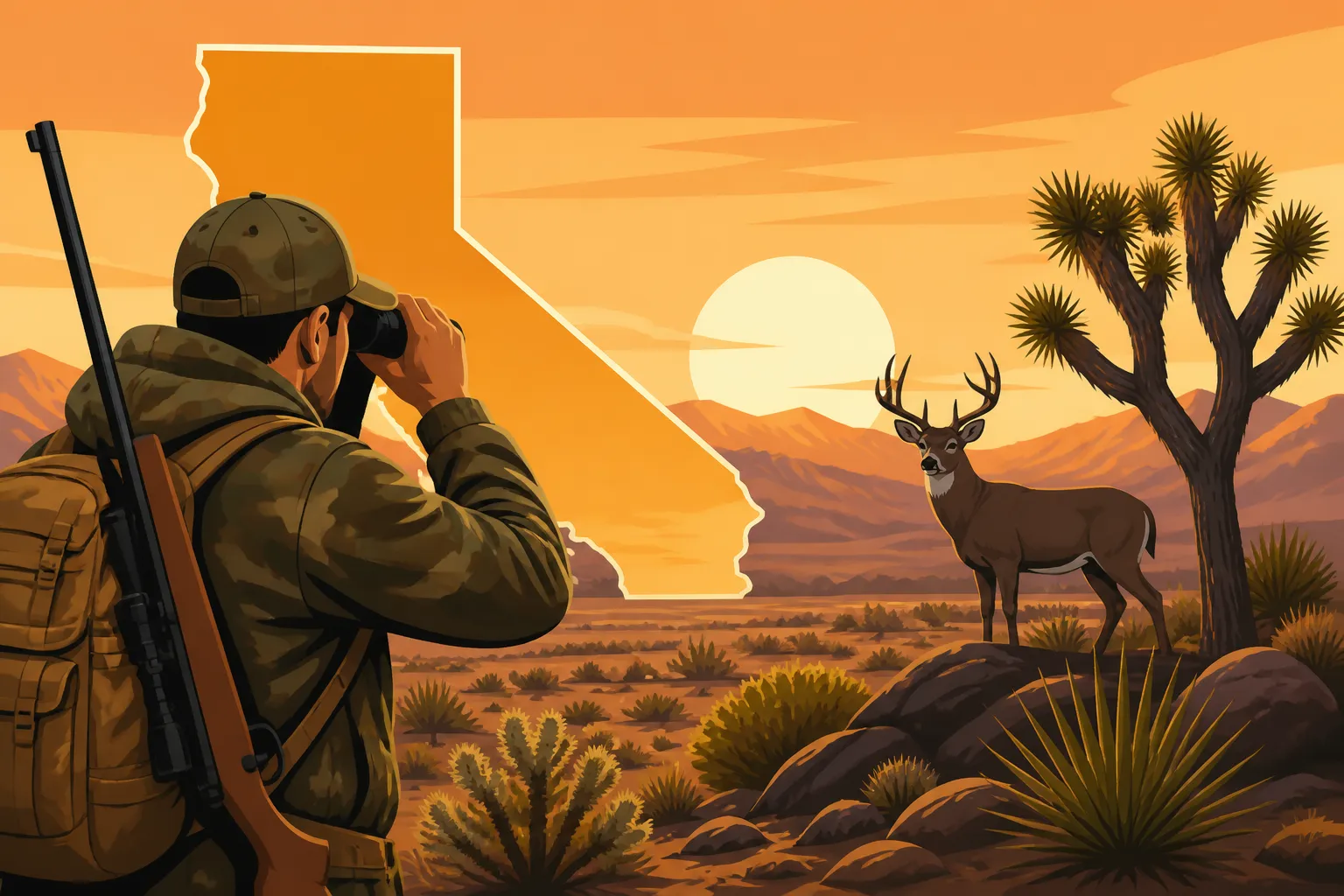
The desert mule deer are the kings of the Mojave. These animals are incredibly tough, perfectly adapted to their arid environment, and famously elusive. They tend to be lighter in color than their Sierra Nevada cousins, blending seamlessly into the dry, rocky landscape. You won't find them congregating in lush meadows; instead, they'll be found utilizing sparse pinyon-juniper patches, thorny washes, and shaded pockets on steep canyon slopes. Their patterns are heavily influenced by water sources, which can be few and far between.
Hunting desert mule deer often falls under California's D-zones, many of which open in August or September. This means contending with extremely hot weather, making water crucial for both hunter and game. The deer here are smart, often moving during the cooler hours of dawn and dusk, or even at night, bedding down in dense cover or shaded areas during the heat of the day. Their home ranges can be vast, and finding them often involves covering immense amounts of ground with your optics. It's a hunt that tests patience, persistence, and glassing ability more than anything else. Understanding California Mule Deer Range Begins can give you a better idea of where to focus your scouting efforts. For hunters targeting these zones, knowing Hunting a D-Zone That Opens in August will be vital for planning your trip around the earlier season dates and hotter conditions.
Coyotes, Rabbits, and Other Small Game
While mule deer might be the main event, the Mojave offers fantastic opportunities for small game and predators. Coyotes are abundant across the desert, offering year-round hunting opportunities and a challenging calling pursuit. Their keen senses and natural wariness make them a tough adversary, but the wide-open spaces of the Mojave provide excellent visibility for calling setups. Predator Calling California's Mojave Desert Country details specific tactics for these wary canids.
Rabbits, including both cottontails and the larger black-tailed jackrabbits, are also widespread. These fast-moving targets provide exciting hunting, particularly with a .22 rifle or shotgun, and can offer a delicious meal. They often concentrate around more vegetated areas, washes, or rocky outcrops where they can find cover and browse. Quail can also be found in certain areas, particularly where there's a bit more cover and water, offering a fast-paced wingshooting challenge. These smaller game species are a great way to experience the Mojave even if you don't draw a coveted deer tag, providing action and a deeper appreciation for the desert ecosystem.
Essential Gear and Preparation for the Desert
Venturing into the Mojave Desert unprepared is not just uncomfortable, it's dangerous. The unforgiving environment demands a specific gear list and a mindset of self-reliance. Every item you pack, from your boots to your water filter, needs to be considered for its ability to help you survive and thrive in this arid landscape. Think redundancy, durability, and absolute necessity.
Water, Navigation, and Emergency Supplies
Let's be blunt: water is life in the desert. You cannot carry enough, so planning for water resupply or filtration is paramount. Beyond what you drink, you'll need water for cooking, hygiene, and potentially cooling if temperatures spike. Always carry more than you think you'll need, and consider a reliable water filter or purification tablets, even if you don't plan on using natural sources directly, as a backup. Dehydration can creep up quickly, impairing judgment and physical performance.
Navigation is another non-negotiable. With vast, often featureless expanses and a maze of washes and canyons, getting disoriented is a real risk, especially if you're not used to desert topography. A high-quality GPS unit is essential, and even better, a mapping app on your phone. Brands like onX Hunt have incredibly detailed satellite imagery and property boundaries, showing you exactly where BLM land starts and ends, which is critical in an area with checkerboard land ownership. Using an App for California BLM Land Status is a must-read before you head out, and it's always wise to have a physical map and compass as a backup. Remember, cell service is often nonexistent, so an Best Offline Map App for BLM Desert Land is critical. For true peace of mind and safety, especially if hunting solo, an Best Satellite Communicator for BLM Desert Land is a smart investment, allowing you to send messages or an SOS even without cell signal.
Your emergency kit should be robust: a quality first-aid kit, fire-starting materials, a headlamp with extra batteries, an emergency blanket, and enough food for an extra day or two beyond your planned trip. Desert nights can be surprisingly cold, so warm layers, even in summer, are important.
Optics and Footwear for Arid Terrain
In the wide-open country of the Mojave, your optics are your best friend. You'll spend far more time glassing than walking, so investing in quality binoculars and a spotting scope is paramount. For general glassing, good 10x binoculars are a solid starting point. However, to truly pick apart distant slopes and identify bedded deer in the vastness, a high-magnification spotting scope on a sturdy tripod becomes invaluable. Best Rangefinder for Open Desert Country is another critical piece of gear, helping you accurately judge distances in a landscape that makes everything look closer or farther than it actually is. Don't skimp here; clear, bright glass will reduce eye strain and significantly increase your chances of spotting game.
Footwear is equally important. The Mojave terrain is notoriously rough on boots: sharp rocks, loose scree, and abrasive sand. You need boots that offer excellent ankle support, a stiff sole to protect your feet from jagged rocks, and are durable enough to withstand miles of harsh abuse. While breathability is important in the heat, prioritize protection and support over extreme lightness. A good pair of gaiters can also prevent sand and thorns from getting into your boots. Best Boots for Dry Desert Wash Hunting provides more specific recommendations, but generally, think sturdy, well-broken-in hiking boots designed for rocky, abrasive conditions.
| Gear Category | Essential Item | Why It's Crucial for Mojave Hunting |
|---|---|---|
| Navigation | GPS Unit/Mapping App | Locating public land, tracking movements, avoiding private property. |
| Physical Map & Compass | Backup for electronic failure, understanding terrain features. | |
| Water & Hydration | Minimum 1 gallon/day | Prevent severe dehydration in extreme heat. |
| Water Filter/Purification | Accessing potential natural water sources, emergency backup. | |
| Optics | 10x Binoculars | General glassing, identifying distant objects. |
| Spotting Scope & Tripod | Long-range identification of game, picking apart vast landscapes. | |
| Rangefinder | Accurate shot placement in deceptive desert distances. | |
| Footwear & Clothing | Sturdy, High-Ankle Boots | Ankle support on rocky terrain, protection from thorns. |
| Gaiters | Keep sand, rocks, and thorns out of boots. | |
| Layered Clothing | Adapt to extreme temperature swings from day to night. | |
| Wide-brimmed Hat | Sun protection, critical for preventing heat stroke. | |
| Safety & Emergency | Satellite Communicator | Emergency communication where cell service is absent. |
| Comprehensive First-Aid Kit | Treat cuts, scrapes, blisters, and more serious injuries. | |
| Headlamp & Extra Batteries | Navigating in the dark, camp chores. | |
| Fire Starter | Emergency warmth, signaling. | |
| Extra Food | Backup in case of unexpected delays. | |
| Weaponry | Non-Lead Ammunition | Mandatory for hunting in California. |
| Cleaning Kit | Desert dust and grime can quickly foul a firearm. |
Effective Hunting Strategies for BLM Desert
Hunting the Mojave isn't about busting through brush; it's about observation, patience, and smart movement. The sheer scale of the landscape means you need to adjust your approach from traditional forest hunting. Here, distance is your friend, and every piece of cover, no matter how small, is used by game.
Glassing Vast Basins and Washes
The primary strategy for desert mule deer, and even coyotes, is extensive glassing. You'll often find yourself perched on a high point, systematically dissecting the landscape with your binoculars and spotting scope. Look for subtle movements, a horizontal line in a vertical world, or a patch of hide that doesn't quite match the surrounding rock. Bucks in the Mojave are masters of camouflage, often bedding down in the shade of a single juniper, a large boulder, or within the sparse vegetation of a wash.
Focus your glassing efforts on north-facing slopes in the morning as the sun hits them, and then shift to south-facing slopes or canyon bottoms with shade as the day heats up. Pay close attention to the edges of washes, saddles between hills, and any area with slightly more vegetation. Deer will often travel these washes as natural highways, both for cover and ease of movement. Be prepared to spend hours in one spot, meticulously sweeping the landscape. When you spot a deer, take your time to evaluate it, plan your stalk, and ensure it's a legal animal. Glassing Mule Deer in Open California Country offers a deeper dive into this crucial technique. Similarly, Hunting a BLM Desert Wash for Mule Deer focuses on utilizing these natural travel corridors.
Still-Hunting Juniper and Pinyon Patches
While glassing is king, still-hunting smaller, more densely vegetated patches can also be effective, particularly in areas where pinyon pine and juniper trees offer more cover. These patches, often found on slopes and mesas, provide crucial shade and browse for deer. When glassing a distant ridge, if you spot a promising patch of cover where a deer might be bedded, a careful still-hunt can be productive.
Move slowly, taking a few steps and then pausing for several minutes to scan for movement or body parts. Use the sparse cover to break up your outline, paying close attention to the wind, as thermals in the desert can shift dramatically from morning to evening. Deer will often hold tight in these patches, relying on their camouflage, so your slow, deliberate movements and sharp eyes are key. This is also where you might bump into small game like rabbits or quail, adding an extra layer of excitement to your hunt.
Water Sources as Key Concentration Areas
In an arid environment like the Mojave, water is the lifeblood. Any natural spring, guzzler, or even a temporary puddle after a rain can become a magnet for all forms of wildlife, including deer and predators. Identifying these water sources on your maps (many mapping apps, including onX Hunt and GoHunt, have layers that indicate known water sources) and scouting them before your hunt can give you a significant advantage.
Setting up an ambush near a water source, especially during hotter periods, can be a highly effective strategy. Be mindful of scent and visibility, approaching quietly and setting up downwind. Remember that other hunters may also be targeting these areas, so consider ethical spacing and respect for others. If you plan to sit a water source, arrive well before first light or in the late afternoon, and be prepared to stay put for long stretches. Deer often visit water during the cooler hours of dawn and dusk, but also sometimes in the middle of the day if the heat is intense and they are desperate.
Navigating BLM Regulations and Access
Hunting California's Mojave BLM land isn't just about finding game; it's also about understanding and adhering to the specific rules and regulations that govern public land use in California, as well as the unique aspects of BLM management. This includes everything from what kind of ammunition you can use to where you can drive and camp. Being a responsible and informed hunter ensures that these lands remain accessible for generations to come.
Understanding Vehicle and Camping Rules
BLM lands often have a more relaxed feel than National Forests or State Wildlife Areas, but they still have rules, especially regarding vehicles. Many areas have designated routes and roads for motorized travel, and going off-road can be illegal and environmentally damaging. Always check local BLM field office regulations or consult detailed mapping apps like GoHunt or onX Hunt, which often have layers indicating designated roads and travel restrictions. A high-clearance 4×4 vehicle is usually necessary for anything beyond paved highways, and even then, deep sand, sharp rocks, and washouts can quickly turn a fun drive into a desperate recovery situation. Always carry recovery gear, including a shovel, traction boards, and a tow strap, and consider traveling with another vehicle if venturing deep into remote areas.
Camping on most BLM land is typically allowed, often dispersed (meaning no designated sites), but there are usually limits on length of stay and rules about leaving no trace. Always pack out everything you pack in, including all trash and waste. Campfires may be restricted or entirely prohibited during fire season, so carrying a camp stove for cooking is often a safer and more reliable option. Understanding these basic rules ensures you avoid fines and preserve the pristine nature of the desert for others.
Using Mapping Tools for Public Land Boundaries
One of the greatest challenges, and indeed frustrations, of hunting in California is navigating the intricate patchwork of public and private land. The Mojave is no exception, with BLM lands often bordering private ranches, military bases, or even other public land designations that may have different rules. Trespassing, even accidentally, can lead to serious consequences. This is where modern mapping tools become utterly indispensable.
Mapping apps like onX Hunt have revolutionized public land access by overlaying property boundaries directly onto satellite imagery and topographic maps. This allows you to see, in real-time on your phone or GPS device, exactly where you are in relation to property lines. Before heading out, download offline maps for the area you plan to hunt, as cell service will undoubtedly be spotty or nonexistent. These apps can also show you potential access roads, water sources, and other critical features. GoHunt, another excellent resource, often provides detailed unit information, including draw odds and harvest reports, which can help in pre-scouting and planning your application strategy. These tools aren't just a convenience; they are a vital safety and legal compliance tool for any hunter venturing into the vastness of the Mojave.
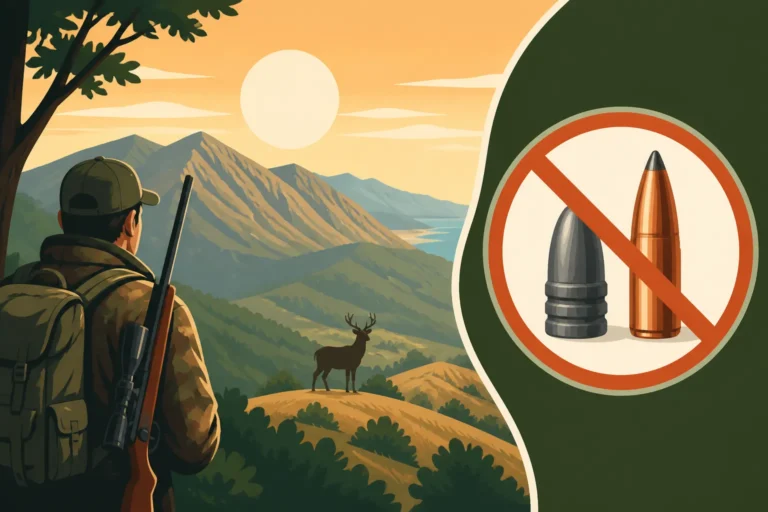
Remember, California has a California's Non-Lead Ammunition Requirement for all hunting, so ensure your rifle is sighted in with certified non-lead bullets before you head to the desert. This applies to all game, big or small, on BLM land and elsewhere in the state.
Disclaimer
This article is for general informational purposes only and does not constitute professional advice. Laws, prices and regulations vary by location and change over time. Consult a qualified professional for guidance on your specific situation.