Waterfowl Hunting California’s Central Valley
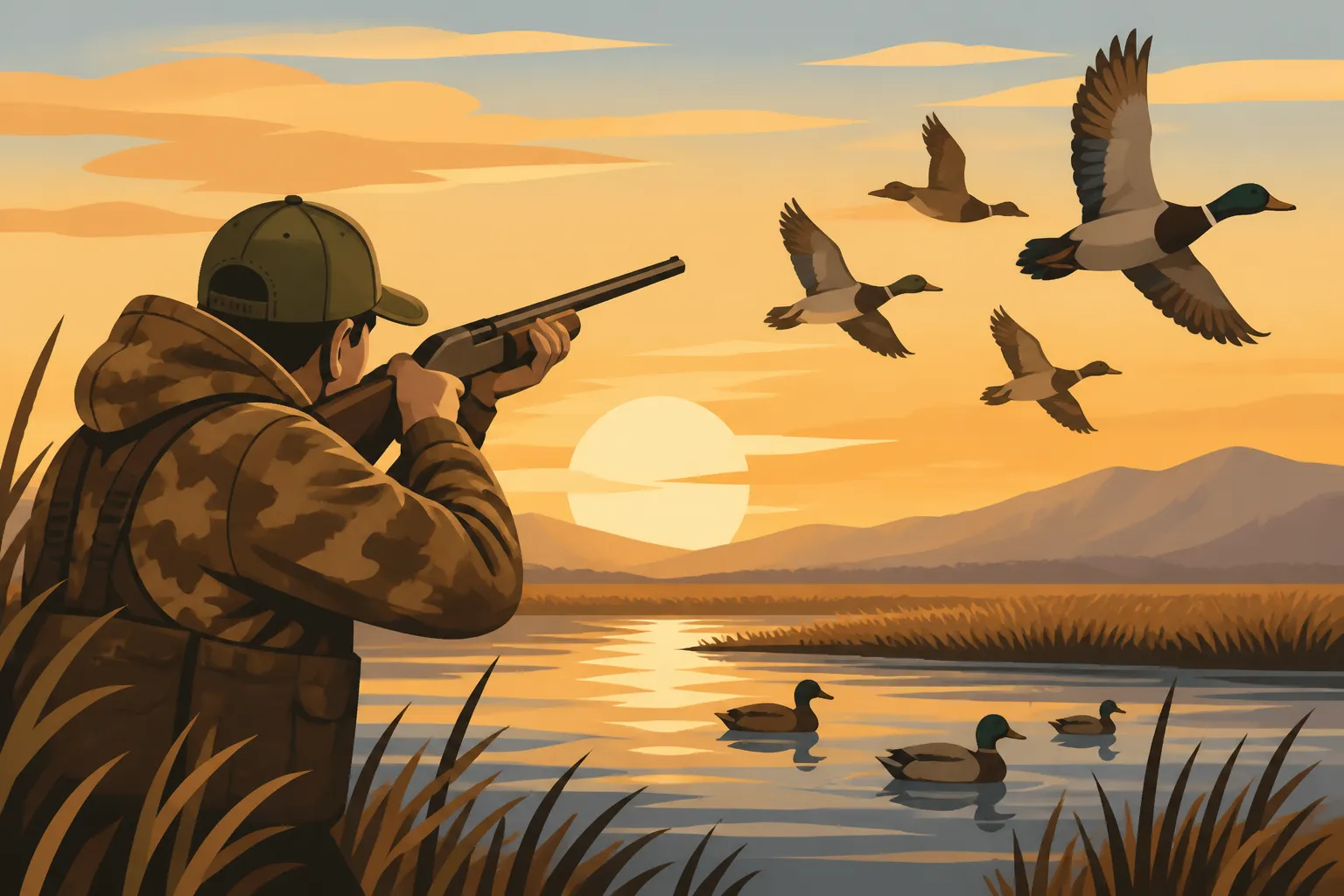
Hunting waterfowl in California's vast Central Valley can feel like trying to solve a puzzle with a million pieces. From deciphering complex refuge draw systems to understanding the nuances of decoy spreads in flooded rice fields, it's easy to get overwhelmed. This comprehensive guide is designed to cut through the confusion, offering clear, actionable insights into how to successfully pursue ducks and geese across California's most prolific waterfowl region.
Understanding the Pacific Flyway and California's Role
California's Central Valley isn't just a geographical feature; it's a critical pit stop and wintering ground for millions of migratory waterfowl traversing the Pacific Flyway. This immense bird highway stretches from Alaska all the way down to Patagonia, and the Central Valley acts as a prime fueling station, drawing in ducks and geese from across North America. Understanding this relationship is foundational to effective waterfowl hunting here.
The Central Valley's Significance
The Central Valley is an ecological marvel, even with its extensive agricultural development. Historically, it was a massive wetland complex, and while much of that has changed, the remaining and restored wetlands, alongside crucial flooded agricultural fields—especially rice—provide an irresistible magnet for migrating birds. These areas offer both food and sanctuary, making the Central Valley a globally important region for a huge array of waterfowl species. Without these vital habitats, the health of the entire Pacific Flyway would be in jeopardy. The sheer volume of birds that pass through or winter here means that even on a seemingly tough day, there are always opportunities if you know where to look and how to adapt.
Many hunters from other states might picture California as only beaches and deserts, but the Central Valley presents a totally different landscape. Miles upon miles of flat, fertile ground are either cultivated or managed as wetlands, creating a mosaic that is absolutely teeming with life during the fall and winter months. The consistent availability of water and feed, even in drought years, is a testament to the dedicated management efforts and the natural draw of this region. It’s truly a special place, offering some of the most diverse and challenging waterfowl hunting experiences anywhere.
Key Species and Migration Patterns
The Central Valley hosts an incredible diversity of waterfowl. Mallards are, of course, a perennial favorite, but you'll also encounter substantial numbers of Northern Pintail, Green-winged Teal, American Wigeon, Gadwall, and Shovelers. For geese, the Central Valley is a major wintering ground for Greater White-fronted Geese (specklebellies), Snow Geese, Ross's Geese, and various subspecies of Canada Geese. Each species has slightly different habitat preferences and migration timing, which can influence your hunting strategy significantly. For instance, pintails often arrive earlier in the season and prefer shallow, open water, while mallards might hold tight to thick cover on colder days.
Understanding the timing of these migrations is crucial. Early season hunts in October might see a lot of pintails and teal, while December and January often bring a heavier influx of mallards and geese as colder weather pushes them south from breeding grounds further north. Monitoring weather patterns across the flyway, especially in states like Oregon and Washington, can give you a heads-up on incoming birds. Resourceful hunters often use mapping tools like those from GoHunt to analyze historical migration data and track current bird movements, helping them predict peak times for specific species. This insight into "when" and "what" to expect is just as important as knowing "where" to set up.
Essential Gear for Central Valley Waterfowling
Stepping into a Central Valley duck blind without the right gear is like showing up to a fancy dinner in your pajamas – it just won't work out. The environment here can be demanding, swinging from crisp, frosty mornings to surprisingly warm afternoons, all while you're often standing in water or trudging through sticky mud. Having the proper equipment isn't just about comfort; it's about safety, success, and making the most of your time afield.
Shotguns and Non-Lead Ammunition
When it comes to shotguns, reliability is key. Waterfowl hunting often involves wet, muddy, and sometimes harsh conditions, so a durable semi-automatic or pump-action shotgun in 12-gauge is the standard choice. Many hunters prefer a 3-inch or 3.5-inch chamber for the added payload capacity, especially when targeting larger geese or dealing with high-flying ducks. Popular brands like Benelli, Beretta, Remington, and Winchester are common sights in the fields. Make sure your shotgun is cleaned and maintained regularly, as a malfunction can cost you a critical shot.
California has strict regulations regarding ammunition; hunters are required to use non-lead ammunition for all hunting statewide. This means no more lead shot, even for upland birds or small game. For waterfowl, this has been the rule federally for decades, so most waterfowl hunters are already accustomed to steel shot. However, premium non-lead alternatives like bismuth, tungsten-iron, or tungsten-super shot (TSS) are gaining popularity. While more expensive, these denser materials offer superior ballistic performance, increased range, and better knockdown power, particularly useful for larger birds or longer shots. Before heading out, make sure your shotgun is patterned with your chosen non-lead load to understand its effective range and spread. You can learn more about which non-lead bullets California approves to ensure you're compliant.
Decoys and Spreads for Different Scenarios
Decoys are your primary tool for attracting birds. The type and quantity of decoys you need will vary dramatically depending on where you're hunting and what species you're targeting. For flooded rice fields or large open water impoundments, you might need dozens, even hundreds, of duck decoys, often mixed with a few full-body goose decoys to create a realistic "spread." Mallard, pintail, and wigeon decoys are common, often complemented by spinning wing decoys (Mojos) to add motion and attract attention from a distance.
When hunting geese, especially specklebellies or snows, full-body or shell goose decoys are essential. Large spreads, sometimes hundreds strong, are typical in wide-open fields where geese feed. In smaller, more intimate settings like a timber hole or a narrow slough, a smaller, more realistic spread of a dozen or two duck decoys, perhaps with a few feeder butts, might be more effective. The key is to create a natural-looking scene that birds feel comfortable dropping into. Understanding concepts like the "landing zone" and how to set up your decoys to funnel birds into optimal shooting range is critical.
Blinds, Waders, and Weather-Appropriate Apparel
Comfort and concealment go hand-in-hand in waterfowl hunting. A good set of waders is non-negotiable, as you'll often be standing or walking in water. Neoprene waders offer warmth in colder weather, while breathable models are better for warmer early-season hunts. Invest in quality waders with sturdy boots; cheap ones can quickly lead to a miserable day. For concealment, layout blinds are popular in open fields, allowing you to hide effectively while providing a comfortable, dry spot. In areas with natural vegetation, brushing in a blind on a field edge or using natural cover is often sufficient.
Layering your clothing is paramount in the Central Valley, where temperatures can swing wildly from freezing pre-dawn lows to mild, sunny afternoons. Start with moisture-wicking base layers, add insulating mid-layers like fleece or down, and top it with a waterproof and windproof outer shell in an appropriate camouflage pattern. Don't forget a warm hat, gloves, and waterproof boots to keep your extremities dry and comfortable. Staying warm and dry not only makes the hunt more enjoyable but also allows you to remain still and focused when birds are working your spread.
Hunting Public Lands: Wildlife Areas and Refuges
California's Central Valley is home to an extensive network of state and federal wildlife areas and refuges, offering incredible public land hunting opportunities. These managed lands are vital for migratory waterfowl, and while they can be highly competitive, they also provide some of the best hunting experiences available. Navigating the access rules and understanding the different hunt types is crucial for success.
Navigating the Reservation System and Draw Hunts
Most of California's prime public waterfowl hunting areas operate on a reservation and lottery system. Hunters typically apply online through the CDFW's Automated License Data System (ALDS) for a chance to draw a reservation for a specific hunt unit on a specific day. These reservations are highly sought after, especially for prime dates and locations. If you don't draw a reservation, there's often a "sweat line" or "daily lottery" for leftover spots or no-shows, requiring hunters to show up hours before sunrise and hope for the best. Planning ahead and applying for reservations is your best bet, but don't discount the sweat line if you're feeling adventurous and willing to gamble on a spot.
The key to success in the reservation system is persistence and flexibility. Apply for as many different dates and locations as your schedule allows. While a prime weekend hunt at a popular refuge might have terrible odds, a weekday hunt or a less-known zone might offer a better chance. Tools like the GoHunt app can sometimes provide data on draw odds or availability for certain units, giving you an edge in your planning. Understanding these complex systems, including California's federal duck stamp requirement and the need for a California migratory bird stamp, is part of the challenge but also part of the rewarding experience of hunting these special places.
Strategies for Refuge-Adjacent Fields
While the managed refuge units themselves are fantastic, many hunters overlook the potential of refuge-adjacent private and even some public lands. Birds often "roost" on the protected refuge areas during the night and then fly out to feed in surrounding agricultural fields at dawn and dusk. Setting up on these flight lines, or in fields where birds are actively feeding, can be incredibly productive. This often involves scouting extensively to determine exact flight paths and preferred feeding areas.
Hunting these adjacent fields often requires a different strategy than hunting directly inside a refuge. You might focus more on pass-shooting geese on California's Sacramento Refuges or setting up a layout blind in a cut corn field where ducks are consistently feeding. This requires careful attention to detail, strong concealment, and effective calling to pull birds off their flight path or into your spread. Be extremely mindful of property boundaries and ensure you have explicit permission if hunting private land, as trespassing can quickly ruin your hunt and reputation.
Understanding Different Hunt Types
Central Valley waterfowl areas aren't all uniform. You'll encounter a variety of hunt types, each requiring different tactics and gear.
- Flooded Rice Fields: These are quintessential Central Valley hunts, often requiring large decoy spreads, motion decoys, and careful blind placement. Birds will be looking for safe landing zones in the shallow water.
- Permanent Ponds and Impoundments: These can hold birds all season, especially on colder days. Decoy spreads here might be more compact, focusing on realism and natural movement.
- Managed Marsh/Swale Units: These typically feature diverse vegetation and meandering water channels. Jump-shooting a Central Valley slough can be effective here, or setting up on pinch points and transitions.
- Dry Fields (for Geese): Many goose hunts occur in dry or recently harvested agricultural fields. Full-body goose decoys and layout blinds are standard here, often requiring hunters to brush in a blind on a field edge for optimal concealment.
Knowing the specific characteristics of the unit you've drawn or plan to hunt, and adapting your strategy accordingly, is crucial. A spread that works for decoying Mallards on flooded rice ground might be completely ineffective in a cattail-lined pond. Always scout, check reports, and be prepared to adjust your approach based on the conditions and the birds' behavior.
Hunting Private Land Opportunities
While public lands offer incredible access, the Central Valley's vast private agricultural holdings, especially the iconic California's flooded rice fields and other croplands, provide some of the most consistent and high-quality waterfowl hunting experiences. Accessing these lands often comes with a cost, but it can significantly reduce competition and increase your chances of success.
Leasing and Club Memberships
For many serious waterfowl hunters, a private land lease or a hunting club membership is the holy grail. Leases can range from a few acres of flooded pasture to hundreds of acres of prime rice ground, offering exclusive access to specific hunting areas for the entire season. These often come with established blinds, dedicated parking, and minimal pressure compared to public refuges. The cost can be substantial, ranging from a few thousand dollars for a basic seasonal lease to tens of thousands for premium, fully managed properties. Shared leases or club memberships are common ways to split the cost and enjoy the benefits.
Hunting clubs in the Central Valley vary widely, from exclusive, multi-generational organizations to more accessible, smaller operations. Memberships typically grant access to a specific number of hunts per season, often through a reservation system unique to the club, or on a first-come, first-served basis. Many clubs offer amenities like clubhouses, dog kennels, and guided hunts. The main advantage here is consistent access to prime ground that holds birds throughout the season, along with a community of like-minded hunters. When considering a club, inquire about bird numbers, hunt frequency, facilities, and the overall management philosophy.
Gaining Permission on Agricultural Properties
Not everyone can afford a club membership or a private lease, but that doesn't mean private land hunting is out of reach. Gaining permission from landowners on agricultural properties is a time-honored tradition that still works in many parts of the Central Valley. Farmers and ranchers often deal with crop depredation from large flocks of birds and may be open to hunters, especially if you offer to help manage the bird population.
The key to securing permission is respect, timing, and presentation. Approach landowners well before the season opens, ideally in person. Dress neatly, be polite, and explain your intentions clearly. Offer to provide references, show proof of insurance, and commit to strict adherence to their rules (e.g., specific shooting zones, no driving on wet fields, prompt reporting of your harvest). Building a relationship based on trust is paramount. Sometimes, simply offering to help with odd jobs around the farm can open doors. Remember, California's trespass and permission law requires explicit permission, so always get it clearly understood.
Advantages and Considerations of Private Land Access
The most significant advantage of private land hunting is reduced pressure. Birds on private grounds that are hunted responsibly tend to be less "call shy" and decoy more readily than those on heavily pressured public refuges. You also have the flexibility to adjust your setup based on bird movement, weather, and current conditions, rather than being confined to a pre-set blind. The ability to scout your hunting area extensively without competition can lead to incredibly rewarding experiences.
However, there are considerations. Private land hunting still requires all the necessary California hunting licenses and what they cost, along with your federal and state duck stamps. You'll also need to follow all state and federal regulations regarding bag limits, shooting hours, and non-lead ammunition. Furthermore, you are responsible for maintaining good landowner relations; any breach of trust, like leaving trash or driving off designated paths, can quickly lead to revoked permission. Private land can be a fantastic opportunity, but it demands responsible, ethical hunting practices.
Effective Waterfowl Hunting Strategies and Techniques
Successfully hunting waterfowl in the Central Valley goes far beyond simply showing up with a shotgun. It's an intricate dance of observation, calling, decoy placement, and adaptability. The birds are constantly changing their patterns based on weather, pressure, and food sources, so being able to adjust your strategy on the fly is key.
Decoy Placement and Calling Tactics
The art of decoy placement for pressured California birds is something you can spend a lifetime perfecting. Generally, you want to create a realistic spread that birds feel safe committing to. Think about the wind direction: ducks and geese almost always land into the wind. Your decoys should be set up to guide them into an optimal shooting zone, typically 20-30 yards from your blind, with an open "landing hole" in the middle or just in front. Varying the types of decoys (feeders, sentries, sleepers) and spacing them naturally can create a more convincing illusion. Motion decoys, like spinning wings or jerk strings, add vital movement that can draw birds' attention from afar, especially on calm days.
Calling is another critical skill. While some hunters can be overzealous, effective calling is about realism and knowing when to be quiet. A good duck call can range from soft greeting quacks and feed chuckles to aggressive hail calls designed to grab the attention of high-flying birds. For geese, short, sharp clucks and moans are often more effective than loud honks, especially for wary specklebellies. Listen to real birds and try to mimic their sounds. Always call less as birds get closer, letting your decoy spread do the final work. The goal is to reassure birds, not alarm them.
Reading the Birds and Adapting to Conditions
This is where experience truly shines. Waterfowl hunting is a game of constant observation and adaptation. Are the birds flaring at a specific point in your spread? Are they short-stopping outside your range? Are they circling wide and not committing? These are all clues telling you to change something. It could be your concealment, your calling, or your decoy spread. Sometimes, simply moving a spinning wing decoy or adjusting the position of a few full-bodies can make all the difference.
Conditions also dictate strategy. On bright, sunny, calm days, birds tend to be warier and can see your spread from farther away; you'll need pristine concealment and subtle calling. On windy, overcast, or rainy days, birds might fly lower and be more aggressive, making for more exciting, in-your-face action. The colder it gets, the more birds will seek out consistent food sources. Regularly checking the wind and thermals in steep Sierra country will tell you where scent and sound are traveling. You have to be a student of the game, always learning and adjusting.
Jump-Shooting and Pass-Shooting Techniques
While decoying is the most common method, jump-shooting and pass-shooting offer alternative ways to harvest waterfowl, especially in specific scenarios or when conditions aren't ideal for a decoy spread.
- Jump-Shooting: This involves walking up on birds that are resting or feeding in sloughs, creeks, or small ponds, often flushing them into range for a quick shot. It requires stealth, knowing where birds are likely to be, and being ready to shoot quickly. Early morning or late afternoon can be good times for jump-shooting. It's particularly effective on smaller, less accessible waterways or when scouting a new area.
- Pass-Shooting: This technique targets birds as they fly between roosting areas and feeding grounds, or along established flight corridors. Hunters position themselves along these routes, often near treelines, levees, or bottlenecks, and shoot at birds as they fly overhead. Pass-shooting requires good lead judgment, powerful ammunition, and the ability to distinguish legal birds quickly. It's often employed when hunting a refuge-adjacent field at dawn or in areas where birds are simply too wary to decoy. Both methods can be highly effective and add another dimension to your waterfowl hunting repertoire.
Regulations, Licenses, and Conservation
Hunting waterfowl in California isn't just about understanding the birds; it's equally important to understand and adhere to the state and federal regulations that govern the sport. These rules are in place not only for safety and fair chase but, critically, for the conservation of waterfowl populations and their habitats.
California Specific Licenses and Stamps
Before you even think about setting foot in a marsh or flooded field, you need to ensure you have all the required licenses and stamps. For all hunters, a valid California hunting license is the first step, and you can learn about California resident license options and California nonresident license options. For migratory game birds like ducks and geese, you'll also need a Federal Duck Stamp, which is a significant contributor to wetland conservation nationwide. On top of that, California requires its own state-specific Migratory Bird Hunting Validation (often referred to as the California Duck Stamp).
Beyond these, hunters must also complete the Harvest Information Program (HIP) certification annually. This simple survey helps wildlife agencies gather crucial data on hunter activity and harvest numbers, which directly informs conservation efforts and setting future bag limits. For younger hunters, California has specific rules regarding junior turkey hunt rules and hunter education requirements, which also apply to waterfowl. Keeping all your paperwork in order, whether physical copies or easily accessible digital versions on your phone, is essential to avoid any issues afield.
Bag Limits, Shooting Hours, and Ethical Considerations
California duck and goose bag limits are set annually by the California Department of Fish and Wildlife (CDFW) in conjunction with federal guidelines, often varying by species and sometimes by region. For example, pintail limits can be notoriously low due to population concerns, while mallard limits are generally more generous. It's your responsibility to know the daily bag limits and possession limits for each species you pursue. Shooting hours typically begin one-half hour before sunrise and end at sunset, but always consult the current regulations booklet for exact times, as they change throughout the season.
Beyond the letter of the law, ethical considerations are paramount in waterfowl hunting. This includes only taking clear, ethical shots at birds within your effective range to minimize crippling losses. It also means making every effort to retrieve downed birds, even if it's challenging. Respect for the resource, other hunters, and landowners is fundamental. Promptly reporting a pig harvest through ALDS or a deer harvest through California's app demonstrates compliance, but equally, reporting any wildlife violations you witness helps protect the resource for everyone. Never crowd other hunters, and always ensure your gun is unloaded and cased when traveling to and from the blind.
The Importance of Conservation and Habitat
Every duck stamp and hunting license purchased directly contributes to waterfowl and wetland conservation efforts. Funds generated from these sales are used to acquire, restore, and maintain critical wetland habitats across California and the nation. Without these dedicated funds, many of the very places we hunt, and the birds we pursue, would not exist in their current abundance. The Central Valley, in particular, relies heavily on these efforts to manage its wildlife areas and refuges, which are vital for California waterfowl on the Pacific Flyway.
Hunters are the original conservationists, and understanding this link is crucial. Participate in habitat projects if you can, support organizations like Ducks Unlimited or California Waterfowl Association, and always advocate for sound wildlife management. The future of waterfowl hunting depends on our collective commitment to conservation. Recognizing the value of California's place on the Pacific Flyway and the role of California's flooded rice fields in supporting millions of birds reinforces the importance of ethical and responsible hunting practices.
Field Care, Cleaning, and Enjoying Your Harvest
The hunt doesn't end when the shot is fired. Proper field care, cleaning, and preparation of your waterfowl are just as important as the hunt itself. It ensures the meat is delicious, minimizes waste, and honors the animal. Taking care of your harvest properly is a mark of a responsible hunter.
Proper Field Care in Varying Temperatures
Waterfowl meat, like any game, needs to be handled correctly to ensure quality. In the mild early season or on warmer Central Valley days, this means getting your birds cooled down as quickly as possible. Don't leave them piled in a bucket in the sun. If possible, gut your birds soon after the retrieve, or at least open the body cavity to allow air circulation. Placing them on ice in a cooler immediately is ideal, especially if you're not heading straight home. Even just spreading them out in a shaded, breezy spot can make a difference.
During colder late-season hunts, cooling isn't as immediate a concern, but keeping them clean and preventing dirt or debris from contaminating the meat is still vital. Avoid dragging birds through mud or leaving them exposed to scavengers. If you're going to hang birds for a short period before cleaning, ensure they are in a cool, dark, well-ventilated area, protected from flies and other pests. The goal is always to get the internal temperature of the bird down to a safe level as quickly as possible to prevent bacterial growth and preserve the flavor.
Efficient Cleaning and Processing Techniques
There are generally two main ways to clean waterfowl: plucking or breasting out.
- Plucking: This method removes all the feathers, leaving the skin on. It's more time-consuming but results in a whole bird with skin and fat, which adds flavor and moisture during cooking. It's particularly popular for ducks like mallards or pintails, where the skin crisps up beautifully. Submerging the birds in hot water for a minute or two can make plucking much easier.
- Breasting Out: This involves removing only the breast meat, leaving the rest of the bird. It's much faster and simpler, making it popular for hunters with large limits or those short on time. While you lose the legs and wings, you get a substantial amount of lean, flavorful breast meat. Many hunters opt for this method, especially for species that might be less desirable to pluck, like shovelers or certain geese.
Regardless of the method, work on a clean surface and have a sharp knife. Rinse the meat thoroughly with cold water to remove any feathers, dirt, or bloodshot areas. Pat the meat dry before storing. For geese, you might also remove the leg and thigh meat, which is excellent for grinding or slow cooking.
Storing and Cooking Your Waterfowl
Once cleaned, properly storing your waterfowl is crucial for long-term enjoyment. Vacuum sealing is by far the best method, as it removes air and prevents freezer burn, keeping the meat fresh for a year or more. If you don't have a vacuum sealer, wrap the meat tightly in plastic wrap, then butcher paper or freezer bags, expelling as much air as possible. Label and date everything clearly.
Cooking waterfowl opens up a world of culinary possibilities. The lean, rich flavor of duck and goose meat is incredibly versatile. Duck breasts are often pan-seared to a medium-rare, skin-side down to crisp the skin. The legs and thighs are fantastic slow-braised or confited. Goose breasts, being larger, can be roasted whole or sliced into steaks, while the legs and thighs are excellent for stews, sausages, or pulled meat. Recipes range from simple grilling to elaborate gourmet dishes. Don't be afraid to experiment with marinades, rubs, and cooking methods. There are countless resources online for cooking wild game, so you can transform your hard-earned harvest into delicious meals to share with family and friends.
| Species | Common Habitat in Central Valley | Key Identification Features | Typical Behavior/Notes |
|---|---|---|---|
| Mallard | Flooded fields, ponds, sloughs | Green head (drake), gray body; mottled brown (hen) | Common, decoys well, often feeds in shallow water |
| Northern Pintail | Shallow, open water, rice fields | Long, slender neck; pointed tail (drake) | Early arrivals, wary, often land on edges of spreads |
| Green-winged Teal | Shallow water, small ponds | Smallest duck; green speculum & eye patch (drake) | Fast fliers, often in tight groups, good table fare |
| American Wigeon | Ponds, open water, grazing areas | White patch on top of head (drake), green speculum | Whistling call, often graze grass near water |
| Gadwall | Ponds, sloughs, deeper water | Gray body, black rear, white speculum (both sexes) | Quieter, often overlooked, excellent eating |
| Northern Shoveler | Shallow, vegetated wetlands | Large, spoon-shaped bill; iridescent green head (drake) | Often feed by dabbling, distinctive silhouette in flight |
| Greater White-fronted Goose | Agricultural fields, shallow marshes | Brown body, white forehead, orange legs, black belly bars | "Specklebelly," distinctive high-pitched call, wary |
| Snow Goose | Large open fields, refuges | All white (adult), mottled gray/white (juvenile) | Large flocks, noisy, can be challenging to decoy |
| Ross's Goose | Agricultural fields, refuges | Smaller version of Snow Goose, stubbier bill | Often mix with Snow Geese, harder to distinguish in flight |
Disclaimer
The information provided in this guide is for general informational purposes only and is not intended as legal advice. Hunting regulations in California are subject to change and vary by specific zones and species. Always consult the most current California Department of Fish and Wildlife (CDFW) regulations booklet or website before engaging in any hunting activities. It is the hunter's responsibility to know and comply with all applicable laws and regulations.