Amador County Public Hunting Ground
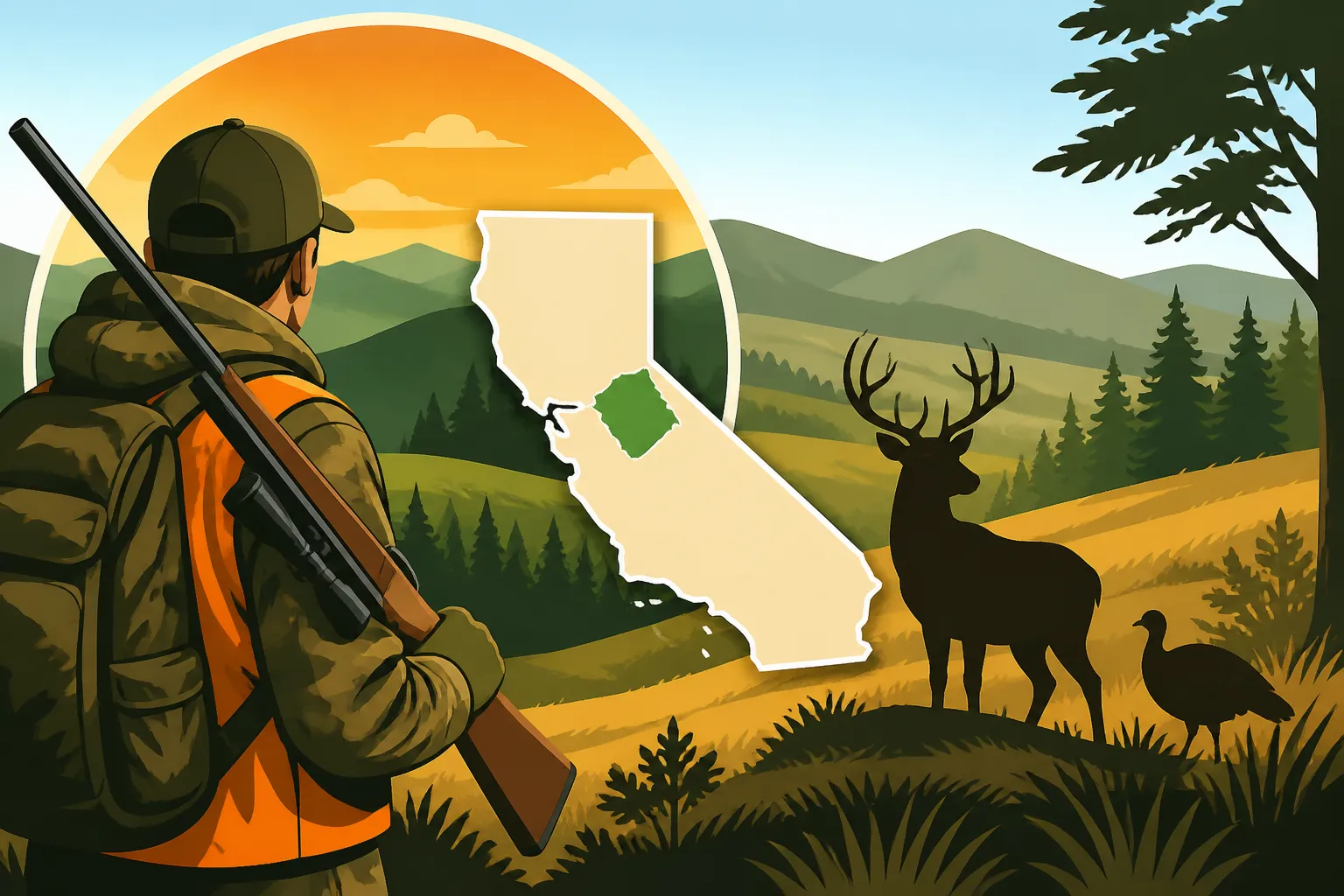
Finding quality public hunting ground in California can feel like searching for a needle in a haystack, especially when you're focusing on a specific county that might not immediately jump out on the big game maps. Amador County, nestled in the Sierra Nevada foothills, offers some surprising and often overlooked opportunities for hunters willing to do a little homework and put in some legwork. This guide will walk you through the public land options available in Amador, the game you might encounter, and how to best prepare for a successful hunt in this beautiful, rugged part of California.
Understanding Amador County's Public Land Hunting Landscape
Amador County isn't as vast in public land acreage as some of its northern or eastern Sierra neighbors, but what it lacks in sheer size, it makes up for in accessible, diverse terrain within the Stanislaus National Forest and some scattered parcels of Bureau of Land Management (BLM) property. Many hunters pass over the "Mother Lode" counties, focusing instead on the higher elevations, which means less pressure for those who learn to navigate these foothills.
The primary public hunting ground in Amador County is within the Stanislaus National Forest. This area encompasses a mix of dense timber, chaparral, oak woodlands, and riparian zones along creeks and rivers. While much of it is accessible via forest roads, be prepared for steep canyons and significant elevation changes. This isn't flat country; it demands boots on the ground and a willingness to hike. Understanding the various California's Eighteen National Forests can give you a better context for what to expect.
Beyond the National Forest, there are smaller, often fragmented pieces of BLM land. These parcels can be true hidden gems but require diligent scouting to locate and confirm access. They're often surrounded by private property, making mapping tools like onX Hunt absolutely essential for staying legal and respectful. These lands can range from brushy slopes to more open grasslands, offering different challenges and opportunities depending on the specific parcel.
Stanislaus National Forest Opportunities
The Stanislaus National Forest extends into the eastern portions of Amador County, providing a significant chunk of huntable public land. Here, you'll find terrain that ranges from approximately 2,000 feet in elevation up to over 8,000 feet at its eastern edges. This diversity of elevation translates directly into a diversity of habitat, supporting a variety of game. The lower elevations are classic oak-chaparral country, transitioning into mixed conifer forests as you climb higher.
Deer hunting is probably the most popular pursuit here, falling primarily within the D6 deer zone, though parts might touch D5 or D4 depending on the specific boundaries. This zone is part of California's Multi-Zone Deer Season System, so understanding the specific regulations and opening dates for D6 is crucial. These are often migratory deer, spending summers in the higher elevations and moving down to winter range in the foothills as the snow flies. Knowing these migration corridors, especially during late-season hunts, can be key to success.
Beyond deer, the forest also holds populations of wild pigs and turkeys. Wild pigs are notorious for their elusive nature and ability to thrive in dense cover, particularly around water sources and areas with abundant acorns. Turkeys, specifically the introduced wild turkeys, absolutely love the mixed oak woodlands found throughout the lower and mid-elevations of the Stanislaus. Learning to call in a gobbler can be an incredibly rewarding experience in these rolling hills.
Unlocking BLM and Other Public Parcels
While the Stanislaus National Forest offers large, contiguous blocks of hunting ground, don't overlook the smaller, often isolated parcels of Bureau of Land Management (BLM) land scattered throughout Amador County. These parcels can be tricky to find and even trickier to access without trespassing on private property, but they can also offer less pressured hunting experiences. They are frequently adjacent to agricultural fields or private ranch land, providing potential food sources for game that might use the public land for bedding and cover.
Accessing these BLM parcels often means a combination of public road frontage and, crucially, accurate mapping. I can't stress enough how important it is to have a robust mapping application like onX Hunt or GoHunt. These tools allow you to clearly identify public land boundaries, private property lines, and potential access points, preventing accidental trespass which can quickly ruin a hunt and your reputation with local landowners. Without these digital aids, navigating fragmented public parcels would be a nightmare.
These smaller parcels might not hold the same density of migratory deer as the national forest, but they can be excellent for resident deer, wild pigs, and turkeys. Look for areas with dense cover, water sources, and proximity to oak trees for acorns. Sometimes, a small, seemingly insignificant piece of public ground that's hard to get to can hold a surprisingly good amount of game simply because other hunters drive past it without bothering to check. Using an App for California BLM Land Status can dramatically improve your chances of finding these overlooked spots.
Game Species and Seasons in Amador County
Amador County offers a variety of hunting opportunities, with deer, wild pigs, and wild turkeys being the primary big game and upland bird species. The seasons and regulations are set by the California Department of Fish and Wildlife (CDFW), and it’s critical to check their current regulations every year, as dates and rules can change.
Deer Hunting in Amador County
Amador County falls predominantly within the D6 deer hunting zone, which generally opens in mid-September for rifle hunters. Archery season typically precedes the general rifle season by several weeks. These are usually general season tags, meaning they can be purchased over-the-counter or through the draw, depending on quota limits. The deer in this area are primarily Columbia Blacktail and Mule Deer in California and their hybrids, especially as you move eastward into higher elevations.
Hunting success often hinges on understanding deer movement patterns. In the early season, deer might still be higher up, utilizing the cooler canyons and timber pockets. As temperatures drop and any early snows begin, they will start their migration to lower elevations, following traditional routes. Focus your efforts on saddles, ridge lines, and creek bottoms that provide cover and connect bedding areas to feeding grounds. Pay close attention to wind and thermals, which are critical in this steep, broken terrain. Glassing open hillsides at first and last light can be very effective, especially where chaparral meets oak woodlands or timber.
| Season Type | Typical Dates (Approximate) | Primary Zones | Common Habitat | Key Strategies |
|---|---|---|---|---|
| Archery Deer | Late August – Mid September | D6, D5 | Higher timber, cooler canyons | Still-hunting, glassing, water sources |
| General Rifle Deer | Mid September – Mid October | D6, D5 | Mid-elevation oak/chaparral, migration routes | Spot-and-stalk, stand hunting funnels |
| Late Season/Migration | Late October – November | D6 (lower) | Foothill oaks, creek bottoms | Tracking, ambush on migration corridors |
Note: Always verify current season dates and specific zone boundaries with the latest CDFW regulations booklet.
Wild Pig Hunting
Amador County is home to a healthy population of Wild Pigs Across California, and their presence makes for an exciting, year-round hunting opportunity with the purchase of a valid wild pig tag. These intelligent animals can be found almost anywhere in the county, from the dense riparian zones along the Mokelumne and Cosumnes Rivers to the oak woodlands and even agricultural fringes. Their numbers fluctuate based on food sources, especially acorns, and water availability.
Pigs are often most active during cooler parts of the day – early morning and late evening – and will seek out dense cover during midday heat. After a good rain, they'll often be rooting in softer ground, which makes their sign very evident. Look for fresh tracks, disturbed soil, and scat. They also love wallowing in muddy areas to cool down and deter insects. Spot-and-stalk is a popular method, especially glassing open hillsides that funnel into thicker cover. Hunting around water sources can also be very effective, particularly during dry spells. Remember, patience is key when hunting pigs; they have incredible senses of smell and hearing.
Wild Turkey Hunting
For those who enjoy the challenge of calling in a bird, Amador County's oak woodlands are prime habitat for Introduced Wild Turkeys in California. Spring turkey season usually runs from late March through early May, with a fall archery-only season also available. Success rates can be quite good for patient hunters.
In the spring, focus your efforts on roosting sites along ridge lines and creek bottoms where mature oaks provide safe perches. Listening for gobblers on the roost at dawn and trying to intercept them as they fly down is a classic and exciting strategy. During the day, turkeys will typically feed in open clearings, grassy areas within oak woodlands, and along field edges, often dusting in dry dirt patches. Utilizing calls – locator calls like owl hoots or crow calls, followed by hen yelps and clucks – can bring a tom in close. In the fall, turkeys often congregate in larger flocks, and the strategy shifts more towards breaking up a flock and then calling individual birds back in.
Navigating and Preparing for Amador County Public Land Hunts
Hunting in Amador County, particularly on public land, requires careful preparation and an understanding of the terrain. While it's not the extreme high country, it's still rugged and unforgiving if you're not ready.
Essential Gear and Mapping Tools
Packing the right gear can make or break your hunt. Lightweight, durable boots with good ankle support are crucial for traversing the steep, rocky, and brushy terrain. Layered clothing is also essential, as foothill weather can change dramatically from crisp mornings to warm afternoons. Think about base layers, a mid-layer, and a quiet, waterproof outer shell. Boots and Clothing for California's Varied Terrain details this further.
When it comes to navigation, a reliable GPS or mapping app on your phone is indispensable. Brands like onX Hunt and GoHunt provide detailed satellite imagery, topo maps, and, most importantly, clear public/private land boundaries. I can’t tell you how many times these apps have saved me from accidental trespass or helped me pinpoint a promising ridge line I spotted on aerial photos. They also allow you to mark waypoints for significant features, game sign, or your truck. Make sure to download offline maps before you head out, as cell service is often spotty or non-existent in the more remote areas. This is especially true for Finding California Property Lines and ensuring you're always on legal ground.
Consider carrying a quality pair of binoculars, especially for glassing open hillsides for deer or pigs. A good rangefinder is also beneficial for accurately judging distances in varied terrain, helping you make ethical shots. For multi-day hunts, a sturdy backpack capable of carrying water, food, emergency supplies, and potentially quartered game is a must.
Scouting and Access Strategies
Successful hunting on Amador County public land starts long before opening day. Pre-season scouting is paramount. Use your mapping apps to identify potential access points, promising habitat features like oak groves, creek bottoms, and north-facing slopes (which hold moisture and provide shade). Look for natural funnels, saddles, and benches that deer and pigs might use to travel.
Once you’ve identified some potential areas on your map, it’s time to put boots on the ground. Hike these areas, looking for fresh sign: tracks, scat, rubs, scrapes, and bedding areas. Pay attention to how the wind and thermals behave in different parts of the terrain. This is where you might find subtle details that aren't visible on a map but are critical for setting up an ambush or planning a stalk. Scouting California Public Land Before Season is invaluable for this preparation.
Access to Stanislaus National Forest land is generally good via designated forest roads. However, some roads may be closed seasonally due to weather (especially snow) or for wildlife management. Check the Forest Service website for current road conditions and closures. For BLM parcels, access can be more challenging. Sometimes, it’s a simple pull-off from a county road; other times, it might require walking in across other public easements or even obtaining permission to cross private land, which can be a long shot but is always worth trying respectfully.
Respecting the Land and Other Users
Hunting on public land means sharing the resource with hikers, mountain bikers, campers, and other recreationalists. Always be courteous, respectful, and follow all regulations. This includes being mindful of noise, packing out all trash, and adhering to ethical hunting practices.
Camping and Fire Regulations
If you're planning a multi-day hunt, dispersed camping is generally allowed in the Stanislaus National Forest, but there are specific rules and restrictions, especially regarding campfires. During fire season, which can last a significant portion of the hunting season in California, fire restrictions are almost always in effect, often prohibiting campfires outside of designated campgrounds. Always check current fire restrictions before heading out. Camping Rules on California National Forest Land will provide more detail on this.
It's also crucial to practice Leave No Trace principles: pack it in, pack it out. This applies to all your trash, spent casings, and any other items you bring into the wilderness. Proper disposal of game offal is also important; spread it out away from trails and water sources to allow nature to reclaim it quickly.
Non-Lead Ammunition and Firearm Safety
California has a statewide non-lead ammunition requirement for hunting any game species with a firearm. This means you cannot use lead bullets or shot. Make sure your rifle, shotgun, or handgun is sighted in with approved non-lead ammunition well before the season. This is a critical regulation that every hunter in California must adhere to.
Always follow basic firearm safety rules: treat every firearm as if it were loaded, keep the muzzle pointed in a safe direction, keep your finger off the trigger until ready to shoot, and be sure of your target and what is beyond it. In densely vegetated areas or when hunting in popular spots, consider wearing blaze orange or blaze pink, even if not legally required for your specific hunt. While California Blaze Orange Requirements might only apply to certain species or areas, it's a good practice for visibility and safety.
By respecting the land, other users, and the regulations, you ensure that Amador County remains a viable and enjoyable hunting destination for everyone for years to come.
Disclaimer
This article is for general informational purposes only and does not constitute professional advice. Laws, prices and regulations vary by location and change over time. Consult a qualified professional for guidance on your specific situation.