Best California Ground for Public Land Deer
Finding good public land for deer hunting in California can feel like trying to find a needle in a haystack, especially with so much country to cover and varying access rules. It's easy to get discouraged just looking at a map, wondering where to even begin without bumping into other hunters every hundred yards. This guide is going to walk you through how to identify the best public ground across the Golden State where you actually stand a chance of finding a deer and enjoying your hunt.
Navigating California's Vast Public Land for Deer
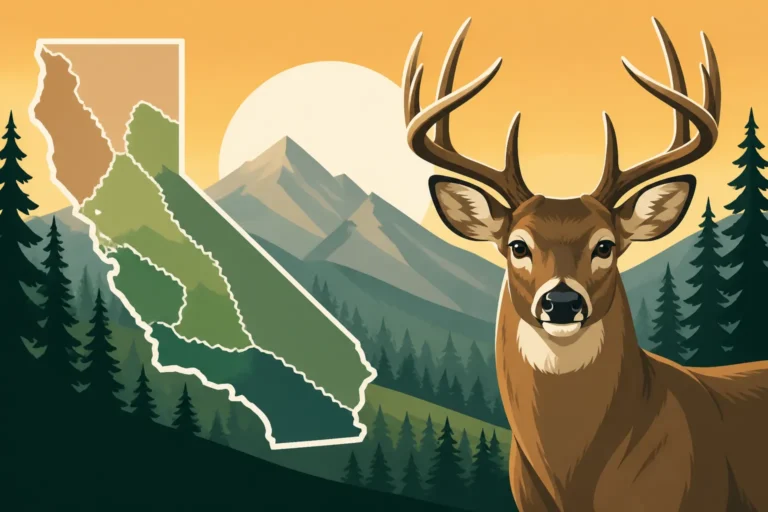
California is immense, and a good chunk of it is public land, managed by various state and federal agencies. However, not all public land is created equal when it comes to deer hunting. Some areas are heavily pressured due to easy access, while others require serious effort just to reach, which often translates to better hunting opportunities. The key is to understand the different types of public land available, what kind of deer habitat they offer, and how to effectively scout and hunt them. You're not just looking for "public land"; you're looking for quality public land that fits your hunting style and target species, whether that's a coastal blacktail, a Sierra Nevada mule deer, or a desert muley.
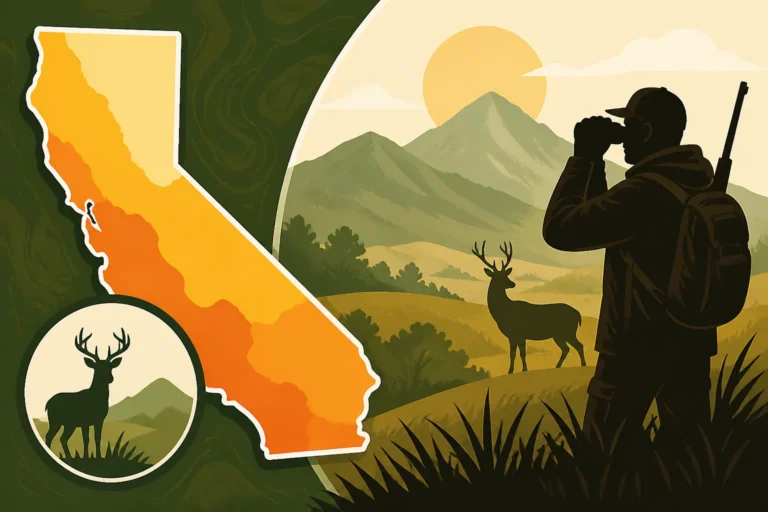
It's a common frustration to drive hours to a public land spot only to find a line of trucks at the gate, or to realize the terrain is far more rugged than you anticipated. Many hunters focus solely on the season dates and forget to deeply research the actual ground they'll be covering. This often leads to wasted time and effort, and sometimes, a completely unfruitful season. Instead, we need to shift our focus from just "public access" to "public access with deer potential" – that means looking for areas that offer feed, water, cover, and a reasonable chance of being less disturbed. Knowing the different deer zones is also critical, as each zone has its own characteristics and deer populations. For a deeper dive into the regulatory framework, check out California's Multi-Zone Deer Season System.
Key Public Land Types and What They Offer
California boasts an incredible array of public lands, each with its own characteristics that appeal to different deer hunters. Understanding these distinctions is crucial for tailoring your strategy and maximizing your success. The bulk of huntable public ground falls under National Forests and Bureau of Land Management (BLM) control, with a few notable exceptions.
National Forests
California is home to California's Eighteen National Forests, encompassing millions of acres, primarily in the Sierra Nevada, Cascade, and coastal mountain ranges. These forests are often characterized by dense timber, steep canyons, and high-elevation basins. For blacktail deer, especially in the northern parts of the state or the coastal ranges, the thick brush and timbered slopes of forests like the Six Rivers or Mendocino can be excellent. The Sierra Nevada forests, such as the Tahoe, Eldorado, or Sequoia, hold good populations of both blacktail and mule deer, often requiring hunters to climb to higher elevations or venture into roadless areas to find undisturbed animals. Access is generally good via forest service roads, but the true gems are often miles off the beaten path, past locked gates or at the end of long, arduous hikes.
Hunting in these areas frequently involves navigating significant elevation changes and dense cover, which means a focus on still-hunting or methodical glassing of open slopes and clear-cuts. Water sources like creeks and springs are abundant, especially earlier in the season. These lands also offer prime opportunities for high-country hunts, where the deer can be larger and less wary. When planning, remember that some specific national forests, like Hunting California's Los Padres National Forest, have unique non-lead ammunition requirements that predate the statewide ban, so always double-check local regulations.
Bureau of Land Management (BLM) Lands
BLM lands in California are generally found in the eastern Sierra, Central Valley foothills, and especially the vast deserts of Southern California. These areas tend to be more open, arid, and often characterized by sagebrush, juniper, and sparse oak woodlands, particularly in the foothills. For mule deer, the sprawling BLM expanses of the Mojave Desert fringe or the eastern Sierra slopes can be incredibly productive. Hunting California's BLM Desert Land offers a completely different challenge than forested areas, often requiring extensive glassing, long-distance stalking, and a keen understanding of desert survival.
The advantage of BLM land is often sheer space and less dense cover, which favors glassing strategies. However, deer densities can be lower, and water sources are critical focal points. Finding a hidden spring, a desert wash with thicker vegetation, or a remote ridge can make all the difference. While some BLM lands might have dirt roads providing access, many areas require significant hiking to get away from the easy-access pressure. These lands are generally open to dispersed camping, making multi-day hunts feasible if you're prepared for the rugged, often exposed conditions.
California Wildlife Areas and Ecological Reserves
California also manages numerous Wildlife Areas and Ecological Reserves. While many of these are focused on waterfowl or upland game, some do offer deer hunting opportunities, often through special draw hunts or limited entry permits. These areas are typically smaller than National Forests or BLM tracts but can hold surprisingly healthy deer populations due to focused habitat management. The catch is that they often come with very specific regulations, limited access, and high hunter demand. Finding a California Wildlife Area Near You that offers deer hunting requires careful research into their specific regulations and drawing processes. They are not always a "walk-up and hunt" scenario like vast tracts of federal land.
For instance, some Central Valley wildlife areas might offer archery deer opportunities during specific times, but these are often highly regulated. Hunters need to check the CDFW hunting regulations booklet carefully for individual area rules, as they can vary greatly from statewide general season rules. These areas can be excellent for those willing to do the legwork for specific draws, but they aren't the primary solution for widespread public land deer hunting.
| Public Land Type | Primary Deer Species | Typical Terrain | Key Hunting Strategy | Hunter Density |
|---|---|---|---|---|
| National Forests | Blacktail, Mule Deer | Timber, steep canyons, high elevation | Still-hunting, glassing cuts, remote hiking | Moderate to High (near roads), Low (backcountry) |
| BLM Lands | Mule Deer, Blacktail | Arid, sagebrush, open slopes, desert washes | Extensive glassing, long stalks, water source focus | Moderate (near roads), Low (remote desert) |
| Wildlife Areas | Blacktail, Mule Deer | Varied, often managed habitat (wetlands, oak woodlands) | Draw hunts, specific regulations, scouting | High (due to limited access/special hunts) |
Strategies for Finding Unpressured Deer on Public Ground
Success on California's public land for deer hunting often boils down to two things: effort and information. The deer are there, but they're often pushed into tougher, more remote areas due to hunting pressure. Your job is to find those overlooked pockets.
Go Where Others Won't
This is perhaps the most fundamental piece of advice for public land hunting. Most hunters stick to roads, trails, or within a mile or two of their vehicle. Deer, especially mature bucks, quickly learn to avoid these areas. To find Finding Ground That Sees Fewer Hunters, you need to be willing to hike further, climb steeper, and venture into thicker cover than the average hunter. This doesn't necessarily mean summiting the highest peak, but often simply dropping into a brushy canyon bottom that looks unpleasant, or hiking an extra two miles past the last visible boot print.
Think about natural barriers that deter others: dense chaparral, steep rock slides, or long, dry ridges far from water. These are often the sanctuaries for deer. Scouting these areas extensively before the season opens, looking for fresh sign like rubs, scrapes, and bedding areas, will give you a significant advantage. This level of effort is often what separates successful public land hunters from those who consistently come home empty-handed.
Leverage Mapping and Scouting Tools
Modern technology has revolutionized how we approach public land hunting. Tools like onX Hunt and GoHunt are invaluable. Applications like onX Hunt allow you to clearly see property boundaries, topographic maps, and satellite imagery, helping you identify public versus private land, find access points, and pinpoint potential deer habitat features like water sources, dense cover, and feeding areas. You can use layers to understand onX Layers for California Land Status and identify game trails, old logging roads, or contours that might funnel deer.
GoHunt can be particularly useful for understanding draw odds for premium zones or specific wildlife area hunts, helping you decide where to focus your tag applications. Beyond simply seeing property lines, these tools allow you to mark waypoints, measure distances, and plan your routes, helping you execute your "go where others won't" strategy safely and effectively. Before you even set foot on the ground, you can spend hours virtually scouting, identifying pinch points, bedding areas, and travel corridors. This pre-scouting is crucial for making the most of your limited time afield. For a deeper dive, consider Scouting California Public Land Before Season. Learning to read features like saddles, ridges, and clearings on aerial photos, as detailed in Reading Aerial Photos for Sierra Deer, can save you endless hours of unproductive walking.
Understand Pressure and Deer Behavior
Deer react strongly to hunting pressure. In areas that see a lot of hunters, deer become more nocturnal, more wary, and will quickly retreat to the thickest, nastiest cover they can find. If you're hunting during the general season in a popular D-zone, for example, your best bet might be to focus on areas that are hard to reach, or to hunt during the middle of the week when pressure is lower.
Consider how deer move under pressure. They'll often push into thick pockets of timber, steep north-facing slopes, or deep canyons where hunters are less likely to follow. Sometimes, waiting them out near these escape routes, especially late in the morning after other hunters have been moving them around, can be productive. Understanding California Deer Herd Size is a good baseline, but understanding how that herd reacts to human presence is more important on public ground.
Regional Hotspots and Their Challenges
California's diverse geography means that what works in one region might not work in another. Let's look at some general "hotspot" regions and the unique challenges and opportunities they present for public land deer hunting.
Sierra Nevada High Country
For many, the Sierra Nevada represents the quintessential California deer hunt. These zones, especially the X-zones and some of the higher D-zones, can hold some truly impressive mule deer and large blacktail hybrids. The challenge here is the extreme ruggedness, high elevations, and vastness of the terrain. Hunters often target specific basins, burn scars, or high-elevation meadows. This is where fitness, quality optics, and a good pack come into play. Glassing is paramount in this open, high-alpine environment. You'll spend hours behind your binoculars and spotting scope, picking apart distant slopes for movement or the tell-tale shape of an antler.
The deer here are often migratory, moving between summer range in the high country and winter range at lower elevations. Timing your hunt with these migrations can be key. For those willing to put in the grueling physical effort, the rewards can be substantial, with opportunities for large-racked bucks. Areas like the eastern slopes of the Sierra, accessible from Highway 395, or the remote wilderness areas found within the national forests, can be particularly productive. For more specific guidance, read Best Public Ground for Sierra Blacktail.
Northern California's Coast Range and Blacktail Habitat
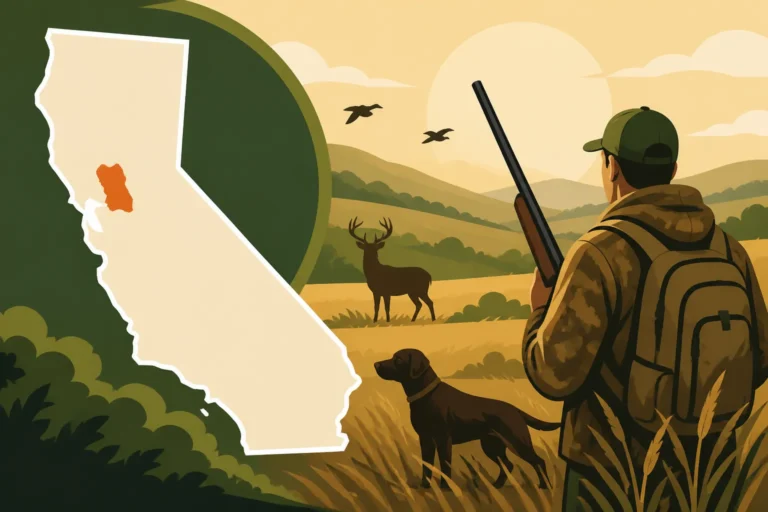
The Coast Range, stretching from Oregon down through much of the state, is classic blacktail country. This region, particularly the Zone A and parts of Zone B and C, is characterized by dense oak woodlands, chaparral, and redwood forests. While public access can be more limited compared to the Sierra or desert, national forests like the Mendocino or Six Rivers, along with some BLM tracts, offer opportunities. Hunting Northern California's Coast Range requires a different approach than open country. Visibility is often limited to short distances, making still-hunting, tracking, and understanding deer movement through thick brush crucial.
The challenges here include extremely dense vegetation, steep, brushy slopes, and often warmer temperatures, especially early in the season. Deer rely heavily on cover, so finding small openings, game trails, and bedding areas within the thick stuff is key. Focus on areas near water sources, especially during dry periods. Rattling and grunting can be effective in these denser environments, as deer often respond to what they perceive as another buck.
Southern California's Desert Fringe and Mule Deer
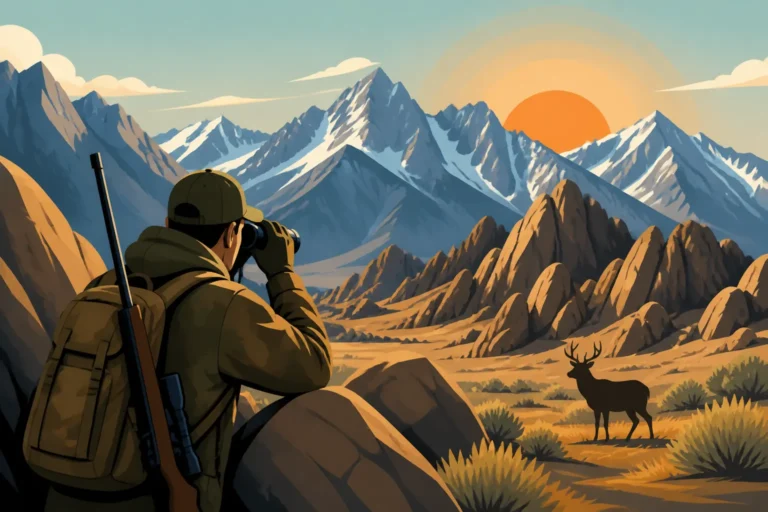
While often overlooked, the desert and its fringes in Southern California offer unique mule deer hunting experiences, primarily on extensive BLM lands. Zones like D16 and parts of D17 and D19 are examples. This is truly big country, vast and open, demanding excellent glassing skills and an ability to hike long distances in arid conditions. Water sources, even small seeps or guzzlers, become magnetic focal points for deer, especially in a dry year.
The biggest challenges are the heat, lack of water, and the sheer scale of the landscape. Deer densities aren't as high as in some other regions, but the bucks that survive in this harsh environment can be impressive. Tactics here involve spending hours behind optics, systematically picking apart mountain ranges and washes. Understanding where deer bed to escape the sun and wind, and where they travel to feed and drink, is critical. For a deeper dive into these unique areas, check out Best Public Ground for Desert Mule Deer. Success often comes to those who are patient, well-prepared, and willing to scout relentlessly for limited sign over vast areas.
Disclaimer
This article is for general informational purposes only and does not constitute professional advice. Laws, prices and regulations vary by location and change over time. Consult a qualified professional for guidance on your specific situation.