Public Ground Near Santa Barbara
For those of us living in or near Santa Barbara, the dream of heading out for a hunt often feels distant, swallowed by the urban sprawl and vast tracts of private land that seem to dominate the landscape. It's a real frustration when you're itching to get into the field but can't pinpoint where public access even begins. This guide is here to cut through that confusion, showing you where to find genuine public hunting opportunities close to Santa Barbara and how to make the most of them.
The Challenge of Finding Public Hunting Land Near Santa Barbara
Let's be honest, trying to find decent public hunting ground when you're in a place like Santa Barbara can feel like searching for a needle in a haystack. The area is beautiful, no doubt, with its stunning coastline and rolling hills, but much of that beauty is either built-up, highly protected, or locked away behind private property lines. It's a unique challenge that hunters in other parts of California, or even other states, might not fully grasp. You're not just looking for "public land"; you're looking for huntable public land that isn't overrun by hikers, mountain bikers, or day-trippers.
Geographical Realities and Urban Sprawl
Santa Barbara's location, nestled between the Pacific Ocean and the steep Santa Ynez Mountains, means that accessible land is inherently limited. To the west, you quickly hit more urban areas or exclusive coastal properties. To the east, the same pattern often holds. The ocean acts as a hard boundary, and the mountains, while wild, are frequently crisscrossed by private ranches or protected areas that don't allow hunting. This leaves narrow corridors and specific zones where hunting is actually a possibility, often requiring a significant drive just to get started. The sheer population density also means that any easily accessible public land tends to see heavy recreational use, which can impact game behavior and hunter solitude. It's a delicate balance, and understanding these geographical realities is the first step to successful hunting here.
Understanding Land Ownership in the Region
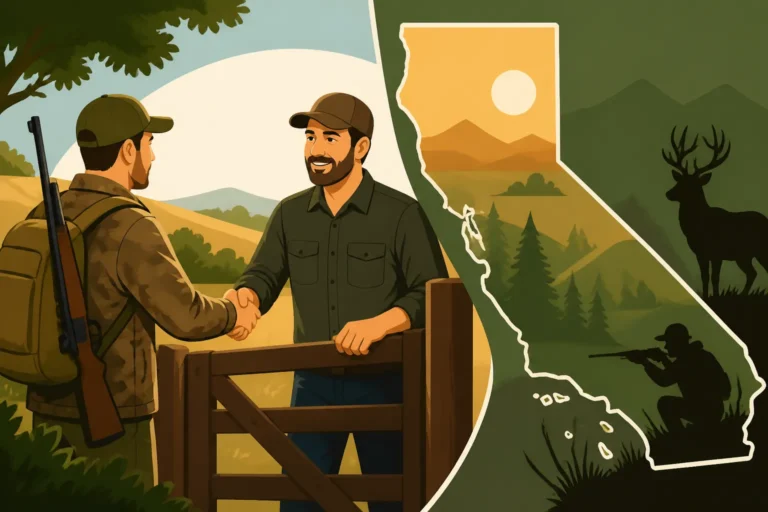
Before you even load up your gear, you absolutely need to know whose land you're on. This isn't just about respecting private property; it's a legal necessity that can save you a world of trouble. Around Santa Barbara, land ownership is a patchwork quilt of federal, state, county, and private parcels. Many of the hills and canyons that look wild and appealing from a distance are actually private ranches, often with high fences and "No Trespassing" signs that are strictly enforced. Even within larger public areas, there can be inholdings—private lands completely surrounded by public land—that require careful navigation. Misunderstanding a boundary line could lead to fines, confiscation of your harvest, or even losing your hunting privileges. It's a headache, but a completely avoidable one with the right tools and preparation. Knowing how to identify these boundaries, especially when you're in the field, is paramount for any ethical and legal hunt. Finding California Property Lines is a crucial skill for any hunter.
Key Public Land Opportunities in the Santa Barbara Vicinity
Despite the challenges, there are indeed places near Santa Barbara where you can pursue your passion. The vast majority of these opportunities lie within the Los Padres National Forest, which is truly the jewel in the crown for public land hunters in this part of the state. Other options are far more limited or require a longer drive, but it's good to be aware of the landscape.
Los Padres National Forest: The Primary Play
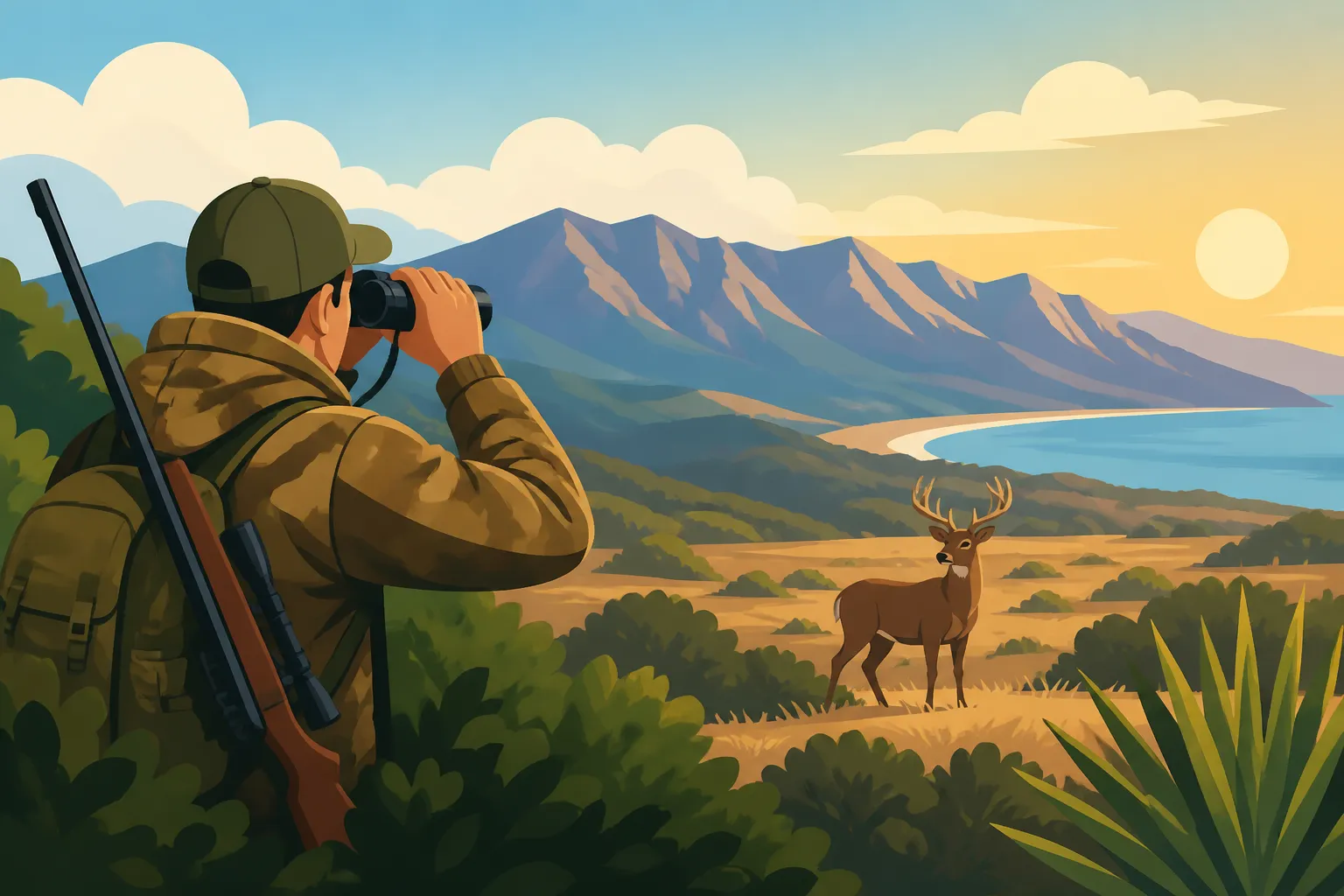
For hunters near Santa Barbara, the Los Padres National Forest is hands-down the most significant and accessible public hunting ground. This massive expanse of federal land stretches for hundreds of miles, encompassing diverse habitats from chaparral-covered hillsides to deep canyons and higher elevation timber. While much of it is rugged and requires serious effort to access, it holds populations of Columbia blacktail deer, wild pigs, bears, and various small game species.
- Access Points and Terrain: Access often means navigating winding forest service roads, some of which may be seasonally closed or require a high-clearance vehicle. Many areas are designated wilderness, meaning foot and horseback are your only options beyond a certain point. This is both a challenge and an opportunity—the deeper you're willing to go, the fewer hunters you'll likely encounter. Areas like the Dick Smith Wilderness or the San Rafael Wilderness offer immense solitude but demand significant physical preparation. You'll often find yourself hunting steep, brushy terrain, so good boots and conditioning are essential. For a deep dive into this particular area, you might want to read Hunting California's Los Padres National Forest.
- Target Species and Seasons: Deer hunting in Los Padres typically falls under the California Zone A season. This can be a hot, dry hunt, often starting with archery in July and transitioning to general season later. Expect blacktail deer, which can be elusive in the thick brush. Wild pigs are also abundant throughout much of the forest, offering a year-round hunting opportunity with a valid pig tag. These can be tough hunts, as pigs move frequently and often prefer dense cover. Small game, such as California quail and rabbits, can also be found in suitable habitats, particularly near water sources or in areas with mixed oak woodlands. Don't forget, California Wild Pig Tag Costs are reasonable, making year-round hog hunting a popular option.
- Preparing for the Conditions: The weather in Los Padres can be extreme, especially during early seasons. Summers are scorching, and water sources can be scarce. Always carry ample water, and know where potential refills might be, assuming they're reliable. The terrain is often steep and covered in dense chaparral, which can make walking incredibly difficult and noisy. Long pants, gaiters, and sturdy boots are a must to protect against thorns and rattlesnakes. When hunting during California Zone A Season Dates, be prepared for warm weather and consider a hot-weather sitting strategy.
Other Federal and State Lands (Limited Options)
While Los Padres is the main event, it's worth noting that other public land categories exist, though their huntability near Santa Barbara is often minimal or non-existent.
- Bureau of Land Management (BLM) Land: While California has significant BLM acreage, much of it is concentrated in the desert regions or further north. Closer to Santa Barbara, BLM parcels are generally smaller and more fragmented, often mixed in with private land. While some hunting might technically be allowed, these scattered parcels often lack the continuous habitat needed for productive big game hunting and can be challenging to access without crossing private land. It's always crucial to verify specific regulations for any given BLM parcel, as rules can vary. However, if you're willing to travel, Hunting California's BLM Desert Land offers different experiences.
- California State Parks and Wildlife Areas: Generally speaking, California State Parks do not allow hunting, with very few exceptions that are usually highly regulated quota hunts. California Department of Fish and Wildlife (CDFW) Wildlife Areas are managed specifically for wildlife and often allow hunting, but the closest significant ones to Santa Barbara, like Carrizo Plain Ecological Reserve, are a substantial drive away and often focus on specific species or have draw-only hunts. Always check the CDFW regulations for specific Wildlife Areas you might be considering, as access and permissible activities can change.
Navigating Regulations and Access for Santa Barbara Hunts
Successfully hunting near Santa Barbara isn't just about finding the land; it's about understanding the unique regulatory landscape and leveraging modern tools to your advantage. California has some of the most stringent hunting laws in the nation, and being prepared is key.
Non-Lead Ammunition and Local Rules
California's statewide non-lead ammunition requirement is a non-negotiable aspect of hunting in the state. This means that for any hunting activity, whether you're chasing deer in Los Padres or quail in the foothills, you must use certified non-lead ammunition. There are no exceptions for specific regions or game types. This law was implemented to protect wildlife, particularly the California condor, from lead poisoning.
- Understanding the Requirement: This isn't just about rifle bullets; it includes shotgun slugs, muzzleloader projectiles, and even small game loads. It's essential to verify that your chosen ammunition is on the CDFW's approved list. The good news is that manufacturers have responded, and excellent non-lead options are widely available, though they often come at a higher cost than traditional lead rounds. You'll need to research Which Non-Lead Bullets California Approves for your specific caliber.
- Implications for Your Gear: If you're new to California hunting or haven't updated your gear, this means a mandatory switch. You'll need to sight in your rifle with non-lead ammunition, as the ballistics can differ from lead-core bullets. It’s also wise to test different brands and bullet weights to find what performs best in your firearm. For archery, the same principles apply to broadheads—while broadheads aren't made of lead, ensure they meet California's legal minimum requirements for cutting diameter and blade count. This is all part of California's Non-Lead Ammunition Requirement.
Utilizing Technology for Public Land Identification
In today's hunting world, digital mapping tools are indispensable, especially in complex land ownership mosaics like those found near Santa Barbara. They transform the frustrating guesswork of identifying public land into a straightforward, visual process.
- Mapping Apps like onX Hunt: Applications such as onX Hunt have revolutionized how hunters scout and navigate public land. They provide detailed satellite imagery overlaid with property boundaries, showing public lands (like National Forests or BLM parcels) clearly delineated from private properties. You can literally see where public land begins and ends, which is invaluable in areas where land ownership changes frequently. These apps also display topographic maps, forest roads, trails, and potential access points. With onX Hunt, you can download maps for offline use, which is critical in remote areas of Los Padres where cell service is non-existent. Layers on these apps can also show you historical fires, wilderness boundaries, and even walk-in access areas. The onX Layers for California Land Status feature is particularly helpful for dissecting complex public/private boundaries.
- GoHunt and Other Scouting Tools: Beyond property lines, services like GoHunt offer comprehensive scouting tools that can provide insights into game migration patterns, habitat types, and even historical harvest data in specific units. While GoHunt might be more tailored to draw-heavy Western states, its mapping capabilities and unit-specific data can still be highly beneficial for understanding the broader ecological picture. These tools allow you to virtually scout areas from your living room, identifying potential bedding areas, water sources, and travel corridors before you ever set foot on the ground. They are a game-changer for maximizing your limited time in the field.
- The Power of Digital Mapping: Gone are the days of relying solely on paper maps, though carrying one as a backup is always a good idea. With a GPS-enabled mapping app on your phone, you can track your movements, mark waypoints for promising sign, and confirm your location relative to public land boundaries in real-time. This technology not only prevents accidental trespassing but also significantly improves your efficiency and confidence in unfamiliar terrain.
| Tool/App | Primary Function | Key Benefit for Santa Barbara Hunters |
|---|---|---|
| onX Hunt | Detailed land ownership and topographical maps | Clearly identifies public/private boundaries, offline map capability |
| GoHunt | Advanced scouting, unit data, draw odds | Provides habitat insights, historical data (though less direct for local CA) |
| CDFW Website | Regulations, harvest reports, season dates | Official source for all legal hunting information and updates |
| Google Earth | Satellite imagery, terrain analysis | Free tool for macro-level scouting, identifying access challenges |
Practical Strategies for Hunting Success in the Region
Finding the land is one thing, but actually succeeding on it, especially in pressured areas near Santa Barbara, requires smart strategies. It’s about being observant, adapting to the environment, and always maintaining ethical standards.
Scouting and Game Species
Successful hunting starts long before opening day, especially in areas with limited access and potentially high pressure. Scouting is your most valuable weapon.
- Deer (Columbia Blacktail): The blacktail deer in this region are often smaller-bodied than their Sierra Nevada cousins, but they are incredibly wily and thrive in dense cover. Focus your scouting efforts on understanding their movement patterns, especially between bedding areas in thick brush and feeding areas like oak woodlands or chaparral with browse. Look for rubs, scrapes, and fresh tracks. Water sources are critical, particularly during the hot early seasons. In August, for example, a water hole can be a gold mine. Remember, the general deer season in Zone A is often hot and dry, making water crucial. Where California Blacktail Bucks Bed is often in the thickest, nastiest stuff you can imagine, making them hard to find.
- Wild Pigs: Wild pigs are prolific in many parts of Los Padres, and they offer a fantastic hunting opportunity. Look for signs of rooting, tracks, and scat, especially near oak trees (acorns are a major food source) or near creeks and springs. Pigs are often crepuscular, active during dawn and dusk, but in hot weather, they might move more at night or spend daylight hours in dense, cool cover. They can be found from the low foothills all the way up into the higher elevations. Hunting Pigs on Central Coast Oak Ranges is a prime example of where and how to find them in this region.
- Small Game: Quail, rabbits, and squirrels are also present and can provide excellent sport. Quail thrive in chaparral and oak woodlands, often near water. Rabbits are found in similar habitats, especially where there's good cover. These hunts can be a great way to introduce new hunters to the field or to simply enjoy a less intense outing. Scouting for small game involves looking for tracks, droppings, and listening for their calls.
- Scouting Smart: Beyond just looking for game sign, use your scouting trips to identify potential access issues, understand prevailing wind patterns, and identify safe shooting lanes. Pay attention to how the land lays, noting saddles, ridges, and draws that deer might use for travel. Walk slowly, observe everything, and use your mapping apps to mark points of interest. Don't be afraid to walk a little further than most to find unpressured pockets. Scouting California Public Land Before Season is invaluable.
Respecting Boundaries and Minimizing Impact
Hunting on public land, especially near populated areas, comes with a heightened responsibility to be a good steward and a respectful hunter. The future of our hunting opportunities depends on it.
- Private Property Lines are Sacred: Even with mapping apps, always err on the side of caution. If there's any doubt about a boundary, stay away or confirm your location. Accidental trespass can lead to negative perceptions of hunters and jeopardize access for everyone. Always assume unposted land is private unless you have explicit knowledge otherwise. California Trespass and Permission Law is clear on this.
- Leave No Trace: Pack out everything you pack in, and then some. This includes shell casings, food wrappers, and any trash you might find. Leaving a clean camp and a pristine hunting area reinforces the idea that hunters are responsible conservationists.
- Mind Your Presence: Be aware of other users on public land. You'll likely encounter hikers, mountain bikers, or equestrians, particularly on trails or in more accessible areas. Be courteous, make your presence known, and always consider their safety. Wear blaze orange or pink (where legal and practical) to enhance your visibility to other users, even if it's not strictly required for your specific hunt. How Much Blaze Orange California Requires can vary, but it's always a good idea for visibility.
- Ethical Hunting: Beyond legal requirements, uphold the highest ethical standards. This means clean kills, responsible game recovery, and proper field care of your harvest. If you're hunting in warmer weather, have a plan for Field Dressing a Deer in Hot Weather to ensure your meat doesn't spoil. Every action we take in the field reflects on the hunting community as a whole.
Hunting near Santa Barbara might present unique challenges, but with careful planning, adherence to regulations, and a commitment to ethical practices, rewarding experiences are absolutely within reach. The vast, rugged beauty of Los Padres National Forest offers incredible opportunities for those willing to put in the effort.
Disclaimer
This article is for general informational purposes only and does not constitute professional advice. Laws, prices and regulations vary by location and change over time. Consult a qualified professional for guidance on your specific situation.