Public Ground Near Susanville
Finding prime public hunting ground can feel like cracking a secret code, especially in less-talked-about regions. If you've been eyeing the areas around Susanville, California, you know the promise of big country is there, but pinpointing where to actually hunt and how to navigate access can be a huge hurdle. This guide is going to walk you through the types of public land near Susanville, what to expect, and how to maximize your chances for a successful hunt in this unique northeastern California landscape.
Understanding the Landscape Around Susanville
Susanville sits nestled in Lassen County, offering a truly different flavor of California hunting compared to the coastal ranges or the deeper Sierra Nevada. This is high desert country mixed with pine forests, sagebrush flats, and volcanic terrain. It's a land of open vistas and dense pockets, often with a significant snowpack in winter. Many hunters find themselves drawn here for the promise of deer, particularly mule deer as you head further east and north, but blacktail influence is still present in some areas. The frustration often comes from the sheer scale of the landscape; what looks like a promising ridge on a map can be miles of featureless sagebrush or private property you can't access.
The terrain around Susanville is heavily influenced by the Modoc Plateau to the north and the transition zone between the Sierra Nevada and the Great Basin. This means you’ll encounter a diverse mix of habitats. On one hand, you have sprawling Bureau of Land Management (BLM) lands characterized by sagebrush, juniper, and volcanic rock formations – classic mule deer country. On the other, vast tracts of national forest, primarily Lassen National Forest and Plumas National Forest, provide denser timber, mountainous terrain, and often good deer habitat, including both migratory corridors and resident herds. Understanding this dual nature is key, as your hunting approach will vary drastically between a sagebrush flat and a Ponderosa pine stand.
Weather plays a massive role in this region. While early seasons can be surprisingly hot and dry, late seasons bring cold temperatures, significant snowfall, and often strong winds. These conditions directly impact animal movement and accessibility for hunters. A road that's easily passable in September might be completely snowed in and impassable by November. This means planning isn't just about where to hunt, but when and with what equipment. Hunters often report frustration with unexpectedly early snowfalls or road closures, cutting their hunts short. Being prepared for rapidly changing weather is non-negotiable here, and knowing about Wind and Thermals in Steep Sierra Country can make or break a hunt.
Water sources are another critical element that dictates game movement, especially during drier periods. Springs, small creeks, and guzzlers on public land can be magnets for deer and other wildlife. However, these can be few and far between on the vast arid lands. Locating these vital water points through diligent scouting or mapping apps becomes paramount to finding game. Hunting a Water Seep at First Light can be a highly effective strategy, but first, you have to know where those seeps are and confirm they are still active.
Navigating Public Access: BLM, National Forests, and Wildlife Areas
The Susanville area offers a wealth of public land opportunities, but understanding the nuances of each land type is crucial for a successful and legal hunt. It’s not just "public land"; there are specific rules and characteristics for Bureau of Land Management (BLM) land, National Forests, and even some state Wildlife Areas. Many hunters get frustrated by unknowingly straying onto private parcels or misinterpreting access roads, wasting valuable hunting time.
Bureau of Land Management (BLM) Lands
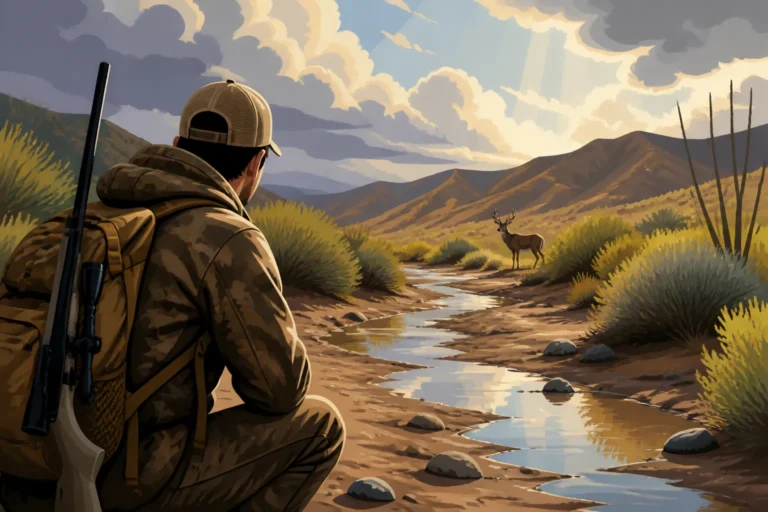
Around Susanville, BLM lands are often characterized by their open, high desert feel. These vast expanses are generally open to dispersed recreation, including hunting, and offer a feeling of true wilderness. However, access can sometimes be tricky. While many roads are open, some might be rough, require high-clearance vehicles, or be seasonally closed. It’s common for private land to checkerboard within BLM sections, creating confusing boundaries that can lead to accidental trespass if you’re not careful. Using mapping tools like onX Hunt is absolutely essential here to ensure you stay on legal ground. This area is great for Hunting a California BLM Desert Wash for Deer if you know where to look for transition zones and bedding cover.
Hunting on BLM ground often involves glassing vast distances, hiking into remote canyons, and focusing on areas with cover, water, or historical deer migration routes. The challenges include the sheer scale, lack of immediate landmarks, and the possibility of encountering other hunters, especially near easily accessible roads. A common frustration is investing hours hiking only to find someone else set up exactly where you planned to be. Look for areas requiring more effort to reach; these often hold less pressured game. Knowing How Far to Walk From a Forest Road can be a huge factor in finding unpressured animals.
National Forests
Lassen National Forest and portions of Plumas National Forest are prominent features in the Susanville vicinity, offering a different hunting experience than the open desert. Here, you'll find denser timber, steeper terrain, and generally more traditional forest hunting. Vehicle access is typically better on established Forest Service roads, though many minor roads and spurs can be gated, unmaintained, or closed seasonally due to snow or fire danger. Always check current road conditions with the local ranger district before heading out, especially if you plan to target Hunting a Late-Opening High-Country Zone.
Hunting in these forests often involves still-hunting through timber, tracking, or finding saddles and transition areas where deer move between bedding and feeding. Still-Hunting California's Sierra Nevada Timber is a classic technique here, requiring patience and a keen eye for subtle sign. The cover is thicker, which can make spotting challenging but also allows for closer encounters. Frustrations can arise from thick brush making quiet movement difficult, or simply the immense size of the forest making it hard to pinpoint game without extensive scouting. Again, using detailed maps from GoHunt or similar services to identify potential bedding areas, travel corridors, and old burn scars can significantly increase your odds. Hunting a National Forest Burn Scar can be a very productive strategy as new forage comes in.
Wildlife Areas and Ecological Reserves
While less prevalent directly around Susanville for big game compared to BLM or National Forest lands, it's worth noting that California does have various Wildlife Areas and Ecological Reserves. These areas are managed by the California Department of Fish and Wildlife (CDFW) and often have specific regulations, including special permit requirements, limited entry periods, or restrictions on weapons or activities. For example, some might be prime Waterfowl Hunting California's Central Valley spots, but not necessarily geared towards deer. Always consult the CDFW regulations for any specific unit you plan to hunt. The rules can be more restrictive than general public lands, and ignorance of these rules is not a defense if you get caught violating them.
| Public Land Type | Primary Habitat | Typical Game Species | Access & Challenges | Recommended Tools |
|---|---|---|---|---|
| BLM Land | High Desert, Sagebrush, Juniper, Volcanic | Mule Deer, Antelope, Rabbit, Coyote | Vast, open, checkerboard private parcels, rough roads, limited water, often hotter | onX Hunt, good binoculars, high-clearance vehicle |
| National Forest | Pine Forest, Mixed Conifer, Mountainous | Mule Deer, Black Bear, Turkey, Grouse, Fox | Extensive road systems (some closed), dense cover, steep terrain, seasonal snow, elevation changes | GoHunt, spotting scope, reliable vehicle, sturdy boots |
| Wildlife Areas | Varied (wetlands, uplands) | Waterfowl, Upland Birds, Small Game (check specific area) | Highly regulated, specific permits, limited entry, often smaller areas, specific seasons | CDFW Regulations, specialized gear (decoys, calls) |
Tools and Tactics for Success in the Susanville Area
Hunting success in the diverse landscapes surrounding Susanville isn't just about showing up; it's about preparation, smart use of modern tools, and applying specific tactics tailored to the environment. Many hunters express frustration when they've spent countless hours in the field without success, often because they haven't effectively used the available resources or adapted their approach.
Advanced Mapping and Scouting
Gone are the days when a paper map and compass were your only friends. While those are still vital backup tools, digital mapping applications like onX Hunt have revolutionized how we approach public land. Near Susanville, where private parcels can be intertwined with public ground, these apps are indispensable for identifying property boundaries in real-time, preventing accidental trespass, and finding entry points. You can pre-scout from home, marking potential water sources, saddles, old logging roads, and escape cover that might hold deer. This is especially useful for Scouting California Public Land Before Season. The ability to review topographical lines and satellite imagery for subtle changes in elevation or cover is a game-changer for this expansive country.
Combine your digital mapping with aerial imagery and topographic maps to truly understand the lay of the land. Look for changes in vegetation, terrain features that funnel game, and areas that offer both food and security cover. Pay close attention to areas that are harder to access, such as deep canyons or distant ridges; these often see less pressure. Don't underestimate the value of physically putting boots on the ground during the off-season to verify what you see on the map, especially to check road conditions or identify recent game sign. Reading Aerial Photos for Sierra Deer can reveal hidden benches and draws.
Glassing and Long-Range Observation
Given the open nature of much of the BLM and higher-elevation National Forest land, effective glassing is a cornerstone of hunting in this region. This isn't necessarily dense timber hunting where you're constantly moving. Instead, find a good vantage point that overlooks a basin, a series of ridges, or a large sagebrush flat. Set up your Tripod Setups for Long Glassing Sessions and spend serious time behind your optics. Quality binoculars (10x or 12x) and a spotting scope are critical for picking apart distant terrain and identifying animals.
Patience is key. Deer, especially mule deer, often bed down for long periods and can be incredibly difficult to spot against the textured backdrop of the high desert or broken timber. Early mornings and late evenings are prime times, but don't overlook mid-day, particularly in cooler weather or if you're watching shaded north-facing slopes. Focus on edges where different habitats meet, and areas with scattered cover where deer might feel secure but still have access to forage. Glassing a Canyon for a Bedded Buck is a skill worth honing, and it pays dividends in this country.
Understanding Game Movement and Pressure
Deer in the Susanville area, like anywhere else, are influenced by food, water, cover, and hunting pressure. During early seasons, they might be found near consistent water sources or higher elevations where temperatures are cooler. Focus on areas that offer Late-Season Food Sources for California Deer as the season progresses. As temperatures drop and potentially snow arrives, food sources like acorns (if present in the pine zones) or specific browse can become critical. The pre-rut and rut periods will see bucks moving more actively, making rattling and grunting effective in some timbered areas.
Pressure from other hunters is a major factor. On public lands, deer quickly learn to avoid roads and easy-to-access areas. They will move into thicker cover, steeper terrain, or onto private land. Your tactic should involve finding areas that offer sanctuary or working the edges of thick cover that other hunters overlook. Consider hunting during weekdays if possible, and be prepared to hike further than most to find less disturbed animals. Using an app like GoHunt can help you understand harvest data and pressure trends, giving you an edge. Finding Ground That Sees Fewer Hunters often requires significant effort but yields better results.
Adapting to Local Wildlife and Seasons
The Susanville area provides opportunities for several game species, but understanding their behavior and the specific regulations for each season is paramount. This isn't a one-size-fits-all hunting destination; your approach for deer will differ vastly from turkey or bear. Many hunters get frustrated by missing out on opportunities simply because they didn't realize the potential or weren't adequately prepared for the specific game or season.
Deer Hunting: Mule Deer and Blacktail Influence
Deer are arguably the most sought-after game in the Susanville vicinity. While you'll encounter predominantly Rocky Mountain Mule Deer as you move north and east, there's a strong influence of Columbia Blacktail in the western and more timbered parts of Lassen and Plumas National Forests. This means deer can exhibit mixed characteristics, making Judging a Blacktail's Fork Versus a Forked Horn an interesting challenge. The general deer season zones in this region often include D-zones, and sometimes X-zones further north, which are highly coveted draw tags. It’s crucial to know Which Zone Covers Your California County and apply accordingly.
Early season deer hunting in these D-zones can be hot and dry, pushing deer to higher elevations or close to reliable water sources. Focus on shaded slopes and canyons, particularly during Hot-Weather Sitting Strategy in August. As temperatures drop and potentially snow arrives, deer will often move to lower elevations, following migration corridors. Late-season hunters might find success tracking deer in fresh snow or ambushing them along these migration routes. The specific D-zones in the region can have varying opening and closing dates, so always double-check your tag.
Black Bear Hunting
California offers a robust black bear season, and the forested areas around Susanville, particularly in the National Forests, can be good for bear hunting. The season is quota-based, meaning it can close early if the statewide quota is met. Spot-and-Stalk California Bear Hunting Before the Quota Closes is the primary method, often involving glassing clear-cuts, burn scars, or berry patches in the late summer and early fall. Bears are omnivores and will be found foraging where food sources are abundant.
Bear hunting requires vigilance and patience. Identifying a legal bear (not a sow with cubs) from a distance can be challenging, and you must be prepared for dense cover. Understanding What Happens When the Bear Quota Fills Early is crucial, so stay updated with the CDFW website. A bear tag is relatively inexpensive, but the season can be short, making preparation key.
Turkey Hunting
The oak woodlands and mixed conifer forests around Susanville can hold good populations of wild turkeys. Both spring and fall seasons offer opportunities, with different regulations. Spring hunting typically focuses on calling to gobblers, while fall hunting allows for taking any turkey (including hens) and often involves breaking up flocks and calling birds back together. Calling a Gobbler Off an Oak Ridge Roost is a classic spring tactic, but you'll need to locate their roosts first.
Turkey hunting requires stealth, good camouflage, and patience. Setting up against a large tree, using decoys, and mastering various calls are all part of the game. Always confirm the specific rules for the California Spring Turkey Permit Rules or California Fall Turkey Permit Rules before heading afield, as bag limits and legal methods can differ significantly between these seasons and weapon types.
Small Game and Predator Hunting
Beyond big game, the Susanville area provides excellent opportunities for small game like rabbits and squirrels, and predators such as coyotes. These hunts can be a great way to extend your time afield, scout for big game, or introduce new hunters to the sport. Coyote Calling California Ranch Land can be very effective in the open sagebrush and scattered timber zones. It's often a year-round opportunity, providing continuous hunting enjoyment.
Small game hunting often has generous seasons and bag limits, providing consistent action. Predator hunting, particularly for coyotes, is open year-round in most areas and can be a thrilling challenge. Always review the specific regulations for small game and furbearers, as some areas might have restrictions on methods or seasons, especially on certain public lands or during specific times of the year.
Disclaimer
This article is for general informational purposes only and does not constitute professional advice. Laws, prices and regulations vary by location and change over time. Consult a qualified professional for guidance on your specific situation.