Public Ground Near Modesto
If you're an avid hunter living in or around Modesto, California, you know the frustration of looking at a map and seeing nothing but green checkerboards of agriculture and sprawling urban areas. It often feels like all the good hunting spots are hours away, deep in the mountains or out in the remote desert. But don't despair! While "close" is a relative term in California, this guide will help you uncover the public hunting lands that are within a reasonable drive, offering opportunities for deer, pigs, small game, and more.
The Quest for Huntable Acres Near Modesto
Let's be real, Modesto isn't exactly a hunting hotspot surrounded by vast tracts of wild public land. For many of us living in the Central Valley, the dream of a quick morning hunt before work is just that – a dream. The reality is that we often have to put in some serious windshield time to reach areas where hunting is permitted and game is present. This doesn't mean it's impossible, it just means we need a different kind of strategy.
The Urban Hunter's Dilemma
The primary challenge for hunters near Modesto is the sheer density of agricultural land and suburban development. The fertile Central Valley is a powerhouse of farming, which means much of the land is privately owned and actively cultivated. When you head east or west, you quickly encounter rolling foothills that transition into mountains, but even there, private ranches and properties are abundant, often intermingling with public land in a confusing patchwork. It’s enough to make you feel like you're constantly running into "No Trespassing" signs or finding yourself in crowded areas.
This feeling of being landlocked from hunting opportunities is a common one for hunters in our region. You might be dreaming of bagging a big buck or chasing wild pigs, but the logistics of finding accessible ground can feel like a hunt in itself. It forces us to be more resourceful, more prepared, and perhaps most importantly, to embrace the journey to our hunting grounds.
Understanding California's Public Land Landscape
California's public lands aren't a single, uniform entity. Instead, they come in several flavors, each with its own rules, opportunities, and challenges. Near Modesto, you'll primarily be looking at a few categories:
- National Forests: These are typically large, contiguous tracts of mountainous or forested land managed by the U.S. Forest Service. They're usually open to hunting unless otherwise posted or within specific wilderness areas with special regulations. The Stanislaus National Forest is the most prominent example within reasonable driving distance.
- Bureau of Land Management (BLM) Land: BLM lands are often more scattered and can range from high desert to rolling foothills. They are generally open to hunting, but identifying legal access points and navigating private land intermingled with BLM parcels requires careful research. You'll find these primarily in the eastern foothills and further west.
- California Department of Fish and Wildlife (CDFW) Wildlife Areas and Ecological Reserves: These are managed specifically for wildlife and habitat, and many offer hunting opportunities, though often under specific regulations, such as sign-in procedures, special permits, or lottery draws. They can be fantastic spots for waterfowl, upland birds, and sometimes deer or pigs, but they require a close look at the individual area's rules. California Wildlife Areas and Ecological Reserves
Understanding which type of land you're on, and the specific regulations that apply to it, is paramount. This isn't like hunting in states where massive state forests are just "open." California demands a bit more homework, but the rewards are definitely there for those willing to put in the effort.
Top Public Land Destinations Within Driving Distance
While you might not have a deer stand a mile from your Modesto doorstep, there are some fantastic public land options available if you're willing to dedicate a few hours to travel. These areas offer diverse hunting experiences and a chance to escape the urban sprawl.
Stanislaus National Forest: Your Sierra Gateway
For many Modesto-based hunters, the Stanislaus National Forest is the go-to public land destination. It's relatively close, typically a 1.5 to 2.5-hour drive depending on where you're headed within its vast expanse. This national forest stretches across the western slope of the Sierra Nevada, offering everything from oak-studded foothills to dense conifer forests and high-elevation alpine zones.
The Stanislaus National Forest falls largely within California's D5 and D6 deer zones, making it a prime location for blacktail deer hunting. You'll find a mix of Columbia blacktails and some mule deer influence as you head higher in elevation and further east. The terrain here can be steep and rugged, which is both a challenge and an advantage. Those willing to hike away from roads and popular trailheads often find unpressured pockets of game. Beyond deer, the forest also holds black bear, which are spot-and-stalk opportunities during their season, and wild pigs can occasionally be found in the lower, oak-rich elevations, though they tend to be more transient here than in other parts of the state.
Access is generally good via Forest Service roads, though many of these can be rough, requiring a high-clearance vehicle. Camping is often allowed throughout the forest, offering a great base camp for multi-day hunts. Remember to always check current fire restrictions, as these can severely impact access and hunting during dry summer and fall months. Hunting California's Sierra Nevada Backcountry is an excellent resource for deeper dives into this terrain.
Navigating Scattered BLM Parcels
While not as vast and contiguous as the national forests, the Bureau of Land Management (BLM) manages numerous smaller parcels of public land in the foothills and plains surrounding the Central Valley. These often appear as islands of public access amidst private holdings. While they might not hold the same trophy potential as the high Sierra, they can offer excellent opportunities for small game, coyotes, and sometimes wild pigs if you do your homework.
The key to hunting BLM land near Modesto is meticulous scouting and utilizing mapping technology. Many of these parcels are accessible by dirt roads or even just footpaths, but some might be landlocked by private property without legal access. You'll need to use tools like onX Hunt to clearly identify public property boundaries and verify legal access routes. Often, these BLM areas consist of rolling hills, chaparral, and oak woodlands. They might not hold large concentrations of big game, but the less obvious spots can sometimes surprise you with a lone boar or a covey of quail.
Don't overlook these smaller, less-advertised BLM areas. They often see less pressure than the big national forests simply because they require more effort to locate and navigate. For an in-depth understanding of how to find and hunt these, check out Hunting California's BLM Desert Land – many of the same principles apply even if the terrain differs.
Wildlife Areas and Their Unique Opportunities
The California Department of Fish and Wildlife (CDFW) manages numerous Wildlife Areas and Ecological Reserves, many of which are specifically geared towards waterfowl and upland bird hunting. While not always a fit for big game, some do offer specific deer or pig hunts, often through a draw system. For Modesto hunters, several wildlife areas within a 1-2 hour drive are worth investigating, particularly for birds.
For example, areas in the Sacramento and San Joaquin Valleys like Los Banos Wildlife Area or San Luis National Wildlife Refuge are renowned for waterfowl hunting, offering blinds, wade-in areas, and impressive flights of ducks and geese during the season. These usually require a reservation or daily lottery system, which means planning ahead. For upland game like pheasants or quail, some reserves might offer designated hunting days or zones.
The benefit of these areas is focused management for game species, which can lead to higher concentrations of birds. The downside is often significant hunter pressure and the need to navigate complex regulations and draw systems. Always check the specific CDFW regulations for each individual wildlife area you plan to visit, as rules can vary greatly.
| Public Land Type | Primary Game Species (Common) | Accessibility & Terrain | Primary Challenges | Best For |
|---|---|---|---|---|
| National Forests | Deer, Bear, Small Game, occasional Pigs | Mountainous, forested, some rough roads | Steep terrain, pressure near roads, fire restrictions | Multi-day big game hunts, backcountry experience |
| BLM Lands (Foothills) | Small Game, Coyotes, occasional Pigs/Deer | Rolling hills, chaparral, scattered parcels | Identifying access, private land intermingling, limited services | Day hunts, exploring new ground, predator calling |
| CDFW Wildlife Areas | Waterfowl, Upland Birds, specific Deer/Pigs (draw) | Flat, marshy, agricultural fringe, managed habitat | High pressure, draw systems, strict regulations | Bird hunting, regulated big game draws |
Strategies and Tools for Effective Scouting and Hunting
Finding public land near Modesto is only half the battle. To be successful, you need to employ smart strategies and leverage modern tools that help you understand the landscape and anticipate game movement. It’s all about working smarter, not just harder.
Digital Mapping: Your Essential Companion
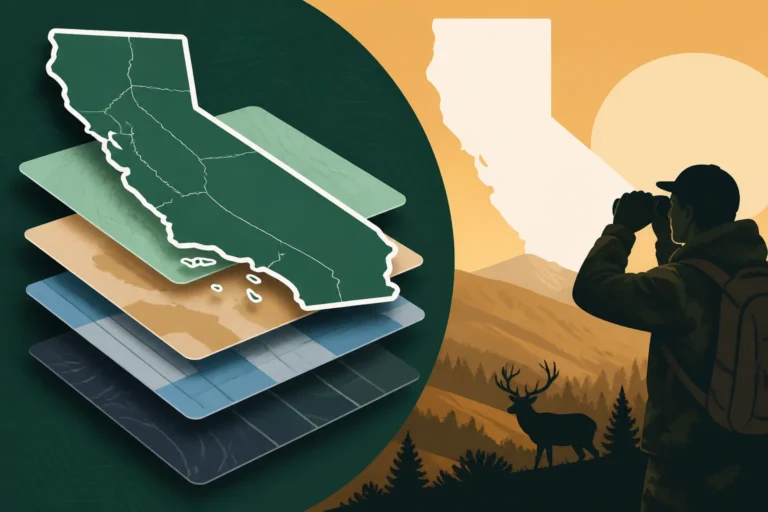
Forget deciphering old paper maps in your truck cab. Today's digital mapping applications are absolutely essential for hunting California's public lands, especially those scattered BLM parcels or the vastness of the national forests. Tools like onX Hunt and GoHunt are invaluable for identifying public and private land boundaries with incredible accuracy.
With onX Hunt, for instance, you can see property ownership lines right on your phone or tablet, helping you avoid trespass issues and confidently identify huntable public ground. You can overlay various layers showing roads, trails, wilderness boundaries, and even historical burn scars, which are often magnets for deer. This allows you to scout potential hunting spots from home, marking waypoints for promising ridges, water sources, or bedding areas. Using an App for California BLM Land Status is a must-read if you’re not already using these tools. Similarly, GoHunt provides detailed maps and information that can give you a significant edge, particularly when researching specific zones and historical harvest data. These apps save countless hours of guessing and can often reveal hidden pockets of public land that might otherwise go unnoticed. onX Layers for California Land Status will help you get the most out of these powerful features.
Beyond the Map: Boots-on-the-Ground Recon
While digital maps are phenomenal for pre-scouting, nothing beats putting boots on the ground. A satellite image can show you a promising funnel or a thick bedding area, but only a physical visit will tell you if there are fresh tracks, rubs, scrapes, or droppings. Scouting before the season opens is crucial for understanding current game patterns, finding water sources, and identifying natural travel corridors.
For areas like the Stanislaus National Forest, this might mean hiking deep into canyons or climbing steep ridges to locate remote basins where deer feel secure. For smaller BLM parcels, it could involve walking fencelines to see where game crosses from private to public land, or investigating creek bottoms for signs of wild pigs. Pay attention to food sources – oak trees for acorns, berry bushes, or fresh browse. Look for areas with good cover that offer bedding sites close to feeding or watering areas. Don't just drive past; pull over and walk. Even a short walk can reveal game sign you'd never spot from the road. Scouting California Public Land Before Season offers fantastic advice on this critical step.
Escaping the Pressure: Go Further, Hunt Smarter
Public land near Modesto, especially the more accessible areas, will inevitably see hunting pressure. The key to success is often to find ground that other hunters overlook or are unwilling to reach. This usually means hiking further, climbing higher, or navigating through dense brush.
Consider these strategies:
- Embrace the Hike-In: Don't stop at the first trailhead. If you can walk an extra mile or two, you'll often leave 90% of the other hunters behind. This might mean carrying a heavier pack, but the solitude and increased game encounters are often worth it. How Far to Walk From a Forest Road
- Hunt the "Ugly" Spots: Look for areas that seem less appealing – dense, thorny chaparral, steep slopes, or areas that look like a tangled mess. Deer and pigs often seek refuge in these thickets where humans are less likely to venture.
- Hunt Mid-Week: If your schedule allows, hunting on a Tuesday or Wednesday can make a huge difference in encountering less pressure compared to opening weekend or Saturdays.
- Observe and Adapt: Pay attention to where other hunters are parking, hiking, and driving. Use that information to find alternative access points or push into areas they aren't hitting. Sometimes, just a slight shift in your approach can put you in front of undisturbed game.
Species and Seasons for Modesto-Area Hunters
Once you've got your maps and strategies dialed in, it's time to think about what you'll be pursuing. The Modesto area, despite its urban setting, offers a surprising variety of game species within a reasonable drive, each with its own seasons and challenges.
Deer Hunting: D-Zones Are Your Main Event
For deer hunters near Modesto, the focus will largely be on the general D-zones, primarily D5 and D6, which cover the Stanislaus National Forest and surrounding foothills. These zones typically host Columbia blacktail deer, and as you push eastward into the higher Sierras, you might find some mule deer influence or hybrid animals.
California's deer season system can seem complex with its many zones, but for Modesto residents, understanding your D-zone tag is key. California's Multi-Zone Deer Season System explains this in detail. These zones usually have later openers than the coastal A and B zones, often starting in late September or early October, and extending into November. This means you’ll be hunting during cooler weather, which is often more pleasant for both hunter and game. The challenges in these zones include hunting pressured deer, navigating steep and thick terrain, and managing deer that often use private land as a refuge. Scouting is crucial to find those pockets of public land where deer are moving between bedding and feeding areas. Understanding the behavior of Columbia Blacktail and Mule Deer in California will be essential for success.
The Ever-Present Wild Pig
California's wild pig population is robust in many areas, and within a few hours of Modesto, you can find excellent opportunities for year-round hunting. Wild pigs can be found in the oak woodlands of the Stanislaus National Forest foothills, as well as in various private land holdings and scattered public parcels further west towards the coast.
The great thing about wild pigs is their lack of a closed season and generous bag limits in many areas (always check local regulations, as rules can vary). This makes them a fantastic animal to pursue when deer season is closed. Pigs thrive in areas with good cover, water, and food sources like acorns, roots, and grasses. Hunting them often involves spot-and-stalk tactics in open oak country or still-hunting through thicker brush where they might be bedded. Patience and a good sense of wind direction are crucial, as pigs have an incredible sense of smell. Be sure to purchase your California's Year-Round Wild Pig Tag before heading out. While Modesto isn't directly on the Central Coast, the strategies discussed in Hunting Pigs on Central Coast Oak Ranges are highly applicable to the oak woodlands you'll find closer to home.
Small Game and Predators: Accessible Action
Sometimes, the best hunting opportunity isn't a trophy buck, but simply getting out into the field with a shotgun or a predator call. For Modesto-area hunters, small game and predators offer more accessible and less pressured options, often found closer to home or on smaller public parcels.
- California Valley Quail: These energetic birds are abundant in the oak woodlands and chaparral of the foothills. They offer fast-paced wing shooting and can be found on many of the same public lands you'd hunt for deer or pigs.
- Rabbits and Squirrels: Cottontail rabbits and various squirrel species are present in many of the same foothill and forest habitats. They provide an excellent way to hone your stalking skills and fill the freezer with delicious wild game.
- Coyotes: These intelligent predators are found almost everywhere, from the agricultural fields surrounding Modesto to the deepest parts of the national forest. Predator calling can be an exciting, year-round pursuit, and helps keep local game populations in check.
Many of these species require less specialized gear and can be hunted on smaller, more fragmented pieces of public land that might not hold big game. It's a fantastic way to enjoy the outdoors, practice your hunting skills, and put some meat on the table. For more detailed information on pursuing these species, check out Small Game and Predator Hunting in California. You might even find opportunities for Spring Turkey Hunting in California in some of the same oak-wooded foothills you're already exploring.
Finding public hunting ground near Modesto might require a bit more effort and travel than in some other regions, but the opportunities are absolutely there. With the right tools, a dedicated scouting plan, and a willingness to explore, you can absolutely find success in the diverse landscapes that surround the Central Valley. Happy hunting!
Disclaimer
This article is for general informational purposes only and does not constitute professional advice. Laws, prices and regulations vary by location and change over time. Consult a qualified professional for guidance on your specific situation.