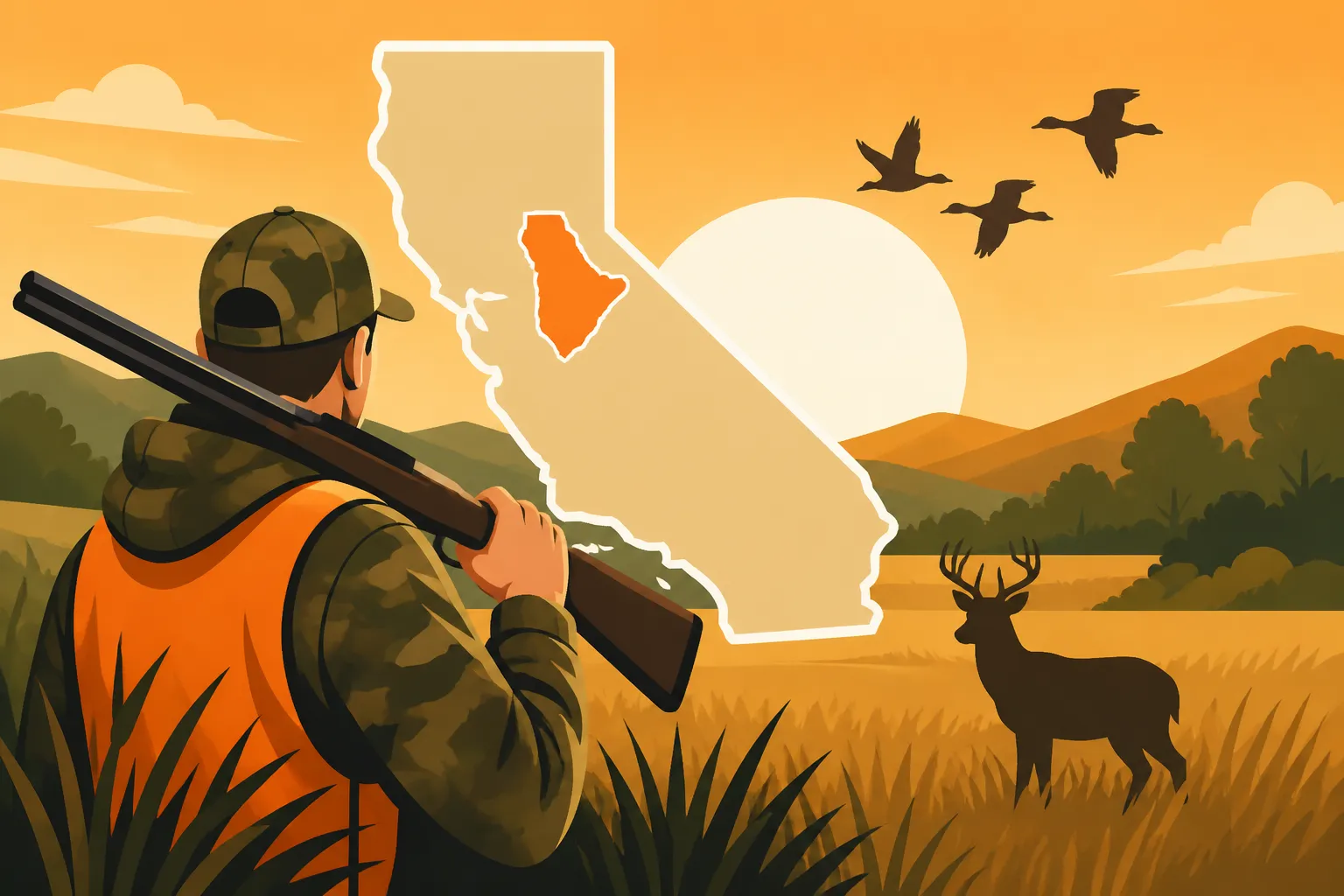
Sutter County Public Hunting Ground
Hunting in California can often feel like an uphill battle, especially when you’re looking at counties dominated by agriculture and private land. Many hunters feel frustrated and discouraged, believing there are no public access opportunities left, particularly in places like Sutter County, which is renowned for its rich farmlands and orchard rows. But don't despair! This comprehensive guide will peel back the layers of Sutter County's landscape, revealing the surprisingly productive public hunting grounds that exist and equipping you with the knowledge to make the most of your time afield.
Understanding Sutter County's Unique Landscape for Hunters
Sutter County, located in the heart of the Sacramento Valley, is a prime example of California's agricultural prowess. Miles of rice fields, nut orchards, and other row crops dominate the landscape, making it a breadbasket for the state. While this abundance is fantastic for food production, it often leaves public land hunters scratching their heads, wondering where they can actually go to pursue game. The truth is, hunting here requires a different mindset than, say, venturing into the vast national forests of the Sierra. It’s less about endless wilderness and more about targeting specific, often linear, corridors that provide refuge for wildlife amidst the agricultural expanse.
The Agricultural Dominance and Limited Public Land
The sheer scale of private agricultural land in Sutter County is the first thing any prospective hunter needs to understand. When you look at an aerial map, you'll see a patchwork quilt of privately owned fields, often with very little public access. This can be incredibly disheartening, making it seem like the only hunting opportunities are on expensive leases or through personal connections with landowners. It’s a common frustration, feeling penned in by "No Trespassing" signs and fences. However, this dominance also creates unique conditions. The vast food sources attract and hold game animals, especially migratory birds and adaptable species like wild pigs and deer, which then utilize the precious ribbons of public land that do exist.
The challenge lies in identifying these pockets of public ground and understanding how game animals interact with the surrounding private property. Deer might bed down in a thick riparian zone on public land during the day, only to slip into an alfalfa field on private property at night. Waterfowl, of course, are drawn to the flooded rice fields, many of which are private, but they often stage or feed in adjacent public refuges. Success here often hinges on meticulous scouting and a deep understanding of game movement patterns, rather than just blindly wandering into the woods.
River Systems and Riparian Corridors
Amidst the fields, the lifelines of Sutter County's public hunting opportunities are its river systems. The Sacramento River forms a significant portion of the county's western boundary, while the Feather River carves its way through the eastern side, eventually joining the Sacramento. These rivers, along with their tributaries and associated floodplains, create vital riparian corridors – strips of forest and dense brush that hug the waterways.
These riparian habitats are ecological goldmines. They provide food, water, and crucially, cover for a variety of game species that simply cannot thrive in open agricultural fields. You'll find mature oak trees, willows, cottonwoods, and a dense understory of blackberry brambles and other vegetation. This is where you're most likely to encounter Columbia blacktail deer, wild pigs, and healthy populations of turkeys and upland birds. These corridors act as natural highways and sanctuaries for wildlife, often becoming the only accessible cover for miles around. Learning to "read" these river systems, identifying pinch points, bedding areas, and travel routes, is paramount to success in Sutter County. Even relatively small, linear strips of public riparian land can hold a surprising amount of game if you're willing to put in the effort to find them and hunt them smart.
Key Public Hunting Areas in Sutter County
While Sutter County might not boast expansive national forests, it offers a handful of incredibly productive public hunting areas, primarily managed for waterfowl and other migratory birds, but also providing surprising opportunities for big game and upland species. Each of these areas comes with its own set of rules, habitat types, and challenges, but with the right approach, they can offer fantastic hunting experiences.
Sutter National Wildlife Refuge
The Sutter National Wildlife Refuge is arguably the crown jewel of public hunting in Sutter County, especially if you're a waterfowl enthusiast. Nestled right in the heart of the Sacramento Valley, this refuge is part of the larger National Wildlife Refuge System and plays a critical role in providing wintering habitat for millions of migratory birds along the Pacific Flyway. When those ducks and geese start flying south, a significant portion of them end up right here.
Hunting at Sutter NWR is primarily focused on ducks and geese, and it operates under a highly regulated system. Typically, hunters need to apply for a reservation through a draw system, often weeks or months in advance, though walk-in opportunities can sometimes be available for unfilled spots. This means you can't just show up and expect to hunt; planning is key. The habitat consists of managed wetlands, flooded fields, and some riparian edges. Decoying ducks on flooded rice ground here can be incredibly productive on a good flight day. Be prepared for crowds, especially on popular weekends, and be sure to familiarize yourself with all the specific regulations regarding blind placement, shooting hours, and, of course, the statewide non-lead ammunition requirement. It's a truly special place, but it demands respect for its rules and its role in conservation.
Feather River Wildlife Area
Stretching along various sections of the Feather River, this wildlife area offers a more diverse set of hunting opportunities beyond just waterfowl. While some units do cater to migratory birds, the Feather River Wildlife Area is a fantastic spot for those looking to pursue deer, wild pigs, and wild turkeys. It's an often-overlooked gem, particularly for its riparian habitat that provides excellent cover and forage.
The area is broken into several non-contiguous units, so mapping out your intended hunting zone is crucial. You'll find dense thickets, mature cottonwood groves, willow stands, and even some scattered oak woodlands. These areas are magnets for Columbia blacktail deer, especially during the archery and general seasons. You might even find yourself calling a gobbler in oak woodland during the spring or fall turkey seasons. Wild pigs are also present, utilizing the river bottom for cover and rooting for food, providing opportunities for Wild Pig Hunting California Year-Round. Access points can vary, from established parking lots to less obvious turnouts, so always do your homework. Regulations here are often specific to each unit and can include requirements for checking in and out, or special equipment rules. It's a rugged, brushy environment in many places, so be prepared for some serious bushwhacking, but the rewards can be well worth the effort.
Sacramento River National Wildlife Refuge Complex
While the primary units of the Sacramento River National Wildlife Refuge Complex are spread across several counties north of Sutter, some associated lands or nearby public opportunities can sometimes fall within or be easily accessible from Sutter County. This complex, like Sutter NWR, is primarily managed for waterfowl and other migratory birds, providing crucial habitat along the Sacramento River corridor.
If you're hunting in the western portions of Sutter County, especially near the Sacramento River, it’s always worth checking the CDFW and USFWS websites for any units or public access points that might be part of this broader complex. The hunting experience is similar to Sutter NWR: managed wetlands, flooded agricultural fields, and riparian zones, with a strong focus on waterfowl. While less likely to hold consistent big game populations compared to the Feather River WA, the occasional deer or pig might utilize the dense riverine cover. Again, strict adherence to reservation systems, non-lead ammunition laws, and specific unit regulations is absolutely essential. Always verify which units are open for hunting and what species are permitted before you plan your trip.
Navigating Access and Regulations in Sutter County
Hunting in Sutter County's public areas isn't just about knowing where to go; it's about understanding how to go. The fragmented nature of public land here, nestled among vast private holdings, makes navigation and strict adherence to regulations absolutely paramount. You don't want to inadvertently trespass or fall afoul of local rules, which can quickly ruin a hunt and damage the reputation of all hunters.
Leveraging Mapping Tools for Public Land Boundaries
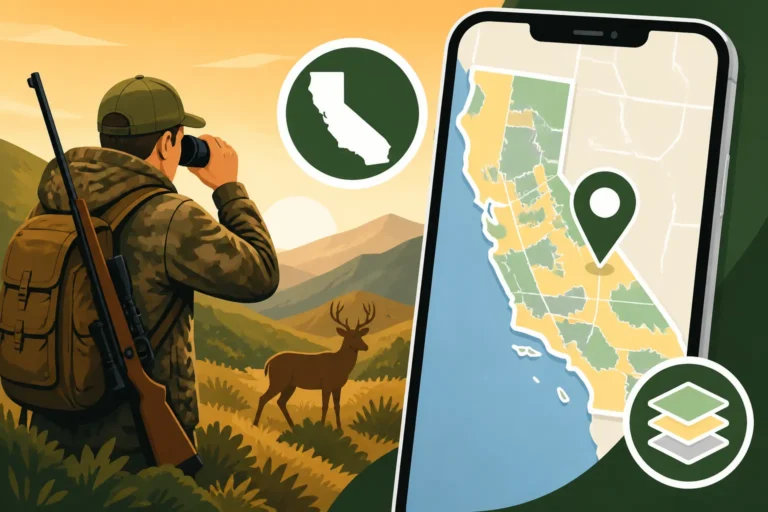
In a county like Sutter, where public and private boundaries can be a jigsaw puzzle, a reliable mapping tool isn't just a convenience; it's a necessity. Digital mapping applications, such as onX Hunt, have revolutionized how hunters navigate these complex landscapes. Gone are the days of relying solely on paper maps that might be outdated or lack the granular detail needed to distinguish a thin strip of public riparian habitat from an adjacent private orchard.
These apps allow you to view public and private land ownership layers directly on your phone, overlaid on satellite imagery and topographic maps. You can see property lines, landowner names, and clearly identify where you can legally hunt. For a hunter in Sutter County, this is invaluable for Finding California Property Lines and ensuring you don't inadvertently cross onto private land. You can mark waypoints, track your movement, and even download maps for offline use, which is critical in areas with spotty cell service. Before you even step foot in the field, use these tools to identify access points, potential pinch points where game might travel between public and private land, and possible parking areas. It literally puts a surveyor in your pocket, empowering you to hunt confidently and legally.
Understanding CDFW Regulations and Area-Specific Rules
California's hunting regulations can be dense, and nowhere is it more critical to be intimately familiar with them than when hunting in specific wildlife areas or refuges. Each of the public hunting grounds in Sutter County will have its own set of rules that overlay the general statewide hunting regulations. These often pertain to weapon types, shooting hours, check-in/check-out procedures, blind requirements, and even specific non-lead ammunition specifications.
It's not enough to just know the general season dates for your chosen species; you must consult the California Department of Fish and Wildlife (CDFW) regulations booklet or their website for the specific public land unit you intend to hunt. For instance, the regulations for hunting waterfowl at Sutter NWR will be vastly different from hunting deer or pigs at the Feather River Wildlife Area. You'll need to be aware of California's Non-Lead Ammunition Requirement which is mandatory statewide for hunting with firearms, and in many public areas, it applies to archery as well in certain contexts. Additionally, many areas require hunters to report their harvest, sometimes even for small game, and failure to do so can result in penalties. Always carry a copy of the regulations for your specific area, whether physical or digital, and make it a habit to check for any in-season updates or emergency closures before each hunt.
Scouting and Preparation
Success in Sutter County’s public hunting grounds often boils down to diligent scouting and thorough preparation. You can't just roll up on opening day and expect to find game, especially with the localized and often pressured nature of these spots. Pre-season scouting, both in person and from your couch, is absolutely essential.
Start with aerial photos and topographic maps on your mapping app to identify potential bedding areas, travel corridors, and water sources within public parcels. Look for subtle changes in vegetation, old logging roads, or natural funnels that might concentrate game movement. If you're targeting waterfowl, pay close attention to water levels, agricultural crop rotations on adjacent private lands, and recent flight reports. Tools like GoHunt can be useful for broader hunting intelligence, understanding game behavior, and researching unit types, even if its primary focus is big game draws in other Western states. For Sutter, you might use it to study general habitat types or deer patterns in similar riparian zones. When you get boots on the ground, look for fresh sign: tracks, scat, rubs, and scrapes for deer and pigs, or feeding activity for turkeys. Understand that hunting pressure can shift game patterns, so having a few alternative spots scouted out is always a good idea. Knowing entry routes through a Sierra foothill meadow can translate to knowing how to slip into a river bottom thicket, minimizing disturbance. Being prepared also means having the right gear, from sturdy boots for slogging through muddy fields to appropriate layering for fluctuating Central Valley temperatures.
Species and Seasons for Sutter County Hunters
Sutter County offers a diverse, albeit specialized, range of hunting opportunities across different seasons. While waterfowl undoubtedly reigns supreme, dedicated hunters can also find success pursuing upland birds, wild turkeys, and even deer and wild pigs in the right locations and with the right strategy. Understanding what you can hunt and when is the first step to planning a successful outing.
Waterfowl: The Primary Attraction
Without a doubt, waterfowl hunting is the undisputed king in Sutter County. The county's location within the Pacific Flyway, combined with its vast agricultural lands (especially flooded rice fields), creates a magnet for ducks and geese. Millions of birds migrate through or winter in the Central Valley, and Sutter County’s refuges and wildlife areas are critical havens for them. This means fantastic opportunities for hunters willing to brave the early mornings and often challenging conditions.
You can expect to encounter a wide variety of ducks, including mallards, pintails, wigeons, gadwalls, and teal, along with various species of geese like specklebellies (white-fronted geese) and snow geese. The strategies here typically involve decoying ducks on flooded rice ground, often from layout blinds or permanent blinds within the refuges. Pass-shooting geese on California's Sacramento Refuges is another popular tactic. Peak migration timing can vary year to year, but generally, late fall through winter sees the highest concentrations of birds. Mastering your calling, understanding decoy placement, and having patience are key to success. Don't forget your California Duck and Goose Bag Limits and all the necessary stamps and certifications!
Upland Game: Turkeys, Pheasants, and Quail
While not as widely known for upland game as some other parts of California, Sutter County offers surprising opportunities for wild turkeys and, to a lesser extent, pheasants and quail, particularly along the river corridors and in transitional habitats. These hunts often require more legwork and a keen eye, but they can provide a rewarding break from big game or waterfowl seasons.
Wild turkeys have successfully established themselves in the riparian woodlands along the Sacramento and Feather Rivers. The dense cover and access to water and food sources make these areas ideal. Spring turkey hunting is popular, often involving setting up against a big valley oak and calling a gobbler off an oak ridge roost at first light. Fall archery-only turkey hunting is also an option for those who prefer stick and string. For pheasants, you'll need to seek out areas with a mix of dense cover (like cattails or blackberry brambles) adjacent to grain fields, though public access for pheasants can be limited to specific managed hunt areas or the fringes of wildlife refuges. California Valley Quail can be found in the brushier edges of the riparian zones, especially where there's a mix of oaks and chaparral. Quail Hunting California Foothill Chaparral tactics can easily be adapted here, focusing on working dense cover. These hunts are often about covering ground, flushing birds, and being quick on the draw.
Deer and Wild Pigs: Opportunistic Hunts
For big game hunters, Sutter County might not be your first thought, but it certainly holds opportunistic hunts for Columbia blacktail deer and wild pigs. These animals are incredibly adaptable and thrive in the dense cover provided by the river systems, often slipping onto adjacent private agricultural lands under the cover of darkness.
Deer hunting in Sutter County falls primarily under California's Zone A Archery Season Opener or general season tags, depending on the specific location and access. While you won't find the large herds of the high Sierra, the riparian zones of the Feather and Sacramento Rivers provide excellent habitat. Deer here are often more solitary and rely heavily on the dense cover for security. Still-hunting California's Sierra Nevada timber techniques can be adapted for working the thick river bottom, moving slowly and deliberately. Where California Blacktail Bucks Bed is often in these impenetrable thickets, requiring patience and quiet movement. Wild pigs are another adaptable species found in these river systems. With no closed season and often generous bag limits, Hunting Pigs Without a Closed Season offers a year-round challenge. Pigs will root in the soft soils of the river bottoms, feeding on acorns, roots, and agricultural runoff. Both deer and pig hunting in Sutter County’s public lands demand persistence, stealth, and a willingness to explore overlooked pockets of habitat.
| Public Hunting Area | Primary Game Species | Season Type (Typical) | Key Challenges |
|---|---|---|---|
| Sutter National Wildlife Refuge | Ducks, Geese | Draw / Reservation | Crowds, specific regulations, limited access |
| Feather River Wildlife Area | Deer, Pigs, Turkeys, Upland | General | Dense cover, scattered units, private land proximity |
| Sacramento River NWR (portions) | Ducks, Geese, some upland | Reservation / Draw | Unit-specific rules, access variability |
Remember, while these opportunities exist, they often require more effort, research, and respect for regulations than hunting in more expansive wilderness areas. But for the dedicated California hunter, Sutter County offers unique and rewarding experiences right in the heart of the agricultural valley.
Disclaimer
This article is for general informational purposes only and does not constitute professional advice. Laws, prices and regulations vary by location and change over time. Consult a qualified professional for guidance on your specific situation.