Butte County Public Land for Deer
Finding decent deer hunting on public land in California can feel like searching for a needle in a haystack, especially when you're looking at a specific area like Butte County with its diverse landscapes. Many hunters get frustrated trying to decipher maps and regulations, wondering if there's even enough accessible ground to make a trip worthwhile. This guide is going to walk you through the ins and outs of public land deer hunting in Butte County, helping you identify promising areas, understand the local deer, and approach your hunt with a solid plan.
Understanding Butte County's Deer Habitat and Zones
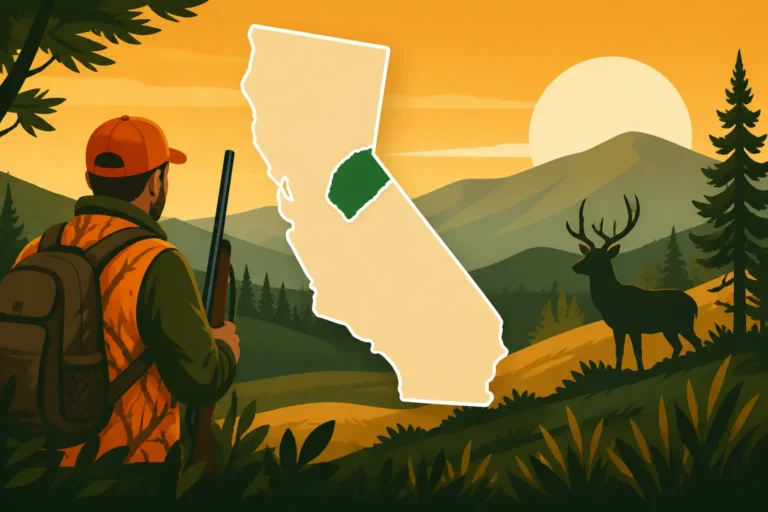
Butte County, in Northern California, offers a really interesting blend of habitats that cater to deer, though it presents unique challenges for hunters. You've got everything from the agricultural valley floors to the rolling oak woodlands of the foothills and, finally, the steep, timbered slopes of the Sierra Nevada mountains to the east. This variation means that how you hunt and what you expect to find changes dramatically depending on where you are in the county. Most of Butte County falls within the D3, D4, and D5 deer hunting zones, with D5 covering the bulk of the eastern mountainous areas.
The D-Zone System in Butte County
California's D-zones are generally considered general deer hunting areas, often with higher tag quotas than the coveted X-zones, but that doesn't mean the hunting is easy. In Butte County, specifically, you're primarily dealing with D3, D4, and D5 tags. These zones dictate your season dates and the areas where you can legally hunt. For instance, the D5 zone, which encompasses much of the eastern, higher elevation public land in Butte, has different opener and closer dates than, say, a more westerly D3 or D4 area. It's crucial to check the current regulations for the specific D-zone your tag is for, as these details can change. Many hunters apply for D-zone tags because they're often over-the-counter or have better draw odds than the premium X-zones, making them a more accessible option for those looking to get out into the field. Understanding Why California's Zones Open on Different Dates can give you a better grasp of the CDFW's management strategies.
The deer found here are primarily California blacktail, especially in the western and central parts of the county, transitioning to hybrid blacktail-mule deer in the higher, eastern elevations, which share characteristics of both subspecies. These deer are adept at navigating the varied terrain, often moving between different elevations as seasons change and food sources dictate. During the early season, you might find them higher up, enjoying cooler temperatures and fresh browse, while later in the fall, they'll often move down towards the foothills in search of acorns and more moderate weather.
Key Deer Habitats in the County
Butte County's deer utilize several distinct habitats. The oak woodlands in the foothills are classic blacktail country, offering plenty of cover, water, and crucially, acorns in the fall. If you're hunting during an acorn crop year, these areas can be absolutely teeming with deer. However, the thick brush and visibility challenges mean you'll need to employ different tactics than in more open terrain. For instance, still-hunting through the timber or focusing on travel corridors between feeding and bedding areas becomes paramount.
As you climb higher into the Sierra Nevada, the landscape shifts to mixed conifer forests, burn scars, and steep canyons. These areas offer different challenges and rewards. Deer here might be more widely dispersed but can offer opportunities for glassing long distances. Burn scars, for example, often sprout new, nutritious growth in the years following a fire, creating magnets for deer looking for fresh forage. However, traversing these areas can be incredibly demanding physically, requiring good boots and solid navigation skills. Water sources, especially during the hotter early seasons, are always key, so look for seeps, springs, and creek bottoms. Understanding Where California Blacktail Bucks Bed can help you pinpoint good areas.
Navigating Public Access: National Forests and BLM Land
Butte County is blessed with significant tracts of public land, primarily within the Plumas National Forest and Lassen National Forest, as well as some Bureau of Land Management (BLM) holdings. This means opportunities exist, but they often require effort to access and understand. It's not always as simple as driving up and walking in.
Plumas and Lassen National Forests
The eastern half of Butte County is dominated by the western edges of the Plumas National Forest and, to a lesser extent, the southern reaches of the Lassen National Forest. These vast areas offer hundreds of thousands of acres of public access for deer hunting. You'll find a mix of timber, steep canyons, high ridges, and scattered meadows. Access is generally via Forest Service roads, some of which are well-maintained, while others can be rough, unpaved, or even seasonal. It's not uncommon to find gates closed seasonally due to snow or fire danger, so always check local forest service alerts before heading out.
When hunting these national forests, consider the elevation. Early in the season, deer might be higher up, utilizing cooler temps and abundant browse. As the weather cools and storms move in, they'll often migrate to lower elevations. This is where scouting, either physically or using mapping tools like onX Hunt, becomes invaluable. onX Hunt allows you to overlay private and public land boundaries directly onto your map, helping you avoid trespass and identify access points, especially where private timberlands might checkerboard with public parcels. You can also use it to find trails, old logging roads, and potential water sources in remote areas. Hunting California's Sierra Nevada High Country provides more insights into these challenging terrains.
| Public Land Type | Common Terrain | Typical Access | Deer Behavior | Hunter Pressure |
|---|---|---|---|---|
| National Forest | Steep mountains, dense timber, burn scars, riparian zones | Forest roads (variable quality), hiking trails | Elevation migration, utilize diverse forage | Moderate to High, especially near roads |
| BLM Land | Foothill oak woodlands, chaparral, rolling hills, some river access | Dirt roads, some designated routes | Acorn-focused, water-dependent, thick cover | Moderate, can be less than National Forest |
BLM Lands and Foothill Access
While less extensive than the national forests, Butte County also has pockets of BLM land, particularly in the foothills closer to the valley. These lands often consist of oak woodlands, open grasslands, and chaparral. They can be excellent for blacktail deer, especially during the acorn drop or if they contain good water sources. The challenges here often involve navigating thicker brush, understanding the mosaic of public and private ownership, and dealing with potentially hotter weather in the early season.
BLM lands often have more limited infrastructure compared to national forests. Roads might be less maintained, and established trails fewer. It's crucial to be aware of your surroundings and have reliable navigation. Again, using a mapping application like onX Hunt can literally be a game-changer for identifying these smaller, often overlooked parcels and figuring out how to legally get to them. Many hunters overlook these smaller blocks of public land, assuming they're over-pressured, but with a bit of effort and strategic planning, you can often find unpressured pockets. Look for finger ridges or creek bottoms that act as natural travel corridors, or areas with dense cover offering a sanctuary for deer.
Strategic Scouting and Hunting Tactics for Butte County Deer
Successfully hunting deer on Butte County's public land requires more than just showing up with a tag. It demands thoughtful scouting, adaptable hunting strategies, and a good understanding of local deer behavior. The varied terrain means a one-size-fits-all approach simply won't cut it.
Pre-Season Scouting and Mapping Tools
Before the season even opens, dedicate time to scouting. This can be done physically, by hiking into prospective areas, or virtually, using modern mapping applications. If you're scouting physically, look for fresh deer sign: tracks, scat, rubs, and active trails. Pay close attention to food sources like acorn flats, new growth in burn areas, or browse species that deer prefer. Water sources are critical, especially in the hotter parts of the early season. Identifying these elements will help you narrow down your hunting areas. Scouting California Public Land Before Season is an excellent resource for detailed information.
For virtual scouting, tools like onX Hunt are incredibly useful. You can identify potential bedding areas on north-facing slopes, locate natural funnels between ridges, and even pinpoint remote water sources that might be overlooked by other hunters. GoHunt also offers valuable resources and insights into unit data, draw odds, and often includes information that can help you understand general deer distribution and success rates in specific zones, though always verify current conditions yourself. By cross-referencing maps with aerial imagery, you can identify areas that look promising due to cover, topography, or proximity to known deer hangouts. This pre-season work saves you precious hunting time.
Adapting to Butte County's Diverse Terrain
Hunting strategies will need to adapt significantly as you move from the foothills to the higher mountains. In the thick oak woodlands and chaparral of the lower elevations, still-hunting and setting up on active travel corridors are often the most productive methods. Visibility is limited, so moving slowly, using the wind to your advantage, and listening for deer movement is key. Focus on areas where dense cover meets more open feeding areas, especially at dawn and dusk. Hunting Coastal Range Oak Woodlands offers similar strategies that apply well to Butte County's foothill areas.
When you push into the steeper, more open country of the national forests, glassing becomes a primary tactic. Find a good vantage point overlooking a canyon, a clear-cut, or a burn scar, and spend hours patiently scanning for deer. Quality optics are paramount here. Look for subtle movements, a horizontal line in a vertical world, or the flick of an ear. Once you spot a deer, you can then plan a stalk. Always be mindful of the wind and thermals, especially in steep terrain where air currents can shift unpredictably throughout the day. If you plan on Glassing a Canyon for a Bedded Buck, prepare for long hours behind the glass.
Gear and Regulations Specific to Butte County Hunting
Hunting in Butte County, like anywhere else in California, requires careful attention to both your gear choices and the legal framework, especially regarding ammunition. Being prepared for the diverse conditions and adhering to all regulations will ensure a safe and successful hunt.
The Non-Lead Ammunition Requirement
California has a statewide non-lead ammunition requirement for all hunting. This means you absolutely cannot use lead bullets or shot while deer hunting in Butte County. This regulation is in place to protect wildlife, particularly the California condor, from lead poisoning. This is a critical detail that often catches new hunters or those from out of state by surprise. You'll need to source non-lead rifle ammunition, which typically means copper or copper alloy bullets.
When choosing non-lead ammunition, consider your rifle's caliber and twist rate. Many modern rifles perform exceptionally well with copper bullets, but it's always wise to test different brands and bullet weights at the range to see what shoots best in your particular firearm. Non-lead bullets often retain more weight than traditional lead-core bullets, offering excellent penetration, which can be a real advantage on larger-bodied deer or if you hit a bit of bone. Always make sure to bring enough rounds for sighting in, practice, and the actual hunt. For more detailed information, see Choosing Non-Lead Rifle Ammunition in California and Which Non-Lead Bullets California Approves.
Essential Gear for Butte County's Terrain
Given the varied landscape of Butte County, your gear selection should be adaptable and robust.
- Footwear: You'll be doing a lot of walking, often on uneven, steep, or rocky terrain. A sturdy, supportive pair of hiking boots with good ankle support is non-negotiable. Waterproofing is a huge plus, even in dry conditions, as you might encounter dew-covered brush or cross small streams.
- Layered Clothing: Temperatures can swing wildly, especially from morning to midday in the foothills, or from valley floor to high elevation. Dress in layers that you can easily add or shed to regulate your body temperature. Moisture-wicking base layers are crucial to prevent chilling from sweat. Camouflage patterns that blend into oak woodlands or mixed conifer forests will serve you well. Layering for Hot-to-Cold Zone A Archery Days offers great advice on this topic, applicable to Butte County's general season.
- Optics: Good binoculars are essential for glassing, especially in the more open national forest areas. A rangefinder is also highly recommended, allowing you to accurately judge distances in unfamiliar terrain, which is vital for ethical shot placement with non-lead ammunition. For long-range glassing from a stationary position, a spotting scope can be a valuable addition.
- Navigation: While a physical map and compass are always smart backups, a reliable GPS unit or a smartphone with a robust hunting app like
onX Huntloaded with offline maps is incredibly useful. Service can be spotty to non-existent in many public land areas, so offline capability is a must. Knowing your GPS and Mapping Apps for California Public Land will keep you from getting turned around. - Pack: A comfortable backpack capable of carrying your essentials for a day hunt—water, food, extra layers, first-aid kit, game bags, and processing tools—is a must. If you're venturing deeper for an overnight trip, a larger pack with a frame capable of hauling out meat will be needed.
Being well-prepared for the environment, both legally and practically, is the best way to increase your odds of a successful and enjoyable deer hunt in Butte County.
Disclaimer
This article is for general informational purposes only and does not constitute professional advice. Laws, prices and regulations vary by location and change over time. Consult a qualified professional for guidance on your specific situation.