Sierra County Public Land for Deer
Many California deer hunters feel utterly overwhelmed by the sheer size and complex regulations of public land, especially when trying to pinpoint productive areas like those found in Sierra County. This guide is designed to cut through that confusion, offering a realistic look at how to effectively find, access, and hunt deer on the vast public lands that grace Sierra County, helping you turn frustration into successful expeditions.
Understanding Sierra County's Public Land Landscape for Deer
Sierra County is a hunter's dream for public land access, but it's not without its challenges. Nestled in the Sierra Nevada mountains, it boasts extensive tracts of federal land, primarily managed by the U.S. Forest Service. This isn't your flat, easy-to-navigate ag land; we're talking about rugged, high-elevation, dense timber, and sometimes steep, brush-choked canyons. It's beautiful, but it demands respect and a different approach than hunting, say, the Central Valley's edges. You're often hunting deer in some of California's toughest terrain, but with that challenge comes the reward of truly wild, unpressured animals if you're willing to put in the work.
National Forests and Their Role in Deer Habitat
The vast majority of public hunting opportunities in Sierra County fall within the boundaries of a few key National Forests: the Tahoe National Forest and the Plumas National Forest. These forests aren't just patches of trees; they are immense, diverse ecosystems providing critical habitat for deer. Think towering pines, sprawling oak woodlands at lower elevations, and high-alpine meadows. Deer move through these areas based on feed, water, and pressure. A crucial aspect of Hunting California's Sierra Nevada Backcountry is understanding these varied micro-habitats within the larger forest. You'll find deer migrating from summer range in the high country down to wintering grounds as the snow flies, which dramatically impacts where you should focus your efforts depending on the season. Remember, these aren't manicured parks; they're working forests, sometimes with logging operations or recent burn scars, which can actually create excellent browse for deer in the years following. Hunting a National Forest Burn Scar can be particularly productive as new growth emerges, offering both food and cover.
BLM Lands and State Wildlife Areas: Scattered Opportunities
While the National Forests dominate the landscape, don't overlook the potential of scattered Bureau of Land Management (BLM) parcels. These tend to be smaller, more isolated, and often found at lower elevations or on the fringe of the larger forests. They might be overlooked by other hunters, offering a chance for solitude and an unpressured buck. Access to BLM land can sometimes be tricky, often requiring crossing private land, so always be absolutely certain of your boundaries before entering. State Wildlife Areas, while less common in Sierra County itself, sometimes exist as smaller parcels or access points that can provide excellent localized opportunities, particularly for migratory deer as they transition between summer and winter ranges. Always check the specific regulations for any state-managed land, as they can differ significantly from federal lands regarding access, weapon types, and even species limits.
The Inherent Challenges of Access and Rugged Terrain
Let's be real, hunting Sierra County isn't for the faint of heart or those looking for an easy morning stroll. The terrain is often steep, rocky, and covered in dense brush like manzanita and bitterbrush, which deer love to hide in. Logging roads might get you into an area, but often the best deer country is far off the beaten path, requiring significant hiking, sometimes miles from the nearest vehicle access. Water sources can be scarce in late summer, especially in drought years, so understanding where deer will concentrate is key. Furthermore, navigating these vast, wild areas demands excellent map reading skills and physical endurance. The frustration of hitting a dead-end road, encountering an impassable ravine, or realizing you've only covered a fraction of the ground you'd hoped to is real, and it can wear on your resolve. But those who push past these initial challenges often find success and a deeper appreciation for the effort required.
Navigating Regulations and Utilizing Modern Tools for Sierra County Deer
Hunting California, especially in diverse areas like Sierra County, means staying on top of the rules. Regulations can sometimes feel like a moving target, but with modern tools and diligent research, you can ensure a legal and ethical hunt. It’s not just about the game laws; it's also about understanding land use regulations that govern where and how you can access public ground.
Reading Maps and Leveraging Digital Tools
Gone are the days when a paper topo map and a compass were your only friends (though you should still carry them as a critical backup!). Today, digital mapping applications are absolutely invaluable for Using an App for California BLM Land Status and Forest Service land. Tools like onX Hunt have revolutionized how we understand property lines, access roads, and public/private boundaries. With a few taps on your phone, you can see exactly where you are, what type of land you're on, and identify potential access points or areas to avoid. This is crucial when hunting areas with checkerboarded ownership, where public and private parcels are intertwined, and inadvertent trespass is a real concern. Before you even leave home, spend hours poring over satellite imagery on platforms like onX Hunt, identifying potential bedding areas, water sources, and travel corridors. GoHunt is another excellent resource, providing detailed information that can aid in your pre-season scouting and help you understand draw odds and unit characteristics specific to Sierra County.
California's Non-Lead Ammunition Requirement and Other Rules
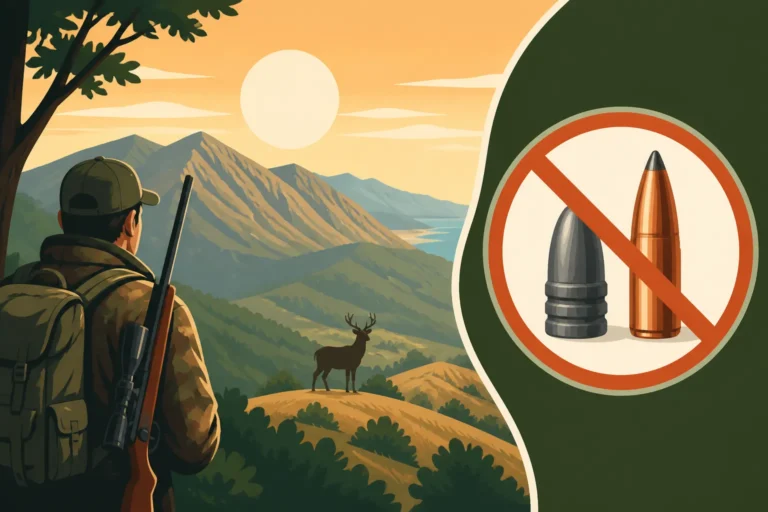
A critical rule for all California hunters is the statewide non-lead ammunition requirement. This isn't just a suggestion; it's the law. For deer hunting in Sierra County, you must use certified non-lead bullets in your rifle or shotgun, or non-lead broadheads for archery. This law applies everywhere, on public or private land. If you're new to non-lead, take the time to learn about California's Non-Lead Ammunition Requirement and understand its ballistics, as it can differ from traditional lead core bullets. Zeroing your rifle with these specific loads well before season is essential. Beyond ammunition, pay close attention to the specific deer zone for Sierra County—it typically falls into one of the D-Zones or potentially an X-Zone, which have varying season dates and tag allocations. The California's Multi-Zone Deer Season System is complex, and knowing your zone's specific opening and closing dates, as well as weapon restrictions, is paramount. Always double-check the current California Department of Fish and Wildlife (CDFW) regulations booklet before heading afield.
Vehicle Access, Camping, and Other Considerations
Accessing many parts of Sierra County's public land often involves a network of Forest Service roads, some well-maintained, others requiring a high-clearance 4×4. Always know whether a road is open to vehicles, seasonally closed due to snow or mud, or restricted to non-motorized use. Respecting these closures is not only legal but also essential for preserving the hunting experience and preventing damage to delicate ecosystems. When it comes to staying afield, Camping Rules on California National Forest Land typically allow dispersed camping, but there are regulations regarding fire restrictions (especially critical in Sierra County's fire-prone summers and falls), length of stay limits, and strict leave-no-trace principles. Planning your camp setup – whether it's a truck camp near a main road or a spike camp deep in the backcountry – is an important part of your overall strategy. Always pack out everything you pack in, including all trash and food waste, and be prepared for variable weather conditions, from hot, dry days to sudden snowstorms, even in early fall.
Strategies for Hunting Deer on Sierra County Public Land
Hunting success in Sierra County often comes down to adapting your strategy to the environment and the deer's behavior. This isn't farm country hunting where deer patterns are predictable around food plots. Here, you're dealing with vastness and often, low deer density, requiring a more deliberate and patient approach.
Scouting Techniques in Rugged Terrain
Effective scouting is your biggest asset. Don't wait until opening day to find deer. Start well before the season, ideally in late spring or early summer, by physically hiking areas identified on your maps. Look for rubs, scrapes, tracks, and bedding areas. Pay particular attention to saddles, ridge lines, and transition zones between different habitat types, such as timber edges and meadows. Reading Aerial Photos for Sierra Deer can help you pinpoint these features from your home, but nothing beats boots on the ground for confirming sign and understanding how deer move through the landscape. Water sources, especially during dry periods, will concentrate deer, so mark every seep, spring, and creek on your map. Spend time glassing distant slopes at dawn and dusk, even months before the season, to identify travel routes and potential buck hangouts. Don't forget that deer activity is highly influenced by Wind and Thermals in Steep Sierra Country, especially in the deep canyons and varied topography of Sierra County, which can dictate their movement and your approach.
Understanding Deer Movement and Habitat
Deer in Sierra County, primarily Columbia Blacktail and some Mule Deer or hybrids, are highly attuned to their environment. They are creatures of habit but can disappear quickly with hunting pressure. In the early season, look for them feeding on forbs and browse in cooler, shaded areas, often near water. As the season progresses and temperatures drop, they might shift to areas with more acorn production or other hard mast. When the rut approaches, bucks become more active, moving more during daylight hours in search of does. Understanding these seasonal shifts is critical for locating deer throughout the hunting period. Deer will often bed on north-facing slopes in warm weather to stay cool, and on south-facing slopes in colder weather to catch the sun. They use dense cover, like chaparral thickets or downed timber, for security, making them incredibly difficult to spot. Identifying these patterns through diligent scouting and understanding their habitat preferences will put you in the right place at the right time.
Still-Hunting and Glassing Tactics for Success
Given the rugged and expansive nature of Sierra County's public land, two primary hunting tactics stand out: still-hunting and glassing. Still-hunting involves moving very slowly, taking a few steps, then pausing and observing for extended periods, sometimes 10-15 minutes or more. This method works well in thicker timber or brush, where visibility is limited, allowing you to pick apart the cover before spooking game. Pay attention to every sound, every flicker of movement, and the subtle changes in the wind direction. For more open country, or when overlooking large canyons, Glassing a Canyon for a Bedded Buck becomes paramount. This involves using quality binoculars and a spotting scope on a tripod to systematically scan distant slopes and ridges during the early morning and late evening. Find a good vantage point, set up your optics, and be patient. Deer often blend incredibly well with their surroundings, and it can take many minutes of staring at the same patch of hillside before an ear twitch or the flick of a tail gives them away.
Essential Gear and Mindset for Sierra County Adventures
Successful deer hunting in Sierra County requires not just skill and knowledge, but also the right gear and, perhaps most importantly, the right mental attitude. This isn't a place where you can cut corners on preparedness; the mountains will test you.
Footwear, Layering, and Navigation Tools
Your feet are your most important tool in Sierra County. Investing in quality, waterproof, and well-broken-in boots is non-negotiable. Think about sturdy backpacking boots that can handle steep ascents and descents over rocky, uneven ground. For advice on suitable options, look into Lightweight Boots for Steep California Sierra Terrain. Layered clothing is also critical because temperatures can swing wildly, from freezing mornings to hot afternoons, even during deer season. Start with moisture-wicking base layers, add insulating mid-layers, and top it off with a quiet, waterproof outer shell. Don't forget a good hat and gloves. For navigation, a reliable GPS unit or a smartphone with a robust mapping app like onX Hunt or GoHunt (with downloaded offline maps!) is essential. Having a physical map and compass as a backup is always a smart move, especially if your electronics fail or lose signal in remote areas. Consider a specific Best GPS App for California Public Land that suits your needs.
Preparing for Remote Conditions and Emergencies
Many of Sierra County's prime hunting areas are remote, with no cell service and hours from the nearest town or medical facility. Being self-sufficient is key. Carry enough water or a reliable water filter, high-energy snacks, and a comprehensive first-aid kit. A satellite communicator, like a Garmin InReach or Spot device, can be a literal lifesaver for emergency communication or checking in with loved ones. Know basic first aid and how to deal with common backcountry issues like blisters, sprains, or even snake bites. Pack for the unexpected: an extra headlamp, fire-starting materials, and emergency shelter can make all the difference if you get caught out after dark or in bad weather. And when you finally connect with that deer, be prepared for the difficult task of Recovering a Deer From a Steep Canyon—it's often the hardest and most physically demanding part of the hunt, requiring robust game bags and potentially a pack frame.
The Importance of Patience and Persistence
More than any specific gear or tactic, the greatest asset a hunter can bring to Sierra County is patience and persistence. This is not a high-volume deer area, and you might go days without seeing a legal buck, or even much deer sign. The terrain is brutal, the climbs are exhausting, and the cover is thick. It's easy to get discouraged, especially after a long, quiet day. But those who stick with it, who keep moving slowly, keep glassing intently, and keep pushing into overlooked areas, are the ones who consistently find success. Celebrate the small victories: finding fresh sign, spotting a doe and fawn, navigating a tough climb. Each moment in the mountains is a lesson in itself. Embrace the challenge, enjoy the wild beauty, and understand that the true trophy often lies in the journey itself, not just the harvest.
Public Land Types and Characteristics in Sierra County
| Public Land Type | Primary Managing Agency | Typical Habitat | Access & Terrain | Key Hunting Zones & Species | Considerations |
|---|---|---|---|---|---|
| National Forests | U.S. Forest Service (USFS) | Conifer forests, oak woodlands, alpine meadows, riparian areas | Extensive road networks (some seasonal), rugged, steep terrain, backcountry trails | D-Zones (e.g., D3-5), X-Zones (e.g., X7a) for Blacktail & Mule Deer | Fire restrictions, dispersed camping rules, shared use with other recreation, road closures |
| Bureau of Land Management (BLM) | Bureau of Land Management (BLM) | Lower elevation foothills, chaparral, scattered timber, dry washes | Often more remote, fewer maintained roads, can be checkerboarded with private land, limited legal access | D-Zones (e.g., D3-5) for Blacktail & Mule Deer | Verify boundaries using apps like onX Hunt, potential for difficult access across private parcels, dispersed camping allowed |
| State Wildlife Areas (SWA) | CA Dept. Fish & Wildlife (CDFW) | Varied, often riparian or specific habitat for migratory game, small parcels | Limited, designated access points, specific area rules, sometimes seasonal closures | General deer hunting, often managed for multiple species (e.g., small game, waterfowl) | Highly specific rules, potential for quotas or sign-ins, limited land area in Sierra County |
| Wilderness Areas | USFS/BLM (within National Forests/BLM) | Untouched, pristine high-country ecosystems, dense timber, rocky peaks | No motorized vehicles, pack-in/pack-out only, extremely rugged, permit often required for overnight stays | X-Zones (high-country) for Mule Deer, some Blacktail | Extreme physical demands, limited by Wilderness Act restrictions, heightened Leave No Trace ethics |
Disclaimer
This article is for general informational purposes only and does not constitute professional advice. Laws, prices and regulations vary by location and change over time. Consult a qualified professional for guidance on your specific situation.