Best Camp Stove for a Backcountry Hunt
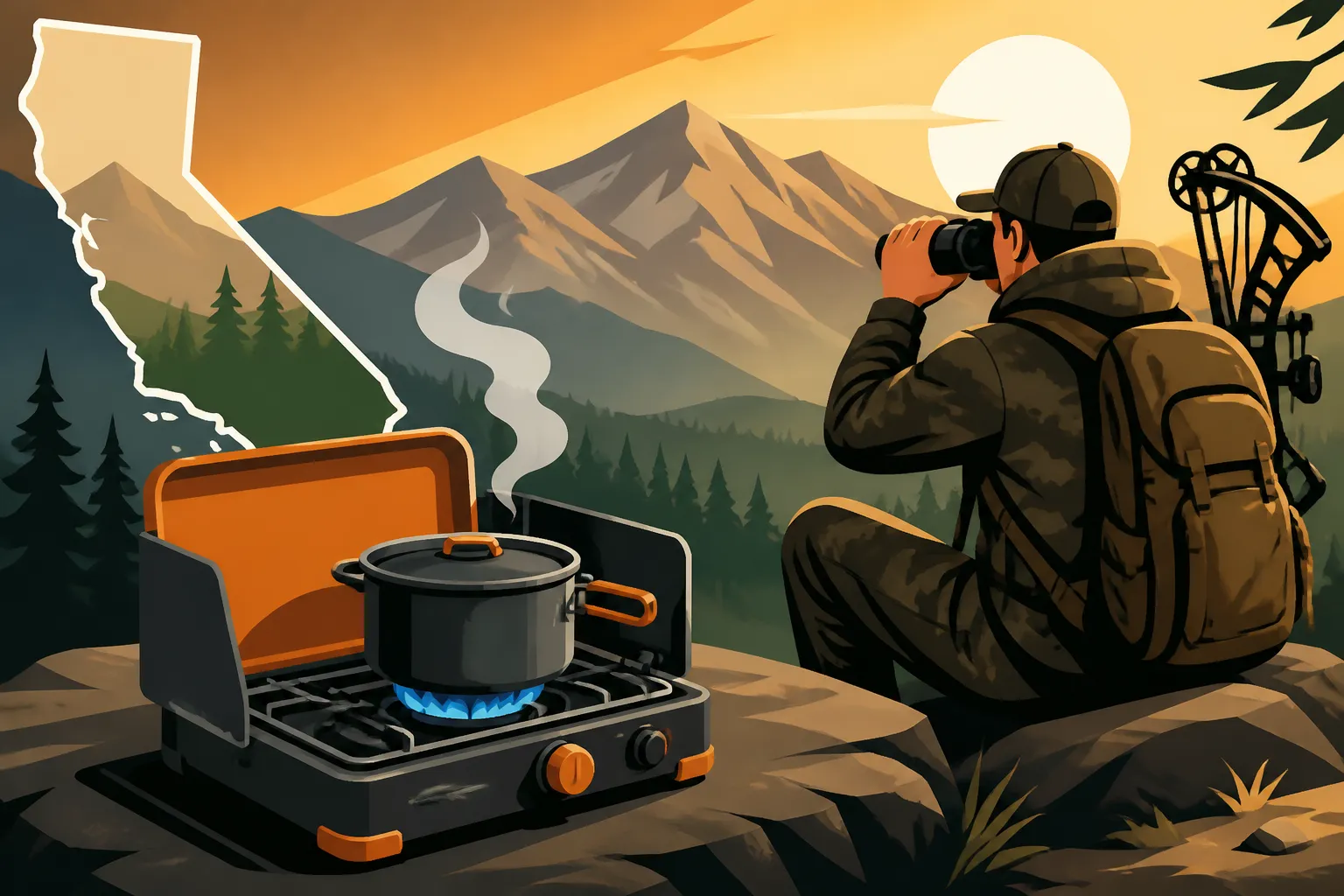
Choosing the right camp stove for a backcountry hunt in California can feel like an overwhelming task. You're balancing factors like weight, fuel type, boiling time, and reliability in unpredictable mountain weather, all while trying to keep your pack as light as possible for those long hauls into remote areas. It's a common frustration to invest in a stove only to find it underperforms when you're high in the Sierra Nevada trying to brew that essential morning coffee or rehydrate a meal after a grueling day tracking a buck. This guide is here to cut through the confusion and help you identify the best camp stove that will reliably meet your specific needs for a California backcountry adventure.
Understanding Your Backcountry Stove Needs
Before you even start looking at models, it's critical to honestly assess what kind of backcountry hunter you are, what conditions you'll face, and what your priorities truly are. There's no single "best" stove for everyone, because a solo archer spending a few days stalking Hunting California's High-Country X-Zones will have vastly different requirements than a group base-camping for a week during Rifle Hunting California's General Deer Season.
Trip Duration and Group Size
The length of your hunt and the number of people you'll be cooking for are perhaps the most significant factors in selecting a stove. A quick overnight trip for one or two hunters might call for an ultralight, minimalist setup, where every ounce shaved off your pack weight makes a difference. You might only need to boil water for freeze-dried meals and coffee, making fuel efficiency paramount for a compact load.
However, if you're planning a multi-day trip with a small group, say three or four hunters, the equation changes. You'll likely need to prepare more substantial meals, melt snow for water in late-season hunts, or simply have more hot drinks to go around. This demands a stove that can handle larger pots, offers greater stability, and can produce enough BTUs to cook for multiple people efficiently. The added weight of a slightly heavier, more robust stove becomes a trade-off for its versatility and cooking capacity.
For extended trips, especially those where you might be packing in food for a week or more, fuel resupply options become a consideration. Canister fuel can be bulky to carry in large quantities, while liquid fuel might be more efficient for longer durations if you're able to carry a larger fuel bottle. Thinking through these logistics beforehand is crucial to avoiding a cold, hungry camp deep in the wilderness.
Climate and Terrain Considerations
California's hunting landscape is incredibly diverse, from the humid coastal ranges to the arid Mojave Desert, and the alpine peaks of the Sierra Nevada. Each environment presents its own set of challenges for a camp stove. A stove that performs admirably at sea level might sputter and struggle with efficiency at 10,000 feet due to lower atmospheric pressure and colder temperatures.
Wind is another major factor that can drastically affect a stove's performance and fuel consumption. Trying to boil water in a exposed ridgeline camp during a breezy afternoon in Hunting California's Sierra Nevada Backcountry without adequate wind protection will chew through your fuel quickly. Many modern stoves incorporate some form of wind baffling, but understanding your expected conditions means you can choose a stove built to handle it, or pack additional wind-blocking accessories. Always consider the potential for fire restrictions in dry areas; wood-burning stoves, for example, are often prohibited, making a canister or liquid fuel stove the only legal option. Resources like the GoHunt app often include information on current fire restrictions, which is invaluable for planning.
Types of Camp Stoves for California Hunting
When you look at camp stoves, you'll generally find them categorized by their fuel type. Each has its pros and cons, especially when you're thinking about the unique demands of hunting in California.
Canister Stoves
These are probably the most common and user-friendly stoves out there, powered by pressurized gas canisters (usually a blend of isobutane and propane). They screw directly onto the canister or connect via a small hose. The primary appeal of canister stoves is their simplicity, light weight, and quick setup. There's no priming or pumping required, just screw it on and light it up. Many hunters value this ease of use, especially when hands are cold or daylight is fading after a long day in the field.
However, canister stoves do have their limitations, particularly in colder temperatures or at high altitudes, which are common for many California deer and bear hunts. As the fuel in the canister is consumed or gets cold, the pressure can drop, leading to decreased performance. Some advanced canister stoves feature a pressure regulator or an inverted canister setup to mitigate this, but it's still a consideration for those late-season or high-country excursions. The empty canisters also need to be packed out, adding to your trash, and they aren't refillable. For a multi-day hunt like Packs and Gear for a Backcountry Elk Hunt, you might need several canisters, which can add up in weight and bulk.
Liquid Fuel Stoves
Liquid fuel stoves typically run on white gas, but many multi-fuel models can also burn unleaded gasoline, kerosene, or even diesel in a pinch. These stoves are renowned for their robust performance in cold weather and at high altitudes, making them a favorite for mountaineers and serious backcountry hunters who frequent challenging environments. They require manual priming and pumping to pressurize the fuel bottle, which takes a little more effort and understanding than a canister stove, but once they're going, they're typically very powerful and consistent.
The major advantages of liquid fuel stoves include their excellent cold-weather performance and the ability to carry bulk fuel in a single, refillable bottle. This is often more weight-efficient for longer trips or larger groups. Fuel is generally cheaper and more widely available than specialty canisters, especially if you're in a remote area without a dedicated outdoor gear store. The main downsides are their heavier weight, the need for maintenance (cleaning jets, replacing O-rings), and the slightly more complex operation. You'll also need to manage the fumes associated with liquid fuels.
Wood Gasifier Stoves
Wood gasifier stoves are a fascinating option for the minimalist or eco-conscious hunter. These stoves burn small sticks, twigs, pinecones, and other biomass that you forage directly from the forest floor. They use a clever double-wall design to create a secondary combustion of wood gases, resulting in a very efficient and hot flame with minimal smoke. The biggest draw is that you don't need to carry any fuel, which is a massive weight saving for long hunts where you're covering serious ground.
The primary disadvantage, however, is their reliance on dry, available fuel. In wet conditions, finding suitable dry wood can be a real challenge, and in areas with strict fire restrictions, they may not be legal to use. For instance, many National Forests or BLM lands, especially during dry summer and fall months, will have blanket fire bans that include wood-burning stoves. You must always check current regulations, perhaps even cross-referencing with a mapping app like GoHunt which often overlays public land boundaries and alert you to fire restrictions in certain areas. They also typically leave a small amount of ash that needs to be properly disposed of, and the cooking surface might not be as stable for larger pots.
Key Features to Look For
Beyond the basic fuel type, several specific features can make a significant difference in a stove's performance and usability during your California hunting trips.
Weight and Packability
Every ounce counts when you're packing for an extended backcountry hunt, especially if you're covering significant distances or climbing steep terrain. For example, when you're trekking into areas that require Hunting a National Forest Burn Scar, you want your pack to be as light as possible. A minimalist canister stove can weigh as little as a few ounces, while a liquid fuel stove with its pump and fuel bottle will be considerably heavier. Consider the overall volume as well: do you have space for a bulky fuel bottle, or do you need something that nests compactly within your cooking pot?
Think about how the stove breaks down and fits into your pack. Some stoves have folding pot supports and burn heads that allow them to be tucked away neatly. This is particularly important if you're also bringing other bulky camp gear, like a Best Tent for a Multi-Day Public Land Hunt or specialized Gear for Spot-and-Stalk Bear Hunting. A good practice is to weigh all your potential stove components – the stove itself, fuel, windscreen, igniter, and any pot – to get a true understanding of its impact on your overall pack weight.
Boil Time and Fuel Efficiency
"Boil time" refers to how quickly a stove can bring a specific amount of water (usually 1 liter) to a rolling boil. While it might seem like a minor detail, when you're cold, wet, and hungry after a long day, or trying to melt snow for water at elevation, a fast boil time can be a huge morale booster. More importantly, it directly relates to fuel efficiency. A stove that boils water quickly often means it's transferring heat effectively to your pot, wasting less fuel.
Fuel efficiency is crucial for backcountry hunters because carrying extra fuel adds weight. A stove that sips fuel will allow you to carry fewer canisters or a smaller liquid fuel bottle, freeing up space and weight for other essentials, or that extra snack. Factors like a built-in heat exchanger on the pot or an integrated stove system can dramatically improve efficiency by reducing heat loss to the environment. When you're considering a multiple-day hunt into the wilderness, like what's needed for Hunting California's High-Country X-Zones, conserving fuel is paramount. It’s not just about cooking; it’s about having enough hot water for rehydration, cleaning, and those critical morning coffee rituals.
Stability and Pot Support
Imagine you've spent an hour glassing a distant canyon, then hiked back to camp, and now you're trying to carefully balance a full pot of precious water on a flimsy stove while trying to make a hearty meal. Stove stability is often overlooked until you experience a tip-over, losing your dinner and potentially creating a fire hazard. Look for stoves with wide, sturdy pot supports that can securely hold your chosen cookware, especially if you're using larger pots for groups or melting snow.
Integrated stove systems, where the pot locks directly onto the burner, offer excellent stability. Freestanding liquid fuel stoves, with their separate fuel bottle and hose, also tend to be very stable. Canister stoves that screw directly onto the top of the canister can sometimes be top-heavy, especially with larger pots, but those with a remote fuel line and a low-profile burner offer much better stability. The terrain you hunt will also play a role; a wide base is vital if you're setting up camp on uneven ground in places like Hunting Coastal Range Oak Woodlands.
| Stove Type | Pros | Cons | Best Use Case for CA Hunting |
|---|---|---|---|
| Canister Stove | Lightweight, compact, easy to use, clean | Performance drops in cold/high altitude, non-refillable canisters, potentially less stable with large pots | Solo to small group (2-3) trips, milder weather, regulated public lands, quick boils |
| Liquid Fuel Stove | Excellent cold/high-altitude performance, refillable fuel bottle, powerful, very stable | Heavier, more complex to operate/maintain, fuel fumes, more expensive initially | Group trips, challenging cold weather/high altitude, extended hunts, international travel |
| Wood Gasifier | No fuel to carry, uses natural biomass, environmentally friendly if legal | Relies on dry wood availability, can be prohibited by fire restrictions, slower to cook | Minimalist solo hunts, areas with plentiful dry wood and no fire bans, less common for multi-day primary cooking |
Maintenance and Safety in the Field
A camp stove is a critical piece of gear, and keeping it in top working order, while using it safely, is non-negotiable in the backcountry. Neglecting either can lead to a ruined trip, or worse.
Cleaning and Troubleshooting Common Issues
Even the most reliable stove needs a little TLC. After each hunt, it's a good idea to inspect your stove for any signs of wear or damage. For liquid fuel stoves, this means checking the pump for leaks, ensuring the O-rings are pliable, and cleaning any carbon buildup from the jet. Many models come with a small maintenance kit, and it's wise to know how to use it. If your liquid fuel stove starts to sputter or produce a weak flame, a clogged jet is often the culprit, and knowing how to clear it can save your meal.
Canister stoves are generally lower maintenance, but you should still check the burner head for any debris or spiderwebs that might impede gas flow. Always ensure the connection to the canister is clean and free of grit before screwing it on. If you're using a stove with a pressure regulator, make sure it's not obstructed. Keeping your stove clean not only extends its lifespan but also ensures consistent, efficient performance when you need it most. Before you head out, especially if it's been a while, run your stove at home for a quick test boil to ensure everything is functioning correctly.
Cold Weather Performance
Hunting in California often means dealing with significant temperature swings. A crisp morning at 35 degrees can quickly turn into a 70-degree afternoon, especially in the mountains. Canister stoves, particularly those without a pressure regulator, can struggle in cold conditions as the liquid fuel inside the canister cools and vaporizes less efficiently. You might notice a weaker flame or longer boil times. A common trick is to keep your fuel canister warm by sleeping with it in your sleeping bag or placing it in a pocket close to your body before use.
Liquid fuel stoves, on the other hand, excel in cold weather because they burn pressurized liquid fuel, which isn't as susceptible to temperature drops as the gas in a canister. If you anticipate hunting late into the season or venturing into high-elevation areas like the Eastern Sierra, where temperatures can plummet, a liquid fuel stove might be the more reliable choice. Knowing how your stove performs in varying temperatures is part of being prepared for California's unpredictable backcountry.
Fire Safety and Restrictions
This is perhaps the most critical aspect of using any camp stove in California. Our state is prone to wildfires, and regulations are strictly enforced, especially on public lands. Always check the current fire restrictions for the specific area you'll be hunting. This information is usually available on the website of the relevant land management agency (e.g., US Forest Service, BLM, State Parks). Many mapping apps, including GoHunt, also provide real-time alerts or layers for fire restrictions.
During periods of high fire danger, even small camp stoves can be prohibited. You must have a clear, barren area around your stove, away from flammable materials like dry grass, leaves, or overhanging branches. Never leave a lit stove unattended. Always have a water bottle or small shovel ready to extinguish any accidental sparks. When cooking in bear country, never cook near your tent or sleeping area; always establish a "kitchen triangle" with your food storage and sleeping area to minimize attracting wildlife, especially for areas where Black Bear Hunting California's Spot-and-Stalk Season occurs. Carrying a small, reflective fire blanket or a mini fire extinguisher can also be a smart addition to your pack for extra peace of mind. Remember, following regulations and practicing extreme caution protects not only your hunt but also the precious California wilderness.
Disclaimer
This article is for general informational purposes only and does not constitute professional advice. Laws, prices and regulations vary by location and change over time. Consult a qualified professional for guidance on your specific situation.