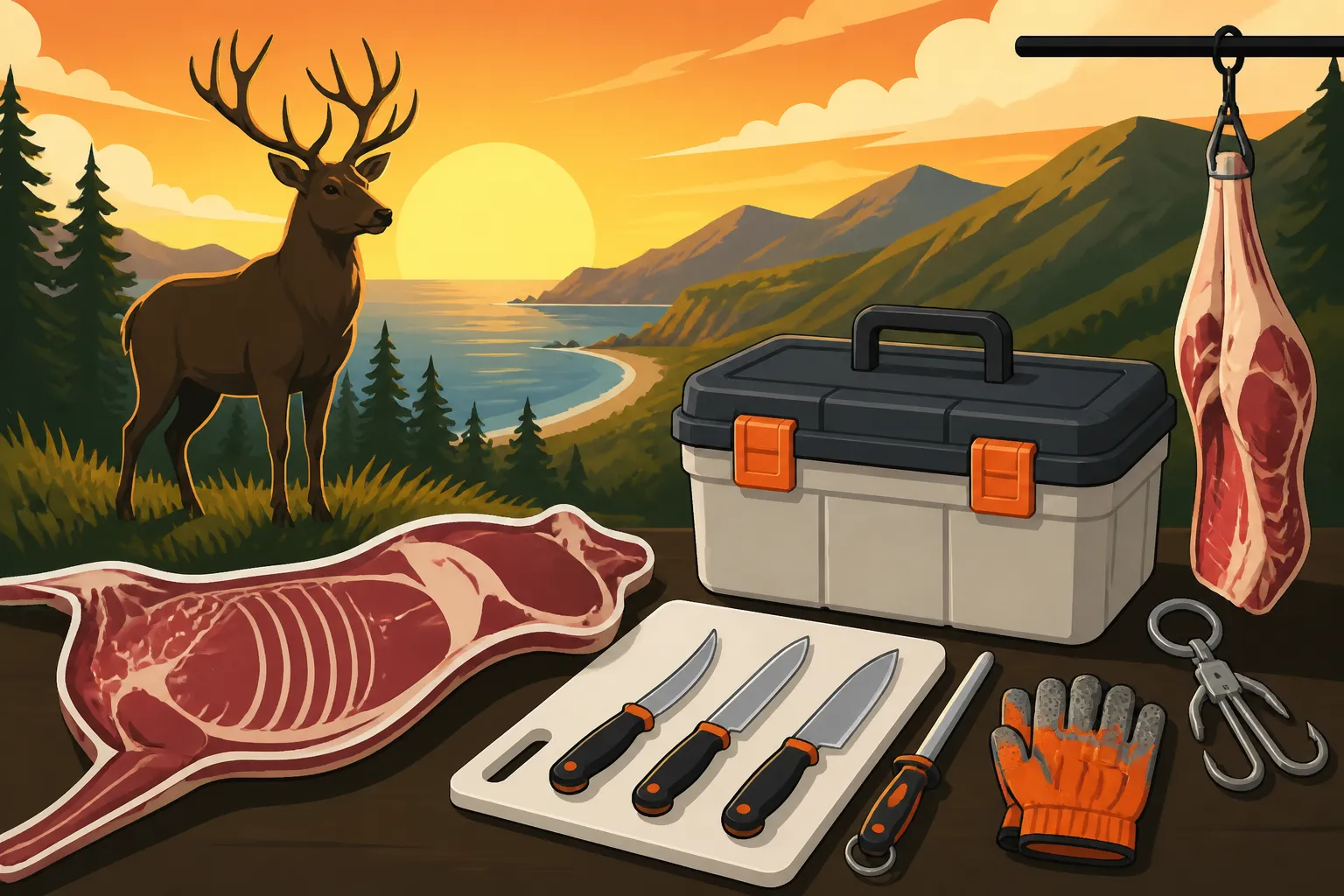
Best Meat Processing Kit for Camp
There's nothing quite like the feeling of success after a hard-earned hunt in California's diverse landscapes, but that feeling can quickly turn to stress if you're not prepared for the critical next step: field dressing and processing your game. Whether you're miles deep in the Sierra Nevada backcountry or just at a remote deer camp in the Coastal Range, having the right meat processing kit on hand is absolutely crucial for preserving your harvest and ensuring that delicious venison or wild pig makes it to your freezer in prime condition. This guide will walk you through assembling the ultimate camp processing kit, tailored for the unique challenges and regulations of hunting here in the Golden State.
Why a Dedicated Camp Meat Processing Kit is Essential
Hunting in California often means dealing with a wide range of conditions, from scorching August days in Zone A to chilly November mornings in a D-Zone. The moment an animal hits the ground, the clock starts ticking. A proper processing kit isn't just a luxury; it's a necessity for ethical hunting and maximizing the quality of your hard-won game meat. Without the right tools, you risk spoilage, contamination, and a much tougher time getting your animal from the field to your table.
The Urgency of Field Care in California's Climate
Imagine you've just taken down a beautiful blacktail buck in the foothills near Redding during an early archery opener. The sun is already beating down, and temperatures are climbing fast. If you don't act quickly and efficiently, that meat can start to degrade in a matter of hours. Bacteria thrive in warm conditions, and poor field care can lead to an unpalatable, "gamey" taste that many hunters dread. This is particularly true in many of California's zones, where early season hunts often coincide with significant heat.
Even if you're hunting in cooler, later seasons, thorough field dressing remains paramount. Removing the internal organs rapidly allows the carcass to cool down much faster, reducing bacterial growth and improving meat quality. Having your kit ready means you don't waste precious minutes fumbling for tools or making do with inadequate equipment. Proper and prompt Field Dressing a Deer in Hot Weather is the first step to ensuring a quality meal later.
Maintaining Cleanliness and Quality Away From Home
Unlike processing at home with running water and a dedicated workspace, camp processing often happens in dusty, dirty, or even muddy environments. This makes cleanliness even more challenging, yet critically important. Introducing dirt, hair, or gut contents to the meat can ruin it. A well-thought-out kit helps you maintain a sterile-as-possible environment, protecting your meat from contaminants.
This isn't just about hygiene; it's about respecting the animal and the effort you put into the hunt. Every cut, every wipe, every bag choice contributes to the final product. Skimping on these details means potentially wasting an animal that deserved better care. Think about it: you spent countless hours scouting, preparing, and executing the hunt; don't let the last hour negate all that hard work because you didn't have a sharp knife or clean gloves.
The Cost-Effectiveness of DIY Processing
While hiring a professional butcher is always an option, especially for larger game like elk or if you're short on time, processing your own animal at camp or at home can save you a substantial amount of money over the years. With the rising costs associated with hunting, from licenses and tags to fuel and gear, every bit of savings counts. Investing in a quality meat processing kit is a one-time expense that pays dividends season after season.
Beyond the financial aspect, there's immense satisfaction in being self-sufficient. Knowing that you've handled every step from the field to the freezer yourself is a point of pride for many hunters. It deepens your connection to the process and allows you to customize your cuts exactly how you like them, ensuring no part of the animal goes to waste unnecessarily.
The Core Components of Your Camp Processing Kit
A good camp processing kit doesn't need to be overly complicated or expensive, but it does need to be thoughtfully assembled. Focus on quality, durability, and functionality. Here are the items you absolutely can't do without.
Essential Cutting Tools: Knives and Sharpeners
This is where the rubber meets the road. Your knives are your primary tools, and they need to be razor-sharp and reliable.
- Fixed-Blade Knives: You'll want at least two good fixed-blade knives. A larger, sturdier blade (around 4-6 inches) is great for initial skinning cuts and breaking down joints, while a smaller, more nimble blade (2.5-4 inches) is perfect for precision work, caping, and separating muscle groups. Look for blades made from stainless steel for easy cleaning and corrosion resistance. The handle should be comfortable and provide a secure grip, even when wet or bloody. Many hunters find a gut hook knife invaluable for opening the abdomen quickly and cleanly without puncturing intestines.
- A Bone Saw or Havalon-Style Knife: While not always strictly necessary for field dressing, a compact bone saw can be a game-changer for splitting the sternum or pelvis on larger animals, making internal organ removal much easier and more thorough. Alternatively, a replaceable blade knife like those from Havalon or Outdoor Edge can be incredibly useful for skinning, as you simply swap out a dull blade for a fresh, sterile one, ensuring constant sharpness without needing to stop and sharpen.
- Sharpening Tools: A dull knife is a dangerous knife and makes processing a nightmare. A compact, field-friendly sharpening system is a must. This could be a small ceramic stick sharpener, a pull-through sharpener, or even a fine sharpening stone. Just make sure it's something you can use effectively in camp. Don't underestimate the need for this; even the best knives will lose their edge after processing one animal. For more specific knife recommendations, you might want to look at Best Knife for Field Dressing a Blacktail.
Hygiene and Protection: Gloves, Wipes, and Sanitizers
Cleanliness is paramount to prevent bacterial contamination and ensure safe handling.
- Disposable Gloves: Pack plenty of heavy-duty, nitrile disposable gloves. You'll want to change them frequently, especially if you move from gutting to skinning or cutting meat. They protect both you and the meat from cross-contamination. Always put on a fresh pair before handling clean meat.
- Sterile Wipes and Paper Towels: These are invaluable for cleaning knives, wiping down surfaces, and generally keeping things tidy. A roll of good quality paper towels, along with some dedicated antibacterial wipes, can make a huge difference in maintaining hygiene in a field environment.
- Hand Sanitizer/Soap: Even with gloves, it's good practice to sanitize your hands periodically. A small bottle of hand sanitizer is great for quick clean-ups, but a small bar of soap and a bottle of water for a proper wash is even better if conditions allow.
- Plastic Sheeting/Tarp: Laying down a clean plastic tarp or sheet on the ground creates a barrier between the carcass and the dirt, helping to keep the meat cleaner during skinning and quartering. This simple item can drastically reduce the amount of hair and debris that gets on your meat.
Storage and Transport: Game Bags and Coolers
Once the animal is broken down, proper storage is crucial for cooling and transport.
- Game Bags: These breathable fabric bags are designed to protect meat from flies, dirt, and debris while allowing air circulation for cooling. Don't skimp here; quality game bags are reusable and crucial for maintaining meat integrity. You'll need enough bags to cover all the quarters and potentially the backstraps and tenderloins separately. Depending on the size of your animal, you may need a Best Game Bags for Field Care in August Heat.
- Large Coolers (Pre-Chilled): You'll need several large, well-insulated coolers. Pre-chill them with ice or frozen water bottles before you even leave home. Once the meat is in game bags, get it into these coolers with fresh ice as quickly as possible. The goal is to drop the meat temperature rapidly to inhibit bacterial growth. Ensure you have enough space for all the meat.
- Ice: Lots of it. You can never have too much ice, especially in California's warmer hunting zones. Block ice melts slower than cubed ice, but a mix is often best. Some hunters freeze large water bottles, which double as drinking water later.
- Meat Tarps/Ground Cloths: Beyond a clean tarp for initial processing, a separate, clean meat tarp to wrap your game bags in for transport can help keep your vehicle cleaner and provide an extra layer of protection against dust and contaminants.
| Item Category | Essential Components | Purpose |
|---|---|---|
| Cutting Tools | Fixed-Blade Knives (2-3 sizes) | Skinning, quartering, precision cuts |
| Bone Saw or Replaceable Blade Knife | Splitting bone, fine skinning, constant sharp edge | |
| Field Sharpener | Maintaining razor-sharp edges | |
| Hygiene | Disposable Nitrile Gloves | Protection for hunter and meat, preventing contamination |
| Antibacterial Wipes / Paper Towels | Cleaning tools, surfaces, hands | |
| Hand Sanitizer / Small Soap & Water Bottle | Personal hygiene in the field | |
| Plastic Tarp / Sheeting | Clean work surface, keeps meat off dirt | |
| Storage/Cooling | Breathable Game Bags (multiple) | Protecting meat from elements, allowing air circulation |
| Pre-Chilled Large Coolers (multiple) | Rapid cooling and temporary storage of meat | |
| Ice (cubed and block) | Cooling agent, critical for meat preservation | |
| Misc. | Headlamp (if processing at night) | Illumination for safety and precision |
| Trash Bags | Containing offal and waste |
Advanced Tools and Considerations for Larger Game or Longer Hunts
For those chasing bigger game like elk, or planning multi-day backcountry trips, some additional gear can make a world of difference in efficiency and meat quality.
Mechanical Advantage: Hoists and Portable Saws
When you're dealing with a several-hundred-pound animal, leverage is your friend.
- Game Hoist: A portable game hoist, often designed to attach to a hitch receiver on your truck or a sturdy tree branch, can be invaluable. It allows you to lift the animal for easier skinning and gravity-assisted field dressing, keeping the carcass off the ground and at a comfortable working height. This saves your back and makes the entire process cleaner. When Butchering a Deer at Camp, having the animal elevated simplifies everything.
- Heavy-Duty Bone Saw: While a small bone saw is good for deer, a more robust, full-size bone saw can significantly speed up quartering larger animals like elk or substantial wild pigs, especially when dealing with tough bone. This reduces the effort and time spent on breaking down a big animal.
- Portable Scales: If you're particular about knowing the exact weight of your processed meat or need to ensure even distribution for shared hunts, a portable digital scale can be a handy addition.
Beyond Basic Storage: Vacuum Sealers and Freezer Prep
For longer-term storage or if you're lucky enough to harvest multiple animals, thinking about how you'll prepare meat for the freezer in camp can be a game-changer.
- Portable Vacuum Sealer: While typically a home item, some compact, battery-operated vacuum sealers are available. If you have access to power (like a generator at camp), vacuum sealing meat immediately after cooling can significantly extend its freshness and freezer life. This protects against freezer burn and preserves flavor much better than freezer paper alone.
- Freezer Paper/Wrap: If a vacuum sealer isn't feasible, having rolls of good quality freezer paper and tape allows you to double-wrap your game meat for better protection against freezer burn. It's a low-tech but effective method.
- Permanent Marker: For labeling all your packaged meat with the date and cut. This simple step prevents guessing games months down the line when you pull a mystery package from the freezer.
Planning Your Logistics with Tools Like GoHunt
In today's hunting world, technology can be a huge asset in planning, even for something as practical as meat processing. Using a robust mapping and planning platform like GoHunt can help you anticipate processing challenges. Before your hunt, you can use GoHunt's map layers to assess potential camp spots with shade, water sources, or vehicle access for easier game retrieval and processing.
You can mark out potential processing areas, identify nearby towns for ice resupply, or even use the platform to share your plans with hunting partners, ensuring everyone knows the game plan for when an animal is down. GoHunt isn't just for finding game; it's a comprehensive tool that can help with the entire logistics chain, including where and how you'll handle your meat once it's on the ground. This foresight is especially helpful when dealing with California's vast public lands, where resources can be spread thin.
Field-to-Freezer: Best Practices in a California Context
Successfully getting your game from the moment of harvest to your freezer requires more than just tools; it demands knowledge of best practices, especially considering California's unique environmental and regulatory landscape.
Navigating CWD Testing Zones and Carcass Movement
California has identified California's Two CWD Testing Zones for Chronic Wasting Disease (CWD), and understanding the rules for carcass movement is critical. You cannot simply haul a full deer carcass out of a CWD zone. Special regulations are in place to prevent the spread of the disease.
- Quartering in the Field: If you hunt in a designated CWD zone, you must quarter your animal in the field and leave the brain, spinal column, and other high-risk parts at the kill site or dispose of them properly according to CDFW guidelines. This means your processing kit needs to be ready for full quartering on the spot.
- Mandatory Testing: Be aware of any mandatory CWD testing requirements for animals harvested in specific zones. Knowing this beforehand will influence how you handle and transport certain parts of the carcass. Make sure your kit includes the necessary items for CWD Testing for California Hunters, should you need to collect samples. Always check the latest CDFW regulations before your hunt regarding Handling Venison From a CWD Testing Zone.
Dealing with Variable Temperatures: From Desert to High Sierra
California's climate is incredibly varied. An August archery hunt in Zone A can be blistering hot, while a late-season D-zone rifle hunt in the Sierra can mean freezing temperatures. Your processing strategy needs to adapt.
- Hot Weather Protocol: In hot conditions, speed is paramount. Get the animal gutted immediately, skin it as quickly as possible, and break it down into quarters. Air circulation is key. If you can, hang the quarters in the shade to cool before bagging them and submerging them in ice water in your pre-chilled coolers. Consider using a Best Cooler for Packing Out Meat in Hot Weather for optimal performance.
- Cold Weather Advantage: Colder temperatures give you more time, but don't get complacent. Still field dress promptly. If temperatures are consistently below 40 degrees Fahrenheit, you can often hang quarters overnight to age and cool naturally, covered in game bags. However, still aim to get them on ice or into a cooler for transport to maintain consistent cooling. Even in cold weather, direct sunlight can warm exposed meat.
- Airflow is Everything: No matter the temperature, air circulation around the meat is crucial to prevent bacterial growth and spoilage. This is why breathable game bags are superior to plastic bags, which trap heat and moisture.
Post-Processing Cleanup and Kit Maintenance
Once the meat is packed and cooling, your job isn't quite done. Proper cleanup and maintenance of your kit will ensure it's ready for your next adventure.
- Thorough Cleaning: Every knife, saw, and surface that touched meat needs to be thoroughly cleaned and sanitized. Use hot, soapy water if available, or plenty of antibacterial wipes and sanitizer. Blood and tissue can harbor bacteria.
- Drying: Ensure all metal tools are completely dry before storing them to prevent rust. A light coat of food-grade mineral oil can help protect blades.
- Sharpening: Touch up your knife edges before putting them away. A sharp knife stored safely is a ready knife.
- Replenish Supplies: Check your stock of gloves, wipes, and bags. Restock anything you used so your kit is always complete and ready for the next hunt. This prevents that frantic, pre-hunt scramble for essential items. Always keep your kit well-organized and easily accessible within your camp setup.
Disclaimer
This article is for general informational purposes only and does not constitute professional advice. Laws, prices and regulations vary by location and change over time. Consult a qualified professional for guidance on your specific situation.