Hunting a D-Zone That Opens in August
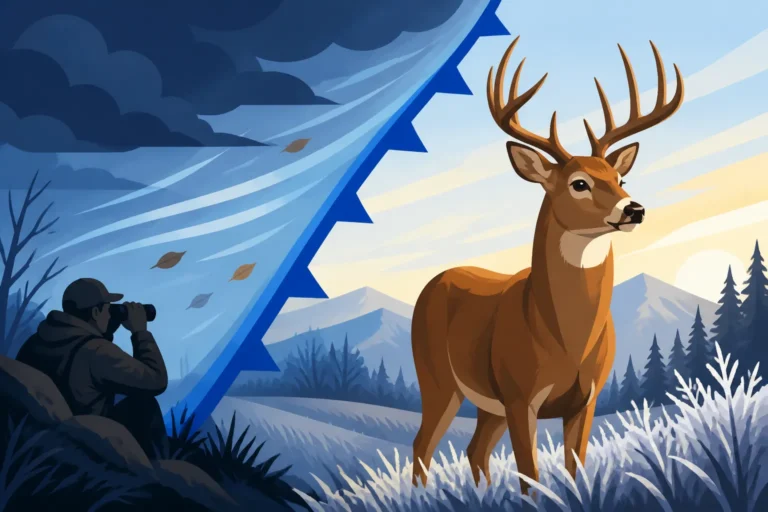
Hunting deer in California can be a real head-scratcher, especially when you start looking at the D-zones. Many of us get frustrated with the later openings, but a handful of D-zones actually kick off in August, offering a unique, often sweltering, challenge. This guide will walk you through everything you need to know to tackle those early August D-zone deer seasons, from understanding the specific regulations to adapting your hunting strategies for the intense summer conditions.
Understanding California's August-Opening D-Zones
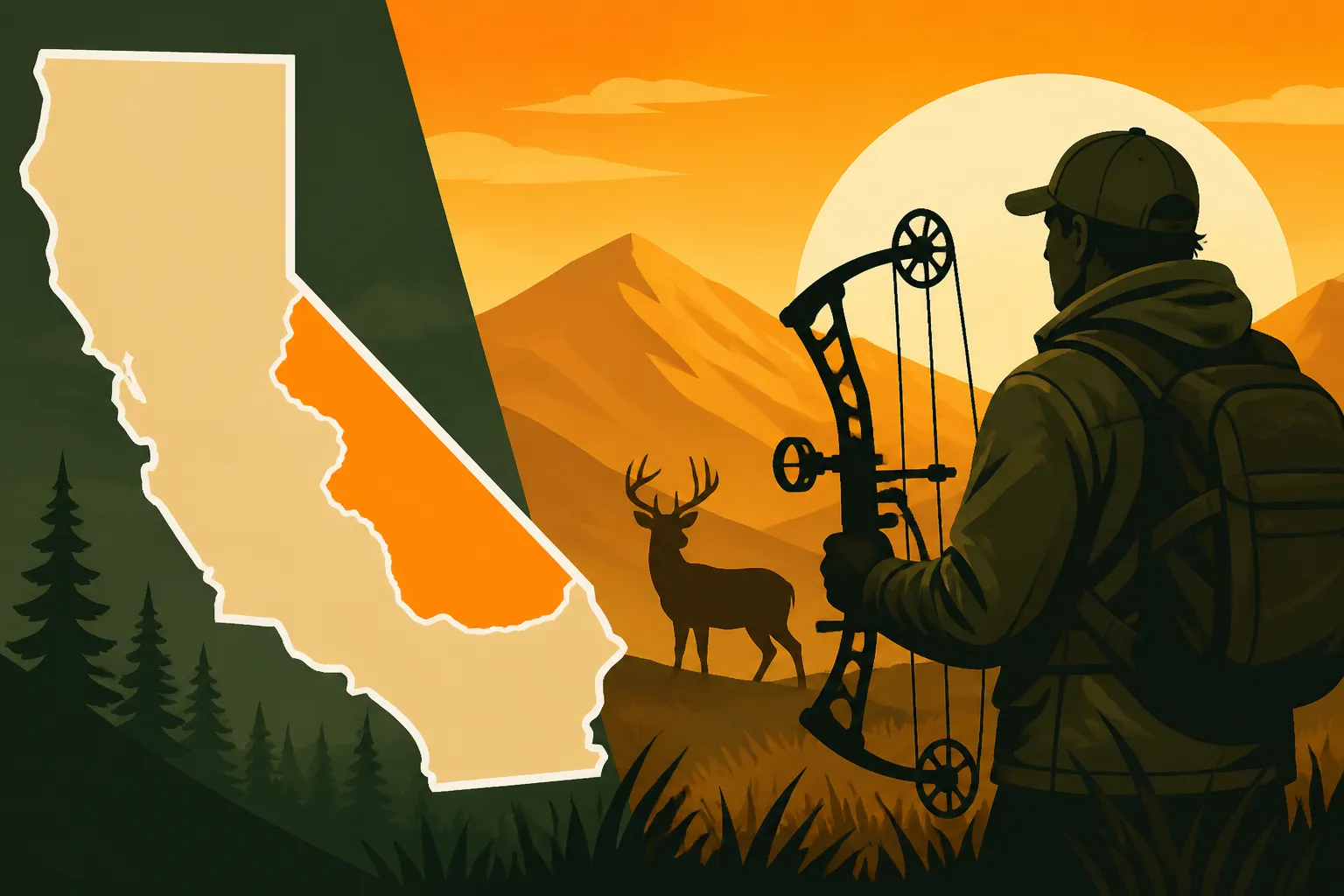
California's D-zones are a vast and varied landscape, stretching from the northern reaches of the state down into the central and southern regions. Unlike the X-zones, which are often high-country, draw-only hunts, D-zones are generally over-the-counter or have much better draw odds, making them popular for many hunters. The D-zone system is designed to manage deer populations across different habitats, and that means staggered opening dates. While many D-zones open later in September or even October, there are specific units that open their archery and general seasons as early as August, presenting a distinct set of challenges and opportunities.
For instance, D3-5, D6, D7, D8, D9, D10, D11, D12, and D19 are among the D-zones that typically open in August for archery, with general season rifle hunting often following in mid-September or later. However, some general rifle seasons also start in August for D zones like D3-5 (often opening the last Saturday in August), which is what we're focusing on here. This early opener usually means dealing with hot, dry conditions, highly dispersed deer, and active summer patterns. It’s a completely different ballgame than hunting during the rut in colder weather. The deer are still on their summer feed, typically holding tight to water sources and higher elevations to escape the heat and bugs, or seeking out dense thermal cover. Knowing which zone covers your California county is the first step to checking these specific dates.
Scouting Strategies for Early Season D-Zones
Successful hunting in August-opening D-zones absolutely hinges on thorough pre-season scouting. You're not looking for rutting activity or fresh scrapes; you're looking for summer patterns, water, and shade. This means getting out there long before opening day, often in the very same hot conditions you'll be hunting in.
Locating Key Water Sources
In August, water is life, and deer know it. Public lands in California, especially those in the D-zones like parts of the Los Padres National Forest or Bureau of Land Management (BLM) lands in the foothills, can be incredibly dry. Deer will congregate around any available water, whether it's a spring, a seep, a cattle tank, or a creek that still has flow. Focus your scouting efforts on finding these precious water sources. Look for trails leading directly to water, fresh tracks in the mud, and lush green vegetation that often indicates a subsurface water supply. Often, these spots can be a long hike in, which is where many hunters avoid, but that's precisely where you might find less pressured deer. Remember, deer will often hit water in the cooler hours of early morning or late evening, but in extreme heat, they might visit multiple times a day or even bed very close by.
Consider using online mapping tools, like the ones offered by GoHunt, to identify potential water sources marked on topographical maps. Then, verify these on the ground. Sometimes a spring marked on a map might be dry, or a seasonal creek could have completely evaporated. Don't be afraid to put boots on the ground to confirm. Also, remember that a slight dip or saddle in a ridge can create a micro-climate where moisture collects, even if it's not a visible spring. These hidden seeps can be deer magnets.
Identifying Shade and Thermal Cover
Beyond water, deer in August need shade and thick cover to escape the relentless sun and heat. They will bed down in the coolest, densest cover they can find during the day. This often means north-facing slopes with heavy timber, thick stands of chaparral, or deep canyons with perennial shade. When you're scouting, look for these areas, especially those near reliable water sources. Even small pockets of shade from a single large oak tree can be enough to hold a buck during the midday heat. Deer will often bed in these cool spots and only move during the absolute coolest parts of the day, usually dawn and dusk.
Mapping applications can help identify north-facing slopes and dense canopy cover, but nothing beats actually walking the terrain. Look for well-used trails leading into these shady havens, as well as rubs or scrapes from the previous year, indicating where bucks might have spent time. Understanding wind and thermals in steep Sierra country is also crucial, as deer will use these air currents to their advantage, bedding in spots where rising or falling air can give them advanced warning of danger. A thick stand of timber can also create cooler temperatures, and deer will often lay up just inside the edge of these patches, allowing them to survey the more open areas before moving out to feed.
Remote Scouting and Trail Cameras
While boots-on-the-ground scouting is king, remote scouting tools are incredibly valuable for early D-zone hunting. Satellite imagery and topographical maps, again, are excellent for identifying potential glassing knobs, travel corridors, and those critical water and cover areas. You can pre-plan your approach routes and identify potential ambush points long before you ever step foot on the ground. This is especially true for those expansive D-zones that can be hundreds of thousands of acres.
Trail cameras, particularly cellular trail cameras, can be a game-changer for monitoring activity around water sources or thick bedding areas. They allow you to gather intel without putting constant human pressure on the deer. Place cameras on trails leading to water, or on the edges of dense cover. Check them regularly (if they're not cellular) to see what deer are using the area, when they're moving, and what their patterns are. You might find a buck consistently visiting a water source just after dark, or using a specific trail at first light. Remember to adhere to local regulations regarding trail camera placement on public land. These cameras can give you real-time data on deer movement, helping you refine your hunting strategy right up until opening day.
Tactics for Hunting August D-Zone Deer
Hunting deer in August in California requires a complete shift in mindset compared to later season hunts. Forget about rattling and grunting or chasing the rut; this is a game of heat management, stealth, and focusing on the deer's basic needs.
Hunting Early Mornings and Late Evenings
Due to the intense August heat, deer activity will be heavily concentrated during the cooler hours of dawn and dusk. This means your hunting efforts should mirror this pattern. Get to your glassing point or ambush location well before first light, often in the dark, and be ready for legal shooting light. Deer will be moving from their bedding areas towards feed or water, or vice-versa. Focus on edges of dense cover, transitional areas between bedding and feeding, or directly on those crucial water sources you identified during scouting. Staying out too long in the midday sun is often unproductive and can burn you out quickly.
Similarly, the last hour or two of daylight can be incredibly productive. Deer will begin to stir from their beds as temperatures drop, moving towards evening feed or water. Position yourself strategically along known travel routes or overlooking a water source. Be prepared to hike out in the dark, as deer often don't move until the very last light. A good headlamp with a long battery life is essential. This concentrated effort during low light periods conserves your energy and increases your chances of encountering a moving deer.
Slow Still-Hunting and Stand Hunting
In these hot conditions, deer movement is minimized, and they will be extremely alert. Still-hunting becomes an art form, focusing on slow, deliberate movements through cover, paying meticulous attention to wind direction. You're trying to sneak up on bedded deer in their thick hideouts or catch them moving quietly between cover and water. This is particularly effective in coastal range oak woodlands or dense chaparral. Move only a few steps, then stop and glass thoroughly. Use your binoculars to pick apart every shadow, every clump of brush, looking for horizontal lines, ears, or antlers.
For those identified water sources or trails, a stand or ground blind can be highly effective. A ground blind, brushed in on a field edge or near a water source, can conceal your movement and scent, giving you an advantage. However, deer are extremely wary, especially in pressured D-zones. Ensure your blind is set up well in advance to allow deer to get used to its presence, or brush it in impeccably so it blends naturally with the surroundings. You'll need to commit to long, silent sits, enduring the heat, but the payoff can be a close encounter with a thirsty buck.
Adapting to Hot Weather Conditions
Hunting in August in California is often synonymous with sweltering heat, sometimes exceeding 100 degrees Fahrenheit in the foothills and valleys. This demands significant adaptation. Hydration is paramount. Carry more water than you think you'll need – often a gallon or more per day, plus electrolytes. Lightweight, breathable clothing that wicks moisture is crucial for comfort and preventing heat exhaustion. A wide-brimmed hat and sunscreen are also your best friends.
Furthermore, consider the impact of heat on harvested game. If you're lucky enough to tag a deer, you need to field dress it immediately and get it cooled down as quickly as possible. This means having a plan for Field Dressing a Deer in Hot Weather and Packing Meat Out of a Steep Canyon if you're deep in the backcountry. Large game bags are essential to protect the meat from flies and dirt. Having a cooler with plenty of ice waiting at your vehicle is non-negotiable. Some hunters even carry a small, collapsible game cart to help with extraction, especially in more open terrain where dragging is feasible.
| D-Zone Challenge | August Adaptation Strategy | Key Gear Consideration |
|---|---|---|
| Extreme Heat | Hunt dawn/dusk, rest midday | Ample water, electrolytes, breathable layers, wide-brimmed hat |
| Dispersed Deer | Focus on water & thick cover | Mapping apps, binoculars, trail cameras, GoHunt resources |
| Low Activity | Slow still-hunting, patient sits | Stealthy clothing, comfortable sitting pad, rangefinder |
| Quick Spoilage | Immediate field dressing, rapid cooling | Game bags, sharp knife, cooler with ice, portable game cart |
| Pressured Deer | Scout remote areas, use natural cover | Good optics for long glassing, scent control, quiet gear |
Gear and Considerations for Hot Weather Hunts
Your gear choices for an August D-zone hunt can make or break your trip. It’s not just about what you carry, but how it performs under extreme conditions.
Hydration and Heat Management Systems
Beyond just carrying water, think about how you'll manage your body temperature. A hydration bladder in your pack is often more convenient than individual water bottles, allowing you to sip constantly. Consider carrying a water filter or purification tablets if you're in an area with reliable, treatable water sources, but always have a backup supply. Cooling towels, often made of a specialized material that stays cool when wet, can be a godsend around your neck. Electrolyte packets or tablets added to your water will help replenish essential salts lost through sweating, preventing cramps and fatigue. Some hunters even utilize small, battery-operated fans during their midday breaks or while sitting in a blind to provide some relief. Remember, overheating isn't just uncomfortable; it's dangerous.
Lightweight Optics and Clothing
August hunting calls for lightweight, high-quality optics. You'll be doing a lot of glassing to pick apart the dense cover where deer are hiding. A good pair of 10×42 binoculars is a staple, but consider a lightweight spotting scope for long-range glassing, especially if you're hunting open areas or large canyons. Tripod setups for long glassing sessions are key to reducing fatigue and increasing stability. Many experienced hunters find that a steady rest for their optics allows them to spot deer that others miss.
Clothing should be light-colored, breathable, and made from moisture-wicking synthetic materials. Avoid heavy cotton, which holds sweat and dries slowly. Camo patterns that blend with the dry, golden grasses and oak woodlands common in many D-zones are ideal. Think about layering, even in August; while it's hot during the day, mornings and evenings can still be cool, especially at higher elevations. A lightweight long-sleeve shirt not only provides sun protection but can also help regulate body temperature by wicking sweat. Good quality boots are also essential. Lightweight boots for steep California Sierra terrain or desert boots for California BLM wash hunting can make a huge difference in comfort and traction over long miles.
Navigation and Emergency Preparedness
Even in familiar areas, it's easy to get disoriented when you're focused on the hunt. A reliable GPS unit or a mapping app like onX or the GoHunt app on your phone, with downloaded offline maps, is absolutely critical. Service can be spotty or non-existent in many D-zones, so don't rely on cellular data. Always carry a physical map and compass as a backup, and know how to use them. Mark your vehicle, water sources, and any key features you find.
Emergency preparedness is also paramount. A basic first aid kit for a remote hunt, a satellite communicator or personal locator beacon, a headlamp, and fire-starting materials should always be in your pack. The risk of wildfires is extremely high in August, so be aware of any fire restrictions and exercise extreme caution. Carrying a whistle can be useful for signaling. Tell someone exactly where you're going and when you expect to return. California's D-zones can be rugged and remote, and unexpected situations can arise quickly. Being prepared means you can focus on the hunt with greater peace of mind.
Disclaimer
Always check the latest California Department of Fish and Wildlife (CDFW) regulations before planning any hunting trip, as rules, zone boundaries, and season dates can change. This guide is for informational purposes only and does not supersede official CDFW regulations.