Taking a Hen During Fall Turkey Season
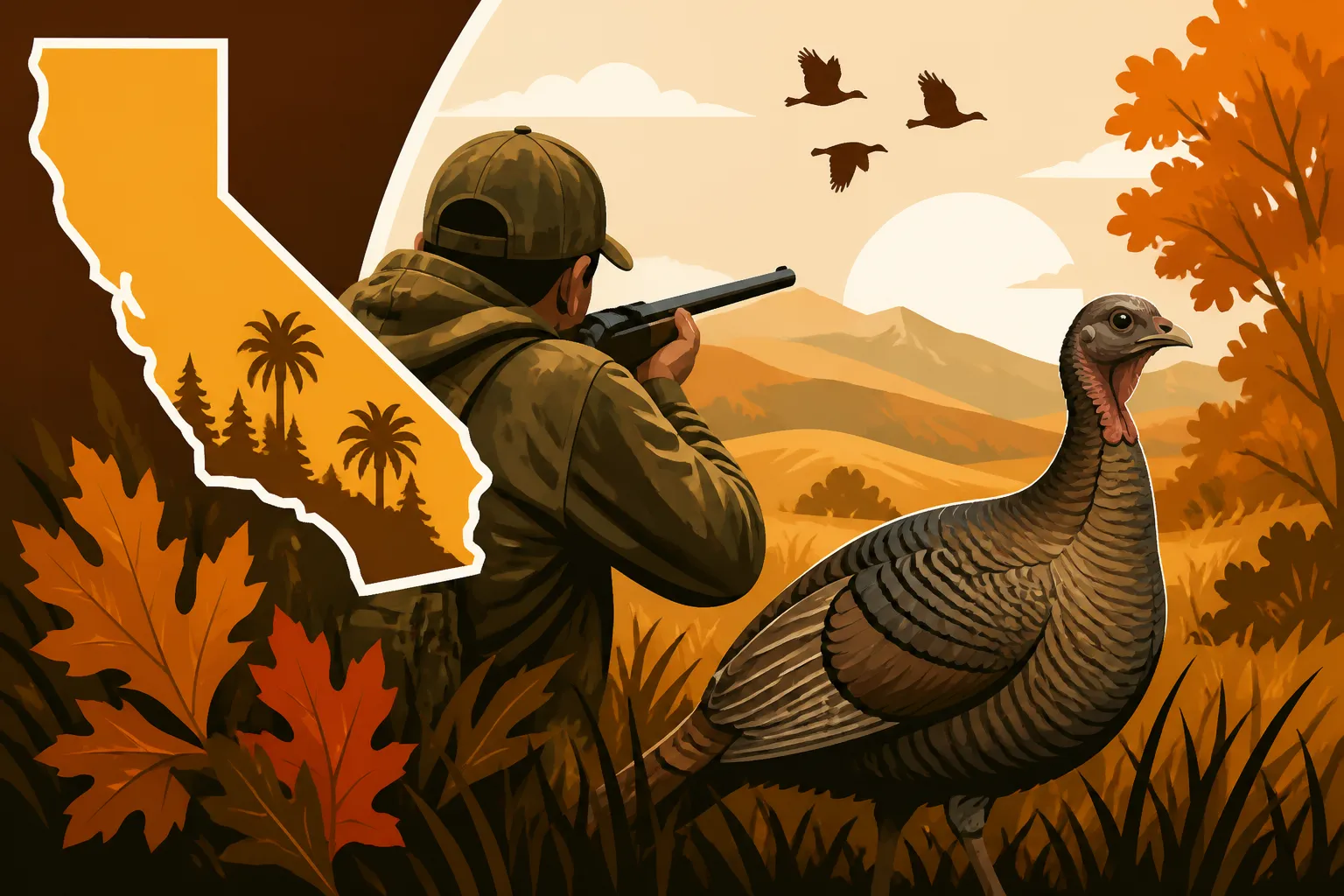
It’s a question that trips up a lot of hunters, especially those new to the Golden State or those who've mostly focused on spring gobbler hunts: can you actually take a hen during California’s fall turkey season? The answer, thankfully, is a resounding yes, but it comes with a few important caveats and distinct approaches compared to the spring. This guide will walk you through the nuances of legally and ethically harvesting a hen during the fall, ensuring you’re confident and prepared when you hit the woods.
Understanding California's Fall Turkey Regulations
California's turkey hunting landscape changes significantly from spring to fall. While spring is all about the tom—the big, strutting gobbler—fall offers a more diverse opportunity, including the chance to harvest hens. This difference isn't arbitrary; it's rooted in wildlife management strategies designed to maintain healthy turkey populations.
The Legalities of Taking a Hen
When the leaves start to turn and the cooler weather rolls in, many hunters wonder if their fall turkey tags are truly "any bird" tags. In California, during the general fall turkey season, you can legally harvest a hen. This is a crucial distinction from the spring season, where hunters are typically restricted to bearded birds only, primarily to protect nesting hens and ensure reproductive success.
For the fall, the California Department of Fish and Wildlife (CDFW) sets specific season dates, and during these periods, the bag limit allows for one bird per day, with a season limit of two birds. This means if you have the appropriate tag, you can pursue and harvest a hen. The key is always to double-check the current year's regulations on the CDFW website or through resources like GoHunt, as dates and specific rules can sometimes see minor adjustments. You’ll need a valid California hunting license and an upland game bird validation, which is your permit for all things turkey, quail, dove, and more. Make sure you understand the nuances of the California Turkey Season Rules, as they lay out the foundational framework for all turkey hunting in the state.
Why the Rules Differ from Spring Season
The shift in regulations from spring to fall isn't just to give hunters more options; it's a calculated move based on turkey biology and population dynamics. Spring is the breeding season. Protecting hens during this time is paramount to ensure they can nest, lay eggs, and raise poults, which are vital for future turkey numbers. If too many hens are harvested in the spring, it could severely impact the following year's recruitment.
By fall, the reproductive cycle is complete. Poults are generally mature enough to survive independently, and the overall turkey population has swelled from the spring hatch. At this point, harvesting some hens doesn't significantly impact the breeding potential for the next spring. In fact, regulated fall hen harvests can be a tool for managing population density in certain areas, helping to maintain balance with available habitat and food sources. It's about sustainable management, ensuring that hunters can enjoy the pursuit while the turkey populations remain robust for years to come. Thinking about the overall California Turkey Population Estimate helps illustrate why these rules are in place and why they're so important for long-term health.
Strategies for Harvesting a Fall Hen
Hunting fall turkeys, especially hens, requires a different mindset and approach than chasing lovesick gobblers in the spring. Fall birds are often more concentrated in larger flocks, less vocal with gobbles, and driven primarily by food. Adaptability is your best friend here.
Scouting and Locating Fall Flocks
Unlike spring, where you might focus on roosting birds and strutting grounds, fall scouting for hens is heavily centered around food sources. Turkeys are constantly foraging to put on weight for the winter, and finding where they're feeding is half the battle.
Look for areas rich in mast crops—acorns, especially, are a massive draw. California's oak woodlands are prime spots for this. Pay attention to stands of black oaks, live oaks, and blue oaks. Turkeys will spend hours scratching under these trees, and the ground will often be littered with fresh sign: scratching patterns, droppings, and shed feathers. Beyond acorns, don't overlook agricultural fields. Turkeys love gleaning leftover grains from harvested fields like corn, wheat, or even alfalfa. These fields can act as magnets, especially in the Central Valley or coastal range foothills. Early morning or late afternoon glassing sessions can reveal where flocks are entering and exiting these areas. Use tools like GoHunt's mapping features to identify potential oak stands, field edges, and water sources. Sometimes, just driving quiet backroads at dawn or dusk can reveal birds moving between roosting areas and feeding grounds. You might also find yourself scouting like you would for deer, checking creek bottoms and meadows, using techniques like those detailed in reading aerial photos for Sierra deer, but adapted for turkey habitat.
Calling Techniques for Fall Hens
Forget the aggressive gobbler yelps and cutts of spring. Fall calling is a more subtle, often more social affair. The primary goal is often to reassemble a flock that has been scattered, mimicking the sounds of lost birds trying to find their family.
One of the most effective strategies is the "kee-kee" run, which imitates a lost poult or young turkey. This is a high-pitched, pleading whistle-like call that can draw in both hens and jakes eager to regroup. Another powerful tactic is to break up a flock. If you can sneak close enough to a feeding flock, rush them to scatter them in all directions. Then, wait for 15-30 minutes, let things calm down, and start making soft "assembly yelps" or "clucks and purrs." These are reassuring hen sounds, signaling safety and a desire to regroup. A fly-down cackle can also work wonders in the early morning if you hear birds still on the roost and want to bring them down your way. Remember, fall birds are often less vocal than their spring counterparts, so don't overcall. Listen carefully and respond to the mood of the flock. If you're hunting in areas with thick cover, rattling and grunting California blacktail bucks is a very different technique, but the principle of understanding the animal's vocalizations to draw them in remains.
Setting Up for a Shot
Once you’ve located birds or successfully scattered a flock, your setup is critical for a clean shot. Fall turkeys, especially hens, can be wary, but they also have a strong social drive to reassemble.
Concealment is paramount. Whether you're using a portable ground blind or simply leveraging natural cover like thick brush, a downed log, or the base of a large oak, ensure you break up your outline completely. Turkeys have excellent eyesight. If you’re hunting in oak woodlands, setting up against a big valley oak can offer superb concealment and a wide field of view. Decoys can be highly effective in the fall, particularly a single hen decoy or a small group. A jake decoy combined with a hen can also be a magnet for other jakes or even curious adult hens. Position your decoys where approaching birds will have a clear, unobstructed path, ideally within your effective shooting range (typically 20-30 yards for shotgun). If you're still-hunting California's Sierra Nevada timber or working an area known for active turkeys, being patient and letting the birds come to you is often the most productive approach. For archery hunters, a specific strategy for Hunting the Archery-Only Fall Turkey Season might involve even greater concealment and closer shots.
Finally, consider your shot placement. Turkeys are deceptively tough. For shotgunners, the head and neck are the most vulnerable areas. Aim for the base of the neck where it meets the body to ensure a quick, ethical kill. For archers, a well-placed arrow into the vitals (lungs/heart) is crucial, just behind the wing butt.
Ethical Considerations and Best Practices
As with all hunting, ethical considerations are paramount, especially when targeting hens. Our responsibility as hunters goes beyond legal compliance; it’s about respect for the animal and the conservation of the resource.
Identifying Your Target Accurately
While it's legal to take a hen in the fall, misidentification can happen, especially in low light or dense cover. It's incredibly important to be 100% sure of your target before you take a shot. Young jakes (juvenile gobblers) can sometimes resemble hens, especially their smaller size and less pronounced beard. Look for key identifiers:
- Head Color: Adult gobblers and jakes will often have red, white, and blue coloration on their heads, which can become more vibrant when excited. Hens typically have duller, more muted blue-gray heads, though they can show some color.
- Beard: This is the most obvious differentiator. While some hens can grow beards (a "bearded hen"), it's rare, and their beards are usually much thinner and shorter than a tom's. Always assume an absence of a beard means it's a hen, and if there's any doubt, err on the side of caution.
- Size and Gait: Adult gobblers are noticeably larger and will often strut, even if subtly, in the fall. Hens are generally smaller and move with a more uniform, less showy gait.
In situations where you cannot clearly identify the bird, it’s always best to let it walk. There will be other opportunities. Responsible hunting means ensuring the integrity of the resource. If you're hunting with a rifle, remember that California's non-lead ammunition requirement applies to all big game, including turkeys. Choosing Non-Lead Rifle Ammunition in California is a critical component of preparing for your hunt.
Field Care for Fall Turkeys
Once you’ve successfully harvested a hen, proper field care is essential to ensure the meat is of the highest quality. Fall temperatures can still be warm in many parts of California, so acting quickly is important.
First, immediately tag your bird according to California's regulations. Then, get to work field dressing. Unlike deer, you don't necessarily need to gut a turkey in the field, but it's highly recommended, especially in warmer weather. Remove the entrails to allow the carcass to cool down as quickly as possible. If you’re far from your vehicle, consider plucking the bird or at least skinning the breast and legs to reduce weight and cool the meat faster. Place the bird in a game bag or breathable cloth sack to protect it from dirt and insects, allowing air circulation. Never put a freshly harvested bird directly into a plastic bag, as this traps heat and can spoil the meat. If you’re concerned about temperatures, bringing a cooler with ice (keeping the bird out of direct contact with the ice, ideally in a separate bag or elevated on a rack) can be a lifesaver. This quick cooling process is similar to the recommendations for field dressing a deer in hot weather. Finally, remember that all turkey harvests must be reported to CDFW through their Automated License Data System (ALDS). Familiarize yourself with the California Fall Turkey Permit Rules to ensure you comply with all reporting requirements.
California Fall vs. Spring Turkey Hunting Rules
| Feature | Spring Turkey Season | Fall Turkey Season |
|---|---|---|
| Legal Harvest | Bearded birds only (Toms, Jakes) | Any turkey (Toms, Jakes, Hens) |
| Bag Limit (Daily) | One bearded bird per day | One bird per day |
| Season Limit | Typically three bearded birds (varies by year/zone) | Typically two birds |
| Primary Goal | Breeding; protect hens | Population management; provide hunter opportunity |
| Calling Focus | Aggressive gobbler calls, hen yelps to attract toms | Assembly calls (kee-kees, clucks, purrs), flock scatter |
| Bird Behavior | Gobbling, strutting, focused on breeding | Flocking, feeding, less vocal, focus on survival |
| Required Stamp | Upland Game Bird Validation | Upland Game Bird Validation |
Disclaimer
Please remember that hunting regulations, season dates, and specific requirements can change. Always consult the official California Department of Fish and Wildlife (CDFW) regulations or their website for the most current and accurate information before planning any hunting trip. This guide is for informational purposes only and should not be considered a substitute for official legal documents.