Reading a Wetland for a Morning Flight
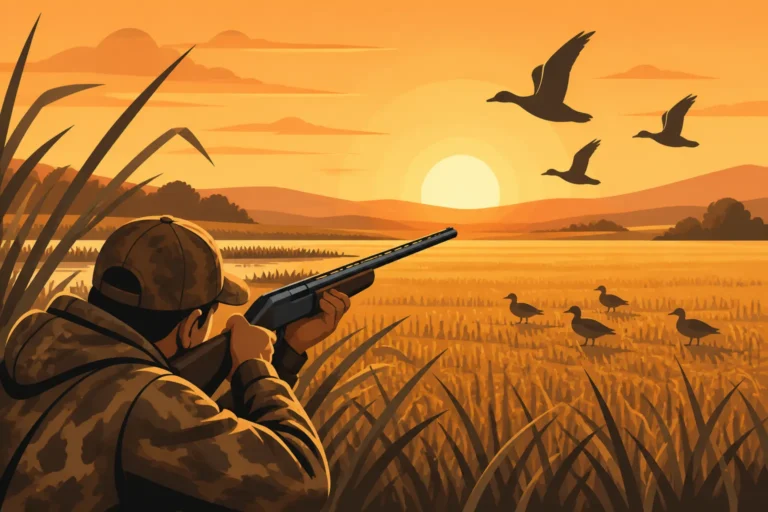
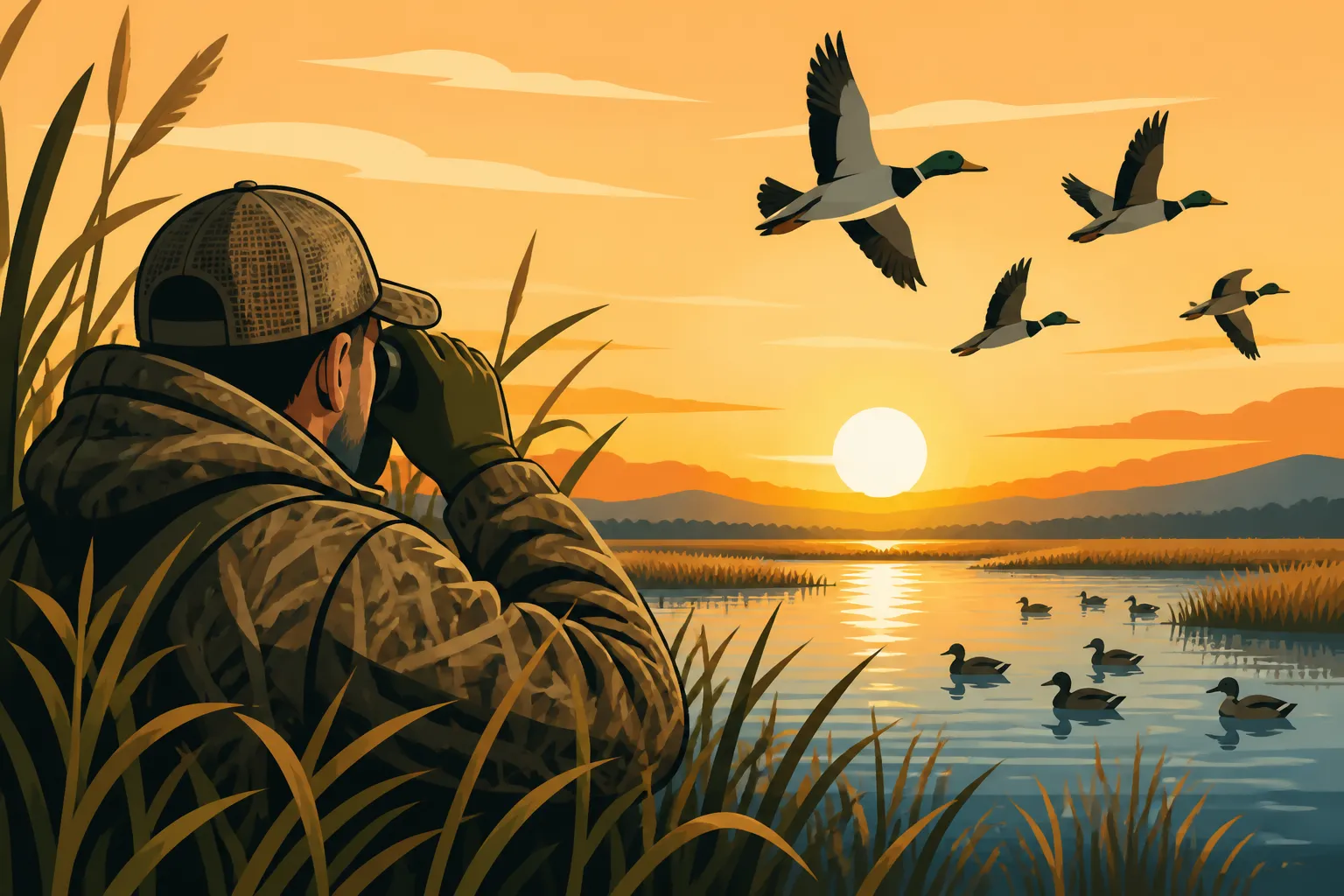
There's nothing quite as frustrating as waking up before dawn, setting out your spread in the frigid Central Valley fog, and then watching wave after wave of ducks and geese zip by your blind, completely ignoring your calls and decoys. You scratch your head, wondering what you did wrong. The truth is, waterfowl hunting success often hinges less on fancy gear and more on understanding the subtle cues the birds and their environment are constantly giving you. This guide is all about learning to "read the wetland" so you can anticipate morning flight patterns and put yourself in the right place at the right time.
Understanding Wetland Ecosystems and Waterfowl Behavior
Before you can truly read a wetland for a morning flight, you need to grasp the fundamental dynamics of these vital habitats and the fascinating behaviors of the waterfowl that call them home, at least temporarily. California, particularly the Central Valley, is a critical stopover on the Pacific Flyway, hosting millions of ducks and geese each year. Understanding where they want to be, and why, is your first step to success.
Different Types of California Wetlands
California offers a diverse array of wetland environments, each attracting different species and presenting unique hunting challenges. Knowing the characteristics of these areas is paramount. You might be hunting vast flooded rice fields, dense cattail marshes, open shallow impoundments, or even river sloughs. Each habitat type dictates how birds utilize the landscape. Flooded rice fields, common throughout the Sacramento and San Joaquin valleys, are prime feeding grounds for dabbling ducks like mallards and pintails, as well as geese, particularly during harvest and post-harvest periods.
Natural marshes, like those found in the Suisun Marsh or certain wildlife areas, often provide thicker cover, deeper water, and diverse food sources like sedges, bulrushes, and aquatic invertebrates. These areas can hold a wider variety of species, including divers and dabblers, throughout the season. River sloughs and flooded timber along major waterways can also be productive, especially during colder weather or when other areas are frozen, offering sanctuary and different food sources. Learning to recognize these distinct zones and understanding what each offers to different birds is crucial for effective scouting and setup.
Waterfowl Species and Their Preferences
Not all waterfowl are created equal, and their preferences for wetland types, food sources, and even flight patterns vary significantly. Mallards and pintails, for instance, are classic dabblers that prefer shallower water where they can tip up to feed on submerged vegetation and agricultural grains. They often fly relatively low, especially when approaching a field, and respond well to realistic decoy spreads and aggressive calling. You'll often find them working over flooded fields or shallow ponds.
Geese, including Greater White-fronted Geese ("specks") and Snow Geese, have different dietary needs, often preferring dry or newly flooded fields with waste grain or lush green shoots. Their flight paths are typically higher, and they often travel in larger, more vocal flocks. While you might encounter them in the same general area as ducks, their specific landing zones and approach angles can be quite different. Knowing which species you're targeting will heavily influence your setup, decoy choice, and calling strategy. You might be interested in a guide on Decoying Mallards on Flooded Rice Ground or Pass-Shooting Geese on California's Sacramento Refuges to dive deeper into these specific methods.
The Rhythms of Morning Flight
Waterfowl, like most wildlife, operate on distinct daily rhythms, and understanding the typical flow of a morning flight is key to predicting their movements. The earliest hours, often before official shooting time, can see birds leaving their nocturnal roosts to head to feeding grounds. These flights tend to be direct, often at altitude, as birds are simply trying to get from point A to point B. As legal shooting time approaches and dawn breaks, the flight patterns become more varied. Birds that have already fed might start loafing, while others continue their journey to prime feeding spots.
The peak of the morning flight usually occurs within the first hour or two after legal shooting time, as birds move from distant roosts to feed. During this window, you'll often see the most consistent and active bird movement. However, as the sun climbs higher, and especially with increased hunting pressure, the flight often tapers off, with birds becoming warier and more prone to seeking refuge in undisturbed areas. Being aware of these natural rhythms allows you to time your efforts and anticipate when birds are most likely to be moving and receptive.
Key Factors for Reading a Morning Flight
Once you understand the basics of the wetland and the birds, it's time to dig into the specific environmental factors that directly influence how and where ducks and geese fly. These aren't just minor details; they are the game-changers that can make or break your hunt.
The Critical Role of Wind and Weather
Ask any seasoned waterfowl hunter, and they'll tell you: wind is your best friend. Or your worst enemy. It's truly that critical. Wind direction dictates how birds land. Just like an airplane, ducks and geese almost always land into the wind, using it to slow their descent and maintain control. This is a fundamental principle you absolutely must understand. If the wind is coming from the north, birds will approach your spread from the south, turn, and then set their wings to land facing north. Your blind should be positioned to conceal you from that approach path.
Beyond direction, wind speed also plays a significant role. A light breeze can be perfect, creating ripple on the water that makes decoys look alive and helps carry your calls. A strong, blustery wind, however, can make birds fly lower, but also harder to control, sometimes causing them to flare more readily. Calm, still days are often the most challenging, as birds can see everything, and decoys look lifeless. Weather fronts, especially cold fronts, can trigger significant migrations and increase bird activity, while warm spells can make birds lethargic and less inclined to move. Always check the forecast and have a plan for how wind and weather will influence the flight.
Deciphering Light and Cloud Cover
The amount and quality of light can dramatically affect waterfowl movement and their ability to detect hunters. On bright, clear mornings, especially with a low sun angle, birds can be incredibly wary. The sun can create glare on the water, making it difficult for birds to judge distances, but it also highlights any movements or unnatural objects in your spread or blind. Positioning your blind with the sun at your back, forcing birds to look into the glare as they approach, can be a huge advantage.
Cloud cover, on the other hand, can be a hunter's friend. Overcast skies soften the light, reduce shadows, and often make birds feel more secure, leading to lower, more confident flying. Fog, while challenging for visibility, can sometimes bring birds in closer, as their sight distance is reduced. You need to consider how light conditions will affect both the birds' vision and yours. Can they see your face when they're 50 yards out? Is your blind casting a long shadow that looks out of place? These subtle observations can make all the difference.
Recognizing Pressure and Bird Movement
Hunting pressure is arguably one of the biggest factors influencing waterfowl behavior, especially in heavily hunted areas like those across California's Central Valley Flyway. Birds quickly learn where the "safe zones" are, where they've been shot at, and where they can find undisturbed feeding and roosting areas. If an area has been hammered for days, birds will often abandon it for quieter spots, even if the food source is excellent. This is where observation from afar or using tools like GoHunt's mapping features to identify refuge boundaries and low-pressure spots becomes invaluable.
You might see birds flying consistently high, out of range, signaling they've been shot at extensively. Or you might notice them consistently flaring over a certain part of your spread, indicating something is off. By paying attention to how birds react to your presence, your decoys, and other hunters in the area, you can gain critical insights. If birds are working a distant corner of the field, perhaps you need to move or adjust your spread to that area. Waterfowl are incredibly adaptable, and your ability to read and react to their responses to pressure is a hallmark of an experienced hunter.
Scouting and Pre-Season Preparation
Effective waterfowl hunting isn't something you just show up for on opening day. It's a continuous process that begins long before the season, utilizing every tool at your disposal to gather intelligence. This pre-season work is the foundation upon which successful morning flights are read and intercepted.
Aerial Reconnaissance and Mapping Tools
In today's digital age, mapping tools have revolutionized how we scout. Platforms like Google Earth, Gaia GPS, or specialized hunting apps such as GoHunt, allow you to conduct extensive aerial reconnaissance from the comfort of your home. You can identify potential water sources, flooded fields, timber patches, and travel corridors between known roosting and feeding areas. Look for patterns in agricultural fields—which ones have been harvested? Which are still standing? Which have visible water? These details are impossible to discern from the ground.
By overlaying public land boundaries, refuge zones, and potential access points, you can develop a preliminary plan without ever stepping foot in the mud. For example, if you're targeting specific species, you can identify ideal habitat based on your aerial survey. Knowing how to use these tools effectively, perhaps even before considering Scouting California Public Land Before Season, gives you a massive advantage in understanding the larger landscape and narrowing down your focus areas. This digital legwork saves countless hours of on-the-ground scouting, helping you focus your efforts where they're most likely to pay off.
On-The-Ground Intel Gathering
While aerial maps provide the big picture, nothing beats putting boots on the ground to gather real-time intelligence. This means driving or walking around potential hunting areas in the days and weeks leading up to your hunt. Watch where birds are flying at dawn and dusk. Are they hitting a particular field hard? Are they roosting in a specific pond? Pay attention to subtle signs like droppings on field edges, worn paths to water, and feather piles, which indicate recent activity.
If you have permission, walk through fields or along marsh edges to identify specific loafing spots, natural blinds, or areas where birds have been feeding heavily. This physical scouting allows you to confirm what you saw on the maps and discover details that satellite imagery can't provide, such as water depth, actual vegetation types, and accessibility. It also helps you understand how birds are reacting to any early season pressure. Remember, birds move, so current intel is always superior to old information.
Interpreting Historical Data
Experienced hunters often keep detailed logs of their hunts, noting things like weather conditions, wind direction, bird numbers, species observed, and success rates. This historical data, sometimes also found in public harvest reports for wildlife areas, can provide invaluable insights into long-term patterns. For instance, you might notice that a particular field always holds ducks during a specific moon phase or after a certain amount of rainfall. Or that geese consistently use a specific corner of a refuge-adjacent field later in the season.
While current conditions are always primary, historical data helps you form a baseline understanding of how birds typically behave in a given area under certain circumstances. It helps you anticipate rather than just react. For example, knowing that California Duck Harvest Numbers typically spike during cold snaps in December can help you plan your most productive hunts. Even without a personal log, many public hunting areas offer statistics on Reading a California Harvest Report, which can inform your decisions significantly.
In-The-Moment Adjustments and Adaptations
You've done your homework, scouted the area, and set up your blind and decoys according to your best intel. But the morning flight isn't a static event; it's dynamic, and your ability to adapt on the fly is what truly separates successful hunters from those who just watch birds fly by.
Setting Up Your Spread Based on Flight Patterns
Even the most meticulously planned decoy spread might need adjustments once the birds start flying. Pay close attention to how the first few flocks are reacting. Are they flaring short, landing long, or swinging wide around your entire spread? This is the wetland "talking" to you. If birds are consistently landing 50 yards beyond your spread, it might indicate they're seeing something they don't like in your kill hole, or they simply prefer a more open landing zone. Consider moving your spread forward or thinning out some decoys.
Sometimes, a slight shift in wind can drastically change approach paths, making your original spread placement less effective. You might need to quickly re-position a few key decoys or even adjust your entire blind if the birds are consistently working a different angle. Remember, the goal is to create a realistic, inviting landing zone where birds feel safe to commit. If they're not committing, something needs to change. A little mid-hunt hustle to tweak your setup can turn a slow morning into a successful one. If you're struggling, a deeper dive into Decoy Placement for Pressured California Birds could be very helpful.
Calling Strategies for Incoming Birds
Just like your decoy spread, your calling strategy needs to be dynamic. There's no single "best" call; it all depends on the birds' mood and distance. When birds are far out, a loud, drawn-out hail call might be necessary to get their attention. As they get closer, switch to softer, more contented feed calls, clucks, and quacks. If they're locked up and coming in, often less is more – let the decoys do the work, and just a soft greeting might be all that's needed.
Crucially, watch their reaction to your calls. If they're turning towards you, keep calling in a similar vein. If they're flaring or ignoring you, try a different cadence, volume, or even a different type of call (e.g., a pintail whistle if you're seeing a lot of pintails). Overcalling, especially with loud, aggressive calls on wary birds, can easily spook them. Sometimes, going silent when birds are directly overhead is the best strategy. Practice reading their body language in response to your calls, and be ready to change tactics instantly.
Adapting to Changing Conditions
Waterfowl hunting is a constant game of adaptation. The weather can change in an instant – a sudden wind shift, a passing cloud bank, or a surprise rain shower can all alter bird behavior. Be ready to adjust your positioning, calling, and even your shooting lane. If the sun breaks through heavy clouds, be mindful of glare. If the wind dies, birds might become warier and you might need to tone down your calling.
Other hunters can also influence your hunt. If nearby blinds are hammering birds and pressuring them to fly higher, you might need to hold fire on marginal shots or focus on getting birds to commit closer. Conversely, if birds are consistently circling a certain way because of pressure from another direction, you might be able to capitalize by adjusting your spread or position slightly to intercept that flight path. Using a mapping tool like GoHunt can help you visualize where other hunting zones or refuges are, and how they might be affecting bird movement. The most successful hunters are the ones who can continuously read the evolving situation and make intelligent, real-time adjustments.
Wetland Bird Species and Preferences
Knowing what different birds look for in a wetland can help you pinpoint the most productive hunting spots. Here’s a quick overview of some common California waterfowl species and their habitat preferences.
| Species | Preferred Wetland Type | Primary Food Sources | Typical Flight Pattern | Notes |
|---|---|---|---|---|
| Mallard | Flooded fields, shallow marshes, sloughs | Waste grain, aquatic vegetation, seeds | Relatively low, often circular, responsive to calls | Most common, adaptable, often decoy-friendly |
| Northern Pintail | Shallow flooded fields, open mudflats | Waste grain, seeds, aquatic plants | Fast, high altitude, graceful, less responsive to calls | Wary, often arrive early, prefer open water |
| Green-winged Teal | Shallow muddy edges, small ponds, ditches | Small seeds, aquatic insects | Erratic, fast, low to the water, often in tight groups | Extremely fast, excellent table fare, can be hard to hit |
| Wigeon | Shallow marshes, flooded pastures | Green vegetation, grass, aquatic plants | Medium height, often chatter, wary | "Grazers," often found with other dabblers, distinctive whistle |
| Canada Goose | Dry fields, large open water, short grass | Grains, grass, shoots | High altitude, V-formations, loud honking | Very wary, prefer large spreads, often pass-shoot |
| White-fronted Goose | Flooded fields, short grass, marsh edges | Grains, green shoots, tubers | Medium-high, often in family groups, "laughing" call | Also known as "Specks," respond to flag/decoy combos |
| Snow Goose | Open fields, large shallow water | Grains, roots, shoots | Very high, massive flocks, constant chatter | Extremely wary, require massive decoy spreads, high volume |
Conclusion
Successfully reading a wetland for a morning flight is a skill honed over countless hours in the field, but it's one that can be dramatically improved with knowledge and focused effort. It's about combining pre-season scouting, understanding the nuanced language of wind and light, recognizing the impact of pressure, and being flexible enough to adapt when things don't go according to plan. By paying close attention to these details, you'll not only increase your chances of a successful hunt, but you'll also deepen your connection to the amazing waterfowl and diverse wetland habitats that make California hunting so rewarding.
Disclaimer
Hunting is an inherently dangerous activity. This article provides general information and should not be considered a substitute for professional instruction, adherence to all local, state, and federal hunting regulations, and common sense safety practices. Always prioritize safety, carry appropriate emergency gear, and respect wildlife and the environment.