California Bear General Season Dates
For many California hunters, the black bear season can feel like a moving target. You've got the general season dates, but then there's that ever-present statewide quota that can slam the door shut without much warning. It's enough to make you scratch your head and wonder when you can actually hit the woods. This guide aims to clear up the confusion surrounding California's general bear season dates, diving deep into the regulations, the quota system, and how you can best prepare for a successful hunt.
Understanding California's Black Bear General Season Dates
Hunting black bears in California is a unique experience, offering challenging opportunities in diverse habitats, from the coastal ranges to the high Sierra Nevada. However, unlike deer seasons that have set closing dates for specific zones, the general bear season operates under a dual system that can make planning a bit tricky. It’s not just about knowing when it opens; it’s about understanding when it might close early.
Statewide Season Openings and Closings
Typically, California's general bear season kicks off on the last Saturday in August or concurrently with any general deer season, whichever comes first. This means if your deer zone opens in August, so does bear season in that area. For many, this offers a fantastic chance to combine hunts, pursuing deer while keeping an eye out for a legal bear. However, the season isn't just tied to deer zones; there are also specific statewide opening dates that apply regardless of local deer seasons. The official statewide general season opening day is generally the last Saturday in October, but bears can often be harvested earlier in conjunction with many deer seasons. The crucial thing to remember is that while a closing date is technically set for the last Sunday in December, the season very rarely reaches that point due to the statewide quota.
Why Dates Can Shift Annually
While the general framework for opening dates remains fairly consistent, always double-check the current year's regulations. The California Department of Fish and Wildlife (CDFW) will publish the precise dates well in advance. Minor shifts can occur due to calendar changes (e.g., which Saturday falls on which date), but the biggest "shift" isn't a printed date change; it's the season being cut short because the quota is met. This unpredictable early closure is the primary reason why just knowing the initial opening and closing dates isn't enough. Hunters really need to stay informed and track the harvest numbers as the season progresses. Many avid bear hunters use mapping and hunting strategy platforms like GoHunt to keep tabs on season updates and regulations.
Key Dates to Mark on Your Calendar
Let's break down the typical calendar flow for the California bear general season. First, you have the early opportunities that align with many deer seasons. For example, in Zone A, the deer season kicks off in mid-August, and bear season opens concurrently. The same often applies to many of the D-zones. This means you could be out there as early as mid-August with a bear tag in your pocket. Then, you have the main statewide general season opening, which usually falls on the last Saturday of October. This later opening allows for cooler weather, often after some early deer seasons have wrapped up, and can be a prime time for bears feeding heavily before winter denning. Remember, these are opening dates. The actual hunting window for many often closes much, much sooner. Always ensure you've picked up your California hunting licenses and what they cost, including your bear tag, well before these dates.
The Critical Statewide Quota System
California operates under a unique management system for black bears, centered around a statewide harvest quota. This isn't just a guideline; it's a hard limit that can bring the season to an abrupt halt, regardless of the printed closing date. Understanding this system is paramount for any hunter hoping to pursue a bear in the Golden State.
How the 1,700-Bear Quota Works
The CDFW has set a statewide quota of 1,700 black bears. This number represents the maximum number of bears that can be legally harvested in California across all open bear seasons (archery and general) in a given year. It's a conservative management tool designed to ensure the long-term health and stability of the state's robust black bear population, which is estimated to be over 30,000 animals. Every legally harvested bear, whether it's taken in the early archery season or during the general rifle season, counts against this 1,700-bear total. The moment the harvest count approaches or reaches this number, the CDFW can issue an emergency closure of the season, effective quickly. This system emphasizes ethical hunting and accurate reporting to allow the CDFW to manage the population effectively.
The Impact of the Quota on Season Length
The 1,700-bear statewide quota dramatically impacts the actual length of the general bear season. In reality, the general season rarely, if ever, runs until its technical closing date in December. Most years, the season is closed much earlier, often in late October or early November, sometimes even earlier if there's a surge in harvest numbers. For example, if there's a good acorn crop year, bears are active and visible, leading to higher hunter success and a quicker quota fulfillment. This means hunters need to be prepared to hunt early in the season if they want the best chance, particularly if they are interested in spot-and-stalk bear hunting before the quota closes. The unpredictability of the closure makes it one of the most dynamic aspects of California bear hunting.
Checking Whether the Bear Quota Has Closed
Given the critical nature of the quota, staying informed about the current harvest numbers is absolutely essential. The CDFW provides several ways for hunters to check the real-time bear harvest count. Their website is the primary source, usually featuring a prominent banner or dedicated page that displays the running total. They also often provide a phone hotline number where hunters can call in for an update. It's highly recommended that hunters check this status daily when they are actively hunting or planning to hunt, especially as the harvest total climbs above 1,000 bears. Missing a closure announcement and harvesting a bear illegally can lead to significant penalties. Many hunters also rely on community forums, hunting apps, and even services like GoHunt to get timely updates and alerts regarding the quota status. Knowing when to stop hunting is just as important as knowing when to start.
Essential Regulations Beyond Just Dates
While understanding the season dates and the quota is critical, successful and legal bear hunting in California involves adhering to a host of other important regulations. These rules are designed to ensure hunter safety, ethical harvesting, and the continued health of the bear population.
The Non-Lead Ammunition Requirement
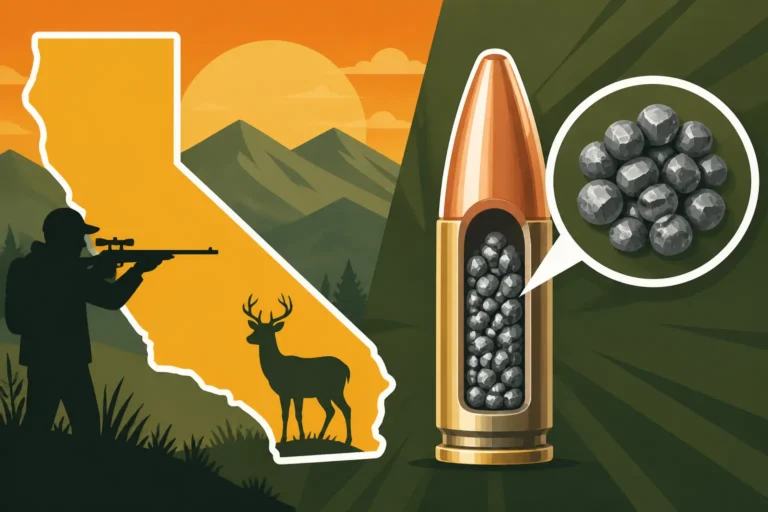
California has a statewide ban on lead ammunition for all hunting, which has been fully in effect since July 1, 2019. This means that if you're planning to hunt bears with a rifle, you must use non-lead ammunition. This regulation extends to all firearms, including shotguns (if using slugs for bear) and muzzleloaders. The primary reason for this law is to protect the California condor and other wildlife from lead poisoning, which can occur when animals scavenge on gut piles or unrecovered game shot with lead bullets. It's crucial to understand which non-lead bullets California approves and to ensure your chosen ammunition is readily available and sighted in for your rifle. Many popular rifle calibers for California big game, like the .308 or .30-06, have excellent non-lead options, typically made from copper or copper alloy.
Legal Hunting Hours and Methods
California's general hunting regulations dictate legal shooting hours. For big game, including bears, hunting is allowed from one half-hour before sunrise to one half-hour after sunset. This means those prime low-light hours at dawn and dusk are fair game. As for methods, bear hunting is typically done via spot-and-stalk or still-hunting. Baiting bears with food or other attractants is strictly prohibited in California, as is using dogs to pursue bears (with very limited exceptions for training). Trapping bears is also illegal. Hunters must be active participants in the pursuit. It's also important to note that while crossbows are permitted during the general season, if you're hunting during the early California bear archery season dates, specific weapon rules apply. Always ensure you are familiar with California legal firearms for deer hunting, as these often overlap with bear regulations.
Tagging and Reporting Your Harvest
This is one of the most critical parts of the quota system: accurate and timely reporting. Once you successfully harvest a bear, you must immediately attach your bear tag to the animal. This tag needs to be validated by the hunter, typically by notching out the month and day of kill. But the responsibility doesn't end there. All bear harvests in California must be reported to the CDFW within 24 hours of taking the animal. This is how the CDFW tracks the quota in real-time. You can report your harvest online through the CDFW's Automated License Data System (ALDS) or by phone. Additionally, the skull of any harvested bear must be presented to a CDFW office for inspection within 10 days of the take, allowing biologists to collect valuable data on age, sex, and population health. Failure to tag or report properly can result in significant penalties, including fines and license suspension.
Navigating Bear Season with Planning and Information
The dynamic nature of California's bear season, particularly with the statewide quota, means that thoughtful planning and consistent access to current information are your best allies. You can't just pick a date on the calendar and assume it will hold.
Resources for Up-to-Date Season Information
Staying informed is paramount. The primary and most authoritative source for all California hunting regulations, including bear season dates and the current quota status, is the California Department of Fish and Wildlife (CDFW) website. They typically have a dedicated "Bear Harvest Update" section or a prominent notification during the season. It's worth bookmarking this page. Additionally, many hunting apps and platforms, like GoHunt, integrate real-time CDFW data, offering convenient ways to monitor the quota and get alerts. Local sporting goods stores that sell hunting licenses often have up-to-date printed regulations, and their staff can be a good source of information, especially regarding local conditions. Don't rely on outdated information or hearsay; always verify with official sources.
Scouting and Preparation for Success
Successful bear hunting, especially under a variable season length, requires diligent scouting and preparation. You can't wait until the last minute. Bears are most active during the early morning and late evening hours, and their movements are often tied to food sources. In late summer and early fall, look for areas with abundant berries, acorns, and other mast crops. Later in the fall, they'll often be found near perennial water sources or areas where they can find last-minute food before denning. Glassing a burn scar for a feeding bear can be incredibly effective, as new growth often attracts them. Pay attention to scat, tracks, and rubbed trees as signs of bear activity. Understanding wind and thermals in steep Sierra country is also crucial, as bears have an incredible sense of smell. Being in shape for long hikes in potentially rugged terrain is also a huge advantage.
What Happens If the Season Closes Early
When the CDFW determines that the 1,700-bear quota is about to be met, they will issue a season closure notice. This notice often comes with a very short effective window, sometimes closing within 48 hours of the announcement. This is where those daily checks of the quota come into play. If you're out in the field and the season closes, you must cease hunting immediately. Any bear harvested after the official closure time is an illegal take, even if you weren't aware of the closure. This is why having a satellite communicator or a way to check reliable online sources (if you have cell service) is invaluable in remote areas. Knowing what happens when the bear quota fills early is critical for staying on the right side of the law.
Differences Between Archery and General Bear Seasons
California provides two distinct opportunities to hunt black bears: an archery-only season and the general season. While both fall under the same statewide quota, they have different opening dates, weapon restrictions, and often present unique hunting challenges.
California Bear Archery Season Dates
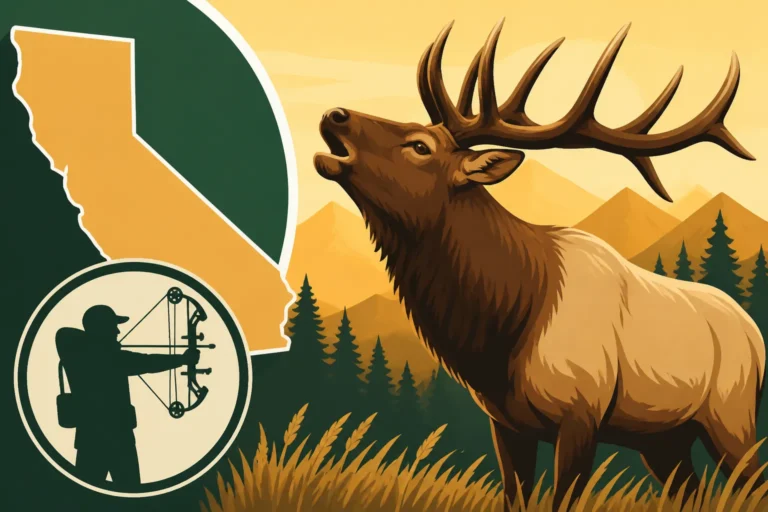
The California bear archery season typically precedes the general season, offering an early opportunity for bowhunters. This season usually opens in mid-August and runs for about a month, or until the quota is met, whichever comes first. For example, in many regions, the archery bear season might open concurrently with the Zone A Archery Season Opener for deer, providing an exciting dual-species pursuit in the challenging early-season conditions. This early window provides bowhunters with a chance to hunt bears when they are often very active, feeding on summer berries and forbs. However, the heat can be intense, and proper game care, like aging venison in hot weather, becomes even more critical for a successful harvest.
Weapon Restrictions and Season Overlap
During the archery-only season, only archery equipment (bows and arrows) is permitted. Crossbows are generally allowed in California's archery seasons, but always double-check the specifics for bear. Once the general bear season opens, hunters can use rifles, shotguns (with slugs), handguns, and archery equipment, provided they meet minimum caliber and projectile requirements, and of course, all ammunition must be non-lead. There's often an overlap period where both archery and general seasons are open concurrently, especially if the quota hasn't been met. This allows bowhunters to continue their pursuit into the general season, or for rifle hunters to take advantage of the earlier opening dates in specific deer zones. Understanding legal weapons during California archery season is essential for any bowhunter.
Planning for Both Opportunities
Many dedicated bear hunters plan their season to take advantage of both the archery and general season opportunities. This strategy maximizes your time in the field and increases your chances of success before the statewide quota is met. For instance, you might spend time in August and September hunting the August Archery Bear Window, focusing on areas with early-ripening food sources. If unsuccessful, you then transition to the general season in late October, focusing on areas with a good acorn crop or other late-season food sources. This requires extensive scouting, knowledge of bear habits, and adaptability. Platforms like GoHunt can be invaluable in researching hunting units, analyzing past harvest data, and understanding bear habitat to optimize your planning for both seasons. Remember, each bear tag allows for one bear harvest per year, regardless of which season you take it in.
Additional Considerations for California Bear Hunters
Beyond the dates and regulations, a successful and responsible bear hunt involves several other important aspects, from financial planning to ethical considerations.
California Bear Tag Costs and Application Process
Before you can even think about hunting dates, you need a bear tag. California bear tag costs are relatively affordable for residents, though non-resident tags are significantly higher. These tags can be purchased directly from the CDFW's online license sales system, through licensed agents, or at CDFW offices. Unlike many deer or elk tags, bear tags are over-the-counter, meaning you don't have to apply through a drawing for a general season bear tag. This accessibility makes bear hunting a popular option for many California hunters. However, you still need to possess a valid California hunting license before you can purchase a bear tag. Make sure you get these permits well in advance of your hunt.
Judging a Legal Bear From a Sow With Cubs
Ethical hunting and conservation are paramount. California regulations prohibit the take of cub bears (defined as less than one year old) or bears accompanied by cubs. This means hunters have a critical responsibility to field judge a legal bear before taking a shot. Sows with cubs will often have one or more smaller bears trailing them or in their immediate vicinity. Cubs can vary in size depending on the time of year, but they are generally noticeably smaller than an adult sow. Binoculars and spotting scopes are essential tools for careful observation to avoid mistakenly harvesting an illegal bear. When glassing a canyon for a bedded buck or bear, take your time and observe the animal's behavior and any accompanying smaller bears. When in doubt, let the bear walk.
Public Land Access for Bear Hunting
California boasts millions of acres of public land across its National Forests, Bureau of Land Management (BLM) lands, and State Wildlife Areas that offer opportunities for bear hunting. Areas like the Los Padres National Forest or Six Rivers National Forest provide vast, rugged terrain ideal for spot-and-stalk bear hunting. You can also find opportunities in the Sierra Nevada backcountry. Using mapping applications and scouting tools like those offered by GoHunt can help you identify public land boundaries and find promising bear habitat. Keep in mind that some areas, particularly in certain National Forests or Wilderness Areas, may have additional restrictions, such as seasonal closures for fire danger or specific rules regarding vehicle access. Always check local regulations for the area you plan to hunt.
| Season Type | Typical Opening Dates | Typical Closing Dates | Quota Impact | Legal Weapons (General) |
|---|---|---|---|---|
| Archery-Only Season | Mid-August (e.g., 2nd Saturday) | Mid-September (or quota met) | Yes (1,700 total) | Bows, Crossbows |
| General Season | Last Saturday in August (with deer zones) OR Last Saturday in October (statewide) | Last Sunday in December (or quota met) | Yes (1,700 total) | Rifles, Shotguns (slugs), Handguns, Archery |
Note: All dates are subject to change annually; always consult current CDFW regulations. The quota closure date is highly variable.
Disclaimer
The information provided in this guide is for informational purposes only and is subject to change. Hunting regulations are complex and can be updated frequently by the California Department of Fish and Wildlife (CDFW). It is the sole responsibility of the hunter to review and understand all current and applicable hunting laws and regulations before engaging in any hunting activity. Always check the official CDFW website or contact the department directly for the most accurate and up-to-date information.