California Disabled Hunter Permit Options
Hunting in California, with its vast and diverse landscapes, is an incredible experience, but for many hunters living with physical disabilities, the dream can often feel out of reach or bogged down by seemingly insurmountable obstacles. The frustrations are real – limited mobility can make accessing prime hunting grounds incredibly difficult, and traditional equipment might not be feasible. It's easy to feel disheartened when regulations don't seem to account for your unique needs. This guide is here to shed light on the specific disabled hunter permit options available in California, empowering you with the knowledge to navigate the system, understand your entitlements, and get back out into the field with confidence.
Understanding Eligibility for Disabled Hunter Permits
When it comes to qualifying for disabled hunter permits in California, it's not a one-size-fits-all situation. The California Department of Fish and Wildlife (CDFW) has specific criteria, and understanding these is the first crucial step toward getting the permits you need. It’s important to remember that these permits are designed to offer reasonable accommodations, not to bypass fundamental hunting regulations or safety standards.
Defining "Physically Disabled" in California Hunting Regulations
The CDFW defines "physically disabled" in a way that aims to be comprehensive yet specific, ensuring that accommodations are provided to those with genuine physical limitations impacting their ability to hunt under standard rules. Generally, this means an individual has a permanent physical impairment that substantially limits one or more major life activities, including walking, standing, or using their hands and arms. This isn't just about needing a little extra help; it's about a significant, lasting impediment that prevents participation without specific modifications or allowances. Think about conditions like severe arthritis, paralysis, limb loss, or chronic conditions that limit endurance and mobility to a point where navigating rugged terrain or holding traditional equipment becomes impossible or extremely dangerous. Your physician will play a critical role in verifying the nature and extent of your disability.
Required Medical Documentation and Forms
To prove your eligibility, the CDFW requires specific medical documentation. This isn't just a casual doctor's note; it's a formal process designed to ensure fairness and prevent misuse of these important accommodations. You'll typically need to have a licensed physician (M.D. or D.O.) complete a specific CDFW form, often titled something like a "Disabled Hunter Certification Form." This form will ask for detailed information about your medical condition, how it impacts your mobility or ability to use specific hunting equipment, and a certification that the disability is permanent. It's vital that your doctor is thorough and provides all requested details, as incomplete forms are a common reason for application delays or rejections. The CDFW may also reserve the right to request additional information or an examination if there are questions about the documentation provided. Make sure to keep copies of everything you submit for your records.
Types of Disabled Hunter Permits Available
California offers several key permits and programs designed to accommodate hunters with disabilities, each addressing different aspects of the hunting experience. These permits aim to level the playing field, allowing individuals with physical limitations to participate in hunting activities that would otherwise be inaccessible.
Motor Vehicle Access Permit
One of the most impactful permits for mobility-impaired hunters is the authorization to use a motor vehicle for access to certain hunting areas. For many public lands, vehicle access is restricted to designated roads. However, with a CDFW-issued Motor Vehicle Access Permit, a physically disabled hunter may be authorized to use a motor vehicle on some roads or routes that are normally closed to public vehicle traffic, specifically for the purpose of hunting or retrieving game. This can be a game-changer for reaching remote areas that are otherwise miles from the nearest legal parking spot. It's critical to understand that this permit doesn't grant carte blanche to drive anywhere. There are usually strict limitations on where and when you can use the vehicle, often restricted to established trails or roads, and usually not in designated wilderness areas. Always check the specific permit conditions and the regulations for the particular hunting area you plan to visit. Understanding these nuances is crucial for legal and ethical hunting, much like staying informed about California Public Land Hunting Hours.
Crossbow Authorization for Archery Seasons
For hunters who love the challenge of archery but whose physical disability prevents them from drawing and holding a traditional bow, California offers a specific Crossbow Authorization. This permit allows a physically disabled hunter to use a crossbow during any archery season where otherwise only traditional bows are permitted. Without this authorization, crossbows are generally only legal during general rifle seasons or specific crossbow-allowed hunts. This is a huge benefit for archers who, due to injury or disability, can no longer manage the draw weight of a compound or traditional bow. The application process for this permit is similar to other disabled hunter permits, requiring a physician's certification that your physical disability prevents you from using a conventional bow. It's important to note that all other archery season rules still apply, including specific legal projectile requirements, which tie into broader discussions about Crossbow Equipment Rules.
Mobility Impaired Hunter Access Program (MIHAP) Hunts
Beyond individual permits, the CDFW also runs the Mobility Impaired Hunter Access Program (MIHAP), which provides specific hunting opportunities tailored for disabled individuals. These are often special hunts on certain wildlife areas or refuges that have enhanced accessibility features, such as specially designated blinds, accessible roads, or curated hunting zones designed for ease of navigation. These hunts can offer a higher chance of success due to reduced pressure and managed conditions. For example, some MIHAP opportunities might be available at popular waterfowl hunting locations in the Central Valley, offering accessible blinds for duck and goose hunting. These hunts are often offered through a drawing or reservation system, so it’s essential to stay informed about application periods. Keeping an eye on the CDFW website or using a service like GoHunt, which can help track application deadlines for special draws, is a smart move.
How to Apply for a Disabled Hunter Permit
Navigating the application process for disabled hunter permits can feel daunting, but with a clear understanding of the steps involved, it becomes much more manageable. California's system is designed to be thorough, ensuring that permits are issued appropriately.
Step-by-Step Application Process
- Obtain the Correct Forms: The very first step is to get your hands on the right forms. These are usually available on the CDFW website under their hunting or licensing sections. You might also be able to request them from a CDFW office. Don't just print any form you find; ensure it's the most current version for the specific permit you're seeking (e.g., Disabled Hunter Motor Vehicle Access or Crossbow Authorization).
- Consult Your Physician: Take the relevant sections of the form to your licensed physician (M.D. or D.O.). They will need to complete the medical certification portion, detailing your specific disability and how it limits your ability to hunt under standard regulations. Emphasize to your doctor the importance of being thorough and clear in their description, as this medical statement is the backbone of your application.
- Gather Supporting Documentation: Beyond the physician's certification, you might need to include copies of your current California Hunting Licenses and What They Cost, or any other relevant identification. While not always explicitly required, having documentation that supports your disability (e.g., a disabled person parking placard) might be helpful, though the CDFW form is usually sufficient if completed properly.
- Complete Your Hunter Profile: Ensure all your personal information is accurate and matches your CDFW Go ID. This is critical for connecting your permit to your existing hunting records.
- Submit Your Application: Once all sections are completed and signed, submit the application to the CDFW. The forms will specify the correct mailing address or, in some cases, an email address for submission. Always send it well in advance of when you plan to hunt, as processing times can vary. Keeping a copy of your submitted application and proof of mailing (if sent via post) is always a good idea. There are generally no additional fees for these specific disabled hunter permits beyond the cost of your standard hunting licenses and tags.
Key Deadlines and Submission Requirements
While many disabled hunter permits, particularly the Crossbow Authorization and Motor Vehicle Access Permit, can be applied for year-round, it’s always best to apply well before the hunting season you wish to participate in. Don't wait until the week before deer season opens! Processing can take several weeks, especially during peak seasons. For special hunts or MIHAP opportunities, there will be specific application periods and deadlines, which are usually announced on the CDFW website months in advance. Many hunters use tools like GoHunt to keep track of these often-complex deadlines, ensuring they don't miss out on prime opportunities. Double-check that all signatures are present, and every required field is filled out to avoid delays. An incomplete application will almost certainly be returned to you, pushing your hunting plans back even further.
Important Considerations and Regulations for Disabled Hunters
Even with the appropriate permits, disabled hunters in California must still adhere to the overarching hunting regulations and safety protocols. These considerations ensure a safe, ethical, and legal hunting experience for everyone.
Abiding by Non-Lead Ammunition Requirements
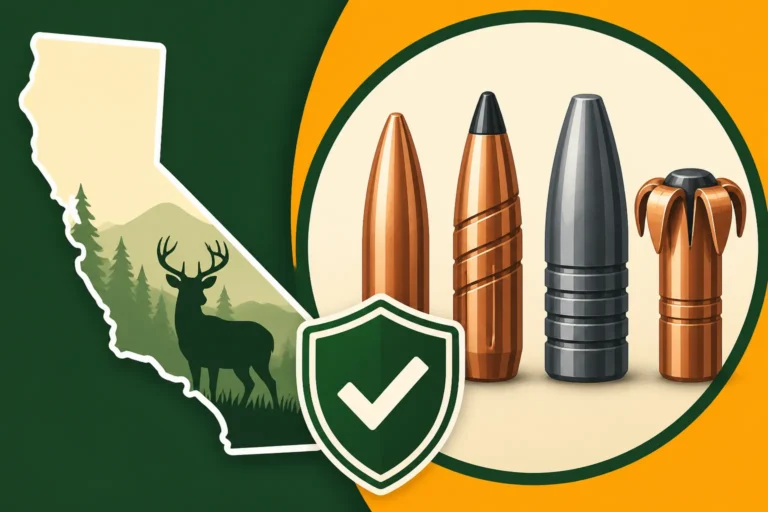
California has some of the most stringent lead ammunition restrictions in the nation. As of July 1, 2019, the statewide non-lead ammunition requirement means that all hunters, including those with disabled hunter permits, must use non-lead ammunition for any take of wildlife with a firearm anywhere in California. This is not an exemption that comes with a disabled permit. You need to ensure your rifle is sighted in with approved non-lead projectiles. This is a critical regulation to be aware of, and understanding California's Non-Lead Ammunition Requirement is paramount before heading afield. Many hunters choose copper bullets for their efficacy and compliance.
Understanding General Hunting Regulations and Safety
Having a disabled hunter permit doesn't exempt you from any of the general hunting regulations. This includes bag limits, season dates, shooting hours, and the requirement for a valid California Hunter Education Requirements certificate. All legal firearms for deer hunting must be used responsibly. Furthermore, safety remains paramount. While a Motor Vehicle Access Permit might allow you to get closer to your hunting spot, you still need to be aware of your surroundings, know your target and what's beyond it, and follow all firearm safety rules. If you're hunting with assistance, ensure your hunting partners are also fully aware of all regulations and best practices. Always carry appropriate first-aid supplies, a reliable communication device, and an understanding of how to properly field dress and recover your game, especially if you're exploring the Sierra Nevada High Country.
Navigating CWD Testing Zones and Reporting
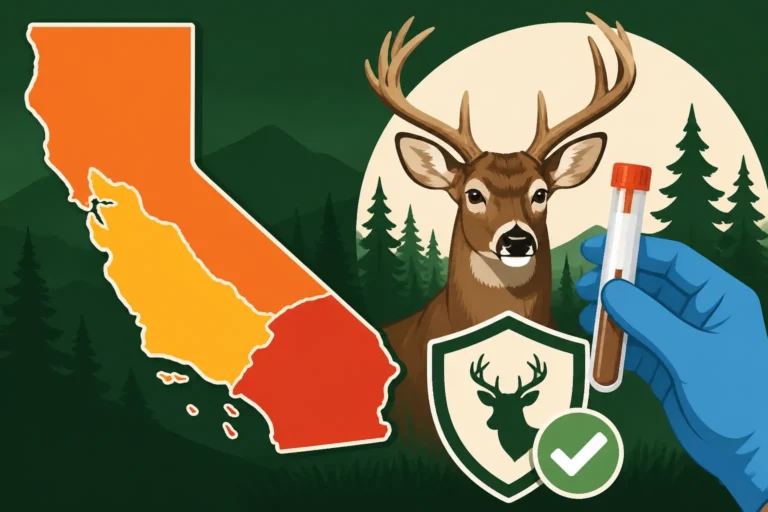
Chronic Wasting Disease (CWD) is a serious concern for deer and elk populations, and California has established specific CWD Testing Zones. If you harvest a deer or elk in one of these zones, mandatory CWD testing may be required. This regulation applies to all hunters, disabled or not, and it’s important to know if your planned hunting area falls within one of these zones. Transporting a deer carcass out of a testing zone might also have specific rules. Stay updated on California's Two CWD Testing Zones through the CDFW website, as these rules are crucial for helping manage wildlife health. Additionally, remember to complete your California Deer Reporting Requirements promptly after a successful hunt, no matter where you harvested your animal. Tools like the GoHunt app can sometimes help you identify CWD zones or access reporting forms on the go, making compliance a bit easier in the field.
| Permit Type | Description | Key Benefit | Eligibility | Where to Apply |
|---|---|---|---|---|
| Motor Vehicle Access Permit | Allows physically disabled hunters to use a vehicle on certain roads or routes typically closed to public access. | Access remote hunting areas and aid in game retrieval. | Permanent physical disability limiting mobility, certified by physician. | CDFW Website/Offices |
| Crossbow Authorization | Permits use of a crossbow during California's archery-only hunting seasons. | Participate in archery seasons despite inability to draw a traditional bow. | Permanent physical disability preventing use of a conventional bow, certified by physician. | CDFW Website/Offices |
| MIHAP Hunts | Special drawing or reservation hunts offered on select public lands with enhanced accessibility. | Tailored, accessible hunting opportunities for mobility-impaired hunters. | Varies by hunt, usually requires proof of physical disability. | CDFW Draw System/Website |
Disclaimer
The information provided in this guide is intended for general informational purposes only and is not a substitute for official legal advice or current CDFW regulations. Hunting laws and regulations in California can change frequently. Always consult the most recent California Department of Fish and Wildlife hunting regulations booklet and official CDFW website before planning any hunting trip to ensure full compliance.