California Wild Pig Population Estimate
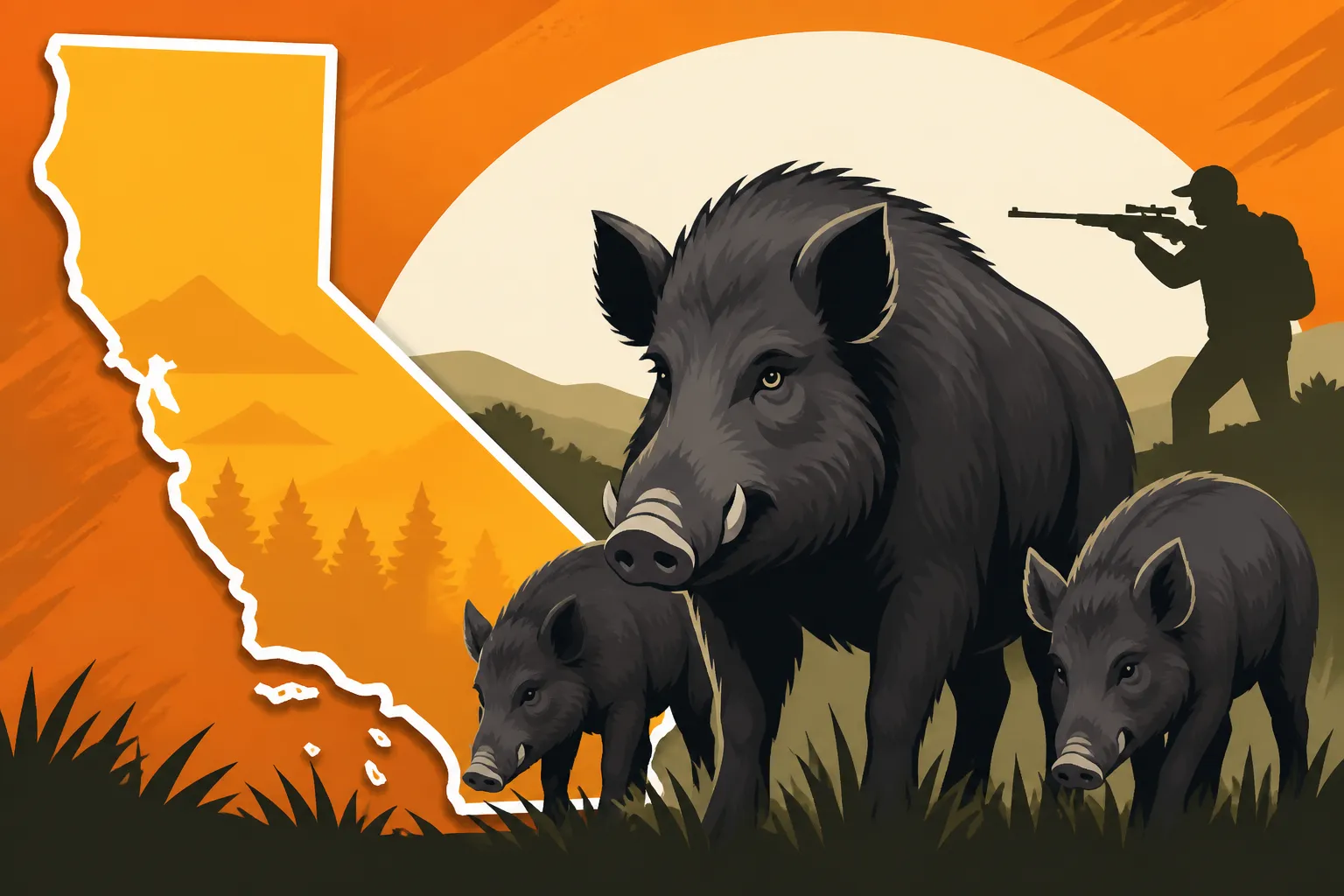
The sheer number of wild pigs roaming California can feel like a mystery, especially when you're out in the field seeing their rooting damage everywhere but never quite seeing the pig itself. It’s a common frustration for hunters and landowners alike, trying to get a handle on just how many of these intelligent, destructive animals are out there. This guide dives deep into what we know about California's wild pig population, how these estimates are made, and what it all means for hunting and land management.
Understanding the Challenges in Estimating Wild Pig Populations
Trying to put an exact number on California's wild pig population is a bit like trying to count individual raindrops in a thunderstorm – incredibly difficult, constantly changing, and often leaves you feeling a little overwhelmed. These aren't creatures that stand still for an aerial survey, and their elusive nature, coupled with rapid reproduction, makes precise figures almost impossible to pin down.
Why Accurate Counts Are So Difficult
Wild pigs are masters of stealth. They're often most active during dawn, dusk, or even throughout the night, using dense cover to avoid detection. This nocturnal and crepuscular behavior means that traditional wildlife survey methods, like daytime aerial counts that work well for deer or elk in open country, are largely ineffective for pigs. They'll disappear into the thickest chaparral, oak woodlands, or riparian zones at the first sign of human presence, leaving little more than their tell-tale rooting damage behind.
Furthermore, wild pigs don't respect property lines or management unit boundaries. A sounder can travel significant distances in a single night, moving between public and private lands, agricultural fields, and wild areas. This constant movement complicates any localized survey efforts, as pigs counted in one area today might be miles away by tomorrow, making double-counting or missing entire groups a very real problem. Their intelligence and wariness also mean they quickly learn to avoid areas where they've been pressured, further complicating direct observation.
CDFW's Estimation Methods and Their Limitations
Given the challenges, the California Department of Fish and Wildlife (CDFW) relies on a combination of indirect methods and local observations to estimate wild pig populations, rather than a single, definitive statewide census. These methods often include harvest data analysis, which tracks the number of pigs taken by hunters each year, providing insight into population trends and distribution. However, harvest data only reflects hunter effort and success, not the total number of pigs remaining. A high harvest number might indicate a large population, or simply a high concentration of hunters in a particular area.
Additionally, CDFW uses reports from landowners, agricultural damage assessments, and observations from field staff. Biologists might employ techniques like camera trapping in specific study areas, or analyze DNA from hair or scat samples to estimate minimum population sizes and genetic diversity. However, these localized studies are often expensive and labor-intensive, making it difficult to scale them up to a comprehensive statewide estimate. Many hunters use tools like GoHunt to scout areas, and while these tools can give you insights into hunting pressure and terrain, they don't directly count pigs. The reality is, the most cited figures often come with wide ranges, acknowledging the inherent uncertainty in counting a species so adept at staying hidden.
Historical Trends and Current Numbers
California's wild pig population wasn't always as widespread or numerous as it is today. The initial introduction of domestic pigs by Spanish settlers in the 1700s, followed by the deliberate release of European wild boars for hunting in the early 1900s, laid the groundwork for the current population. These animals hybridized and adapted, thriving in California's diverse habitats. Over the last few decades, their numbers have exploded, driven by their incredible reproductive capacity and ability to exploit various food sources.
While an exact statewide figure for How Many Wild Pigs Roam California is elusive, estimates from CDFW and other wildlife biologists often place the population anywhere from 200,000 to over 400,000 animals, with some older figures even pushing towards 600,000 during peak periods. It's a massive number, and it's clear the trend has been towards expansion and growth across much of the state. The critical takeaway is that this isn't a static number; it fluctuates based on environmental conditions, food availability, hunting pressure, and disease. When you consider the impact they have, even the lower end of that estimate is significant.
Factors Driving Wild Pig Population Dynamics
Understanding the sheer scale of the wild pig population means digging into why they've been so successful at establishing and expanding their numbers across California. It's a combination of incredible biological traits and opportunistic behavior that allows them to thrive where other species might struggle.
Reproductive Prowess and Rapid Growth
One of the most significant factors in the wild pig's population explosion is their remarkable reproductive potential. Unlike many native species that breed once a year, a wild sow can farrow multiple litters annually. They can begin breeding as young as six months old, and a typical litter can range from 4 to 12 piglets, though 6 to 8 is common. With a gestation period of only about 115 days (just under four months), a healthy sow can easily produce two litters in a year, sometimes even three if conditions are exceptionally good.
This rapid turnover and high litter size mean that populations can rebound incredibly quickly, even in the face of significant hunting pressure or other mortality factors. If you remove a portion of the population, the remaining pigs can quickly fill that void. This makes long-term control a constant battle, as managing their numbers requires sustained effort just to keep pace with their reproductive rate. It's this biological "superpower" that has allowed them to colonize so many areas and maintain high densities.
Habitat Adaptability and Resource Availability
Wild pigs are not picky when it comes to habitat. They are true generalists, capable of thriving in an astonishing array of environments, from dense coastal chaparral and oak woodlands to open grasslands, riparian corridors, and even agricultural landscapes. This adaptability is key to their success in California, a state known for its incredible ecological diversity. Whether it's the rolling hills of the Central Coast, the foothills of the Sierra Nevada, or even the fringes of the Mojave Desert, if there's water and food, pigs can often establish a foothold.
Their diet is equally flexible. They are omnivores, consuming everything from acorns, roots, and tubers to grasses, agricultural crops, insects, eggs, and even small animals. This opportunistic feeding allows them to exploit whatever resources are available in a given season or area. A good acorn year, for instance, can lead to a surge in population health and survival rates, as discussed in Hunting After a Poor Acorn Year. This constant availability of diverse food sources, coupled with their ability to quickly adapt to new areas and food types, means they rarely face significant food limitations, which would otherwise naturally regulate population growth in other species.
Disease and Predation Pressures
While wild pigs are incredibly resilient, they are not entirely without natural population checks, though these are often insufficient to control their numbers. Disease can play a role, particularly in dense populations. Swine brucellosis and pseudorabies are two diseases that can be prevalent in wild pig populations, affecting reproduction and overall health, and can even pose risks to domestic livestock and, in rare cases, humans. However, these diseases typically cause localized die-offs rather than widespread population crashes across the state.
Predation on adult wild pigs is relatively rare in California. While mountain lions could potentially take a smaller pig, they generally prefer deer. Coyotes might prey on piglets, but adult pigs are formidable animals, and sows are fiercely protective of their young. The lack of effective natural predators for adult pigs further contributes to their unchecked population growth. When combined with their high reproductive rates and adaptability, it becomes clear why managing California's Year-Round Wild Pig Tag and encouraging hunting is such a crucial component of wildlife management in the state.
Where Wild Pigs Are Most Prevalent in California
Wild pigs aren't evenly distributed across the Golden State; their presence is often dictated by habitat, food availability, and historical introductions. Knowing where these animals concentrate can be incredibly helpful for hunters and for understanding the scope of their ecological impact.
Coastal Oak Woodlands and Central Valley Ranches
Some of the highest concentrations of wild pigs in California are found in the coastal mountain ranges and their associated oak woodlands, particularly from Mendocino County down through Monterey and San Luis Obispo counties. These areas provide an ideal mix of dense cover, consistent water sources, and abundant mast crops, primarily acorns, which are a critical food source. The rolling hills and deep canyons offer sanctuary, while the rich soil provides endless opportunities for rooting. When you're Hunting Pigs on Central Coast Oak Ranges, you're often targeting areas with established, thriving populations.
Similarly, the agricultural regions bordering the Central Valley and its surrounding foothills are hotspots. Ranches and farmlands, especially those growing crops like alfalfa, corn, or even vineyards, offer a seemingly endless buffet for these opportunistic feeders. The interface between wildlands and cultivated fields creates perfect conditions: cover and water in the wild areas, and readily available high-energy food in the cultivated zones. These areas can see massive numbers of pigs, leading to significant crop damage.
Foothill Regions and Agricultural Areas
Beyond the immediate coastal ranges, the foothills of the Sierra Nevada, particularly the lower elevations, also support robust wild pig populations. These areas, characterized by blue oak and live oak woodlands interspersed with grasslands and chaparral, provide similar benefits to their coastal counterparts: plenty of acorns, water, and dense cover. Counties like Tehama, Glenn, and parts of Fresno and Madera are well-known for their pig populations.
The agricultural intensity of California means pigs often find refuge and food in and around farmed landscapes. Irrigated pastures, grain fields, and orchards offer consistent sustenance, drawing pigs out of adjacent wild areas. This proximity often leads to direct conflicts with landowners, as pigs can decimate entire fields overnight. Understanding California Wild Pig Damage to Vineyards is crucial, as this particular type of agricultural loss highlights the severe economic impact of these animals in certain areas.
Less Common Habitats and Expansion
While they prefer the aforementioned prime habitats, wild pigs have shown a remarkable ability to colonize less conventional areas over time. Even parts of the Mojave Desert fringe, where suitable riparian corridors or isolated oases exist, can harbor small, localized populations. These instances are less about widespread prevalence and more about the pig's incredible adaptability to exploit even marginal resources.
The species is still expanding its range in California, albeit at a slower pace than its initial explosion. As populations grow in traditional strongholds, individual pigs or small sounders will venture into new territories, seeking untapped food sources and less competition. This slow, continuous expansion means that even areas that historically had few pigs might now experience their presence, posing new challenges for local ecosystems and land managers. When scouting new areas, looking at topographical maps or using a service like GoHunt can help identify potential water sources and dense cover, even in unexpected places.
The Significant Impact of Wild Pigs on California's Ecosystems
It's easy to focus on the numbers, but the true story of California's wild pig population lies in its impact. These animals are more than just a hunting opportunity; they are a major ecological force, altering landscapes, competing with native species, and even affecting agricultural livelihoods. Their continuous rooting and feeding habits leave a lasting mark wherever they go.
Habitat Destruction and Soil Disturbance
The most visible sign of wild pig activity is rooting, where they use their powerful snouts to dig up soil in search of roots, tubers, grubs, and other food items. While individual rooting patches might seem minor, when multiplied by hundreds of thousands of pigs across vast landscapes, the cumulative effect is devastating. This activity turns over vast areas of soil, destroying native vegetation, uprooting delicate plant communities, and significantly altering the physical structure of the soil itself.
This soil disturbance leads to increased erosion, especially on sloped terrain or during rain events, as the loosened soil is easily washed away. It can also compact soil in some areas while aerating it in others, altering water infiltration rates and nutrient cycling. Native plant seeds are often consumed or disrupted, allowing invasive species to take hold in the disturbed ground. This effectively "resets" the ecological succession in an area, often to the detriment of native flora and fauna that have evolved with a more stable environment. Imagine a pristine wildflower meadow transformed into a churned-up mud pit – that's the kind of direct habitat destruction wild pigs inflict.
Competition with Native Wildlife and Livestock
Wild pigs are formidable competitors for resources, putting pressure on native wildlife populations. They directly compete with species like deer, bears, and various small mammals for critical food sources, particularly acorns during the fall and winter months. A large sounder of pigs can quickly consume an entire mast crop in an oak woodland, leaving nothing for the deer that depend on acorns to build fat reserves for winter, as detailed in Late-Season Food Sources for California Deer. This competition can stress native populations, potentially reducing their reproductive success or even increasing mortality rates.
Beyond food, pigs also compete for water sources, especially during California's dry summers. Their wallowing habits can foul water holes, making them less suitable for other animals. They also prey on native ground-nesting birds, reptiles, and amphibians, consuming eggs and young. The impact isn't limited to wild species; pigs regularly invade ranchlands, competing with cattle and other livestock for forage. They can also damage fences, water lines, and other infrastructure, creating significant economic burdens for ranchers and farmers. This direct competition for essential resources makes them a particularly problematic invasive species.
Disease Transmission Concerns
The presence of a large, free-ranging wild pig population also raises significant concerns about disease transmission, particularly to domestic livestock. Wild pigs can carry and transmit diseases such as swine brucellosis and pseudorabies, which, while not always lethal to the pigs themselves, can cause reproductive issues and illness in domestic swine herds. This poses a constant biosecurity risk to California's agricultural industry, potentially leading to costly outbreaks and economic losses for farmers.
Furthermore, wild pigs can host parasites that can be transmitted to other wildlife, livestock, or even humans. While less common, certain parasites like Trichinella can be found in wild pig meat, necessitating proper cooking temperatures. CDFW and agricultural agencies closely monitor these potential disease vectors, but the sheer number and mobility of wild pigs make complete control over disease transmission incredibly challenging. For hunters, being aware of these risks and practicing proper field hygiene is crucial.
Managing California's Wild Pig Population
Given their prolific nature and the widespread damage they cause, managing California's wild pig population is an ongoing and complex endeavor. There's no single silver bullet, but rather a multi-faceted approach involving hunting, trapping, and habitat management, often requiring cooperation between state agencies and private landowners.
Eradication Versus Control Strategies
For a species as entrenched and widespread as the wild pig in California, outright eradication across the entire state is generally considered unfeasible. The sheer numbers, their reproductive capacity, and the vast, often rugged, terrain make such an undertaking economically and logistically impossible. Instead, management strategies typically focus on control—reducing populations to mitigate their ecological and economic impacts in specific areas.
These control efforts often prioritize areas with high ecological value (e.g., sensitive habitats, endangered species ranges) or significant agricultural damage. Techniques can range from targeted trapping and removal programs to increased hunting opportunities. The goal is to keep numbers at a manageable level rather than eliminate them entirely. This distinction is crucial, as it shapes the types of policies and practices implemented. For instance, Why California Treats Pigs as Game, Not Pests is a policy that tries to leverage hunting to help with population control, though it's a constant debate whether treating them as a game animal truly incentivizes enough removal.
Public Land Access and Management Challenges
Managing wild pigs on California's public lands, such as National Forests, BLM lands, and State Wildlife Areas, presents its own unique set of challenges. While these lands often offer extensive hunting opportunities, access can be difficult, and pigs quickly learn to evade pressure. Hunters might utilize mapping tools from GoHunt to identify potential pig strongholds on public land, but even then, pigs often retreat to the thickest, most inaccessible canyons.
Furthermore, funding and resources for active management on public lands can be limited. While CDFW biologists might conduct localized trapping or removal efforts, the primary tool for population control on public land remains hunting. However, hunting pressure can vary significantly by location, and some remote areas may see little to no hunting, allowing pig populations to grow unchecked. Coordinating efforts across different public land agencies (Forest Service, BLM, State Parks, etc.) also adds layers of complexity, making comprehensive, unified management difficult.
Private Landowner Perspectives and Efforts
A significant portion of California's prime wild pig habitat is on private land. Here, landowners often bear the brunt of the damage, from destroyed crops and pastures to damaged infrastructure. Their perspective is often one of immediate damage mitigation, and they are frequently at the forefront of control efforts. Private landowners have more flexibility in implementing control measures, including trapping, baiting, and targeted removal, which are often more effective at a local level than general public land hunting.
Many private landowners, especially those with significant agricultural investments, seek assistance from professional trappers or allow guided hunting opportunities to help manage their pig populations. Programs exist to help landowners obtain depredation permits for lethal removal when pigs are causing damage. This partnership between private landowners and those focused on wild pig control is vital. Policies surrounding activities like Trapping a Sounder on Private Land provide specific guidance for these landowners to address the issue directly.
Hunting's Vital Role in California Wild Pig Management
For many, hunting is not just a recreational pursuit but a crucial component of wildlife management, especially when it comes to prolific and destructive species like the wild pig. In California, where populations can reach staggering numbers, hunters play a direct and measurable role in attempting to keep these animals in check.
California's Unique Hunting Regulations
California's approach to wild pig hunting is unique, reflecting the state's recognition of the species as both a game animal and a significant pest. Unlike deer or elk, there's no closed season for wild pigs in California; you can pursue them Wild Pig Hunting California Year-Round if you have the proper tag. Furthermore, there's Why Wild Pigs Have No Bag Limit, meaning hunters can take as many pigs as they legally harvest, provided they purchase a tag for each one. This lack of seasonal or bag limits is a direct acknowledgment of their invasive nature and the need for continuous population control.
Hunters must possess a valid California hunting license and a wild pig tag for each pig harvested. The regulations also allow for methods like Baiting Hogs Legally in California on private land, which can be an effective control tool for landowners struggling with severe pig damage. However, restrictions on night hunting and the statewide non-lead ammunition requirement still apply. These regulations aim to balance hunting opportunity with ethical considerations and environmental concerns, particularly the lead ban which applies to all hunting in the state.
Effectiveness of Hunting as a Control Measure
While hunting alone is often not sufficient to eradicate wild pig populations, it is undoubtedly an important and cost-effective tool for population control and mitigation. Hunting pressure can reduce localized populations, especially in accessible areas, thereby lessening agricultural damage and ecological impact. The year-round season and unlimited bag limit encourage continuous hunting effort, which is essential to keep pace with the pigs' rapid reproductive rate.
Hunters remove thousands of pigs from the California landscape each year, and without this consistent pressure, the problem would be exponentially worse. It provides an incentive for individuals to actively participate in managing a species that causes immense damage. For example, hunters targeting areas where pigs are routinely damaging crops contribute directly to the reduction of those specific problem animals. While pigs are intelligent and quickly learn to avoid pressured areas, persistent hunting efforts, combined with other control methods like trapping, can still make a significant difference in managing local populations.
The Hunter's Contribution to Conservation
Beyond directly removing pigs, hunters contribute to conservation in several other ways. The revenue generated from the sale of hunting licenses and wild pig tags directly funds CDFW's wildlife management programs, including those dedicated to studying and controlling invasive species like the wild pig. This financial contribution is a cornerstone of conservation efforts across the state.
Furthermore, hunters often act as critical eyes and ears on the ground, reporting observations of pig activity, damage, and potential disease concerns to wildlife agencies. Their presence in remote areas can also deter other illegal activities. By participating in Wild Pig Hunting California Year-Round and adhering to regulations, hunters become active participants in managing an ecological challenge, rather than just observers. Utilizing resources from outfits like GoHunt to stay informed about regulations and scouting techniques further enhances the hunter's effectiveness and contribution to responsible wildlife management in California. Each successful hunt, and each pig removed, is a small but important victory in the ongoing battle against this invasive species. Don't forget to report your harvest via the Reporting a Pig Harvest Through ALDS system, as this data helps CDFW track population trends and hunter effort.
Wild Pig Population Estimates by Region (Illustrative)
While precise, up-to-the-minute statewide data is hard to come by, regional observations and harvest reports give us a better picture of where pigs are most common. This table offers an illustrative look at perceived population densities and impact across different California regions, based on general consensus among biologists and hunters.
| Region of California | Estimated Population Density | Primary Habitats | Notable Impact | Hunting Pressure (General) |
|---|---|---|---|---|
| Central Coast | High | Oak Woodlands, Rangeland | Severe agricultural damage, habitat rooting | Moderate to High |
| Sierra Nevada Foothills | Moderate to High | Oak Woodlands, Chaparral | Competition with deer, soil erosion | Moderate |
| Central Valley (Fringe) | Moderate | Agricultural fields, Riparian | Crop destruction, disease risk to livestock | High (on private land) |
| Northern Coast Ranges | Moderate | Timber, Mixed Woodlands | Forest understory damage, competition with bear | Low to Moderate |
| Southern California | Low to Moderate (localized) | Chaparral, Canyons | Habitat degradation, rare species impact | Low to Moderate |
| Desert Regions | Very Low (isolated) | Oases, Riverbeds | Minimal, highly localized impact | Very Low |
Note: "Estimated Population Density" and "Hunting Pressure" are generalized observations and can vary significantly within regions based on specific habitat, land ownership, and local conditions. Always use detailed scouting tools like GoHunt and check local regulations for current information.
Disclaimer
The information provided in this guide is for general informational purposes only and is not intended as legal advice or a substitute for official regulations. Hunting laws and regulations in California can change frequently. Always consult the most current California Department of Fish and Wildlife (CDFW) regulations and local ordinances before engaging in any hunting activities.