California’s Flooded Rice Fields and Waterfowl
There's nothing quite like the chaotic symphony of a thousand wings beating over California's Central Valley. For many waterfowl hunters, the dream hunt conjures images of flooded rice fields, alive with the sound of ducks and geese. But getting into those fields and understanding the nuances of hunting them can feel like navigating a maze. This guide is going to dive deep into the fascinating relationship between California's crucial rice agriculture and its abundant waterfowl, helping you unlock the secrets to successful hunting in these unique wetland habitats.
The Unique Ecosystem of California's Flooded Rice Fields
California's Central Valley is truly a marvel, not just for its agricultural prowess, but for the incredible wildlife it supports, especially when it comes to migratory waterfowl. When most folks think of farming, they don't immediately picture vast wetlands, but that's exactly what our rice fields transform into each winter.
A Winter Wonderland for Migratory Birds
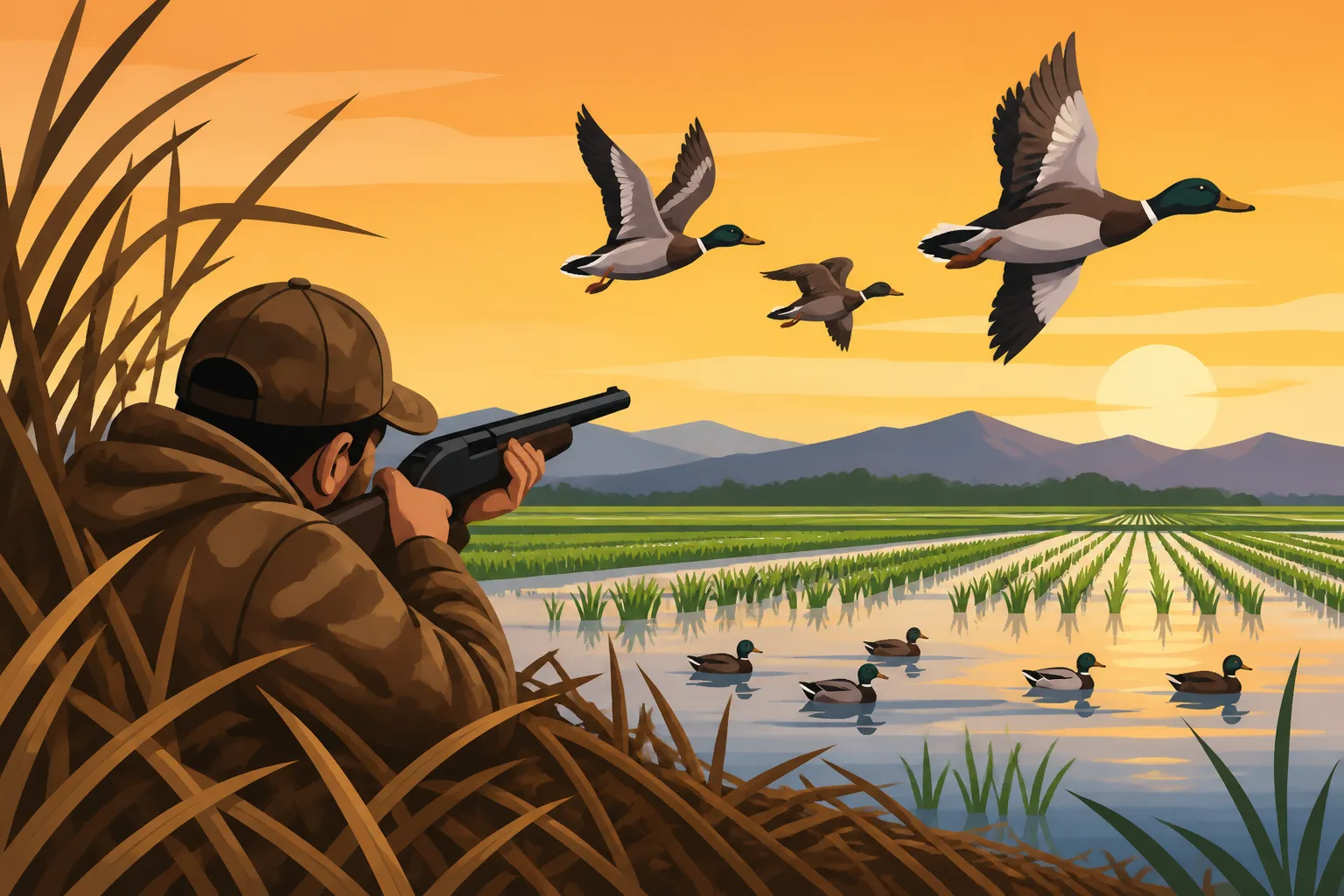
Once the rice harvest is complete in the late summer and early fall, many of these fields are intentionally flooded. This isn't just for aesthetics; it's a critical part of the rice cultivation cycle, helping to decompose stubble and control weeds, but it also creates an absolute haven for millions of migrating ducks and geese. Imagine flying thousands of miles from Alaska or Canada, hungry and tired, and suddenly you see an endless mosaic of shallow, food-rich wetlands. That's what California's flooded rice fields represent to these birds. They offer essential resting, roosting, and feeding grounds, becoming literal lifelines on the Pacific Flyway. Without these managed wetlands, a significant portion of North America's waterfowl population simply wouldn't survive the winter. The sheer volume of birds that pour into these areas can be astounding, making it a truly world-class destination for hunters. You'll often find yourself marveling at the sheer numbers, even on a slow hunting day.
The Symbiotic Relationship: Farmers and Waterfowl
It’s easy to think of agriculture and wildlife as being at odds, but in the case of California rice and waterfowl, it’s a beautiful symbiosis. Rice farmers, through their practice of winter flooding, provide an invaluable resource for ducks and geese. In return, the waterfowl help manage pest insects and decompose organic matter, benefiting the farmer’s next crop. It’s a win-win situation that has evolved over decades. The remaining rice grains left behind after harvest, often called "waste grain," become a primary food source for hungry ducks like mallards, pintails, and wigeon, as well as geese such as specklebellies and snow geese. This is a critical distinction from natural wetlands; these fields are essentially giant, bird-friendly buffets. The farmers get healthy soil for the next season, and the birds get the fuel they need to survive winter and prepare for spring migration. Many farmers even work directly with conservation groups to optimize their flooding practices for waterfowl, showcasing a real commitment to this unique relationship.
Beyond the Harvest: Field Management for Wildlife
It's not just the flooding itself, but the specific management practices that make these fields so attractive. After the combines roll through, a certain amount of grain inevitably falls to the ground. This waste grain is a goldmine for waterfowl. Farmers know this, and many actively manage their fields with wildlife in mind, even outside of hunting season. This might involve keeping water levels shallow enough for dabbling ducks to feed easily or maintaining certain sections specifically as sanctuary areas. This thoughtful management extends beyond just food. The shallow, flooded conditions create perfect habitat for aquatic invertebrates, which are another vital food source, especially for breeding ducks building up reserves for nesting. Understanding these nuances can help you identify prime hunting spots. A field that’s been purposefully managed for wildlife, perhaps with varying water depths and some standing stubble, will almost always hold more birds than a field simply left to flood randomly. This proactive approach ensures the long-term health of both the rice industry and the waterfowl populations that depend on it.
Understanding Waterfowl Behavior in Rice Habitats
Hunting waterfowl in flooded rice fields isn't just about showing up with decoys; it's about understanding the complex behaviors of the birds themselves. Their daily routines, feeding preferences, and reactions to pressure dictate success.
Why Ducks and Geese Choose Rice Fields
Ducks and geese are smart creatures, and they prioritize safety, food, and rest. Flooded rice fields offer all three in abundance. The shallow water, often just a few inches deep, provides an ideal foraging depth for dabbling ducks like mallards, pintails, and wigeon, allowing them to tip up and feed on submerged grains and invertebrates without diving. Geese, on the other hand, often prefer slightly drier or very shallow areas where they can easily graze on stubble and leftover rice kernels. The sheer scale of these fields also provides a sense of security; vast open water offers excellent visibility against predators, and the birds can spread out, reducing competition for food.
Beyond just the food, these fields serve as critical roosting sites. Imagine thousands of ducks and geese congregating in a single field at night, feeling safe in numbers. They'll often spend the night here, then move to feeding areas at dawn, or sometimes feed throughout the night under a bright moon. Learning to "read" what the birds are doing – are they feeding, resting, or just loafing? – is paramount. This insight helps you decide where and when to set up your spread. When you see birds dropping into a specific area without hesitation, it's often because they've found a consistent, undisturbed food source.
Feeding Patterns and Daily Movements
Waterfowl in rice country establish predictable daily patterns, especially when not heavily pressured. They'll often leave secure roosting areas (which could be a large open field, a refuge, or even a local pond) at first light to travel to feeding grounds. These feeding grounds are typically flooded rice fields, but they might also include natural wetlands or even adjacent dry fields for geese. After a morning of intense feeding, they'll often return to a loafing or resting area, sometimes the same roost, or a different field altogether, to preen and digest. As dusk approaches, they'll head back to a secure roosting spot for the night.
Understanding these patterns is key to positioning yourself. You want to be between the roost and the primary feeding areas, or ideally, right in a preferred feeding area that the birds are already using. Wind direction plays a huge role in their approach and landing, so scouting not just for where birds are, but how they're flying into those spots, is critical. For example, if you consistently see birds landing on the north end of a field with a south wind, that tells you something about their preferred approach. This kind of nuanced observation, often requiring early morning and late evening scouting, will dramatically increase your success. It’s also wise to consider the information provided by resources like GoHunt, which can offer valuable insights into migration patterns and public land access, helping you identify potential flyways and staging areas.
The Impact of Hunting Pressure
Waterfowl are incredibly adaptable, and intense hunting pressure quickly changes their behavior. What might be a prime feeding field early in the season can become a no-go zone after just a few days of heavy hunting. Birds will become warier, flying higher, circling more extensively, and quickly recognizing a decoy spread that looks "wrong" or a blind that isn't perfectly concealed. They might shift their feeding times to later in the morning, or even completely to night, if daylight pressure is too high.
This means you constantly need to adapt. A strategy that worked last week might fail this week. Scouting becomes even more important throughout the season, not just before opening day. Look for fields that are holding birds, even if it's not the "hot" spot everyone is talking about. Sometimes the best hunting is found in overlooked corners or on fields that are less accessible, simply because the birds haven't been harassed there as much. Think about how you approach your blind, minimizing noise and movement. If birds are flaring repeatedly, it's a sign they're seeing something they don't like. Your ability to adjust to pressure, whether by moving your spread, changing your calling, or improving your concealment, will be the difference between limits and empty straps.
Essential Strategies for Hunting Flooded Rice
Successfully hunting California's flooded rice fields requires more than just showing up. It demands a strategic approach, keen observation, and the right techniques to consistently bring birds into your spread.
Decoying Tactics for Ducks and Geese
Decoy spreads in flooded rice fields can range from simple to incredibly complex, depending on the species you're targeting and the hunting pressure. For ducks, especially mallards and pintails, a spread that simulates a "feeding frenzy" often works wonders. Think about deploying several dozen floating decoys, mixing species like mallards, pintails, and wigeon, with a few active motion decoys like spinning-wing or jerk-string models to create the illusion of movement and life. Pay close attention to the wind, as ducks almost always land into it. Position your landing zone in front of your blind, with the bulk of your decoys creating a "pocket" where birds feel comfortable dropping in. You can learn a lot by studying articles like Decoying Ducks in California's Central Valley Flooded Rice to refine your setup.
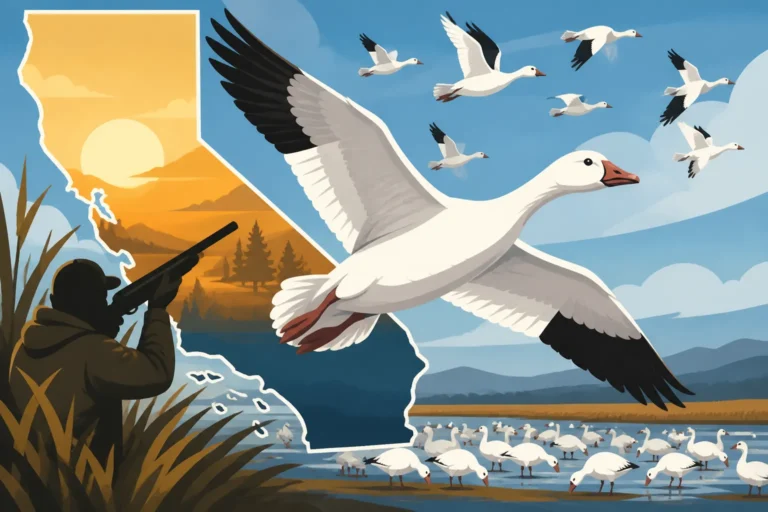
For geese, particularly specklebellies and snow geese, field hunting often involves a combination of full-body decoys and shell or silhouette decoys to create a large, convincing spread. Geese are often more wary than ducks, especially later in the season, and will circle high before committing. A large, realistic spread signals safety in numbers. Again, consider the wind; geese need a long landing strip, so position your main feeding group upwind of your blind, leaving a clear "runway" for them to pitch into. Snow geese can sometimes be less decoy-shy, requiring massive spreads of hundreds of white rag decoys to truly draw them in. For targeting geese, strategies like those discussed in Pass-Shooting Geese on California's Sacramento Refuges can be adapted to private fields. The key is to make your spread look natural and alive, avoiding unnatural patterns or excessive crowding that might tip off wary birds.
Blind Placement and Concealment
Your blind placement and concealment are arguably more important than your decoys in heavily hunted rice country. Birds have an uncanny ability to spot anything out of place. Whether you're using a layout blind, a permanent pit blind, or a brushed-up temporary setup, the goal is to disappear into the environment. When layout blind hunting a flooded field, choose a spot where the blind blends seamlessly with the stubble or any remaining cover. Lay out extra stubble, grass, or natural vegetation directly onto your blind to break up its outline.
Consider the angle of the sun, especially during morning hunts, to avoid casting long shadows that might spook birds. Also, think about the birds' approach. Ideally, you want them flying over or past your blind before they commit to the decoys, presenting closer, more ethical shots. If they see your blind too early, they'll flare. For more involved setups, you might want to look into techniques for Brushing In a Blind on a Field Edge for insights on how to create the ultimate concealment. Remember, even a sliver of exposed face or a glint of sunlight off a gun barrel can be enough to send birds packing. Patience and meticulous attention to detail in concealment will pay off.
Reading the Wind and Water
Wind and water are the two biggest natural factors influencing waterfowl movement and your hunting success in rice fields. Water levels dictate where birds can feed and rest. Shallow water (2-6 inches) is ideal for dabblers, while deeper pockets might attract divers or provide secure loafing areas. Observe how water flows through the fields, as even slight currents can indicate where birds might concentrate food. Wind, however, is king. Ducks and geese always land and take off into the wind, using it for lift and control. This means your decoy spread should always be set up to allow birds to approach and land into the wind, with your shooting zone directly upwind of your blind.
If the wind changes direction during your hunt, you may need to adjust your decoy spread or even move your blind if possible. Ignoring the wind is a surefire way to have birds consistently landing out of range or flaring away from your setup. Beyond just landing, wind also affects calling. On windy days, calls need to be louder and more assertive to cut through the noise. On calm days, softer, more subtle calls are often more effective. Learning to read a wetland for a morning flight and understanding how these elements interact is a skill developed over seasons, but paying close attention to them will give you a significant advantage. This intimate connection with the elements is what makes waterfowl hunting such a dynamic and engaging pursuit.
Gear and Logistics for a Successful Rice Field Hunt
Hunting flooded rice fields in California's Central Valley demands specific gear and meticulous planning. Being unprepared can quickly turn an exciting hunt into a miserable experience.
Waders, Boats, and Blinds
In flooded rice fields, reliable waterproof gear is non-negotiable. Good quality chest waders are essential. You'll often be walking through water that can be anywhere from ankle-deep to well above your knees, often with soft, muddy bottoms that can suck your boots down. Cheap waders will fail quickly, leaving you cold and wet. Consider insulated waders for colder mornings, and make sure they fit well enough to allow comfortable walking. When choosing waders for flooded rice fields, consider durability and repairability.
For getting gear and decoys out to your spot, a small, shallow-draft boat or a specialized marsh cart can be invaluable. Kayaks, canoes, or even inflatable rafts work well for smaller spreads. If you're on a private lease with established roads, an ATV might be an option, but often you'll be hand-hauling or poling through the water. As for blinds, many hunters opt for layout blinds that sit low to the ground and are easily concealed with natural stubble. These allow you to remain completely hidden while still having a good field of view. For more elaborate setups, you might be looking at portable panel blinds or even digging a temporary pit, assuming the land allows it. Your choice of blind, whether a layout blind for a flooded field or a more permanent structure, will depend on the field's characteristics and how much mobility you need.
Ammunition and Shotgun Considerations
California has very specific rules regarding ammunition, especially for waterfowl. You are required to use non-lead ammunition for all hunting statewide, and this absolutely applies to waterfowl. This means steel shot, bismuth, or other approved non-toxic alternatives are your only options. It's crucial to understand how different non-lead loads perform with your shotgun. Steel shot is typically faster but lighter than lead, meaning you might need to drop down a shot size or two (e.g., use #3 steel instead of #4 lead) to get similar pellet counts and energy. Bismuth and tungsten-alloy loads perform closer to lead but are often more expensive.
Pattern your shotgun with your chosen non-lead load before the season. Different chokes and ammunition combinations can produce vastly different patterns, and you need to know how your setup performs at various ranges to ensure ethical kills. For ducks, common shot sizes range from #2 to #4 steel, while for geese, larger sizes like BB or BBB steel are popular. A 12-gauge shotgun is the overwhelming choice for waterfowl, offering a good balance of power, versatility, and ammunition availability. Make sure your shotgun is cleaned and maintained, as the damp and muddy conditions of rice fields can be hard on firearms. Don't forget your California Migratory Bird Certification and Federal Duck Stamp are mandatory before you even step foot in the field.
Planning Your Access and Scouting
Access is often the biggest hurdle for hunting flooded rice fields. Much of this prime habitat is on private land, so securing permission or a lease is key. If you're hunting public land, expect competition and plan to scout extensively. Using mapping apps like GoHunt can be incredibly helpful for identifying potential public access points, property lines, and likely roosting or feeding areas. Look for fields that show evidence of recent bird activity – fresh droppings, disturbed stubble, or even visible birds during non-hunting hours.
Scouting isn't just about finding birds; it's about understanding their flight paths, where they prefer to land, and how they react to different winds. Drive around before sunrise and after sunset, observing how birds enter and exit fields. Pay attention to fields that seem to hold birds consistently. Be respectful of private property and farmers; never trespass, and always ask for permission. Even if you don't get hunting access, building relationships with landowners can provide valuable intel. Understanding regulations like California Duck and Goose Bag Limits and California Goose Season Dates is also a fundamental part of planning your hunt, ensuring you're legally prepared before setting out. This upfront work, though tedious, is critical for maximizing your chances of a successful and enjoyable hunt.
| Gear Item | Purpose | Key Considerations |
|---|---|---|
| Chest Waders | Staying dry in shallow, muddy water | Insulated for cold, durable, good boot fit, repairable |
| Decoys (Ducks) | Attracting ducks to landing zone | Mix species, include motion, match local birds |
| Decoys (Geese) | Attracting geese, signaling safety | Full-body, shells/silhouettes, large numbers |
| Shotgun | Firing non-lead ammunition | 12-gauge recommended, pattern with non-lead |
| Non-Lead Ammo | California legal requirement | Steel, bismuth, tungsten; shot size for species |
| Layout Blind | Concealment in open fields | Camouflage, low profile, easy to brush in |
| Marsh Cart/Boat | Transporting gear over water/mud | Shallow draft, durable, capacity for decoys/gear |
| Calls (Ducks/Geese) | Attracting attention, mimicking birds | Variety for different scenarios, practice your calling |
| Headlamp | Navigating in the dark | Bright, long-lasting battery, red light option |
| Waterproof Bag | Protecting electronics, license | Submersible, durable, easy access |
| Mapping App (e.g., GoHunt) | Navigation, property lines, scouting | Offline maps, public/private land layers, GPS tracking |
Challenges and Conservation in California's Rice Country
Hunting in California's flooded rice fields is an incredible experience, but it comes with its own set of challenges that every hunter should be aware of. Beyond the personal challenge, there's a vital conservation story unfolding in these fields.
Navigating Access and Hunter Density
One of the biggest frustrations for waterfowl hunters in California is simply finding a place to hunt. With a significant portion of the Central Valley being private land, access can be tough to come by. Public land opportunities do exist in wildlife areas and refuges, but these often come with heavy hunter density and lottery-based draw systems. You might find yourself competing with dozens of other hunters for a limited number of spots. This intense competition can make birds incredibly wary, adding another layer of difficulty to the hunt.
Securing a private land lease is often the preferred, albeit more expensive, route for consistent access. These leases can be found through hunting clubs or by directly contacting landowners. However, even with private access, respecting the land, the farmer's operations, and your fellow hunters is paramount. For those relying on public access, strategies like applying for the big game drawing for prime spots and scouting less-pressured areas become critical. It's a testament to the draw of California waterfowl that so many hunters are willing to navigate these complexities, but acknowledging the challenge is the first step to overcoming it. Knowing the ins and outs of public options, like those outlined in Hunting California's Central Valley Flyway, can help you maximize your opportunities.
The Role of Conservation Organizations
The very existence of widespread waterfowl hunting in California's rice fields is deeply intertwined with decades of tireless conservation efforts. Organizations like Ducks Unlimited, California Waterfowl Association, and various local land trusts play an absolutely critical role. They work directly with rice farmers, providing financial incentives and technical expertise to encourage winter flooding and other waterfowl-friendly practices. They acquire and manage critical wetland habitat, advocate for water policy that supports both agriculture and wildlife, and conduct scientific research to monitor bird populations and habitat health.
Your hunting license fees, stamp purchases, and contributions to these organizations directly fund these vital efforts. When you buy your California Migratory Bird Stamp Cost, you're not just getting permission to hunt; you're contributing to the conservation of the very resource you enjoy. Without this robust network of conservationists, landowners, and hunters working together, the spectacle of millions of waterfowl in California's Central Valley would be a shadow of what it is today. It's a powerful reminder that hunters are often the strongest advocates and funders of conservation.
Adapting to Changing Conditions
California's environment is dynamic, and waterfowl hunting in rice fields often means adapting to shifting conditions. Drought years can drastically reduce the amount of flooded acreage, concentrating birds and increasing hunting pressure on the available water. Wet years might spread birds out, making them harder to pinpoint. Weather patterns, from sudden cold fronts to unseasonably warm spells, directly impact bird behavior and migration. A major storm system can push new birds into the valley, while a prolonged calm spell might make them more sedentary.
Hunters must be flexible. This could mean changing your target field on short notice, adjusting your decoy spread based on the day's wind and light, or even switching up your calling strategy. Continuous scouting throughout the season, not just before opening day, becomes essential. Monitoring weather forecasts, understanding migration reports, and staying connected with local hunting communities can provide valuable insights. The ability to adapt quickly, both in your planning and in the field, is a hallmark of a successful Central Valley waterfowl hunter. It’s a constant dance with nature, where patience and readiness to change your plans are often your most powerful tools.
Disclaimer
This article is for general informational purposes only and does not constitute professional advice. Laws, prices and regulations vary by location and change over time. Consult a qualified professional for guidance on your specific situation.