California Buck Age Structure
It’s a common frustration in California deer hunting: you put in the time, draw a tag, and head out, only to wonder if you’re seeing young, two-year-old bucks or mature animals. Understanding the age structure of California's buck populations is more than just academic; it directly impacts your hunting strategy, success, and the overall health of the herd you're pursuing. This guide will walk you through what influences buck age in our diverse landscapes and how you can use this knowledge to become a more effective and ethical hunter.
Why California's Buck Age Structure Matters to Hunters
When you’re out in the field, whether you're glassing open country or still-hunting through timber, the sight of a buck can get the heart racing. But beyond the initial excitement, knowing a bit about the buck's potential age can inform your decision-making. It’s not always about finding the biggest antlers, but understanding the population dynamics at play.
Beyond Antler Size: The True Story of Age
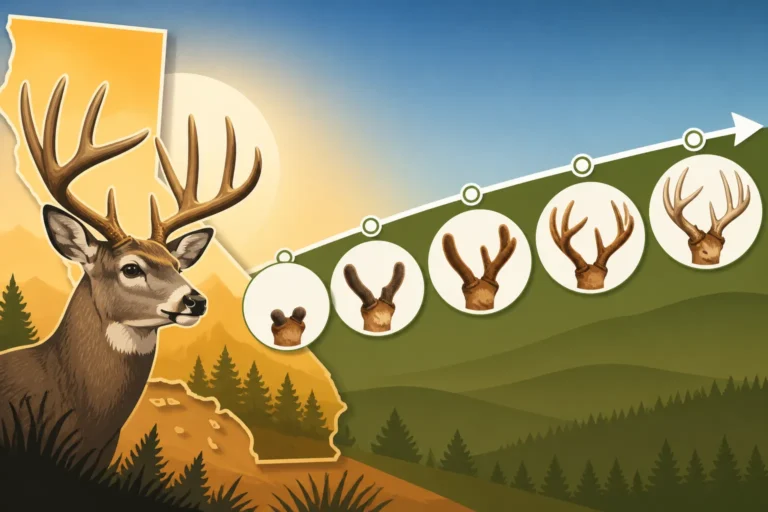
Many hunters, especially those new to the game or those primarily focused on trophy hunting, tend to equate antler size directly with age. While there’s certainly a correlation, it’s not a perfect one, particularly here in California. A young buck, maybe a robust two-year-old, can have impressive antlers given good genetics and prime nutrition, especially in areas with abundant feed or quality habitat. Conversely, an older buck might be past his prime, or living in an area with poorer forage, and display antlers that are smaller or non-typical.
Think about a classic Columbia blacktail buck in the coastal ranges. They rarely grow the massive racks you might see on a mule deer in Nevada, but a five or six-year-old blacktail can be a truly impressive animal with a heavy, unique set of antlers that tell a story of survival in thick cover. Focusing solely on antler points can lead you to pass on a truly mature animal or, perhaps worse, mistakenly shoot a younger buck that still has significant growth potential. It's about looking at the whole animal, a skill that comes with experience and a bit of knowledge about what to expect from different age classes.
Management Goals and Hunter Expectations
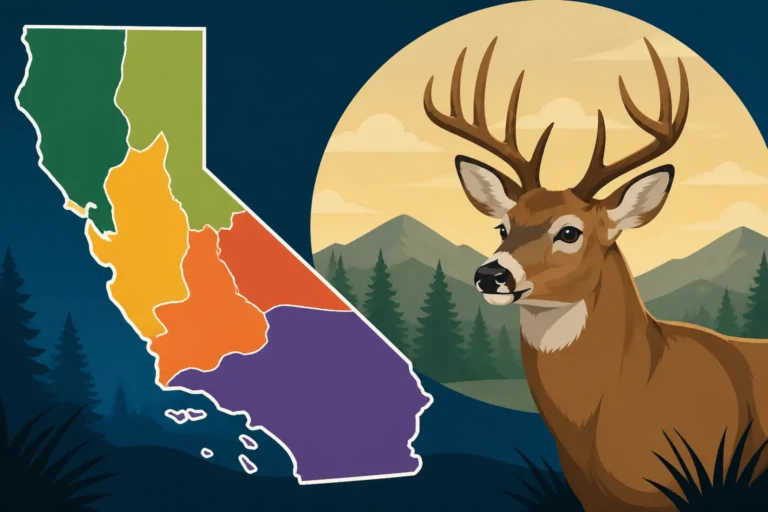
The California Department of Fish and Wildlife (CDFW) manages deer populations with various goals in mind, which inevitably influence the age structure you encounter. In some areas, particularly the general deer zones, the management might lean towards providing more opportunities for hunters, meaning a higher harvest rate on younger bucks. This often results in a population with a younger average age.
However, in premium draw-only zones, often referred to as X-zones, the management might prioritize older age classes and a higher buck-to-doe ratio. This is where you're more likely to find those truly mature, wary bucks that have survived several hunting seasons. For hunters, understanding this distinction is crucial. If you're hunting an unrestricted D-Zone deer tag, your expectations for seeing mature animals might need to be different than if you've been lucky enough to draw a coveted X-zone tag. This isn't to say big bucks aren't found in D-zones, but the odds shift. Knowing what the management objectives are for your specific zone can help set realistic expectations and guide your hunting efforts.
Factors Shaping California's Deer Age Classes
So, what actually determines how many young bucks versus old bucks are roaming California's wildlands? It's a complex interplay of environmental factors, human activity, and the inherent biology of the deer themselves. It's never just one thing, but a combination that creates the unique age structure in each specific region.
Hunting Pressure and Harvest Rates
This is arguably one of the most significant factors influencing buck age structure. Where hunter numbers are high and harvest rates are liberal, younger bucks are naturally taken out of the population more frequently. This "removes" them from the age pool before they have a chance to grow into older, more mature animals.
Consider the difference between a high-pressure zone easily accessible from a major city versus a remote, difficult-to-reach patch of public land. In the easily accessible areas, bucks quickly become educated. They go nocturnal, seek out the thickest cover, and avoid human scent. But even with their evasive tactics, a significant number of young bucks might be harvested during the season. In contrast, deep in the backcountry, where hunters are few and far between, bucks have a greater chance of surviving several hunting seasons, leading to an older age structure in those pockets. This is why tactics like hunting a California BLM desert wash for deer might require a different scouting approach than hunting a small private tract near Sacramento. The pressure varies wildly.
California's game regulations, like the availability of second deer tags or specific antler point restrictions in certain zones, also play a role. If a zone allows for an "any legal buck" harvest, younger bucks are more susceptible. If it's a "forked horn or better" rule, it might offer slightly more protection to very young animals.
Habitat, Nutrition, and Natural Mortality
Beyond hunting, the environment itself is a huge determinant of how old a buck can get. Access to quality forage is paramount. A buck that consistently finds good food sources – whether it's acorns in oak woodlands, browse in chaparral, or irrigated alfalfa fields – will generally be healthier, grow larger antlers, and have a better chance of surviving harsh conditions. Conversely, areas with poor habitat or recurring drought can result in a population where bucks mature slower and have shorter lifespans, regardless of hunting pressure.
Predation also plays a vital role. While mountain lions are protected in California, other predators like coyotes can impact fawn survival rates, which in turn affects the recruitment of young bucks into the population. Diseases, like the emerging concern of chronic wasting disease (CWD) in California's two CWD testing zones, can also impact deer health and mortality across all age classes, potentially skewing age structures.
Wildfires, which are unfortunately common in California, can drastically alter habitat. A national forest burn scar might initially provide a flush of new growth, offering excellent forage for a few years, but then degrade as new, less palatable vegetation takes over. These ecological shifts directly affect the deer's ability to thrive and survive to an older age.
Reading the Signs: Estimating Buck Age in the Field
Being able to estimate a buck's age in the field is a skill that takes practice, but it's incredibly rewarding. It helps you make more informed decisions and appreciate the animal for more than just its antlers.
Body Cues: Not Just Antlers
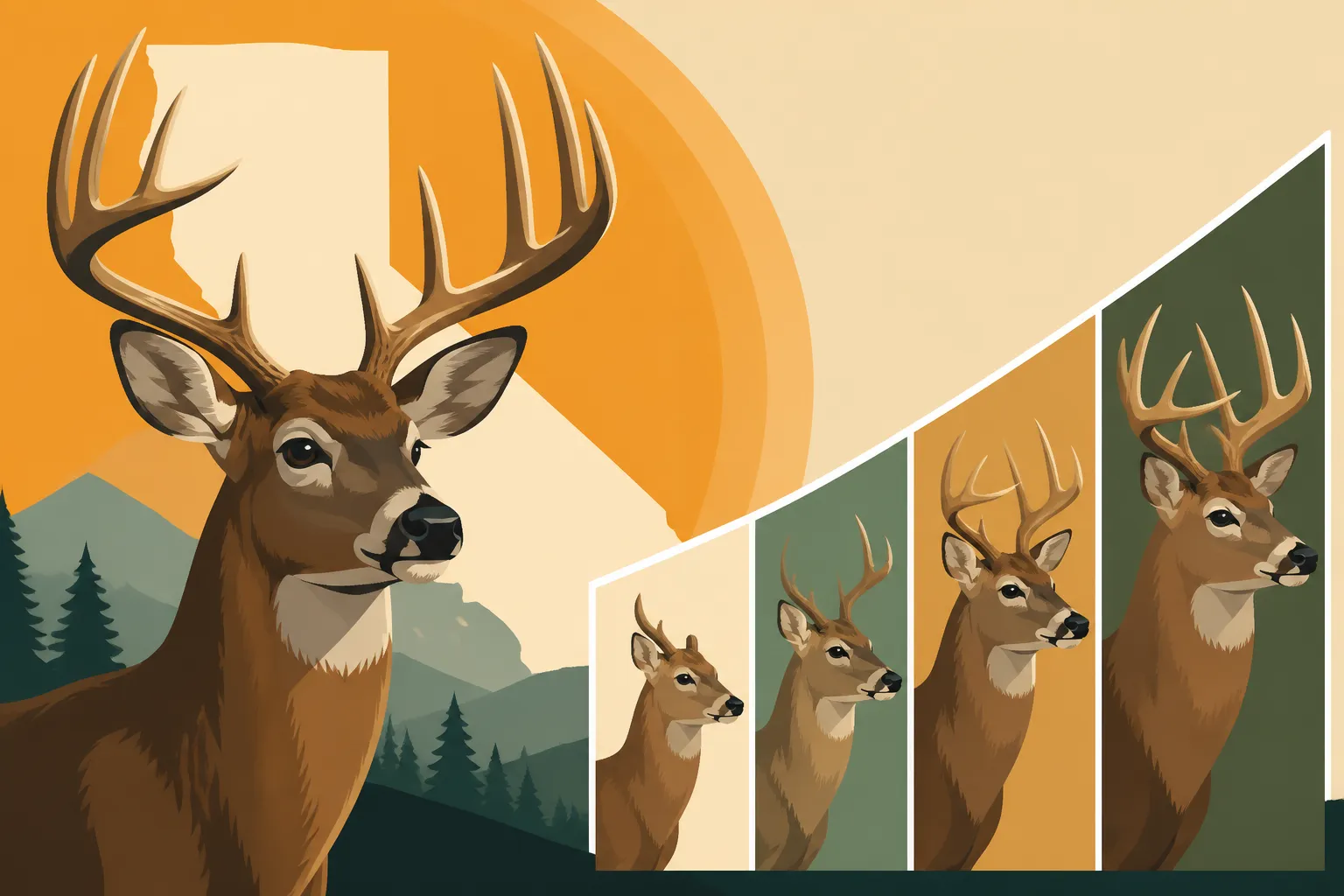
While antlers are the most obvious feature, a buck's body tells a much more consistent story of its age. Here’s a general progression to look for:
- Yearlings (1.5 years old): These bucks are typically very slender, often described as "leggy." Their neck is thin and blends smoothly into their shoulders without much bulk. Their stomach is usually trim, and their overall posture is often alert and energetic. Antlers can vary widely, from spikes to small forked horns, but they rarely extend beyond the ear tips.
- Young Adults (2.5 to 3.5 years old): The body starts to fill out. The legs still look relatively long, but the chest and shoulders are more developed. The neck will appear thicker, especially as the rut approaches, but still distinct from the shoulders. The stomach is usually still fairly tight. Antlers are growing more substantial; this is where you often see nice forks or small three-points, starting to push outside the ears. This is often the age class most frequently harvested in general zones.
- Mature Bucks (4.5 to 6.5 years old): This is where they really start to look like a "horse" or a "bull." Their body is deep, blocky, and filled out. The legs appear shorter in proportion to the deep chest and heavy gut. Their neck is thick and powerful, often blending seamlessly into the shoulders, sometimes appearing to be the same diameter as their head. There might be a noticeable sag in their belly. Their face might look longer, and they can have a roman nose. Antlers are typically at or near their peak for the individual, showing good mass and spread, though again, this is highly variable.
- Post-Prime (7.5+ years old): These bucks might start to show signs of decline. Their back might begin to sag, their body could look a bit gaunt or, conversely, extremely heavy and slow. Antler quality might begin to regress, with less mass or shorter points, though some older bucks can still carry impressive headgear. They often move slower and are incredibly wary.
Here's a quick reference table to help visualize these body cues:
| Age Class | Body Shape | Neck Appearance | Head/Face | General Antler Expectation (Variable) |
|---|---|---|---|---|
| 1.5 Years (Yearling) | Leggy, slender | Thin, blends smoothly into shoulders | Small, delicate | Spikes to small forked horns |
| 2.5-3.5 Years (Young Adult) | Filling out, chest developing | Thicker, but still distinct from shoulders | More developed, alert | Good forked horns, small three-points |
| 4.5-6.5 Years (Mature) | Deep, blocky, powerful | Thick, blends into shoulders, sometimes massive | Longer face, broad muzzle | Peak mass and spread for genetics |
| 7.5+ Years (Post-Prime) | Sagging back, potentially gaunt or very heavy | Thick but possibly less defined | Roman nose, worn look | Often regressing, less mass |
Leveraging Technology for Scouting and Research
In today's hunting world, we have incredible tools at our fingertips to help us understand deer populations, including age structure. While you can't magically determine the age of every buck, you can certainly scout smarter to find areas known for holding older animals.
Using mapping apps like those from GoHunt, you can analyze public land access, identify remote pockets that might receive less hunting pressure, and find ideal bedding areas or food sources where mature bucks might reside. Tools like these allow you to layer different data points – public/private land boundaries, historical burn scars, elevation changes – to predict where older, wary bucks might find sanctuary. You can also use it to study terrain features that create natural funnels or pinch points, which are prime spots for encountering deer.
Trail cameras, especially those with cellular capabilities, can be game-changers. By placing cameras strategically, you can monitor bucks throughout the year, observe their physical development, and even track individual animals over multiple seasons. This helps you build a personal understanding of the age structure in your specific hunting unit. Remember to always check local regulations on trail camera usage, especially on public land. For example, understanding Trail Camera Rules on California Public Land is essential before deploying your gear. Furthermore, if you're serious about finding mature animals, using resources like GoHunt to research harvest data and draw odds for various zones can give you an edge, guiding you towards areas with a higher likelihood of older age-class bucks.
Hunting Strategies for Age-Class Opportunities
Once you have a better grasp of buck age structure, you can fine-tune your hunting strategies to increase your odds of encountering the kind of animals you're looking for, whether that's a young, tender buck for the freezer or a truly mature, challenging animal.
Adapting Your Approach for Older Bucks
Older bucks are survivors for a reason. They've learned to avoid danger, and they're incredibly adept at using cover, wind, and thermals to their advantage. This means your typical approach might need to be adjusted.
- Hunt the Thick Stuff: Forget the easy paths. Mature bucks often bed in the nastiest, most impenetrable cover they can find – thick chaparral, dense timber stands, or steep, inaccessible canyon bottoms. You might need to embrace still-hunting California's Sierra Nevada timber or working through dense coastal range oak woodlands, moving slowly, deliberately, and quietly, paying close attention to wind and thermals.
- Time it Right: Older bucks, especially during the early season, often become more nocturnal to avoid human activity. Focus your efforts during the low-light hours of dawn and dusk, or consider an all-day sit in a well-placed blind if you're confident in a specific area. Learning about When the California Rut Peaks by Zone can also be crucial, as mature bucks become more visible and vulnerable during this intense period of breeding activity.
- Patience and Stealth: Older bucks are incredibly wary. A mature buck might hang up for a long time, watching and listening, before committing to cross an opening or enter a feeding area. Your patience needs to match theirs. Minimize movement, control your scent, and always play the wind. This is where high-quality optics, like those discussed in Optics for California's Open-Country Deer Hunting, become invaluable for patiently glassing a canyon for a bedded buck from a distance.
Understanding Zone-Specific Potential
California's vast and varied landscape means that buck age structure can differ significantly from one hunting zone to another. What works in Zone A might not be the best approach in a D-zone.
- X-Zones: These are often managed for quality, meaning lower tag numbers and higher buck-to-doe ratios, which typically leads to an older age structure. If you’ve drawn one of these coveted tags, like applying for the draw-only premium zones, you're hunting an area where the potential for encountering truly mature bucks is higher. Your strategy here might focus on deep scouting and patiently waiting for a specific, older animal.
- General Zones (A, B, C, D): In these zones, particularly those with higher tag quotas and easier access, the buck age structure generally skews younger. While big, mature bucks are certainly present, they are often harder to find due to hunting pressure. Here, your strategy might involve covering more ground, focusing on overlooked pockets, or even considering deer drives with three or four hunters to push deer out of dense cover, provided it's safe and legal. Understanding Which Zone Covers Your California County is the first step to tailoring your approach.
- Public vs. Private Land: Generally, private lands with limited hunting pressure often hold a higher percentage of older bucks, assuming the habitat is good. On public lands, especially those with easy access, bucks tend to be younger. To find older bucks on public land, you often have to work harder, scout more extensively, and be willing to go where others won't. This could mean deep into the Sierra Nevada backcountry or remote BLM desert land. Resources like GoHunt can help you differentiate public vs. private land for planning your hunt.
Ultimately, appreciating the age structure of California's buck populations adds another layer of depth to your hunting experience. It moves beyond just the "grip and grin" photo and connects you more deeply to the animal and the ecosystem.
Disclaimer
This article is for general informational purposes only and does not constitute professional advice. Laws, prices and regulations vary by location and change over time. Consult a qualified professional for guidance on your specific situation.