Average Weight of a California Wild Boar
You've been out there, staring across a sun-baked oak flat or deep in the chaparral, spotting a dark shape moving through the brush. Your heart starts pounding. Is that a monster boar, or just a really big sow? Judging the average weight of a California wild boar can be incredibly tricky in the field, and it's a question every hunter grapples with. This guide is here to shed some light on what you can realistically expect from California's wild pigs and how to better estimate their size when you're out hunting them.
The Elusive "Average" California Wild Boar: What to Realistically Expect
When we talk about the "average" weight of a wild boar in California, it's important to understand that there's a huge spectrum. These aren't domestic pigs with predictable growth rates. Wild pigs are survivors, and their size can fluctuate dramatically based on habitat, food availability, genetics, and even their specific lineage – many are descendants of domestic hogs that went feral, or crosses with European wild boar. So, while a true average is hard to pin down with a single number, we can certainly give you a range and talk about what's common.
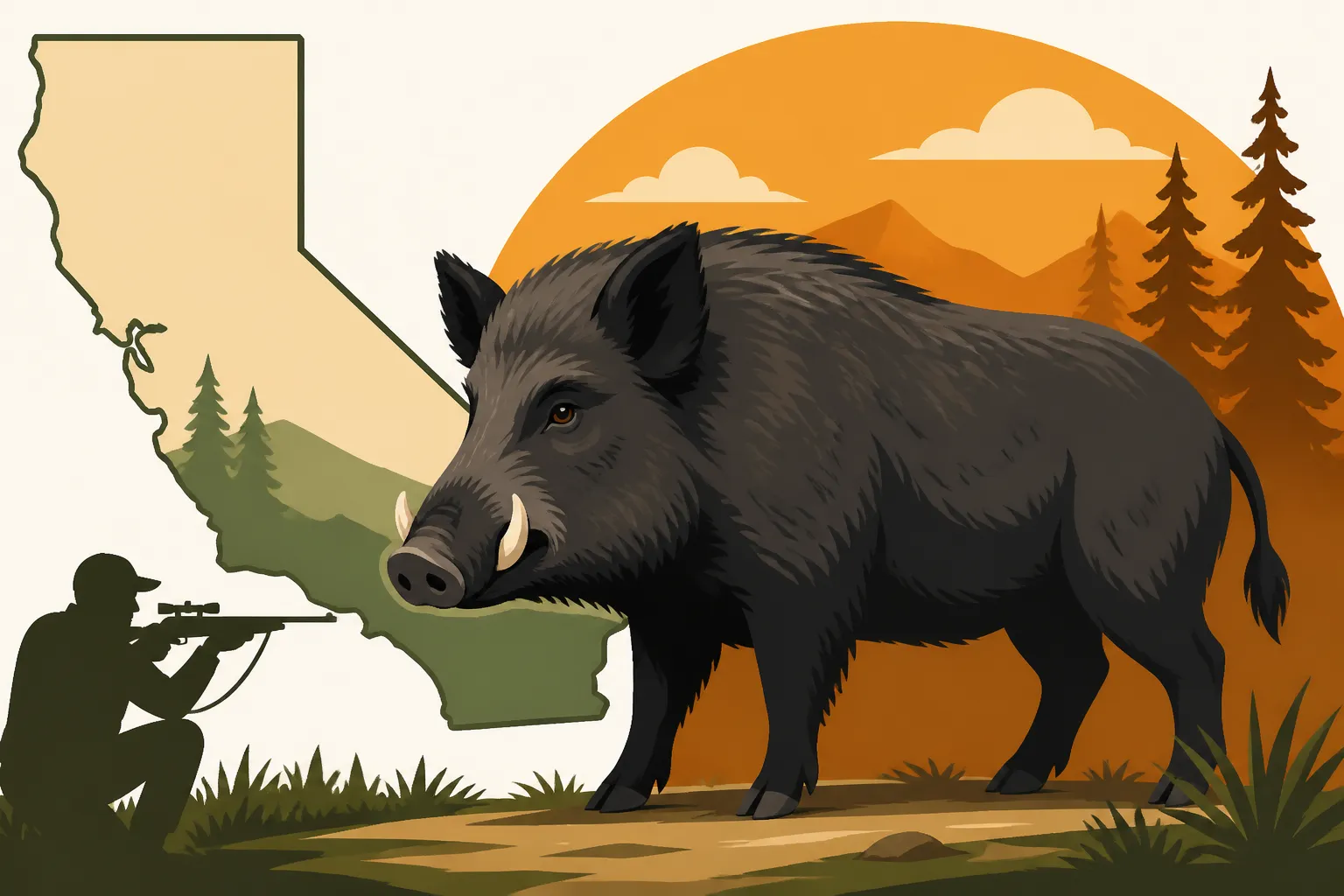
Most adult wild boars you'll encounter in California will fall somewhere in the 100 to 250-pound range. This is a solid, mature animal. Now, I know what you're thinking: "But I've heard stories of 400-pounders!" And yes, those absolute giants do exist, but they are incredibly rare and certainly not the "average." A boar pushing 300 pounds is a truly exceptional animal and a fantastic trophy. For the vast majority of hunters, a 150 to 200-pound boar is a very respectable harvest that will fill your freezer with plenty of delicious meat. Don't let the tales of behemoths overshadow the joy of taking a solid, hard-earned wild pig.
Why "Average" Varies So Much
One of the biggest reasons for this wide range is the sheer adaptability of wild pigs. They thrive in so many different environments across the state, from the coastal oak woodlands to the drier foothill regions. A pig living in an area with abundant acorns, wild fruits, and agricultural crops (like the Central Coast or certain parts of the Central Valley) is likely to grow larger and healthier than one scratching out a living in a more marginal, arid environment. The concept of California Wild Pig Population Estimate also plays a role; dense populations might lead to more competition for food, potentially stunting growth in some areas.
Consider a boar living on a private ranch in Monterey County, feasting on fallen walnuts and a farmer's spilled grain versus a boar surviving in a remote, rugged stretch of the Diablo Range with only native forage. The Monterey boar is going to be significantly heavier, on average. Genetics also play a part; some bloodlines simply have the potential for larger size. Many of the truly massive boars we see are often older, dominant males who have had years to grow and have claimed the best food sources.
Weight by Age Class: A General Guideline
To give you a clearer picture, here's a general breakdown of what you might expect for different age classes of California wild pigs. Remember, these are estimates, and there's always overlap!
| Age Class | Estimated Live Weight (lbs) | Characteristics |
|---|---|---|
| Piglet (0-6 months) | 10-50 | Small, often striped, staying close to sow. |
| Shoat (6-12 months) | 50-100 | Juvenile, rapidly growing, still slender. |
| Young Adult (1-2 yrs) | 100-150 | Fully weaned, actively foraging, can be sows or young boars. |
| Mature Adult (2-4 yrs) | 150-250 | Solid, well-muscled, includes many breeding sows and mature boars. |
| Large Adult (4+ yrs) | 250-350+ | Exceptional, older animals, typically dominant boars, very thick hides and larger heads. |
This table can be a handy reference, but nothing beats actual field experience.
Factors That Really Influence Wild Pig Size
Understanding what makes a wild pig grow big can help you pinpoint areas where you might have a better chance of encountering a larger animal. It's not just luck; it's about habitat and opportunity.
Habitat and Food Sources
The availability of consistent, high-energy food sources is paramount. Wild pigs are omnivores and incredibly opportunistic. In California, their diet can include:
- Acorns: A major staple, especially from various oak species found throughout the state. A good acorn year can lead to fatter, healthier pigs. You might find larger pigs if you're Hunting After a Poor Acorn Year and they're concentrating on other food.
- Wild Fruits and Berries: Toyon, manzanita, wild grapes, and other seasonal offerings.
- Roots and Tubers: Pigs are master excavators, rooting up everything from native bulbs to agricultural crops.
- Insects, Grubs, and Small Vertebrates: They'll happily munch on grubs, worms, snakes, and even carrion.
- Agricultural Crops: This is where pigs really pack on the pounds. Fields of corn, alfalfa, walnuts, almonds, and even vineyards can provide a continuous buffet. This is why areas like the Central Coast and parts of the Central Valley are known for producing larger pigs. If you're Hunting Pigs on Central Coast Oak Ranges, you're often in prime habitat.
Areas with a consistent mix of these food sources, particularly those adjacent to agriculture or in lush oak woodlands, are where you'll find the biggest, heaviest boars. These are the spots you'd want to check on a hunting app like GoHunt when scouting potential zones. Look for those dark green, rich areas on the map.
Genetics and Age
Just like with deer or any other game animal, genetics play a role. Some pigs are simply predisposed to grow larger. However, age is arguably an even bigger factor in achieving truly massive sizes. A wild boar doesn't just sprout to 300 pounds overnight. It takes years of surviving and consistently finding enough food. Older boars have typically proven their resilience, navigating hunting pressure and natural threats, allowing them to reach their full growth potential.
Identifying an older boar in the field can be challenging, but there are clues beyond just overall body size. Look for a large, heavy head, a thick neck, and a saggy belly. Older boars also often have significant scarring, especially around the shoulders and flanks, from skirmishes with other boars. Their coat might be rougher, and they might carry themselves with a more solitary, deliberate gait.
Gender Differences and Social Structure
While the focus is often on boars, sows can also reach impressive sizes, especially older, dominant breeding females. However, mature boars generally grow larger and carry more muscle mass than sows of a similar age. Sows tend to put their energy into reproduction, while boars prioritize growth and dominance.
Wild pigs live in social groups called sounders, usually led by a dominant sow. Older boars are often solitary or live in small bachelor groups, only joining sounders during breeding season. This solitary nature can sometimes make them harder to find, but when you do, they often represent the largest individuals in the area. Understanding How Many Wild Pigs Roam California can give you a general idea of where sounders might be more prevalent versus solitary boars.
Field Judging Wild Pig Weight and Size
Estimating a wild pig's weight in the field is a skill that comes with practice, but there are some visual cues you can learn to look for. It's not an exact science, but it can help you decide whether to make the shot or wait for something bigger.
Body Shape and Proportions
This is your primary indicator. Forget about "average" for a moment and focus on the individual animal.
- Barrel Chest: A truly large boar will have a deep, wide chest, almost like a barrel. It won't look leggy or skinny.
- Thick Shoulders and Neck: Older boars, especially, develop massive shoulders and thick, muscular necks, particularly as they mature and engage in more fights. This "shield" on their shoulders can make them appear even larger.
- Sagging Belly: A well-fed pig, especially an older one, will often have a belly that sags noticeably below its chest line. A young, slender pig will have a tighter, more athletic build.
- Head Size: Larger boars tend to have proportionately larger, heavier heads compared to their body. The snout might appear thicker and longer.
- Leg Length: Pay attention to how the body sits on its legs. A mature, heavy pig will look "low to the ground" or "deep-bodied," whereas a younger pig might look more spindly.
When using tools like GoHunt for scouting, looking at satellite imagery for dense cover that might hold these larger, more solitary boars can be a strategy. Consider areas with dense brush next to water and food sources.
Tusk Development and Sex Identification
While tusks don't directly correlate to weight, they are a strong indicator of age and sex, which in turn relates to potential size.
- Boars vs. Sows: Boars develop prominent upper and lower tusks (cutters) that can grow quite long and sharp. Sows also have tusks, but they are generally much smaller and often not visible outside the mouth. Observing tusks can help you with Judging a Boar's Cutters Before the Shot.
- Tusk Length and Wear: Older boars will have longer, more worn tusks, often discolored. The lower tusks (cutters) grow out and up, sharpened by the shorter upper tusks. The longer these cutters are, the older the boar, and thus, often the larger its body.
- Genital Identification: Of course, the most definitive way to identify a boar is by observing its anatomy. Mature boars will have clearly visible testicles, especially when viewed from behind or from the side as they move. This is crucial for positive identification, as even some sows can appear quite robust.
Remember, positive identification is key, not just for knowing what you're shooting but for ethical hunting.
Beyond the Scale: What Truly Matters in a California Wild Pig Harvest
While it's fun to talk about big numbers, the true value of a California wild pig hunt often goes far beyond just the weight on the scale.
The Challenge of the Hunt
Wild pigs are formidable game animals. They are intelligent, tough, and have incredible senses of smell. Hunting them often involves covering rugged terrain, still-hunting through thick brush, or carefully setting up on a food source. The challenge itself, regardless of the pig's final weight, is incredibly rewarding. Whether you're Hunting a Funnel Between Two Oak Ridges or stalking through dense chaparral, the experience is what counts.
A 150-pound boar that led you on a three-mile stalk through nasty country can be far more memorable and satisfying than a larger pig taken easily. The effort, the strategy, and the connection with nature are often the real trophies. Plus, with California's Year-Round Wild Pig Tag and no bag limit, you have ample opportunity to refine your skills.
Meat Quality and Processing
Let's be honest, one of the biggest reasons many of us hunt wild pigs is for the incredible meat. Wild pork is lean, flavorful, and incredibly versatile in the kitchen. In fact, some hunters prefer smaller, younger pigs (shoats) for their tenderness, viewing the larger, older boars as better for sausage or slow-cooking due to tougher meat.
A 150-pound pig will yield a substantial amount of meat – often 60-75 pounds of boneless cuts, sometimes more. That's a freezer full of delicious pork for your family and friends. This meat, especially if processed well and quickly, is a fantastic organic, free-range protein. Don't underestimate the bounty a "modestly" sized pig provides. Learn about Hunting Pigs Without a Closed Season and Reporting a Pig Harvest Through ALDS to stay compliant while enjoying your harvest.
Conservation and Management
Wild pigs in California are a unique management challenge. While they are a valuable game species, they are also considered an invasive species, capable of causing significant damage to agricultural lands, native habitats, and even endangered species. Their rooting behavior can devastate riparian areas, destroy crops, and compete with native wildlife for food. This is partly Why California Treats Pigs as Game, Not Pests – hunting helps control their populations.
By hunting wild pigs, you're not just enjoying a recreational pursuit; you're also playing a vital role in managing their populations and mitigating their impact on California's diverse ecosystems. Every pig harvested, regardless of its size, contributes to this broader conservation effort. So, next time you're out there, whether you see a 100-pound shoat or a truly massive 300-pound boar, appreciate the opportunity to hunt such a resilient and impactful animal in our diverse California landscapes.
Disclaimer
This article is for general informational purposes only and does not constitute professional advice. Laws, prices and regulations vary by location and change over time. Consult a qualified professional for guidance on your specific situation.