How Many Ducks Winter in the Central Valley
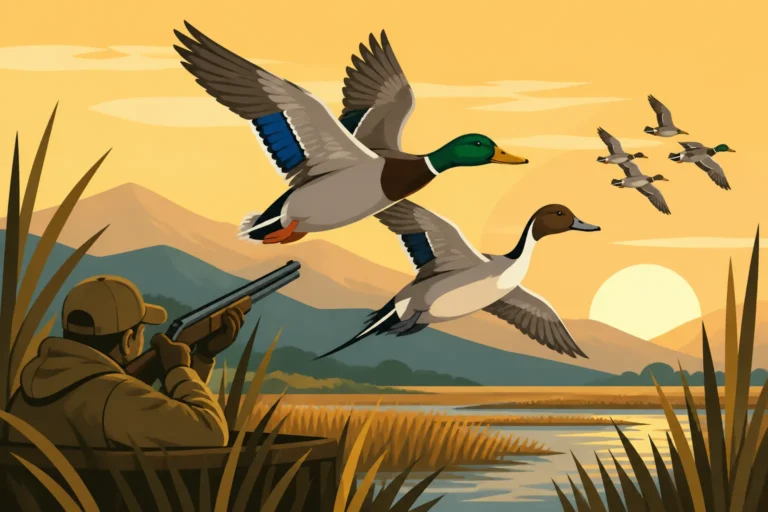
For anyone who’s ever stood in a blind at dawn, shivering in the fog as the sound of wings whistles overhead, the sheer abundance of ducks in California’s Central Valley isn't just a rumor—it's a living, breathing spectacle. But if you’ve ever wondered just how many of those incredible birds truly call this valley home for the winter, you’re not alone. This guide will dive deep into the fascinating world of California’s wintering duck populations, exploring the incredible numbers, the diverse species, and the vital factors that make the Central Valley an indispensable haven for waterfowl.
The Central Valley: A Critical Wintering Ground
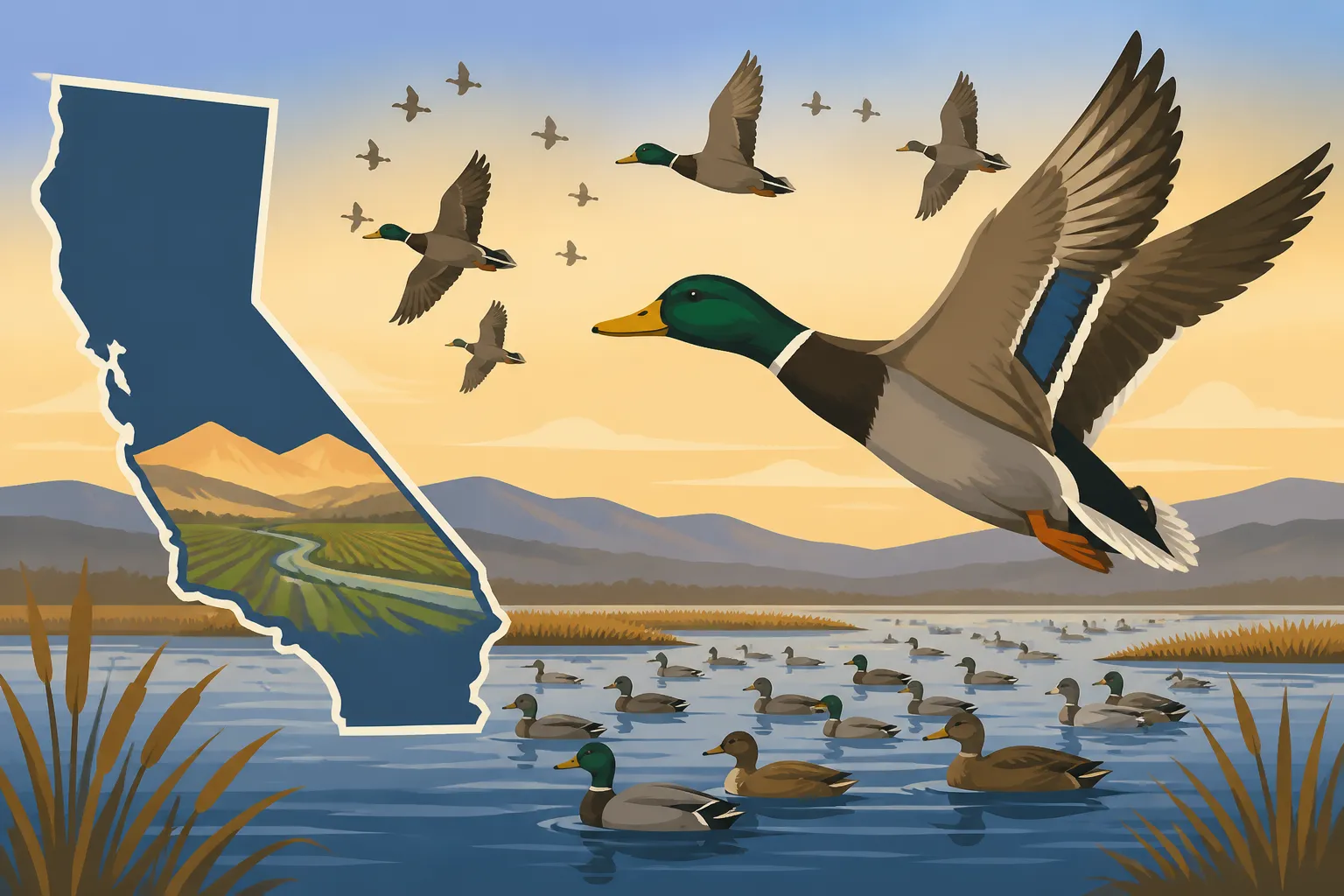
California’s Central Valley isn't just a breadbasket for our nation; it's a veritable magnet for millions of migratory waterfowl each year. When the cold winds sweep down from the north, pushing ducks and geese south along the Pacific Flyway, this vast, fertile plain transforms into an essential stopover and wintering ground. It's truly a sight to behold, a testament to nature's enduring cycles, and a critical resource for these birds, making it a dream destination for hunters and birdwatchers alike.
The Allure of Abundant Water and Food
Imagine flying thousands of miles, weary and hungry, and then suddenly seeing a seemingly endless expanse of water and grain fields below. That's essentially what the Central Valley offers these migrating ducks. The Valley's landscape, particularly the flooded agricultural fields like rice paddies and corn stubble, along with managed wetlands, provides an unparalleled smorgasbord of food. They can gorge on waste grain, seeds, tubers, and aquatic invertebrates, allowing them to replenish energy reserves after their long journey and sustain themselves through the colder months.
Beyond the sheer volume of food, the Valley provides diverse water sources, from shallow sheet water in fields to deeper ponds and sloughs within wildlife areas. This variety caters to the different feeding styles and habitat preferences of various duck species. Some prefer dabbling in the shallows, filtering food from the surface, while others dive deep for submerged vegetation. The sheer scale and variety mean there's something for every hungry bird, cementing the Valley's reputation as a vital refuge.
Strategic Location on the Pacific Flyway
The Central Valley's geographical position is arguably its most significant asset. It sits squarely within the heart of the Pacific Flyway, one of North America's four major migratory bird routes. Think of it as a superhighway in the sky, funneling birds from as far north as Alaska and the Arctic tundra down to warmer climates. As these birds head south, the Valley becomes an unavoidable and incredibly attractive destination.
This funneling effect means that a significant portion of the entire Pacific Flyway's waterfowl population will pass through or winter in California. When you're trying to figure out where the birds are, a tool like GoHunt can be invaluable for understanding these broader migration patterns and how they might affect local concentrations. For ducks, specifically, the Central Valley offers that critical combination of mild climate, abundant resources, and safety from harsh northern winters. It’s no wonder so many of them make the journey year after year. California Waterfowl on the Pacific Flyway explores this phenomenon in more detail.
Tracking the Migratory Masses: Population Estimates
So, exactly how many ducks are we talking about? Pinpointing an exact, real-time number is a bit like counting individual raindrops in a storm—it’s impossible. However, wildlife agencies and conservation groups dedicate considerable resources to annual surveys, giving us a very robust estimate of the overall population trends and the staggering scale of the Central Valley's importance. These estimates are crucial for setting seasons, managing habitats, and understanding the health of the flyway.
The Annual Aerial Surveys and Their Challenges
Every winter, typically starting around December and continuing into January, dedicated biologists and pilots take to the skies for the annual Midwinter Waterfowl Survey. They fly established transects, essentially invisible lines across the landscape, carefully counting ducks and geese in predetermined wetland and agricultural areas within the Central Valley, Klamath Basin, and other critical habitats. This isn't just a casual flyover; it's a meticulously planned scientific endeavor.
However, counting millions of fast-moving, camouflaged birds from a low-flying aircraft is fraught with challenges. Weather can impact visibility, birds might be hidden in dense cover, and some areas are simply too vast or inaccessible to survey thoroughly. Different species have different behaviors—some flush easily, others huddle tightly. Therefore, these numbers are always presented as estimates, often adjusted with correction factors to account for observer bias and visibility issues. Despite these hurdles, these surveys provide the most comprehensive data we have on wintering waterfowl numbers, allowing us to see long-term trends.
Understanding Population Fluctuations
The actual number of ducks wintering in the Central Valley isn't static; it fluctuates significantly year by year. This isn't necessarily a bad sign; it often reflects natural cycles and external factors. For instance, severe drought years in California mean less available water and thus fewer ducks choose to winter here, instead "short-stopping" further north or continuing to Mexico. Conversely, years with abundant rainfall and lush wetland conditions can draw in exceptionally high numbers.
Beyond local conditions, factors further north along the Pacific Flyway play a huge role. Breeding success in Alaska and Canada directly impacts the number of birds migrating south. A good breeding year, coupled with favorable weather during migration, can lead to a surge in wintering populations in California. Conservation efforts, habitat restoration, and even hunter harvest numbers (covered in California Duck Harvest Numbers) also contribute to these fluctuations, making each year's population estimate a unique snapshot of a complex ecological dance.
The Stars of the Show: Key Wintering Duck Species
When you think of "ducks in the Central Valley," a few species immediately come to mind. While the Valley hosts a remarkable diversity of waterfowl, some species are truly the backbone of its wintering population, dominating the skies and wetlands with their sheer numbers. Understanding these key players helps us appreciate the intricate ecology of this vital region.
Mallards, Pintails, and Wigeons: The Core Species
Without a doubt, the Northern Pintail often takes the crown as the most numerous wintering duck in the Central Valley. Their elegant, long-necked profile is ubiquitous across flooded fields and wetlands. They love shallow water where they can dabble for seeds and waste grain, and their numbers here can sometimes reach into the hundreds of thousands, if not millions, in peak years. They are truly an icon of the Central Valley's waterfowl season.
The ever-popular Mallard is another powerhouse. Known for their adaptability and the vibrant green head of the drakes, mallards are found almost everywhere there's water. They thrive in both managed wetlands and agricultural environments, making them a consistent and significant component of the wintering population. They're often the most recognizable duck for many folks, and their presence is a clear indicator of healthy habitat.
American Wigeons, with their distinctive white crown and melodic whistles, also congregate in large numbers. They're often seen grazing on emergent vegetation in open water or fields. Wigeons are particularly adept at stealing food from diving ducks, a behavior known as kleptoparasitism, making them quite opportunistic diners in the Valley's rich environment. These three species, along with others like Northern Shovelers and Green-winged Teal, form the vast majority of the "dabbling duck" population here. You can learn more about two of these dominant species in Mallards and Pintails in the Central Valley.
Diving Ducks and Other Visitors
While dabbling ducks dominate the shallower waters and fields, the Central Valley also provides crucial winter habitat for several species of diving ducks. Birds like Ring-necked Ducks, Canvasbacks, and Lesser Scaup prefer deeper open water, where they dive to forage for aquatic plants, mollusks, and insects. While their numbers might not individually rival pintails or mallards, their collective presence adds significant biodiversity to the Valley's waterfowl community.
Beyond the major duck species, the Valley hosts a myriad of other migratory birds, including geese (like Snow Geese and Ross's Geese), swans, and various shorebirds. This rich tapestry of birdlife underscores the Central Valley's importance as an ecosystem, not just for ducks, but for the entire Pacific Flyway. When you're out there hunting, you'll often see these other species, adding to the grandeur of the experience.
Here’s a rough idea of what annual surveys often estimate for key species in the Central Valley during a good winter:
| Species | Typical Wintering Population Range (Central Valley) | Primary Habitat Preference |
|---|---|---|
| Northern Pintail | 500,000 – 2,000,000+ | Flooded fields, shallow wetlands, rice paddies |
| Mallard | 200,000 – 800,000 | Varied wetlands, agricultural areas, open water |
| American Wigeon | 300,000 – 1,000,000 | Shallow wetlands, open water, grazing on vegetation |
| Northern Shoveler | 200,000 – 700,000 | Productive shallow wetlands, open water, filtering food |
| Green-winged Teal | 150,000 – 500,000 | Small shallow wetlands, flooded timber, dense vegetation |
| Gadwall | 50,000 – 200,000 | Wetlands with emergent vegetation, calm open water |
| Canvasback | 20,000 – 70,000 | Large, deep open water, lakes, managed refuges |
| Ring-necked Duck | 30,000 – 100,000 | Deep water wetlands, timbered ponds, diving for food |
Please remember these are general ranges and can vary greatly year to year based on environmental conditions and breeding success.
Conservation and Future Outlook for California's Ducks
While the numbers of ducks wintering in the Central Valley can be breathtaking, it's a delicate balance. The continued health and abundance of these populations depend heavily on ongoing conservation efforts, responsible land management, and adapting to broader environmental changes. Hunters play a crucial role in funding and supporting these initiatives, understanding that the future of hunting is inextricably linked to the future of the birds themselves.
The Impact of Habitat Loss and Climate Change
One of the greatest ongoing threats to California's wintering waterfowl is the persistent loss and degradation of habitat. The Central Valley, while still important, has seen a dramatic reduction in its natural wetlands over the last century due to agricultural development and urbanization. What remains is often highly managed, and its availability can be unpredictable, depending on water allocations and policy.
Climate change adds another layer of complexity. Shifting weather patterns can lead to more frequent and severe droughts, directly impacting water availability in the Valley. Warmer temperatures could also influence migration timing and breeding success further north. If birds can't find the water and food they need in California, they might not survive the winter or return to breed, leading to a long-term decline. Understanding these long-term trends is vital for conservationists and hunters alike.
Conservation Efforts and Hunter Contributions
Thankfully, numerous groups are working tirelessly to protect and restore critical waterfowl habitat in the Central Valley. Organizations like California Waterfowl Association, Ducks Unlimited, and federal and state agencies (like the CDFW managing California Wildlife Areas and Ecological Reserves) invest millions into wetland restoration, water delivery projects, and securing conservation easements. These efforts are literally rebuilding wetlands and ensuring that crucial resources remain available for migrating birds.
Hunters are a massive part of this success story. The purchase of hunting licenses, state duck stamps, and federal duck stamps directly funds a huge portion of these conservation efforts. Every time you buy a license or a stamp, you're contributing to wetland restoration and habitat protection, not just for the ducks you pursue, but for countless other species that rely on these wetlands. It's a prime example of how responsible hunting is a cornerstone of conservation, ensuring that future generations can also witness the awe-inspiring sight of millions of ducks wintering in California. If you're looking to contribute or stay informed, resources like GoHunt often share news and updates on these critical conservation initiatives.
Disclaimer
This article is for general informational purposes only and does not constitute professional advice. Laws, prices and regulations vary by location and change over time. Consult a qualified professional for guidance on your specific situation.