California Predator Impact on Fawn Recruitment
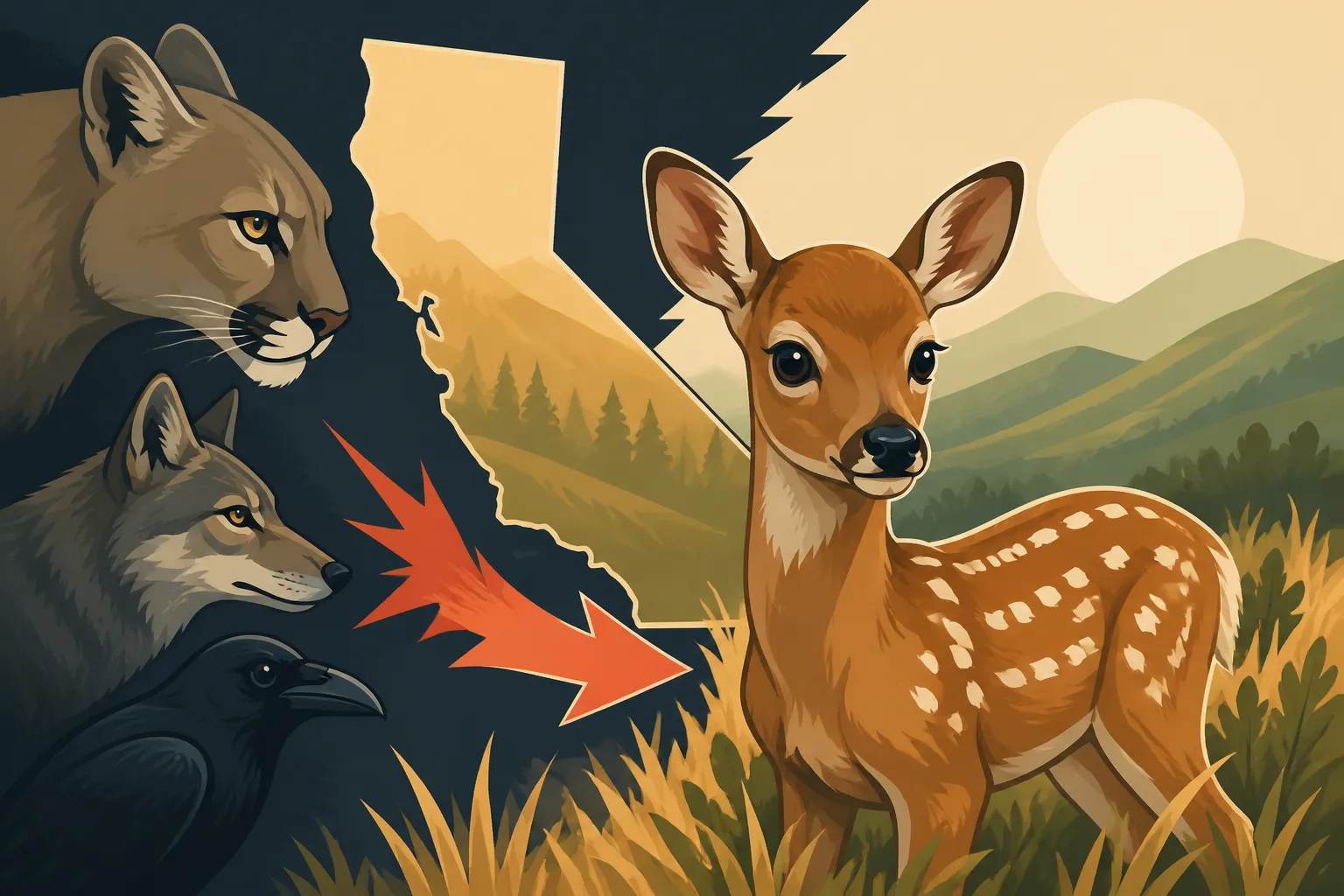
It's a frustrating reality for many California hunters and wildlife enthusiasts: you see fewer deer, and when you do, young fawns seem scarce. You might wonder where all the little ones are, and what's truly impacting the deer population's ability to bounce back each year. This guide is going to dive deep into a critical, often debated topic: the very real influence predators have on fawn recruitment here in California, and what that means for our beloved deer herds.
Understanding Fawn Recruitment and its Challenges in California
When we talk about the health of our deer populations, there’s one term that comes up constantly: fawn recruitment. It's a technical phrase, but its meaning is profoundly simple and deeply important to every hunter and wildlife enthusiast across the state.
What is Fawn Recruitment and Why Does it Matter?
Fawn recruitment is essentially the measure of how many fawns survive from birth to reach their first birthday and successfully join the adult population. Think of it as the herd's ability to replace itself and grow. It's not just about how many fawns are born, because frankly, a lot of them don't make it past those crucial first few weeks and months. A robust fawn recruitment rate means a healthy, growing deer population with a good age structure, offering more hunting opportunities down the line and ensuring the species thrives.
When recruitment is low, it's a huge red flag. It means the herd isn't producing enough young to compensate for natural mortality (like old age, accidents, disease, or even hunter harvest). You start to see fewer deer overall, fewer young bucks and does entering the breeding pool, and ultimately, a decline in population numbers. This is why it feels so disheartening when you spend a season in the woods and only see mature deer, or perhaps no deer at all, because it signals a deeper problem with the sustainability of the local herd. It makes you wonder, "Where are all the babies?" and that's a perfectly valid concern. Understanding these numbers is often a focus for wildlife agencies and organizations like GoHunt, which compile data to give hunters a clearer picture of herd health.
Natural Threats Beyond Predation
While we're here to talk about predators, it's crucial to acknowledge that fawn recruitment isn't a single-factor equation. It's a complex interplay of many environmental elements, and predators are just one piece of the puzzle, albeit a significant one. Fawns face an uphill battle from the moment they're born.
Consider the harsh realities of nature in California. Habitat quality is paramount. If a doe doesn't have access to nutritious forage during gestation and lactation, her fawns might be born weaker and less likely to survive. Drought conditions, a recurring issue across much of California, can severely impact the quality and quantity of food and water available, stressing both the does and their fawns. A doe that is malnourished is less likely to produce healthy fawns, and even if she does, she might not have the energy reserves to properly care for them.
Then there's weather. Unseasonably cold, wet springs can lead to hypothermia in newborn fawns, especially if they are already weakened. Extreme heat, particularly in our drier regions, can also be fatal, leading to dehydration. Disease can also sweep through a herd, affecting fawns more severely due to their underdeveloped immune systems. Even accidents, like falling into a ravine or being hit by a vehicle (sadly common along California Deer Migration Corridors), contribute to fawn mortality. So, while predators are a major player, they operate within a larger, often challenging, natural system. It's all connected, and a holistic view helps us appreciate the intricate web of life our deer must navigate.
Key Predators Impacting California Fawn Survival
When we discuss the impact of predators on fawn recruitment, it's not a blanket statement; different predators play different roles, and their influence can vary dramatically based on the specific region and habitat in California.
Coyote Predation: The Most Common Threat
Across much of California, coyotes are undeniably one of the most significant, if not the most significant, predators of deer fawns. They are incredibly adaptable, widespread, and opportunistic hunters, perfectly suited to preying on vulnerable newborns. From the sprawling ranchlands of the Central Coast to the foothills of the Sierra Nevada, where California Coyote Range and Density is high, coyotes are a constant presence.
Coyotes operate on instinct, and a newborn fawn, scentless for only a brief period and often bedded down alone, is a relatively easy meal. Does try their best to hide their fawns in thick cover, relying on camouflage and stillness to protect them. However, a persistent coyote can sniff them out, and once a fawn is located, its chances of escape are slim. Studies often show that coyote predation accounts for a large percentage of fawn mortality within the first few weeks of life. This isn't to say coyotes are "bad" – they are simply fulfilling their ecological role as a natural predator. But their sheer numbers and efficiency mean they can put substantial pressure on a deer population's ability to recruit new members. This is why, if you're a hunter observing fewer fawns in your favorite hunting area, coyotes are often the first suspect.
Black Bear and Mountain Lion Influence
While coyotes might be the most numerous threat, California's larger predators, the black bear and the mountain lion, also play a substantial, albeit sometimes different, role in fawn mortality. Their impact tends to be more localized and dependent on their specific hunting habits and prey availability.
Black bears are omnivores, and while their diet is mostly plant-based, they are opportunistic feeders. A newborn fawn discovered while foraging for berries or grubs is certainly not going to be passed up. Bears don't actively "hunt" fawns in the same way a coyote might patrol for them, but if they stumble upon a bedded fawn, it's an easy meal. California Black Bear Population Estimate indicates a healthy and growing bear population, meaning their presence in deer fawning grounds is increasingly common.
Mountain lions, on the other hand, are apex predators specializing in large prey, and deer are their primary food source. An adult deer is a typical target, but a mountain lion will absolutely take a fawn if the opportunity arises. In areas with high mountain lion density, like some of our more rugged coastal ranges or mountainous regions, their impact on fawn survival can be significant, especially if deer populations are already stressed. Unlike bears, mountain lions are actively hunting, and their stealth and power make them incredibly effective. This is particularly relevant given California Mountain Lion Protection Status, which prohibits hunting them and contributes to stable or growing populations in many areas.
Other Opportunistic Predators
Beyond the "big three" of coyotes, bears, and mountain lions, several other creatures in California can opportunistically prey on fawns, especially those that are weak, sick, or very young. While their collective impact might not rival that of coyotes, their contributions to fawn mortality are still part of the natural equation.
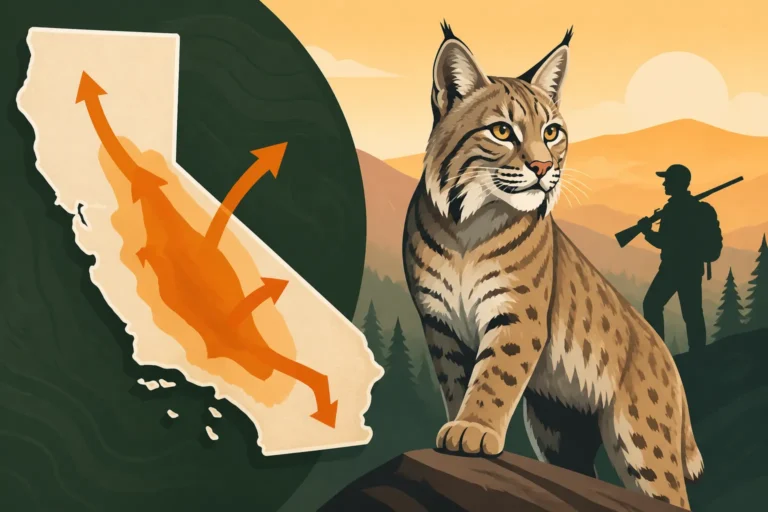
Golden eagles, for instance, are powerful raptors with keen eyesight. While they primarily hunt smaller game like rabbits and squirrels, they are certainly capable of swooping down on a very young or vulnerable fawn, especially in open country. Their aerial advantage means they can spot fawns that might be hidden from ground-level predators. Bobcats, too, are skilled predators, though they typically focus on smaller prey. However, a bobcat will not hesitate to take a newborn fawn if it encounters one. Their stealthy nature and ability to navigate dense cover make them effective ambush hunters, which can put fawns at risk, particularly in chaparral and oak woodlands.
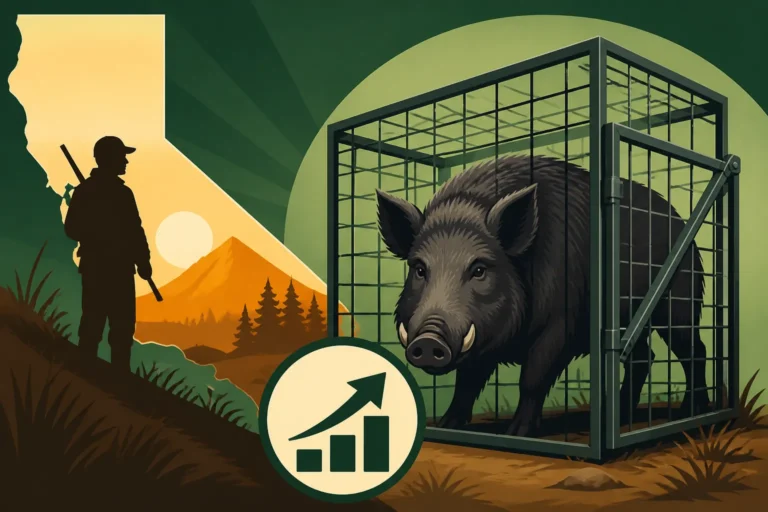
Even wild pigs can contribute to fawn mortality. While not primarily predators in the traditional sense, California Wild Pig Population Estimate shows them to be widespread, and they are notoriously opportunistic omnivores. A sounder of pigs moving through an area could easily disturb a bedded fawn, and an adult pig, especially a sow protecting piglets, might kill a fawn it perceives as a threat or an easy meal. It's a harsh world out there for a tiny fawn, and a long list of creatures see them as potential sustenance.
How California Manages Predator-Fawn Dynamics
Managing the delicate balance between predator and prey, particularly concerning fawn recruitment, is a constant challenge for wildlife agencies in California. It's not about eradicating predators, but about understanding the dynamics and promoting healthy ecosystems.
Research and Monitoring Efforts
The California Department of Fish and Wildlife (CDFW) and various research institutions invest considerable effort into understanding deer populations and the factors affecting fawn survival. This often involves extensive research and monitoring programs. Scientists might capture and collar newborn fawns with tiny GPS transmitters to track their movements and, sadly, to determine the cause of their mortality if they die. This "mortality investigation" helps determine whether it was predation, disease, starvation, or another factor.
Furthermore, remote cameras, or trail cameras, are often deployed in fawning areas to observe predator activity and deer behavior, providing invaluable insights into what's happening on the ground without direct human interference. These long-term studies help agencies like CDFW gauge overall deer herd health and How CDFW Counts the California Deer Herd more accurately. Organizations like GoHunt also play a role by aggregating and analyzing data, presenting it to hunters to help them understand trends and plan their hunts more effectively. This data-driven approach is vital for making informed management decisions, even in the face of complex ecological interactions.
Habitat Management as a Strategy
One of the most effective, albeit long-term, strategies for improving fawn recruitment isn't just about managing predators directly, but about managing the habitat itself. Healthy, diverse habitat provides fawns with the best chance of survival against all threats, including predators.
This involves ensuring there's ample escape cover – thick brush, dense timber, or tall grasses where fawns can hide from prying eyes and noses. When fawning habitat is degraded, fawns are more exposed and vulnerable. Conversely, areas with a mosaic of open foraging areas and dense cover provide both food for the does and security for their offspring. Programs aimed at restoring native vegetation, conducting controlled burns to promote new growth, and managing water sources directly benefit deer and, by extension, fawns. These efforts might also focus on improving forage quality for does, ensuring they are healthy enough to produce robust fawns in the first place. When hunters ask about improving deer numbers, habitat is almost always the answer, because it's the foundation of everything.
The Role of Hunter Data
Believe it or not, the information provided by hunters plays a crucial, often underappreciated, role in helping wildlife managers understand fawn recruitment and predator-prey dynamics. Every time a hunter harvests a deer and Reading a California Harvest Report, they provide valuable data points.
CDFW collects data on the age and sex of harvested deer. While this doesn't directly tell us about fawn survival, consistent data over years helps build a picture of the overall age structure of the herd. If harvest reports consistently show an aging population with few young deer coming into the system, it's a strong indicator of low fawn recruitment. Similarly, hunter observations, though anecdotal, can be incredibly useful. Hunters spend countless hours in the field and often have intimate knowledge of their local areas. Their reports of fawn sightings (or lack thereof), observed predator activity, or changes in deer behavior can help corroborate scientific studies and flag potential issues in specific zones. It's a powerful feedback loop where passionate individuals contribute to the collective understanding of our wild resources.
Here's a quick look at the typical impact of various predators on fawns:
| Predator Type | Primary Impact Mechanism | Typical Vulnerability Period | General Geographic Range in CA (with deer) |
|---|---|---|---|
| Coyote | Direct predation, opportunistic | First 6-8 weeks | Statewide |
| Mountain Lion | Direct predation, ambush | All year, but fawns are easier | Mountainous/rugged terrain, widespread |
| Black Bear | Opportunistic predation | First 6-8 weeks | Forested regions |
| Bobcat | Opportunistic predation | First few weeks | Widespread, especially chaparral |
| Golden Eagle | Direct predation, aerial | First few weeks, very small fawns | Open country, high elevations |
| Wild Pig | Opportunistic, disturbance | Newborn fawns | Central Coast, Foothills, widespread |
What Hunters Can Do to Support Healthy Fawn Recruitment
As hunters, we're not just consumers of wildlife; we're often the most dedicated conservationists, and our actions can directly support healthy deer populations and, by extension, better fawn recruitment.
Ethical Hunting Practices and Habitat Stewardship
One of the most fundamental ways hunters can support fawn recruitment is by adhering to ethical hunting practices and being mindful of their impact on the deer herd. This means following all regulations, like respecting bag limits and season dates, which are designed to ensure enough deer survive to breed. It also means making ethical shot choices and doing everything in your power to recover wounded animals. No hunter wants to lose a deer, but beyond that, a wounded deer can become an easy meal for predators, removing it from the breeding population and inadvertently contributing to the challenge.
Beyond direct hunting, being a good steward of the land is paramount. This includes participating in habitat improvement projects on public or private land, like planting native shrubs for cover, helping with water source development, or clearing invasive species. Understanding and respecting the habitat is crucial. For example, knowing Scouting California Public Land Before Season involves more than just finding deer sign; it's about understanding the entire ecosystem. Proper land management can enhance the chances of fawn survival by providing better cover and nutrition for does and their offspring.
Supporting Conservation Efforts
Another significant way hunters contribute is simply by purchasing licenses and tags. A substantial portion of the revenue generated from hunting licenses, deer tags, and other hunting-related fees directly funds wildlife management and research programs by organizations like CDFW. These funds are critical for conducting the very studies on fawn recruitment and predator dynamics that we discussed earlier. Without these financial contributions, wildlife agencies would have far fewer resources to monitor populations, manage habitats, and implement conservation strategies.
Beyond direct fees, many hunters also contribute to non-profit conservation organizations dedicated to protecting and enhancing wildlife and habitat in California. Groups like the California Deer Association or the Rocky Mountain Elk Foundation, for instance, often fund specific projects aimed at improving deer habitat or conducting research. Even something as simple as taking a required California Hunter Education Requirements course contributes to a more informed and responsible hunting community, which is beneficial for wildlife in the long run.
Scouting and Understanding Local Dynamics
Hunters who truly immerse themselves in their hunting areas become invaluable observers of wildlife trends. By spending time afield outside of hunting season, you can gain a deeper understanding of the local deer population, including signs of fawn presence. When you’re out scouting, pay attention to the little things: do you see does with fawns? How many fawns are with each doe? Are there signs of significant predator activity, like coyote scat laden with deer hair? This information, when combined with your hunting experience, can help you develop a more informed perspective.
For example, if you're consistently seeing mature does alone without fawns in an area where you used to see plenty of young deer, it might indicate a localized fawn recruitment issue. Similarly, observing patterns like Reading California Mud for Fresh Deer Movement can tell you not just where deer are traveling, but perhaps where fawns are being bedded and what potential threats they might face. Using tools like GoHunt's data, which often includes harvest statistics and herd composition reports, can further enhance your understanding. Being an informed hunter means not just chasing a buck, but understanding the health of the entire herd you're pursuing. This deeper connection to the ecosystem makes us better stewards of our natural resources.
Disclaimer
This article is for general informational purposes only and does not constitute professional advice. Laws, prices and regulations vary by location and change over time. Consult a qualified professional for guidance on your specific situation.